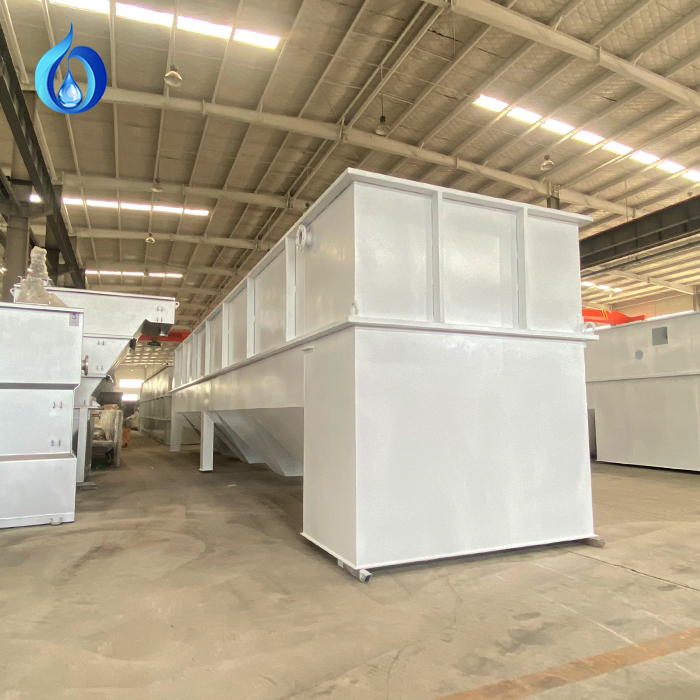
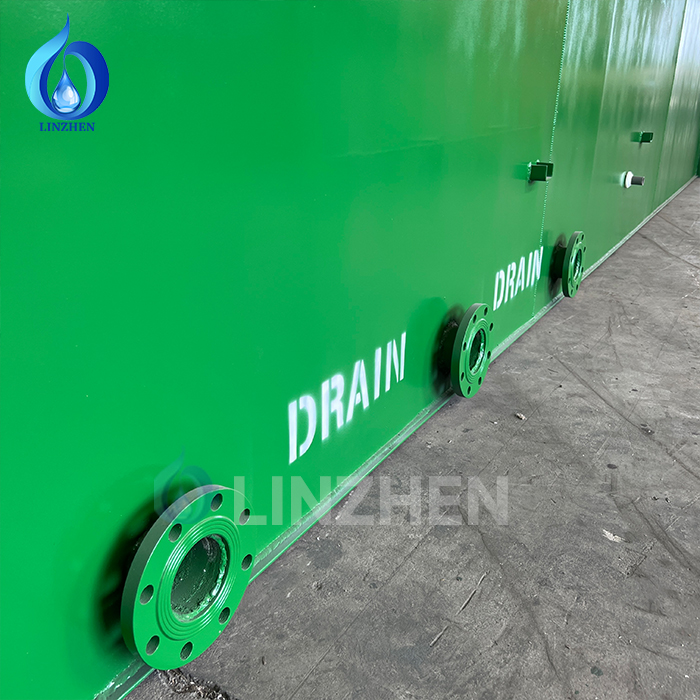
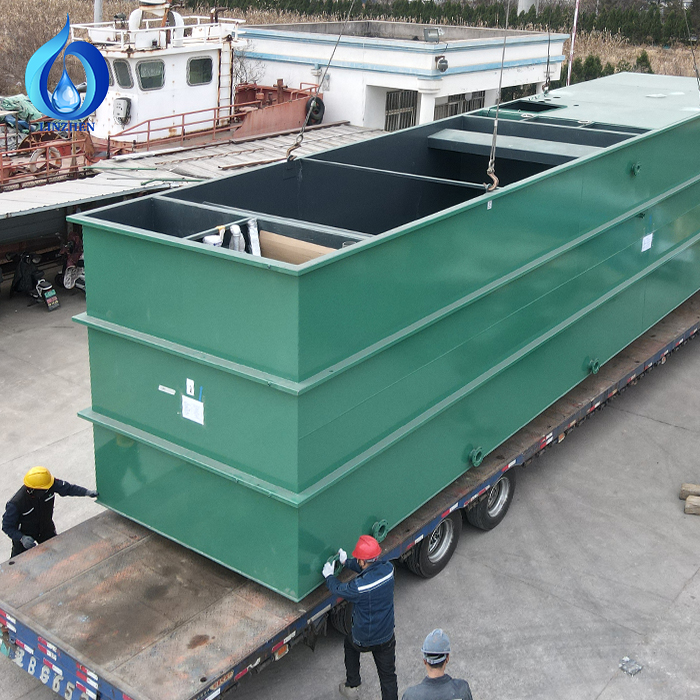
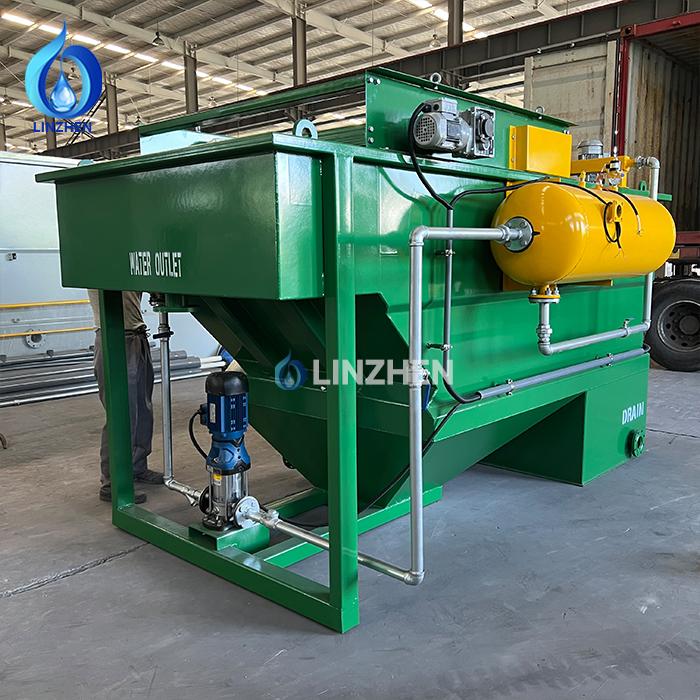
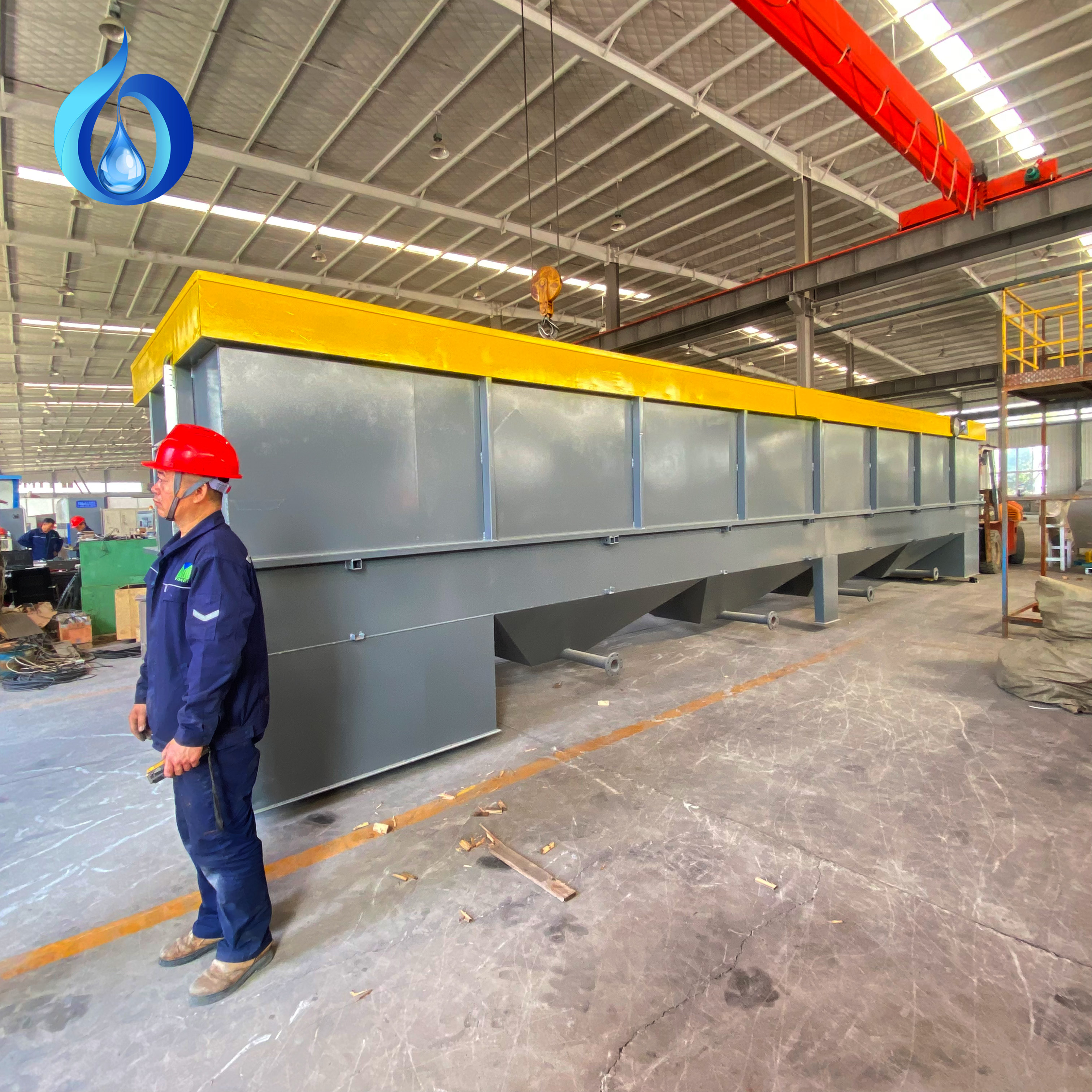
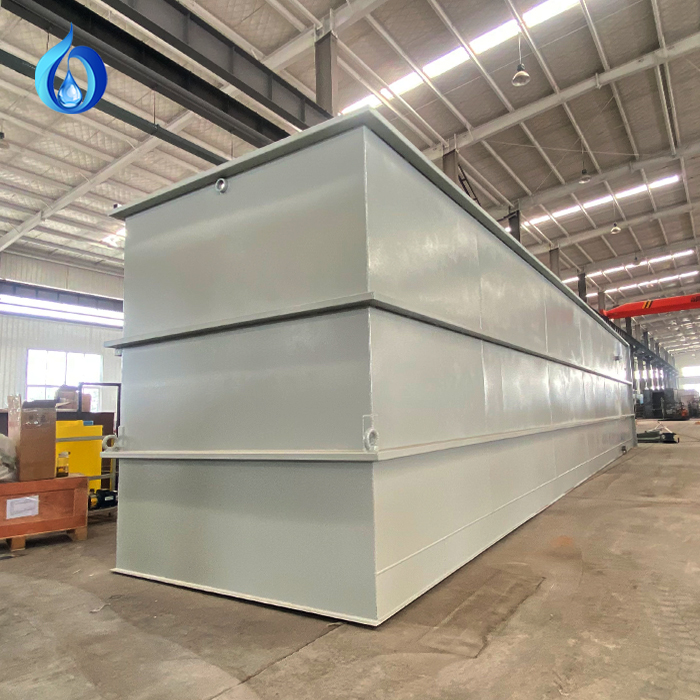
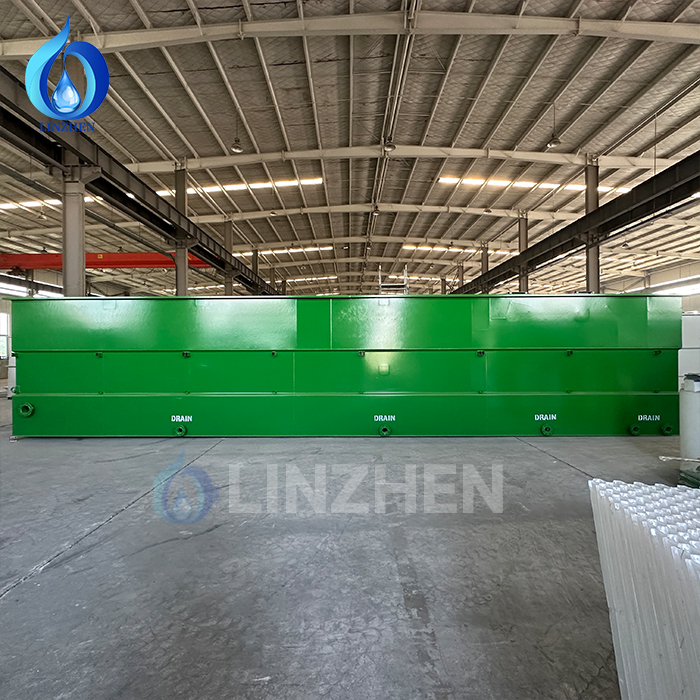
When wastewater treatment facilities face spatial constraints, the choice between traditional clarification equipment becomes critical. A lamella clarifier offers a compelling alternative to conventional round basin systems, especially when plant room space is limited. The fundamental difference lies in how each technology approaches sedimentation and treatment efficiency within confined areas.
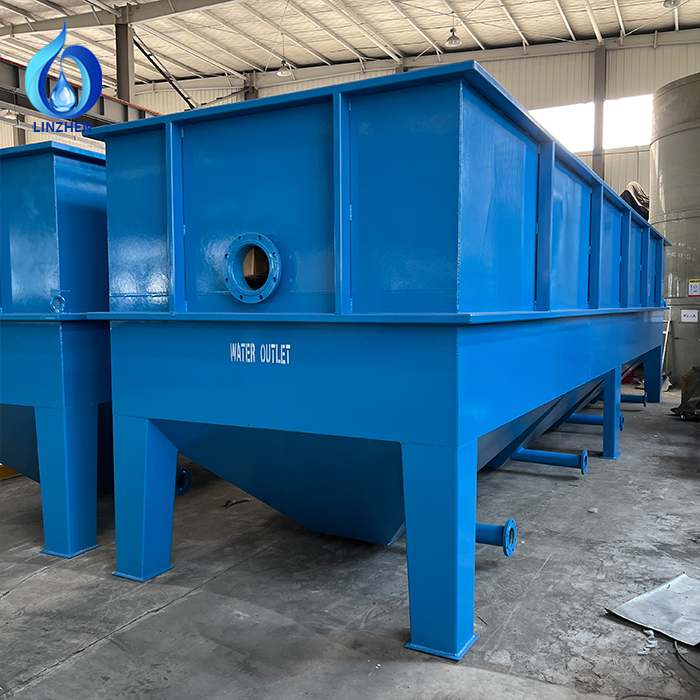
Industrial and municipal water treatment plants increasingly recognize that a lamella clarifier delivers superior performance metrics in constrained environments. This technology enables facilities to maintain or improve treatment capacity without requiring extensive plant expansion, making it an economically practical solution for modernization projects where real estate is expensive or unavailable.
Understanding the Space Efficiency Advantage
Footprint Reduction Through Plate Technology
A lamella clarifier achieves its compact footprint by stacking parallel inclined plates within a single chamber. Rather than relying on a large circular or rectangular basin where particles must settle across a substantial surface area, a lamella clarifier multiplies the effective settling surface by incorporating hundreds of plates arranged at shallow angles. This stacked configuration dramatically reduces the horizontal floor space required while maintaining or exceeding the treatment capacity of a traditional round basin of similar performance specifications.
The engineering principle behind a lamella clarifier is elegantly simple: the inclined plates create numerous mini-settling zones, allowing suspended solids to consolidate faster and occupy less area. When plant room space is limited, this density of treatment capacity per square meter becomes the decisive factor in equipment selection. A lamella clarifier typically occupies 40 to 60 percent less ground area than an equivalent round basin while handling the same volumetric flow rate or higher.
Vertical Optimization and Installation Flexibility
Beyond horizontal footprint, a lamella clarifier leverages vertical space more efficiently than round basin designs. While both technologies require adequate depth for sludge accumulation and clarified water withdrawal, a lamella clarifier concentrates its treatment mechanism within a narrower cross-section. This vertical efficiency means facilities can sometimes install a lamella clarifier in areas where a round basin would physically not fit, even if vertical clearance exists above the tank.
Installation flexibility is another advantage when space is limited. A lamella clarifier can be designed as a modular system or positioned in irregular plant layouts where round basin geometry would create dead zones or inefficient arrangements. Piping, control systems, and sludge removal mechanisms for a lamella clarifier are often more concentrated, reducing the sprawl of associated infrastructure that typically surrounds larger round basin installations.
Treatment Performance in Compact Configuration
Enhanced Settling Rates and Turbidity Removal
A lamella clarifier achieves faster settling rates because particles encounter the inclined plates almost immediately upon entering the treatment chamber. In a round basin, particles must traverse the full horizontal distance to reach the sludge cone at the bottom, which increases residence time and requires a larger surface area. The lamella clarifier design shortens this path through multiple settling trajectories, enabling particles to consolidate and sink within shorter timeframes. This results in lower turbidity in the effluent and better solids removal efficiency, even in physically smaller installations.
The parallel plate geometry of a lamella clarifier also reduces turbulence and short-circuiting, common problems in round basin systems. When flow enters a round basin, the wide open space can cause water to rush across without allowing sufficient contact time between the liquid and settling solids. A lamella clarifier's internal structure naturally guides flow through the plate matrix, ensuring more complete utilization of the treatment volume. For facilities with variable influent conditions or challenging wastewater characteristics, this performance consistency becomes invaluable when space constraints prevent oversizing equipment for safety margin.
Handling Seasonal and Peak Load Variations
Treatment plants often experience seasonal flow fluctuations or peak events that stress clarification capacity. A lamella clarifier's design allows operators to adjust flow distribution across the plate stack or modify operating parameters to accommodate temporary surges without sacrificing effluent quality. A round basin offers less operational flexibility; once sized, it has fixed capacity boundaries. In compact facilities where additional round basin installation is infeasible, a lamella clarifier provides operators with a more adaptable solution that maintains performance during demand variations.
Cost and Operational Advantages Beyond Space
Capital and Retrofit Economics
The economic case for selecting a lamella clarifier over a round basin extends beyond spatial efficiency. When retrofitting existing treatment plants with limited available space, constructing a new round basin often requires expensive site preparation, structural modifications, or partial decommissioning of adjacent equipment. A lamella clarifier installation frequently involves less civil work because the smaller footprint minimizes disruption to existing plant layouts. The capital savings from reduced excavation, foundation preparation, and building modifications often justify the lamella clarifier investment independently of space constraints.
For new greenfield installations where space is premium real estate, a lamella clarifier reduces overall site acquisition and development costs. This economic advantage accumulates across the project lifecycle, making a lamella clarifier the financially prudent choice in land-constrained regions or urban environments where property costs are significant.
Maintenance and Operational Reliability
A lamella clarifier typically requires less frequent tank cleaning than larger round basin systems because solids consolidate more efficiently within the plate matrix. The concentrated sludge management reduces disposal costs and simplifies dewatering operations. Maintenance personnel can access plate cleaning or replacement procedures more readily in the compact configuration of a lamella clarifier compared to descending into the massive cavities of a round basin.
Automation and monitoring systems for a lamella clarifier tend to be more straightforward because the control points are physically closer and easier to instrument. Operators can respond to process upsets more quickly, and troubleshooting equipment malfunctions becomes faster when the lamella clarifier's engineering is intrinsically simpler than the distributed systems found in large round basin installations.
FAQ
Can a lamella clarifier truly replace an existing round basin system without capacity loss?
Yes, a properly sized lamella clarifier can equal or exceed the treatment capacity of the original round basin while occupying significantly less floor space. However, capacity must be matched during the design phase, considering flow rate, influent characteristics, and desired effluent quality. A lamella clarifier is intentionally engineered to concentrate treatment performance, so accurate hydraulic sizing is essential. Professional evaluation ensures the lamella clarifier meets or surpasses your facility's specific requirements.
What happens if a lamella clarifier plate becomes damaged or fouled?
The lamella clarifier design allows individual plates or sections to be accessed and cleaned or replaced without draining the entire vessel in most configurations. High-pressure water jets or mechanical scrapers can remove biofilm and scale accumulation. If a plate is structurally damaged, it can typically be removed and replaced as a modular component. The specifics depend on the lamella clarifier manufacturer's design, but modular accessibility is a significant operational advantage compared to the labor-intensive processes required for round basin maintenance.
Are there any wastewater types where a lamella clarifier performs poorly?
A lamella clarifier functions effectively for most conventional wastewater applications, including municipal treatment, industrial process water, and stormwater management. However, highly viscous influents, extremely fine colloids requiring long residence times, or applications requiring extended sludge storage may require longer design residence times that could offset some space benefits. Consulting with treatment specialists ensures a lamella clarifier is matched appropriately to your specific water quality challenges before installation.
 EN
EN