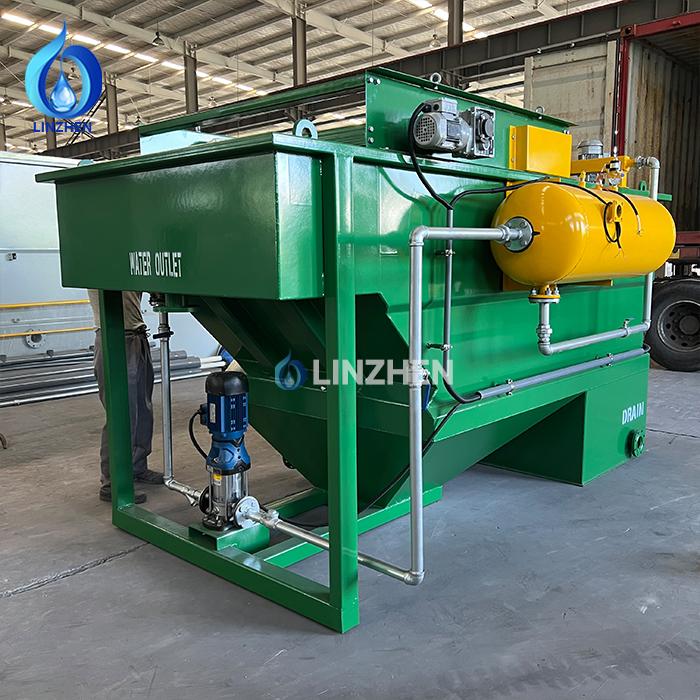
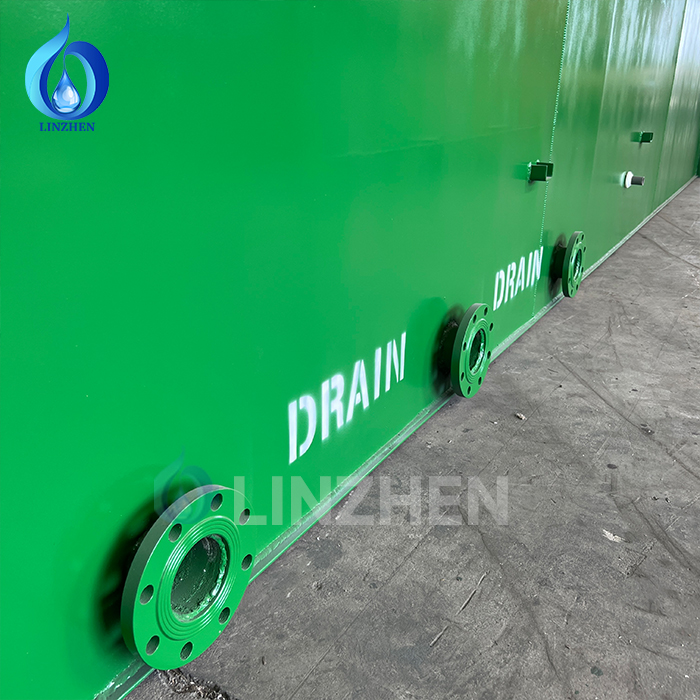
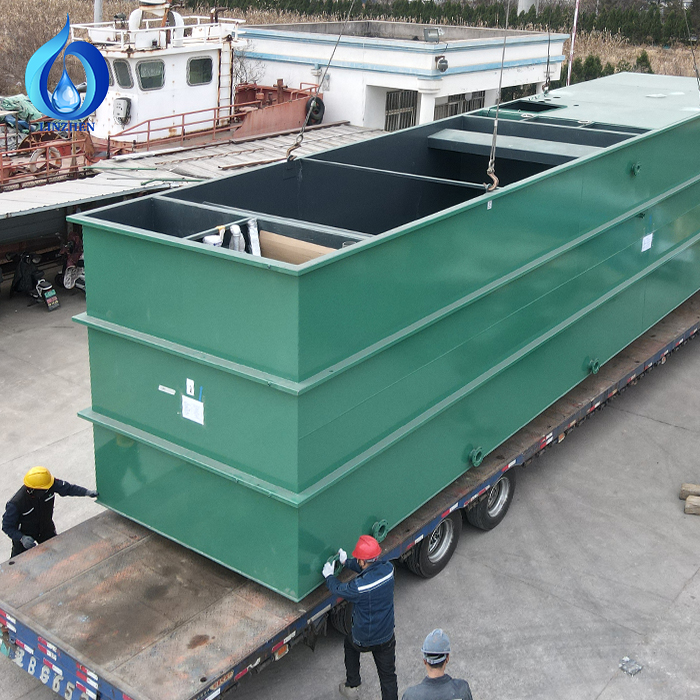
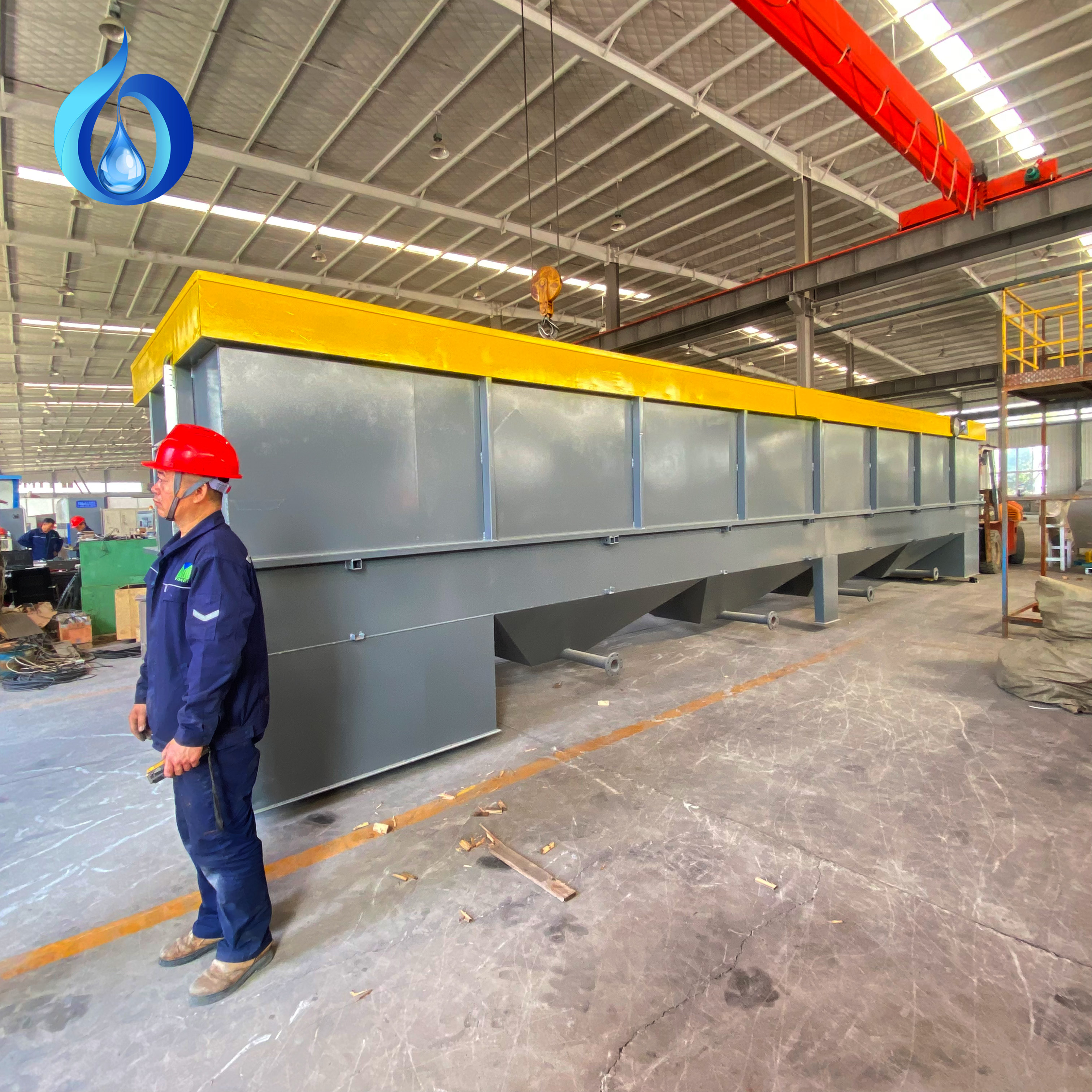
Factory wastewater often contains stubborn contaminants like oil, grease, and suspended solids that resist conventional settling. Dissolved air flotation has become a critical technology in industrial water treatment because it uses engineered physics to lift these contaminants to the surface where they can be skimmed away. This method works fundamentally differently from gravity-based settling, making it ideal for separating light oils, emulsified compounds, and fine solids that would otherwise remain suspended in water.
Understanding how dissolved air flotation works reveals why it performs so effectively in food processing, petroleum, chemical manufacturing, and wastewater reclamation. The system relies on precise control of air saturation, bubble nucleation dynamics, and the optimal air to solids ratio to create conditions where contaminants attach to microscopic bubbles and rise as a concentrated sludge layer. This article explains the core mechanisms that make this separation possible and the operational factors that determine treatment success.
The Core Mechanism of Bubble Nucleation Process
How Dissolved Air Creates Separation
The foundation of effective dissolved air flotation treatment lies in how air becomes dissolved in water under pressure and then released as tiny bubbles. In the saturation chamber, pressurized water absorbs air molecules at a molecular level, creating a supersaturated solution. When this pressure suddenly decreases as water enters the flotation tank, the dissolved air comes out of solution as micro-bubbles, typically 20 to 100 micrometers in diameter. These extremely small bubbles have enormous surface area relative to their volume, making them highly effective at capturing oil droplets and suspended particles.
Bubble Nucleation Process in Action
The bubble nucleation process begins when pressurized, air-saturated water passes through a pressure reduction valve into the flotation chamber. The sudden depressurization causes dissolved air to expand and nucleate around suspended particles, creating bubble-particle aggregates. These aggregates become buoyant and float upward, concentrating at the surface where a skimmer removes the sludge. The bubble nucleation process is remarkably efficient because the bubbles form directly on particle surfaces rather than displacing particles through pure buoyancy, creating stronger attachment and faster separation rates compared to larger, conventionally generated air bubbles.
Saturation Pressure Control and Air to Solids Ratio
Optimizing Saturation Pressure Control
Achieving optimal saturation pressure control is essential for consistent dissolved air flotation performance. The saturation chamber operates at pressures typically between 40 and 60 pounds per square inch, depending on the target air concentration and influent characteristics. Higher saturation pressures dissolve more air into the recycle stream, but excessive pressure increases energy costs without proportional treatment gains. Operators must balance saturation pressure to match the specific air to solids ratio required by their waste stream, as different contaminant loads and particle sizes demand different air quantities for optimal separation.
Managing Air to Solids Ratio for Maximum Efficiency
The air to solids ratio represents the mass of air supplied relative to the mass of suspended solids and oil present in the influent. Most industrial applications require an air to solids ratio between 0.02 and 0.1, meaning 0.02 to 0.1 kilograms of air per kilogram of contaminant. Ratios below 0.02 produce insufficient bubble attachment, while ratios above 0.1 waste air and increase operational costs. Calculating the correct air to solids ratio involves analyzing the influent solids concentration, oil content, particle size distribution, and specific gravity of contaminants. Process control systems continuously adjust saturation pressure control and recycle flow rates to maintain the target air to solids ratio across varying inlet conditions, ensuring the flotation tank consistently removes target contaminants.
Surface Loadings and Flotation Tank Design Impact
How Surface Loading Affects Separation
Surface loading, measured in gallons per minute per square foot of flotation tank area, directly influences how effectively the dissolved air flotation system performs. Typical surface loadings range from 2 to 4 gpm per square foot, allowing sufficient residence time for bubble-particle aggregates to form and rise. Higher surface loadings accelerate through-flow but reduce contact time between bubbles and particles, increasing carryover of incompletely separated oil and solids. The optimal surface loading depends on the specific waste stream characteristics, the bubble nucleation process efficiency, and the required outlet water quality. Undersized flotation tanks operate at excessive surface loadings and produce poor separation, while oversized tanks increase capital cost without proportional treatment improvement.
Sludge Removal and Continuous Operation
As flotation sludge accumulates at the water surface, mechanical skimmers continuously remove this concentrated layer, which may contain 3 to 8 percent solids compared to influent concentrations of 0.5 to 2 percent. This sludge concentration improves downstream dewatering efficiency and reduces disposal costs. The saturation pressure control system maintains consistent bubble generation throughout the residence time, ensuring sludge flotation occurs across the entire tank width. Dissolved air flotation tanks typically operate 24 hours daily without interruption, with only periodic maintenance to calibrate air saturation sensors, inspect skimmer blades, and verify saturation pressure control valve function.
FAQ
Why does dissolved air flotation work better than conventional settling for oil removal?
Dissolved air flotation actively lifts oil and light solids toward the surface using microscopic bubbles, whereas conventional settling relies on gravity to pull heavy particles downward. Oil, which has lower density than water, would not settle at all using gravity-based methods. The bubble nucleation process creates attachment between gas and contaminants that reverses the settling behavior, making flotation ideal for emulsified oils and suspended solids that remain suspended indefinitely in gravity tanks.
How does saturation pressure control affect treatment cost?
Saturation pressure control directly impacts energy consumption because higher pressures require more compressor power to dissolve air into water. Excessive saturation pressure increases operating costs without improving the air to solids ratio beyond what the influent actually requires. Operators optimize saturation pressure control to the minimum level that achieves the necessary dissolved air concentration, balancing treatment performance against energy expenditure and extending equipment service life.
What waste streams benefit most from dissolved air flotation systems?
Food processing facilities, petroleum refineries, chemical manufacturing plants, and municipal wastewater treatment systems all rely on dissolved air flotation to handle waste streams containing emulsified oils, grease, suspended solids, and biological matter. Any industrial process generating wastewater with buoyant contaminants, light oils, or fine suspended particles that resist gravity settling benefits from dissolved air flotation technology. The air to solids ratio and bubble nucleation process enable treatment of difficult waste streams that conventional methods cannot adequately clarify.
 EN
EN