 EN
EN
Why do factories need their own wastewater treatment plant on site?
2026/08/25
Why factories need an onsite wastewater treatment plant: maintain compliance, cut surcharges, enable water recycling, and protect operations.
2026/08/13
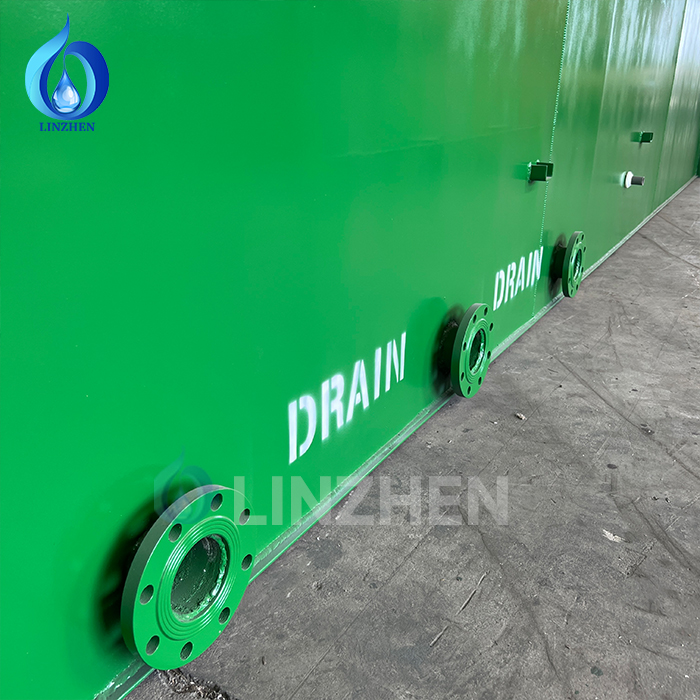
The textile dyeing industry generates enormous volumes of contaminated wastewater daily, making the adoption of a wastewater recycling system no longer optional but essential. Dye houses face mounting regulatory pressure, rising water costs, and increasing stakeholder demands for environmental responsibility. A closed-loop wastewater recycling system transforms contaminated discharge into reusable process water, dramatically reducing both environmental impact and operational expenses. The time to implement this technology is now, as regulatory frameworks tighten worldwide and competitive advantage belongs to mills that lead in sustainability.
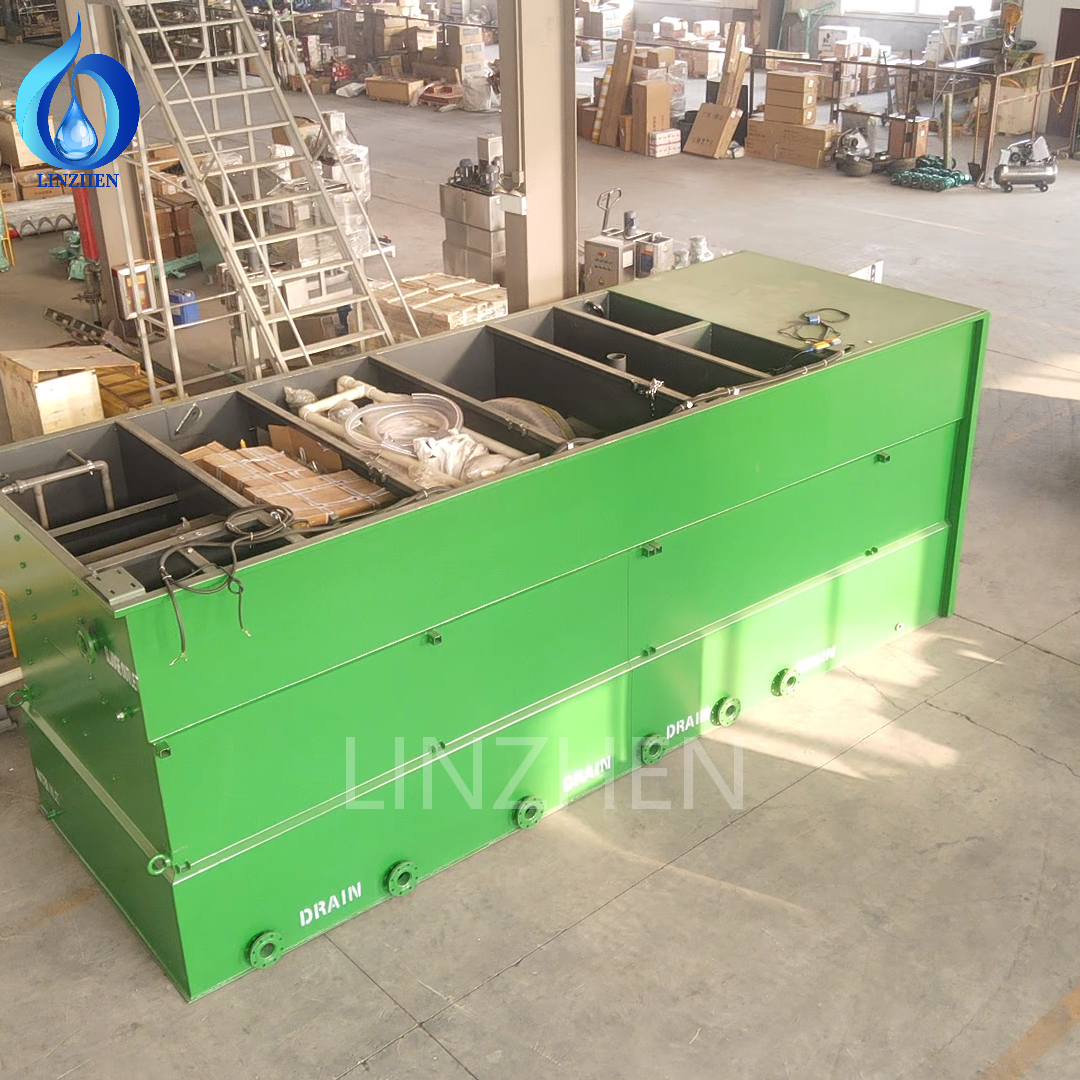
Dye houses that delay implementing a wastewater recycling system risk falling behind competitors who have already captured supply chain advantages and reduced their carbon footprint. Early adopters of closed-loop wastewater recycling systems report substantial water savings, lower treatment costs, and improved compliance records that strengthen relationships with major retailers and brands increasingly demanding transparency. This article explores the compelling financial, regulatory, and operational reasons why dye houses must prioritize wastewater recycling system investment immediately.
Global environmental regulations governing textile wastewater discharge have become significantly stricter over the past five years. Agencies across Europe, Asia, and North America now mandate wastewater recycling system adoption as a condition of operational licensing. Many jurisdictions have eliminated indefinite discharge permits, requiring dye houses to demonstrate measurable water reduction or face substantial fines and production shutdowns. A wastewater recycling system directly addresses these regulatory requirements by capturing and treating water internally, reducing discharge volume by up to 80 percent and ensuring consistent compliance with color, pH, and chemical residue standards.
Non-compliance with wastewater discharge regulations carries penalties ranging from thousands to millions of dollars depending on jurisdiction and violation severity. Beyond fines, regulatory action can result in temporary or permanent operational suspension, making a wastewater recycling system a critical risk mitigation investment. Dye houses operating without this system face escalating scrutiny from environmental agencies, customer audits, and sustainability rating organizations. Installing a wastewater recycling system proactively eliminates these liabilities and provides documented proof of environmental stewardship that strengthens licensing relationships and reduces inspection frequency.
Dyeing operations consume approximately 100 to 150 liters of water per kilogram of fabric processed, making water availability and cost major operational constraints. A wastewater recycling system captures treated water and returns it to the dyeing process, reducing fresh water intake by 50 to 80 percent depending on system design and application. In water-stressed regions, this reduction directly translates to lower municipal water bills and reduced dependence on expensive groundwater extraction permits. Dye houses implementing a wastewater recycling system typically recover initial capital investment within three to five years through water cost savings alone, with payback accelerating in areas experiencing water scarcity premiums or seasonal supply restrictions.
Municipal wastewater treatment agencies charge dye houses based on discharge volume and contamination levels, creating double incentive to reduce output through a wastewater recycling system. By treating wastewater internally and recycling it, dye houses eliminate most discharge fees, capturing savings immediately. A wastewater recycling system also reduces the cost burden associated with transporting and disposing of concentrated sludge at specialized facilities. These combined operational savings create substantial annual budget relief, allowing capital previously allocated to water expenses to be redirected toward equipment upgrades, workforce development, or margin improvement.
Major apparel brands and retailers now require their supply chain partners to implement water conservation measures, including wastewater recycling system adoption, as a contract condition. Brands such as those serving outdoor, athletic, and premium segments increasingly screen suppliers based on environmental certifications and water efficiency metrics. Dye houses equipped with a wastewater recycling system can proudly communicate water savings to customers, strengthen tendering proposals, and access premium market segments with higher margins and more stable volumes. This competitive positioning advantage has become essential as purchasing committees prioritize environmental performance alongside quality and cost.
Climate variability, population growth, and agricultural competition are intensifying water stress in textile manufacturing regions globally. Dye houses that rely primarily on fresh water sources face growing supply uncertainty, rate volatility, and potential rationing during drought periods. Installing a wastewater recycling system provides operational independence and resilience by making the facility largely self-sufficient for process water. This independence eliminates production risk from external water supply disruptions, protecting revenue continuity and customer commitments. Early investment in a wastewater recycling system positions mills as reliable, sustainable partners capable of maintaining stable delivery schedules regardless of regional water availability fluctuations.
Recovery timelines for a wastewater recycling system investment typically range from three to seven years depending on local water costs, discharge fees, facility size, and system configuration. In regions with high municipal water rates or strict wastewater treatment surcharges, a wastewater recycling system may achieve payback within three to four years. After initial recovery, the system generates ongoing annual savings through reduced water consumption, lower discharge fees, and decreased chemical requirements. Additionally, many jurisdictions offer incentives, tax credits, or financing programs for wastewater recycling system installations, accelerating payback and improving financial returns further.
A well-designed wastewater recycling system typically recovers 50 to 80 percent of input wastewater volume for reuse in dyeing processes, with specific recovery rates depending on contaminant profiles and treatment objectives. Advanced systems combining multiple treatment stages can achieve even higher recovery rates by removing dissolved solids and chemical residues more completely. The recovered water from a wastewater recycling system meets or exceeds quality standards required for dyeing, reducing fresh water demand substantially. Residual concentrate from the wastewater recycling system is typically further concentrated through evaporation or crystallization, maximizing overall resource recovery efficiency.
Modern wastewater recycling systems are designed for industrial operation with automated controls and intuitive interfaces requiring standard operational training rather than specialized expertise. Most manufacturers provide comprehensive training programs, technical support, and remote monitoring capabilities that enable existing plant staff to manage the wastewater recycling system effectively. Initial setup and parameter optimization require technical guidance, but routine operation involves monitoring dashboards, adjusting setpoints, and performing routine maintenance similar to other plant equipment. Dye houses can implement a wastewater recycling system without hiring dedicated specialists by leveraging manufacturer support and training services provided as part of system commissioning.
2026/08/25
Why factories need an onsite wastewater treatment plant: maintain compliance, cut surcharges, enable water recycling, and protect operations.
2026/08/25
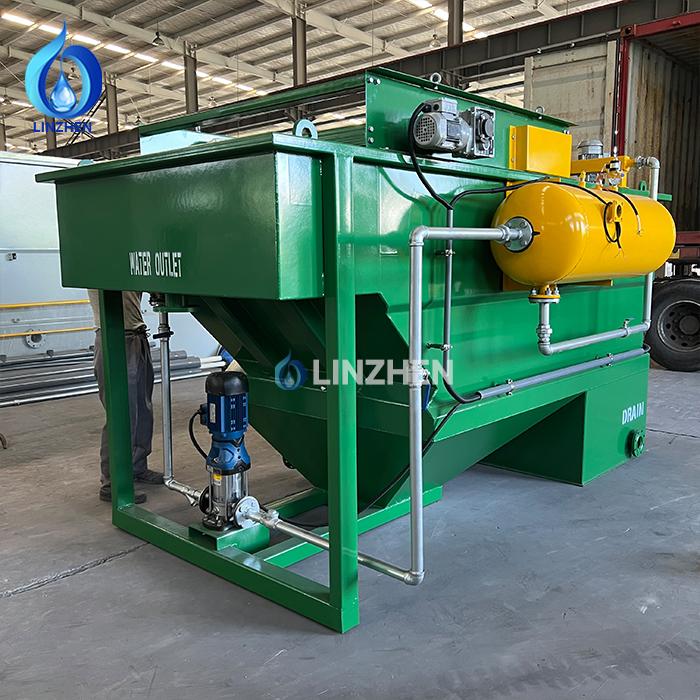
How does dissolved air flotation remove oil and solids from industrial water? Learn the physics of bubble nucleation, air-to-solids ratio, and saturation pressure control.
2026/08/25
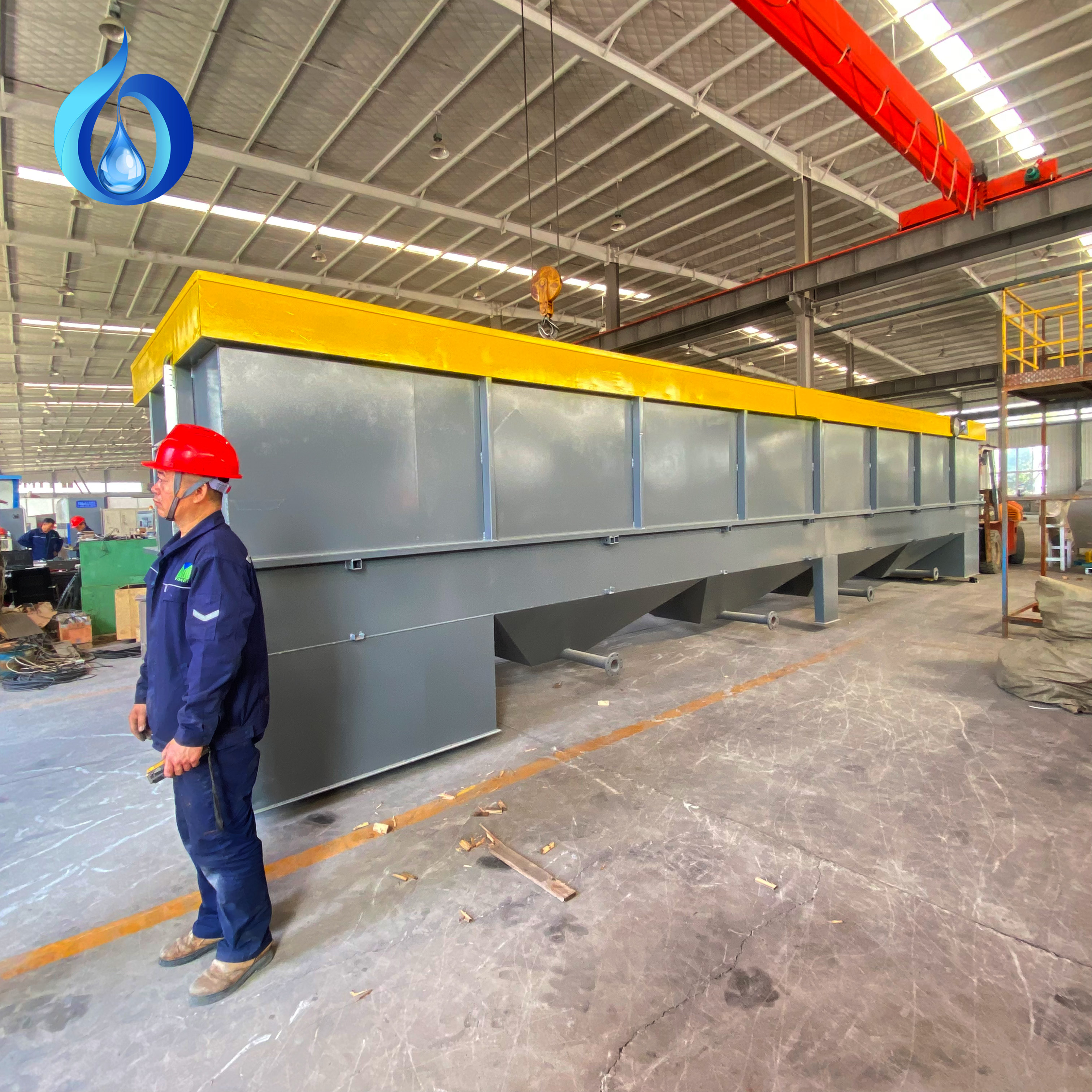
Can DAF handle high-flow textile wastewater? Discover how optimized air-to-solids ratio, saturation pressure control & bubble nucleation deliver 95% SS removal.
2026/08/25
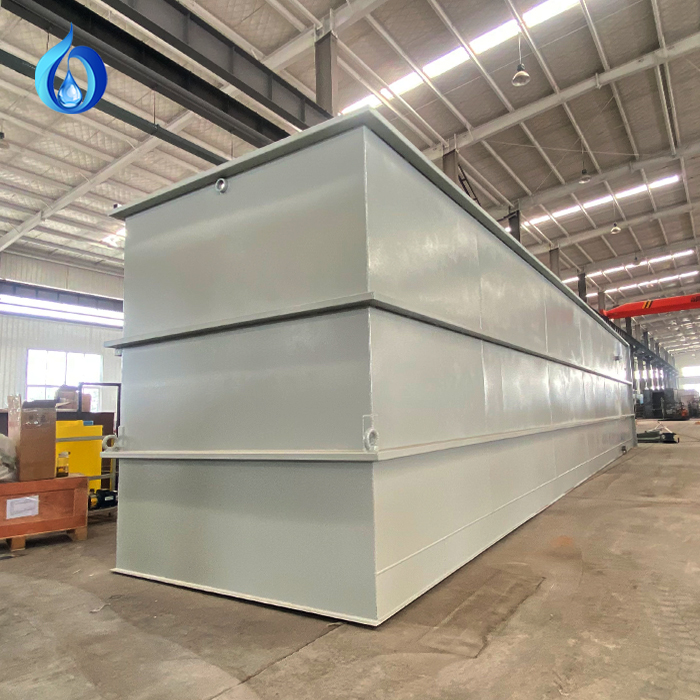
Can metal finishing plants reach zero discharge? Discover how industrial effluent treatment, testing, and water reuse ensure compliance.
2026/08/25
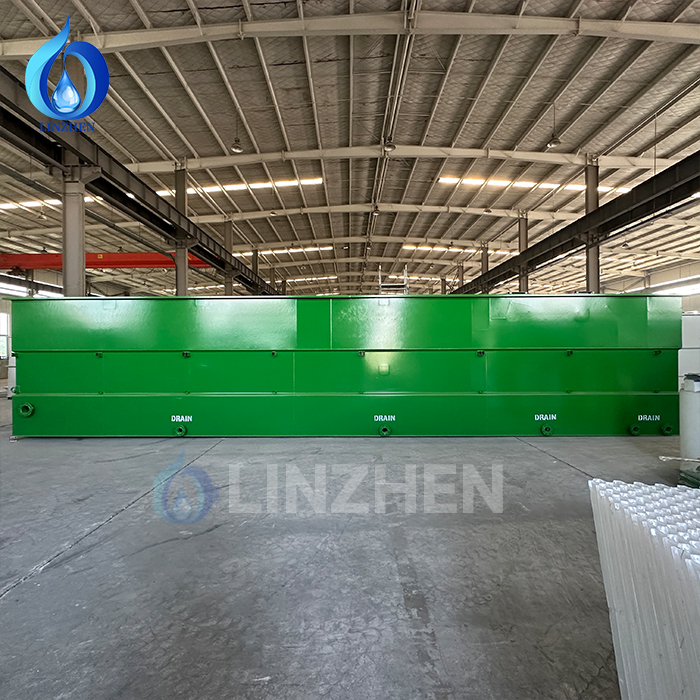
Struggling to decide between packaged or custom wastewater treatment? Compare flow fit, cost, timeline, compliance, and ROI—make the right choice for your facility.
