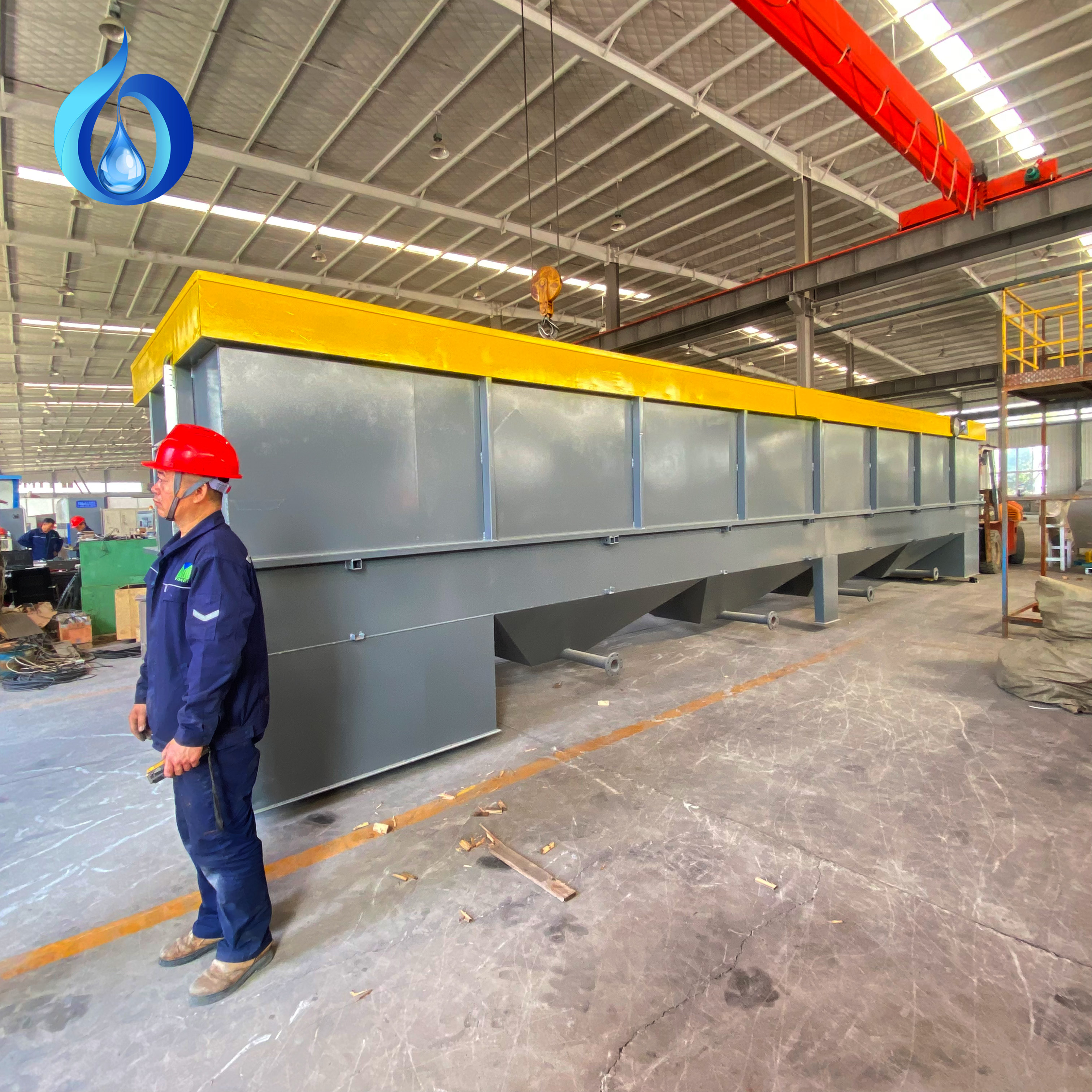
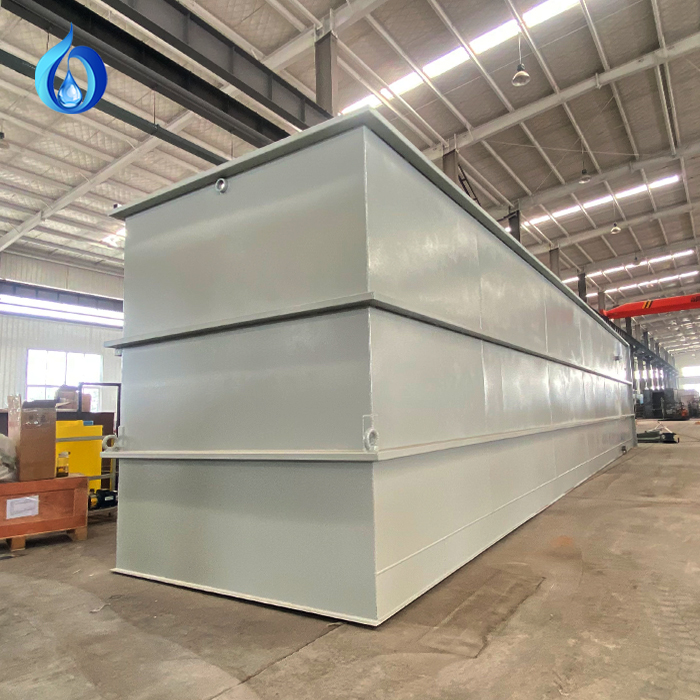
Selecting the right wastewater treatment system is a critical decision that directly impacts operational efficiency, regulatory compliance, and long-term cost effectiveness for industrial and municipal facilities. The choice between a packaged or a custom wastewater treatment system depends on several technical, financial, and logistical factors specific to your facility's requirements. Understanding the strengths and limitations of each approach enables you to make a decision aligned with your treatment goals and constraints.
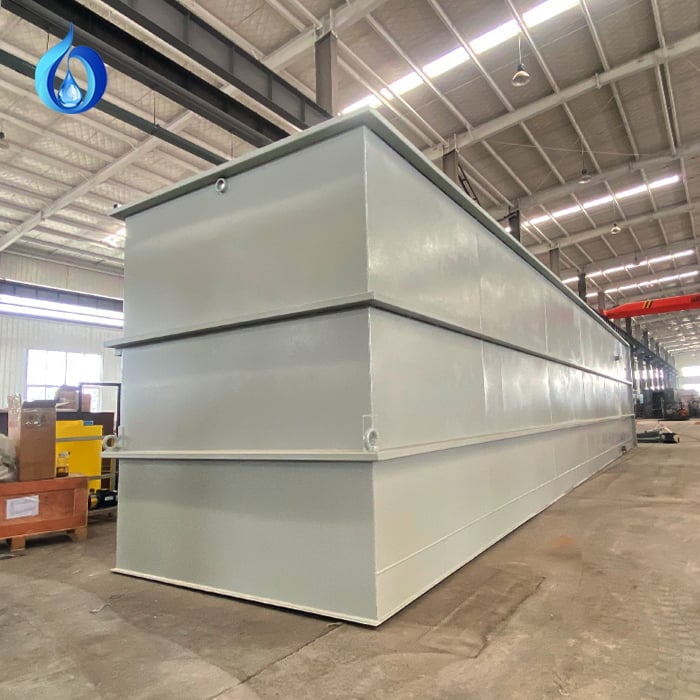
Packaged systems come pre-engineered with standardized components, while custom solutions are designed to match your site conditions and influent characteristics. Each model presents distinct advantages in installation speed, modularity, and performance. This guide walks you through the key evaluation criteria so you can confidently select the approach that best serves your operation.
Understanding Packaged and Custom Treatment Approaches
What Defines a Packaged Wastewater Treatment System
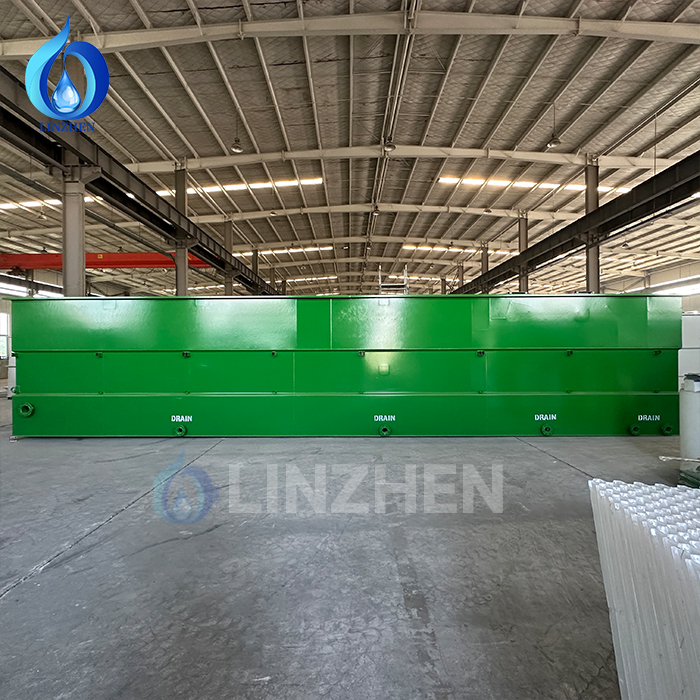
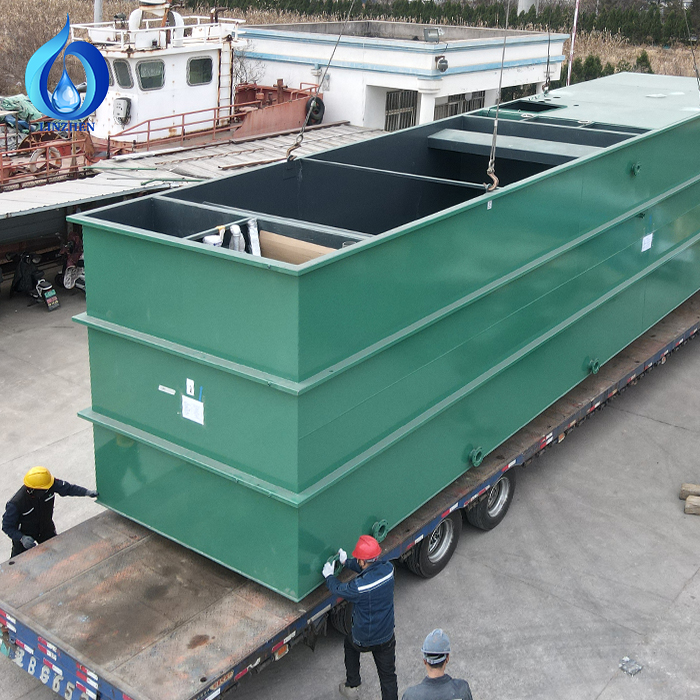
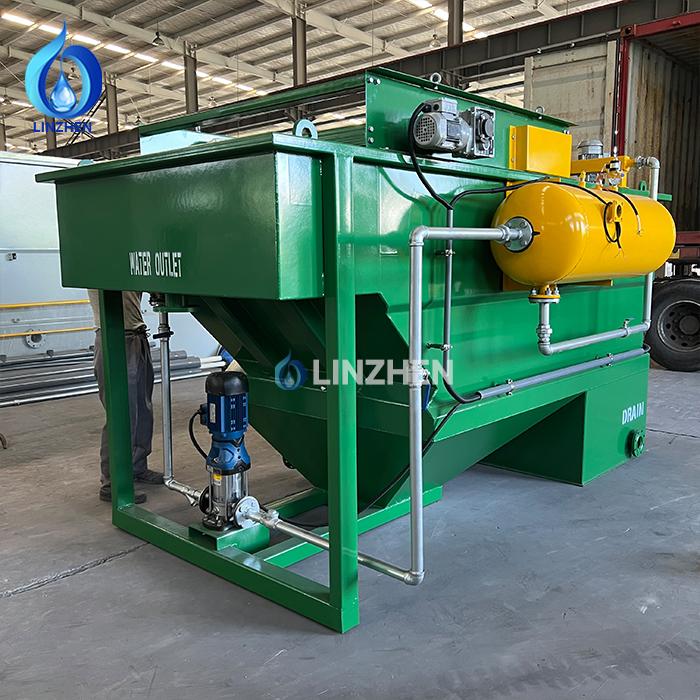
A packaged wastewater treatment system is a factory-built unit that combines multiple treatment stages into one integrated module. These systems typically include a biological treatment unit, physical separation stage, and chemical dosing module all assembled and tested at the manufacturer before delivery. Packaged systems are designed for rapid deployment, requiring minimal site-specific engineering and often allowing installation within weeks rather than months.
The standardized design of a packaged wastewater treatment system reduces on-site assembly complexity and provides predictable performance across similar applications. Common packaged solutions include sequential batch reactors, moving bed biofilm reactors, and membrane bioreactors configured for specific flow ranges. These units ship complete with instrumentation, electrical controls, and ancillary equipment, streamlining the commissioning process.
What Defines a Custom Wastewater Treatment System
A custom wastewater treatment system is engineered specifically for your facility based on detailed site assessment, influent characterization, and regulatory requirements. This approach involves professional design consultation to select the optimal combination of treatment technologies, sizing calculations for your exact flow rate, and configuration tailored to available space and utility connections. Custom systems demand longer lead times for engineering and fabrication but deliver solutions precisely matched to your operational needs.
Custom systems leverage flexibility in selecting individual treatment modules, including specialized biological treatment unit configurations, redundant physical separation stage options, and scaled chemical dosing module capacity. This tailored approach proves particularly valuable for facilities with complex influent streams, variable flow patterns, or stringent discharge standards.
Key Selection Criteria for Packaged Systems
Flow Range Alignment and Modularity Benefits
Packaged systems excel when your facility's flow rate falls within the manufacturer's design range, typically between 5 and 500 cubic meters per day for standard commercial models. If your current and projected future flows fit this envelope, a packaged wastewater treatment system minimizes design delays and capital expenditure. Modular packaged units allow adding parallel trains as your facility grows, enabling capacity expansion without complete system replacement.
Installation advantages include fast factory testing, simplified electrical integration, and reduced risk of design flaws. Packaged systems also appeal to smaller municipalities and treatment facilities with limited in-house engineering resources, as they arrive ready for connection to influent and effluent lines.
Cost and Timeline Advantages
Packaged systems typically cost 20 to 40 percent less than equivalent custom installations because manufacturing standardization reduces engineering hours and production overhead. Installation timelines for a packaged wastewater treatment system average 4 to 8 weeks from delivery to operational status, compared to 12 to 24 weeks for custom designs. Faster deployment means earlier compliance achievement and quicker return on investment, making packaged solutions attractive for time-sensitive projects.
Key Selection Criteria for Custom Systems
Complex Influent Characteristics and Treatment Intensity
Custom design becomes necessary when influent contains high suspended solids, elevated organic loads, variable chemical composition, or hazardous constituents requiring specialized treatment. A custom wastewater treatment system allows engineers to specify tailored biological treatment unit configurations, such as membrane-enhanced reactors or anaerobic pre-treatment stages, that packaged models cannot accommodate. When regulatory discharge standards demand removal percentages exceeding 95 percent for specific pollutants, custom multi-stage treatment with redundant physical separation stage components ensures compliance.
Industrial facilities generating process wastewater with fluctuating composition, pharmaceutical manufacturers handling trace organics, or food processing plants with high biochemical oxygen demand all benefit from custom engineering that matches treatment intensity to actual waste characteristics.
Space Constraints and Site-Specific Integration
When available land is limited or existing infrastructure imposes constraints, custom design optimizes the footprint by selecting vertical reactor arrangements, compact membrane technologies, or innovative chemical dosing module configurations that fit your site plan. Underground installation, layered tank construction, or integration with existing treatment basins becomes feasible through custom engineering. A custom wastewater treatment system addresses site drainage, utility connections, and environmental integration challenges that generic packaged units cannot flexibly accommodate.
Custom systems also adapt to challenging climates, seismic zones, or locations requiring specialized foundation designs. Engineering consultation ensures your treatment infrastructure withstands local environmental pressures and regulatory requirements.
Practical Decision Framework
Assessing Your Facility's Readiness
Begin by measuring your influent flow rate, characterizing suspended solids and organic content, and confirming discharge permit requirements. If your flow falls between 10 and 300 cubic meters daily and influent composition remains relatively stable, a packaged wastewater treatment system likely offers sufficient performance at lower cost. Request preliminary sizing calculations from packaged system vendors to validate fit.
For flow rates outside the standard range, influent with known contaminants, or discharge standards exceeding typical municipal targets, engage a treatment engineer to evaluate custom design feasibility. Custom engineering costs 5,000 to 25,000 dollars depending on complexity, but prevent far costlier operational failures or regulatory penalties.
Balancing Lifecycle Economics
Compare total cost of ownership over 10 to 15 years, including capital investment, operational energy and chemical expenses, maintenance labor, and potential upgrades. Packaged systems simplify staffing because controls and procedures remain standardized across similar units, reducing training burden. Custom systems may demand specialized operator knowledge but often achieve lower chemical and energy consumption through optimized treatment pathways.
Request performance guarantees and warranty terms from vendors. A packaged wastewater treatment system typically carries 2 to 5 year warranties, while custom installations often include 1 to 3 year performance guarantees. Evaluate replacement part availability and manufacturer support sustainability before committing to either approach.
FAQ
Can a packaged wastewater treatment system handle variable influent flow?
Most packaged systems tolerate flow variations of plus or minus 30 percent around the design capacity without significant performance degradation. However, if your facility experiences regular flow swings exceeding 50 percent, or if peak flows occur during predictable periods requiring temporary storage, specify a packaged system with oversized equalization or choose custom engineering that incorporates flow buffering tanks and adaptive aeration control.
What is the typical lifespan of a custom wastewater treatment system?
Well-engineered custom systems typically operate effectively for 15 to 25 years with proper maintenance, scheduled component replacement, and technology upgrades as needed. Concrete tanks last longer than mechanical components, which require replacement every 5 to 10 years. Investing in quality construction and selecting durable materials during design ensures your custom wastewater treatment system provides decades of reliable service.
How much more does a custom system cost compared to packaged alternatives?
Custom system costs typically run 30 to 60 percent higher than packaged systems of equivalent capacity due to engineering, site-specific fabrication, and installation complexity. However, avoided operational inefficiencies, energy savings from optimized treatment, and extended system lifespan often recover the premium within 8 to 12 years through lower operating expenses. Request lifecycle cost comparisons from both packaged and custom vendors to determine true economic advantage for your specific application.
 EN
EN