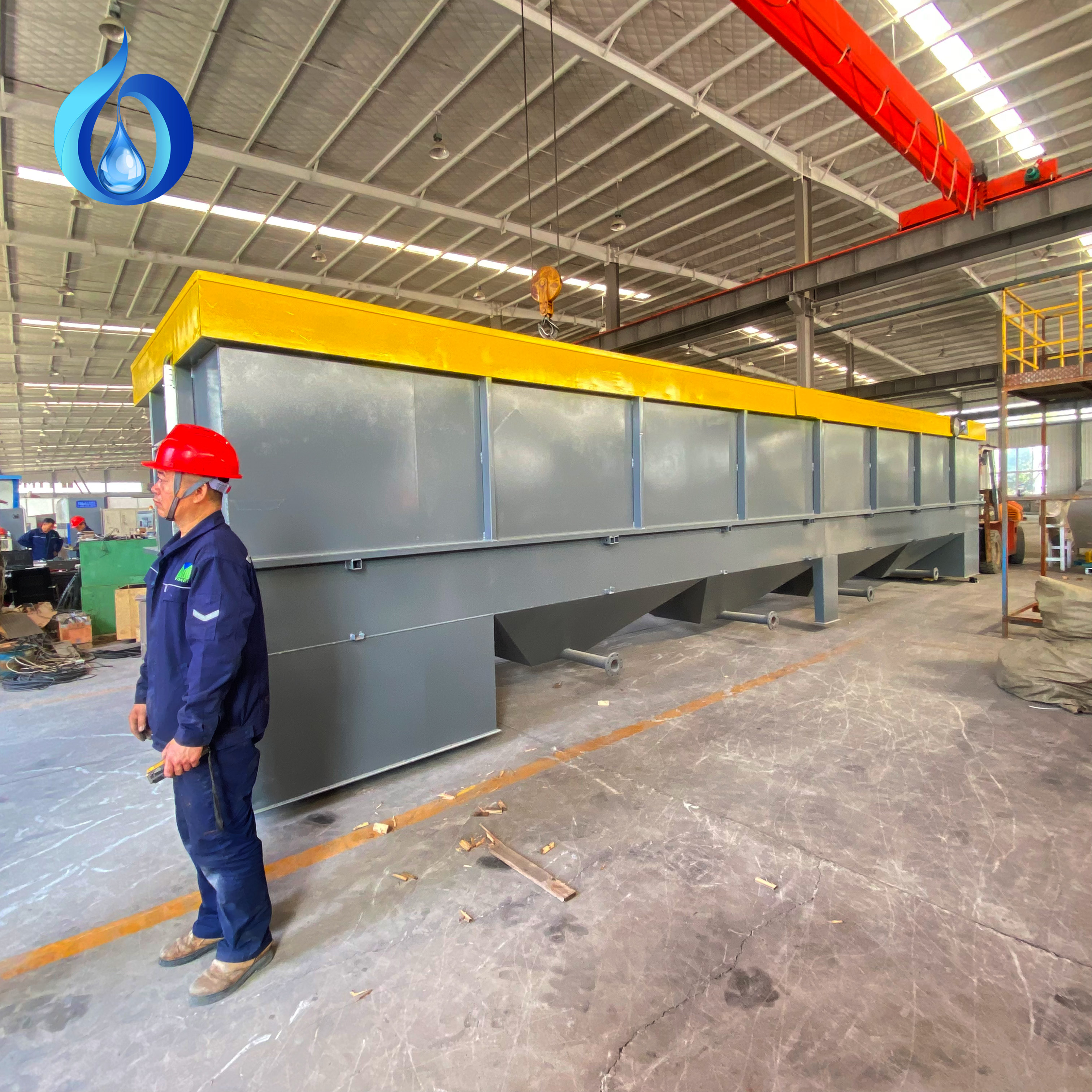
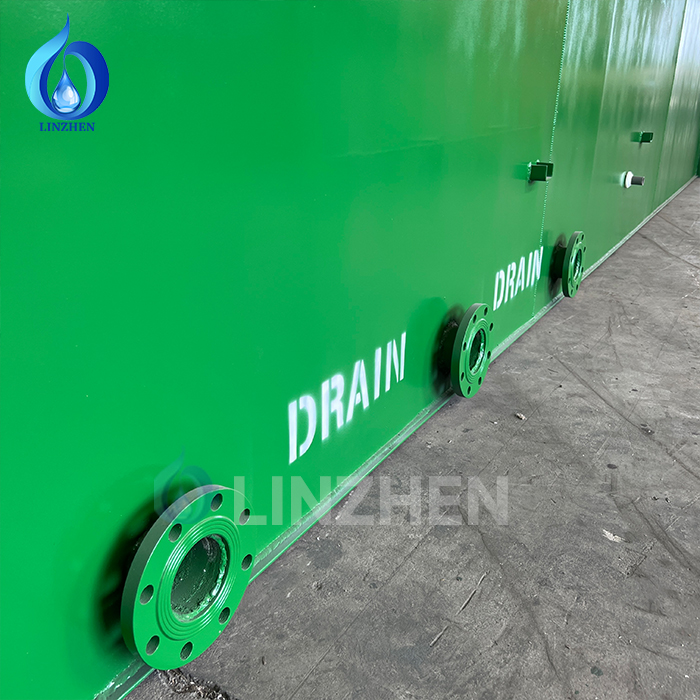
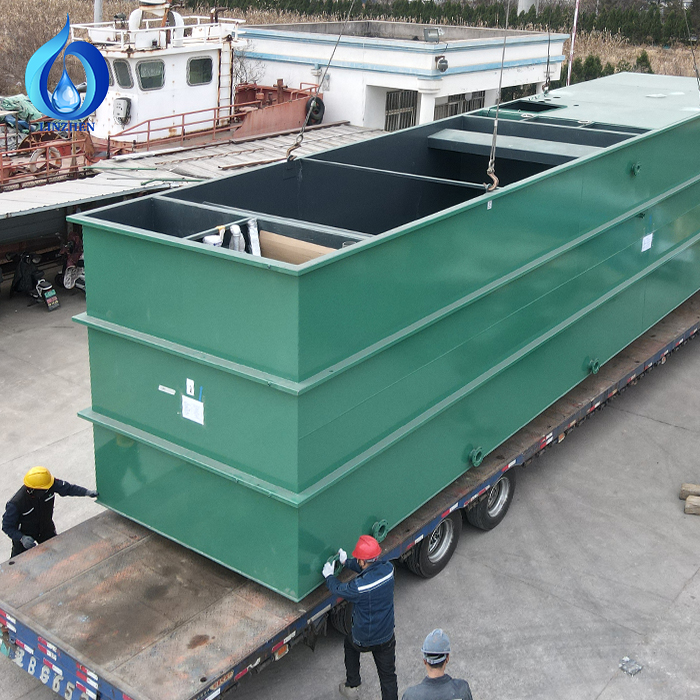
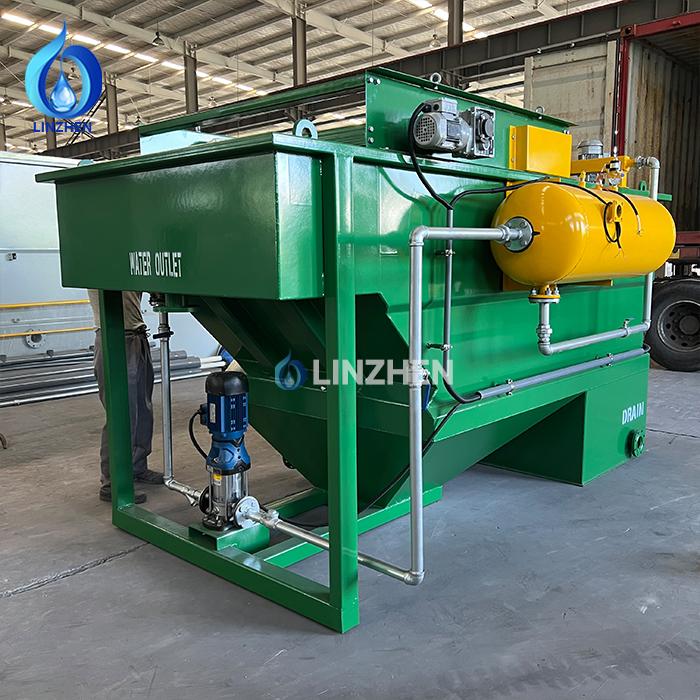
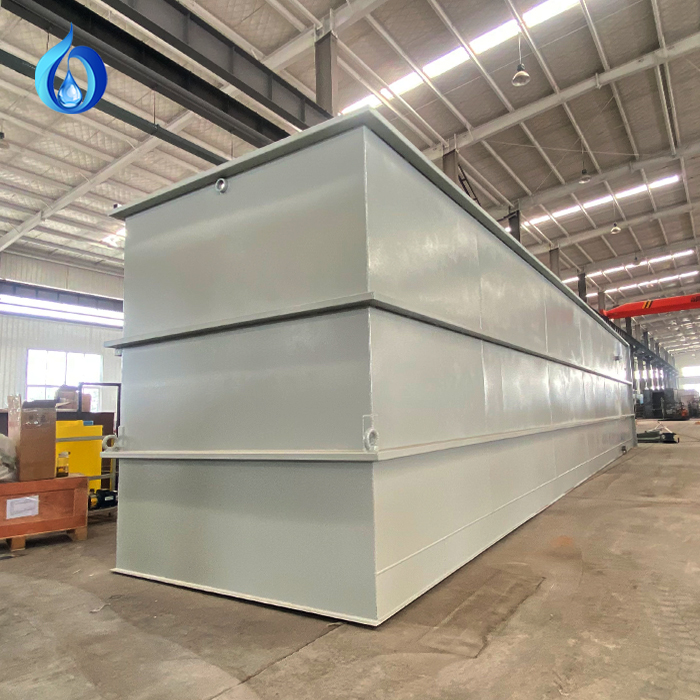
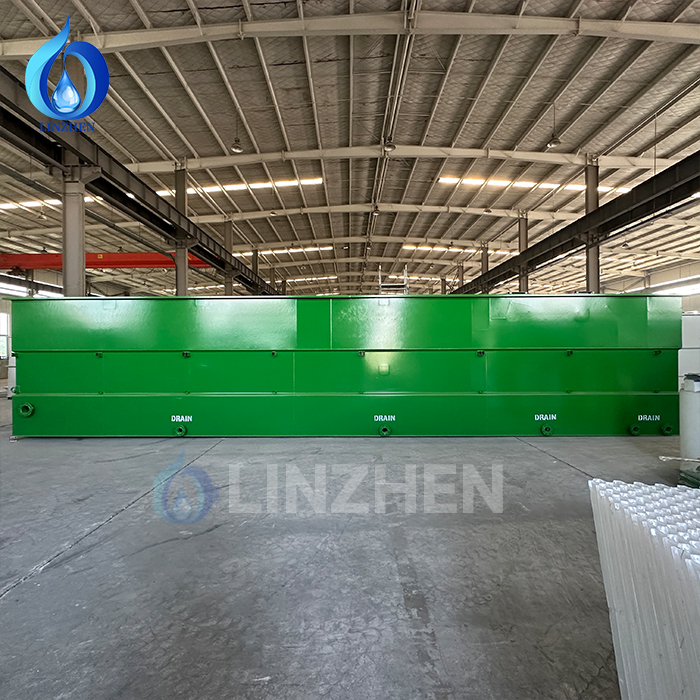
Textile dye houses generate enormous volumes of contaminated water daily, laden with complex dyes, suspended solids, oils, and chemical residues that pose significant environmental and regulatory challenges. Traditional primary treatment methods often struggle to handle the high flow rates and aggressive contamination profiles typical of industrial dyeing processes. Modern dissolved air flotation technology has emerged as a proven primary separation solution for this demanding application, offering rapid liquid-solid separation efficiency and the reliable capacity to process thousands of cubic meters daily while meeting stringent environmental discharge standards.
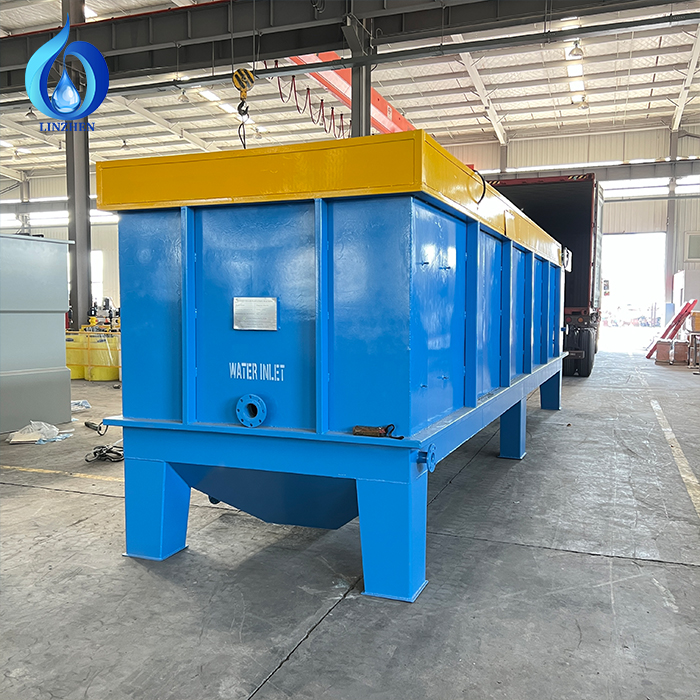
The overall operational success of high-capacity dissolved air flotation equipment in complex textile wastewater treatment depends on precise physical control over multiple operating parameters, particularly the calculated air to solids ratio, continuous saturation pressure control, and the micro-bubble generation dynamics of the primary bubble nucleation process. Understanding how these factors interact within a high-flow industrial dissolved air flotation system is essential for designing, installing, and operating clarification equipment that consistently achieves stringent effluent targets and long-term cost-effectiveness in high-volume industrial dye house environments.
Understanding Dissolved Air Flotation Fundamentals
Core Operating Principle of Dissolved Air Flotation
A industrial dissolved air flotation system works by injecting compressed air into recycled effluent streams under high pressure conditions, then releasing that pressurized liquid into a primary clarification basin where microscopic micro-bubbles form. These tiny bubbles physically attach to light suspended solids, emulsified oils, and colloidal contaminants, reducing their effective mass density so they rapidly float to the basin surface where a automatic mechanical skimmer collects them. In specialized textile wastewater treatment applications, this engineered dissolved air flotation method proves exceptionally effective at capturing insoluble dye molecules, synthetic pigment particles, and residual surfactants that conventional gravity settling units simply cannot remove efficiently. The calibrated air to solids ratio directly determines the total volume of micro-bubbles needed within the main dissolved air flotation basin to achieve target pollutant removal, with complex textile dye waste typically requiring tailored ratios based on incoming organic loading and flow velocity.
Why Textile Waste Demands Dedicated Dissolved Air Flotation
Textile dye house effluent possesses challenging physical and chemical characteristics that render standard municipal wastewater treatment equipment highly ineffective. High organic loads, synthetic surfactants, soluble color compounds, and fine suspended fibers create a complex liquid matrix requiring robust dissolved air flotation engineering. Because daily processing flows often reach 200 to 1000 cubic meters per hour, specialized heavy-duty textile wastewater treatment demands large-scale dissolved air flotation installations equipped with precise saturation pressure control modules and an optimized, continuous bubble nucleation process. Operating a heavy-duty dissolved air flotation plant ensures stable, long-term performance despite rapid, unexpected changes in raw feed water composition.
Critical Design Parameters for High-Flow Textile Applications
Saturation Pressure Control and System Stability in Dissolved Air Flotation
Maintaining rigorous automated saturation pressure control is fundamental to achieving continuous performance in a high-capacity dissolved air flotation plant handling raw textile dye waste. The specialized air saturation vessel pressurizes recycled water mixed with compressed atmospheric air to approximately 6 to 8 bar, dissolving air efficiently according to physical gas laws. When this air-supersaturated recycle stream enters the main dissolved air flotation separation tank, the sudden pressure drop triggers the primary bubble nucleation process, releasing millions of micro-bubbles within seconds. Maintaining effective saturation pressure control inside the dissolved air flotation infrastructure prevents overall system instability, while maintaining an ideal air to solids ratio during sudden variations in water temperature, hydraulic flow, and chemical loading.
Air to Solids Ratio Optimization in Dissolved Air Flotation
The air to solids ratio represents the exact mass ratio of dissolved air provided versus incoming total suspended solids entering the dissolved air flotation separation chamber. In industrial textile wastewater treatment, maintaining a precise, stable air to solids ratio prevents solids breakthrough and eliminates excessive energy consumption. If the air to solids ratio in a high-flow dissolved air flotation tank drops below optimal levels, insufficient micro-bubbles attach to suspended dye contaminants, significantly reducing clarification efficiency. Conversely, an excessively high air to solids ratio causes over-foaming and wastes compressor electricity. Operators fine-tune the air to solids ratio in the dissolved air flotation unit by adjusting recirculation pump flow and maintaining strict saturation pressure control throughout the operational cycle.
Implementation Success Factors in Industrial Textile Plants
Bubble Nucleation Process Precision in Dissolved Air Flotation Tanks
The micro-scale bubble nucleation process directly dictates overall flotation efficiency within a high-capacity dissolved air flotation clarification unit. As pressurized recycle water flows through specialized release valves into the dissolved air flotation basin, the bubble nucleation process generates ultra-fine micro-bubbles ranging from 10 to 100 microns in diameter. These small bubbles offer maximum contact surface area for capturing fine textile dyes and suspended organic particles. Ensuring a consistent bubble nucleation process across all distribution discharge nozzles allows the primary dissolved air flotation tank to process large flow rates without experiencing hydraulic short-circuiting or stagnant dead zones.
Practical Operational Considerations for Dissolved Air Flotation
Successfully operating a large industrial dissolved air flotation plant requires close chemical dosing coordination alongside reliable mechanical controls. Advanced coagulant and chemical flocculant addition must be strictly aligned with dissolved air flotation operation to form firm, highly buoyant chemical flocs. Proper chemical conditioning enhances the localized bubble nucleation process, allowing micro-bubbles to attach effectively to chemical flocs within the dissolved air flotation basin. Modern dissolved air flotation installations combine automated saturation pressure control, real-time electronic tracking of the air to solids ratio, and durable stainless mechanical skimmers to deliver reliable, continuous textile wastewater treatment performance.
FAQ
What removal efficiencies can a dissolved air flotation system achieve for textile wastewater treatment?
A properly configured dissolved air flotation system typically achieves 80 to 95 percent removal of total suspended solids, 70 to 90 percent color removal, and 60 to 80 percent reduction of chemical oxygen demand in textile wastewater treatment applications. High performance relies on precise chemical pretreatment, maintaining an adequate air to solids ratio, and stable saturation pressure control throughout the active dissolved air flotation process.
How does the air to solids ratio impact dissolved air flotation operating costs?
The air to solids ratio directly governs energy usage in a high-flow dissolved air flotation plant. Over-aerating inflates electricity usage for air compressors, while an under-calibrated air to solids ratio leads to poor water quality and higher downstream chemical costs. Optimizing the air to solids ratio minimizes operational expenditure for the entire dissolved air flotation system.
Can saturation pressure control and the bubble nucleation process be fully automated in a dissolved air flotation plant?
Yes, modern dissolved air flotation systems utilize automated PLCs to manage saturation pressure control continuously. Automated sensors adjust air injection rates to maintain the ideal air to solids ratio and stabilize the bubble nucleation process, ensuring 24/7 reliability in demanding industrial textile wastewater treatment operations.
 EN
EN