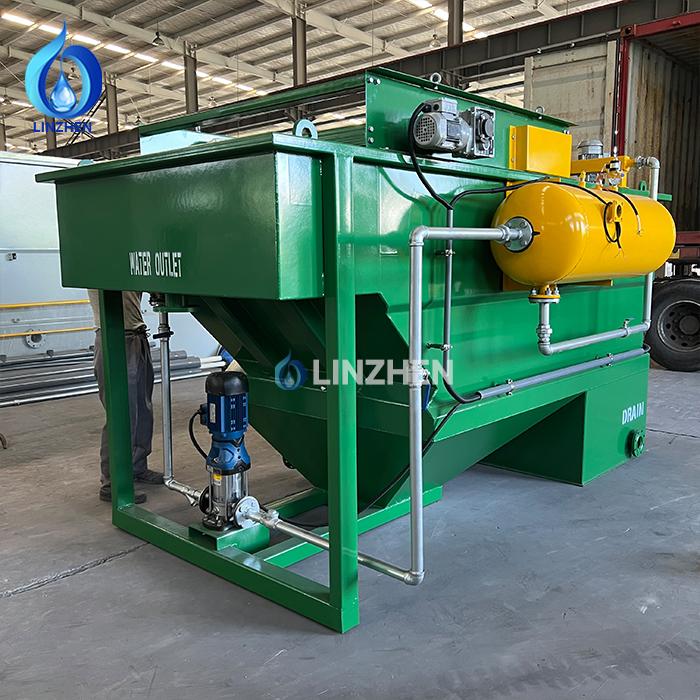
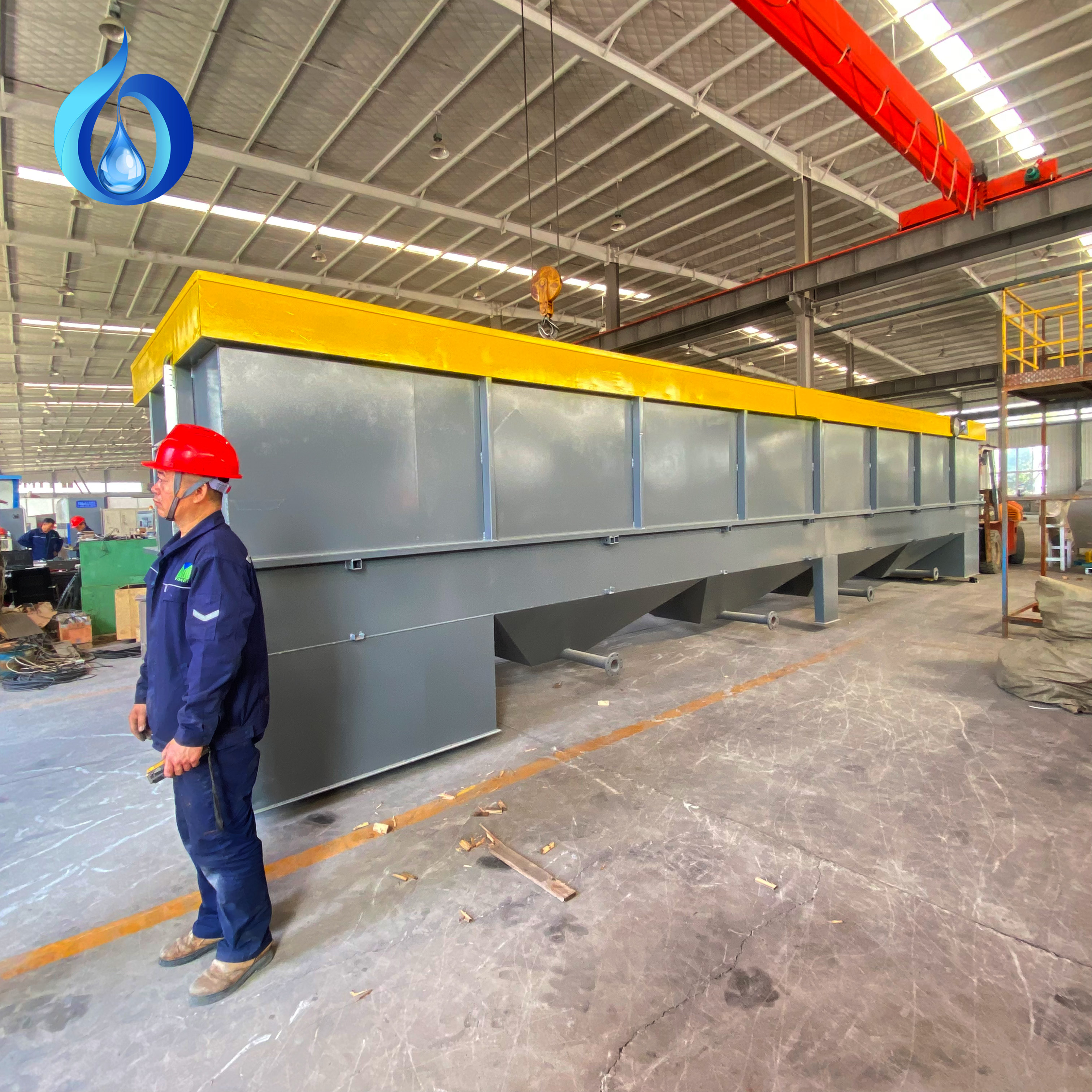
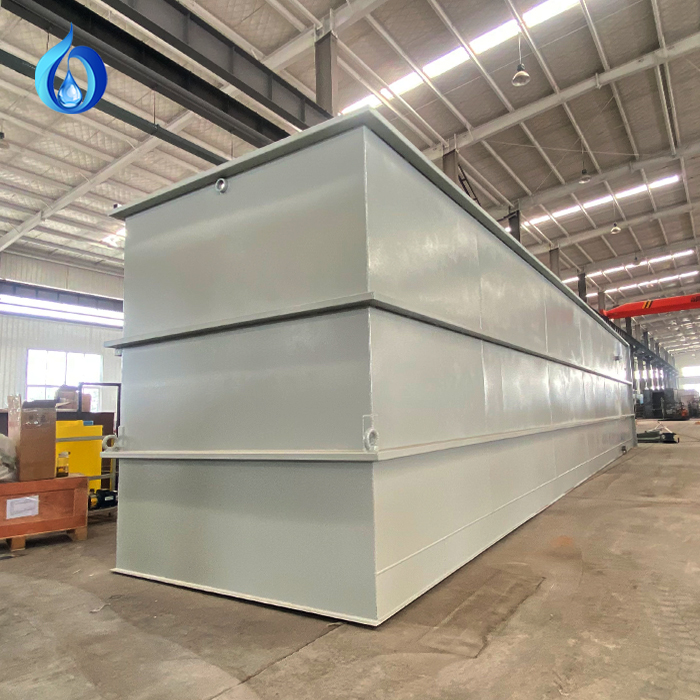
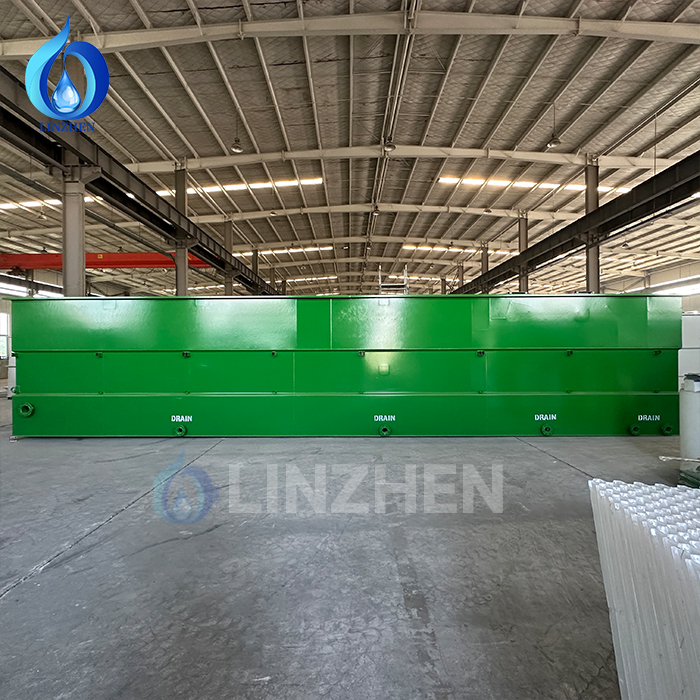
Modern manufacturing operations demand constant resource optimization, yet many facility managers overlook their aging wastewater treatment plant infrastructure. While legacy systems may still technically function, an outdated wastewater treatment plant frequently drains operational budgets through high energy consumption, frequent maintenance shutdowns, and compliance risks. Strategic investment in an upgraded wastewater treatment plant transforms a passive cost center into a resilient operational asset that enhances overall profitability.
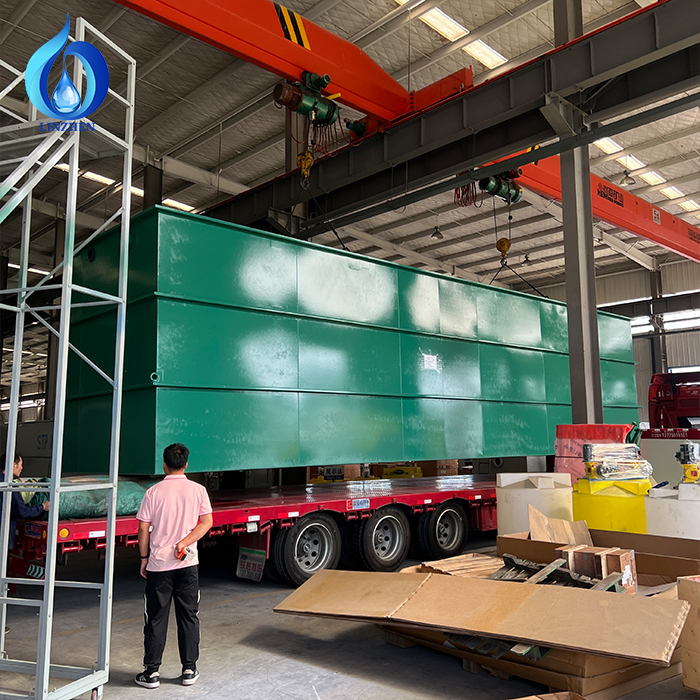
Integrating modern technology into your industrial wastewater treatment plant provides immediate, quantifiable advantages. From automated process monitoring to energy-efficient mechanical aeration, upgrading your wastewater treatment plant resolves chronic operational bottlenecks while positioning your business to handle higher production volumes. This comprehensive guide outlines why upgrading your wastewater treatment plant delivers substantial long-term value for forward-thinking industrial facilities.
Mitigating Regulatory Risks and Ensuring Compliance
Adapting to Stringent Discharge Standards
Environmental authorities globally continue to implement tighter water quality thresholds and stricter enforcement penalties. Older wastewater treatment plant models often lack the precision needed to satisfy these stringent discharge parameters reliably. Upgrading your wastewater treatment plant introduces reliable chemical dosing and advanced separation systems, guaranteeing that your effluent consistently meets municipal and national standards without costly non-compliance events.
Contemporary environmental management relies heavily on real-time data transparency and reporting accuracy. An upgraded wastewater treatment plant seamlessly integrates automated SCADA and PLC control platforms to track key parameters 24/7. Modernizing your industrial wastewater treatment plant simplifies regulatory audits, minimizes environmental liability, and reinforces corporate environmental stewardship.
Eliminating Costly Fines and Operational Downtime
Failing to meet effluent guidelines causes far more than financial penalties; it endangers your entire production schedule. Municipalities may order temporary operational suspensions if a non-compliant wastewater treatment plant releases off-spec discharge into local waterways. Upgrading your wastewater treatment plant creates robust operational redundancy, ensuring uninterrupted factory production and protecting your company’s market reputation.
Maximizing Operational Efficiency and Reducing Overhead
Substantially Reducing Utility and Maintenance Costs
Inefficient pumps, worn blowers, and outdated aeration hardware cause excessive electricity bills in a legacy wastewater treatment plant. Installing energy-optimized equipment during a systematic wastewater treatment plant upgrade can decrease electrical consumption by 30% to 50%. A modernized wastewater treatment plant also lowers chemical consumption through smart metering, directly cutting monthly operating expenditure.
Maintenance overheads escalate exponentially as mechanical components pass their intended service lifespan. Upgrading your wastewater treatment plant eliminates constant emergency fixes, replacing obsolete parts with standardized, readily available components. This shift allows plant operators to focus on proactive preventative maintenance for the wastewater treatment plant, drastically shortening unplanned downtime.
Boosting Throughput and Treatment Capacity
Manufacturing expansion plans are frequently constrained by the limited hydraulic and biological capacity of an existing wastewater treatment plant. Comprehensive wastewater treatment plant modernizations utilize high-density filtration and compact biological reactors, enabling higher flow throughput within your existing physical footprint. Upgrading your wastewater treatment plant removes treatment bottlenecks, allowing facility production rates to grow unhindered.
Advanced technology integration equips your wastewater treatment plant to handle complex pollutant loads and sudden volumetric surges efficiently. Upgrading your wastewater treatment plant with advanced membrane separation yields superior effluent clarity, enabling effluent polishing and secondary industrial reuse.
Driving Sustainability and Enabling Resource Recovery
Decreasing Waste Generation and Carbon Footprint
Sustainable manufacturing relies on minimizing industrial waste streams at every operational stage. Conventional wastewater treatment plant operations generate massive amounts of wet sludge requiring expensive off-site disposal. Upgrading your wastewater treatment plant with modern dewatering equipment reduces sludge volume significantly, cutting transportation costs and supporting corporate ESG initiatives.
Modern consumers, investors, and industrial clients favor environmentally responsible partners. Implementing a high-efficiency wastewater treatment plant upgrade demonstrates tangible commitment to sustainable manufacturing. A modernized wastewater treatment plant builds trust with local communities and key commercial stakeholders alike.
Unlocking In-Plant Water Reuse and Closed-Loop Systems
Water scarcity and rising municipal water supply tariffs make freshwater conservation essential. Upgrading your wastewater treatment plant with tertiary polishing technologies enables high-grade water recycling for cooling towers, boiler feed, and equipment washdowns. Treating process water within an upgraded wastewater treatment plant significantly cuts raw water intake expenses.
Establishing circular water management protects manufacturing operations from municipal water supply interruptions and seasonal droughts. Transforming your internal wastewater treatment plant into a reliable resource recovery system guarantees operational security while maximizing long-term resource efficiency.
FAQ
What are the primary financial benefits of upgrading a wastewater treatment plant?
Upgrading a wastewater treatment plant reduces utility bills through energy-efficient motors and optimized aeration, cuts chemical consumption via automated control, and drastically reduces sludge disposal costs. Additionally, an upgraded wastewater treatment plant prevents costly regulatory fines and factory shutdowns.
How long does a typical wastewater treatment plant upgrade take to complete?
Depending on plant size and technical complexity, a standard wastewater treatment plant upgrade takes between 6 to 18 months from engineering design to final commissioning. Modular wastewater treatment plant retrofits can often be installed in phases to prevent disruption to active production lines.
Can an upgraded wastewater treatment plant enable water reuse within my factory?
Yes. Upgrading your wastewater treatment plant with advanced membrane filtration (such as MBR or RO) and disinfection allows treated effluent to be reused for industrial cooling, washing, and auxiliary plant operations, establishing a cost-saving closed-loop system.
 EN
EN