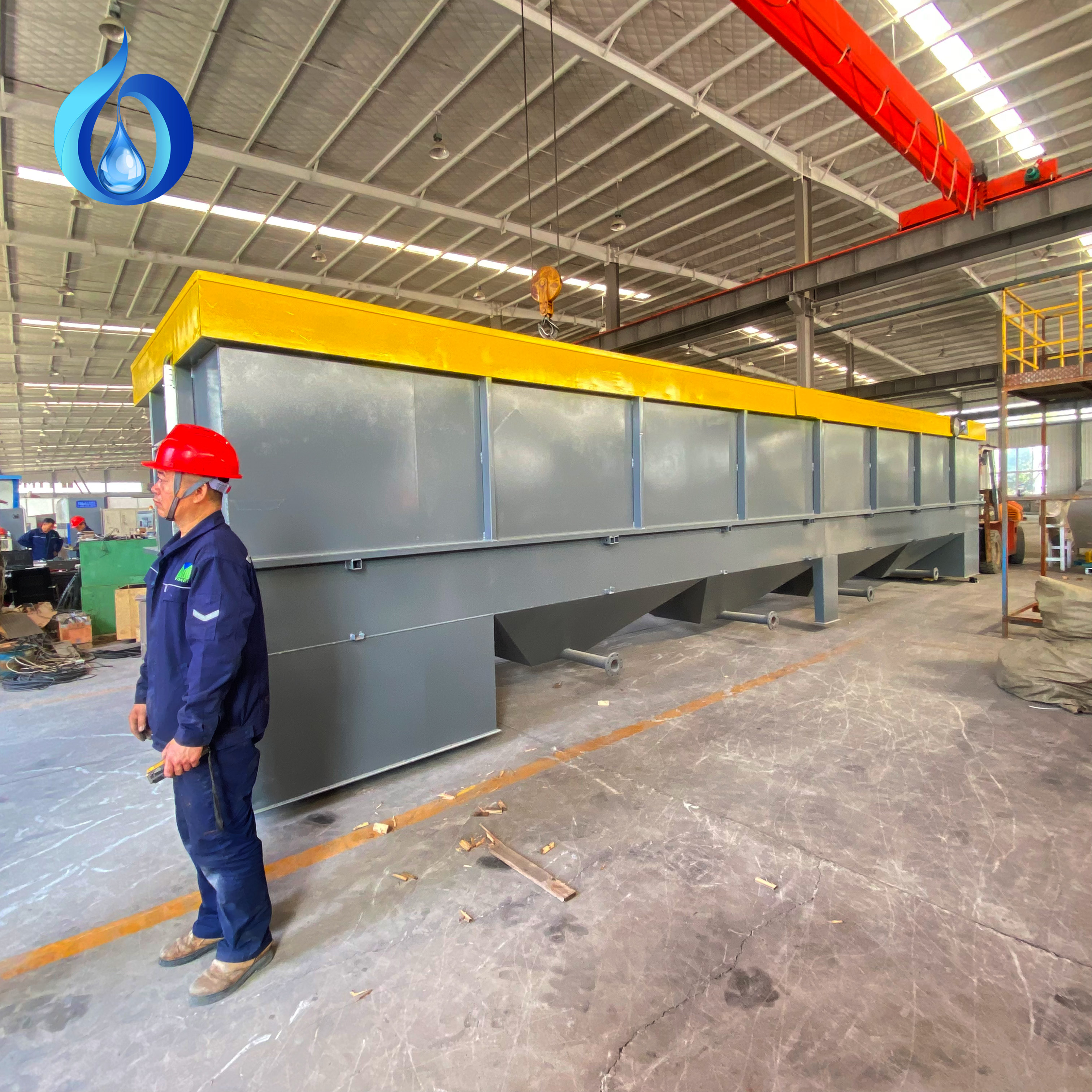
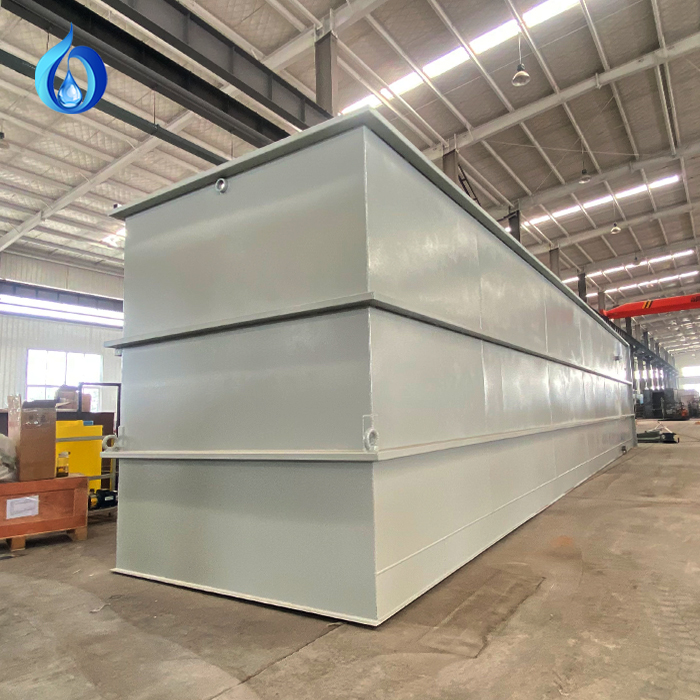
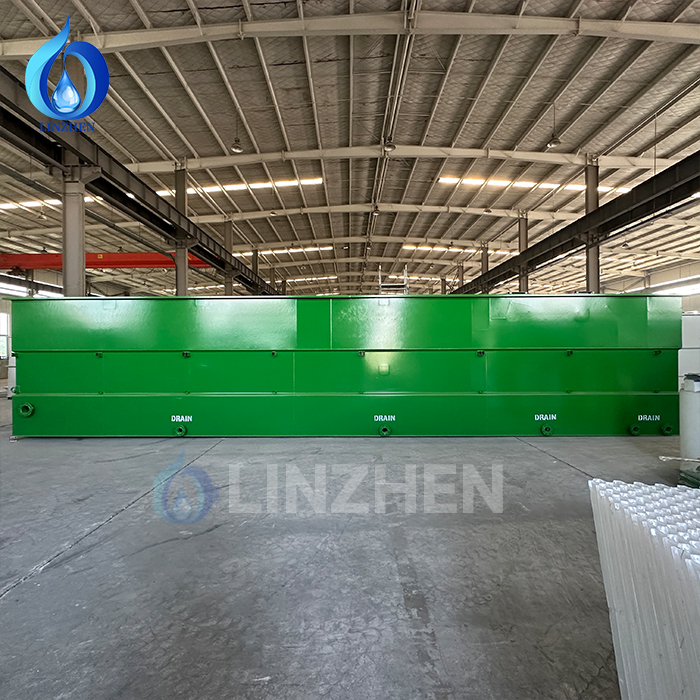
Modern manufacturing operations produce significant volumes of complex industrial fluid waste every single day, making systematic effluent management vital to operational continuity, legal compliance, and enterprise profitability. Relying exclusively on municipal treatment systems or external waste management vendors exposes production facilities to high utility surcharges, rigid volume caps, and service interruptions. Investing in a dedicated on-site wastewater treatment plant gives plant managers direct authority over water quality, discharge timing, and long-term operating expenditures.
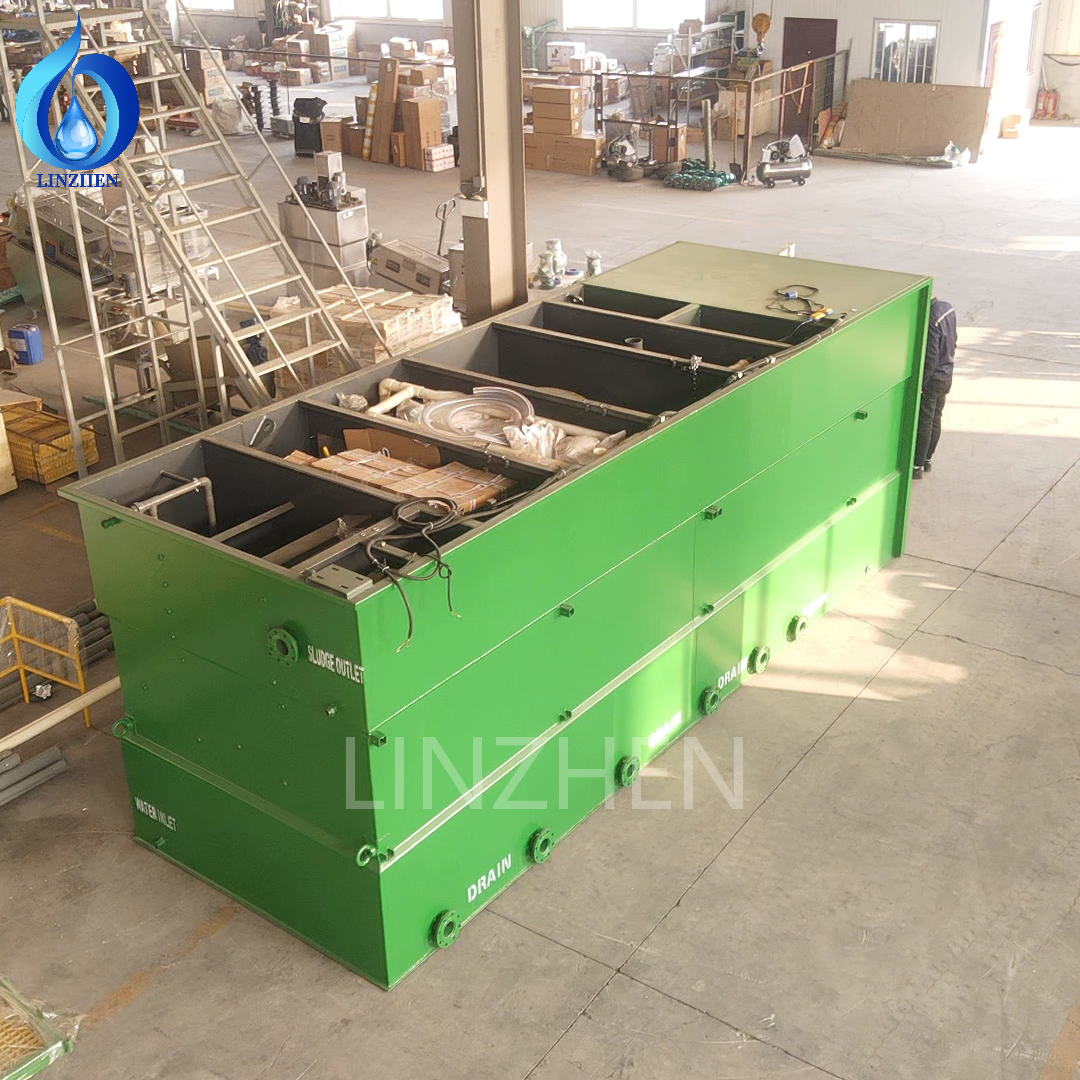
Installing a modern wastewater treatment plant is no longer merely an environmental safeguard; it is a strategic business decision that positions industrial enterprises for scalable growth. Across diverse sectors—including food and beverage processing, chemical manufacturing, pharmaceutical production, automotive assembly, and heavy metal fabrication—operating localized treatment infrastructure delivers clear competitive advantages. This comprehensive guide details the key financial, operational, and regulatory reasons why forward-thinking manufacturers are building an in-house wastewater treatment plant.
Financial Optimization & Cost Reduction
Eliminating Escalating Municipal Surcharges
Third-party wastewater disposal fees and municipal utility tariffs represent a volatile, recurring operational expense for manufacturing plants. Local authorities regularly raise sewer discharge fees and impose strict surcharge penalties on effluents containing elevated biological oxygen demand, total suspended solids, or heavy chemical loads. Operating an internal wastewater treatment plant converts unpredictable operational expenses into fixed, manageable overhead costs. Once the capital expenditure of the wastewater treatment plant is fully amortized, the unit cost for processing spent process fluids decreases dramatically, directly expanding gross profit margins.
Closed-Loop Water Reuse & Resource Recovery
A modern wastewater treatment plant enables factories to transition from linear disposal models to closed-loop water recirculation systems. By integrating secondary polishing equipment—such as reverse osmosis systems, ultrafiltration units, or membrane bioreactors—a tailored wastewater treatment plant transforms raw effluent into high-purity water suitable for cooling towers, boiler feed, equipment washdown, and routine facility cleaning. Facilities operating an integrated wastewater treatment plant typically reduce raw freshwater intake by 30 to 50 percent, generating ongoing utility savings while protecting operations against regional water scarcity.
Regulatory Compliance & Risk Mitigation
Exceeding Stringent Environmental Standards
Environmental protection agencies worldwide continue to introduce stricter discharge thresholds for heavy metals, organic pollutants, nitrogen compounds, and synthetic toxins. A purpose-built wastewater treatment plant ensures that facility discharges consistently comply with national and local environmental regulations. Direct real-time control over treatment parameters eliminates the risk of regulatory fines, legal injunctions, or forced facility shutdowns caused by non-compliant off-site discharges.
Adapting to Changing Regulatory Frameworks
Regulatory standards evolve continuously, bringing new chemical monitoring requirements and lower concentration limits. Owning an on-site wastewater treatment plant allows facility operators to execute targeted technology retrofits, modify chemical dosing strategies, and adjust retention times independently. This operational flexibility allows manufacturers to anticipate regulatory changes proactively without relying on municipal infrastructure updates or negotiating contract alterations with third-party service providers.
Operational Autonomy & Production Reliability
Eliminating Off-Site Service Dependencies
Continuous manufacturing relies entirely on uninterrupted utility services. Dependence on external processing leaves facilities vulnerable to municipal capacity limits, pipe maintenance outages, and service disputes that can halt factory operations. Installing an on-site wastewater treatment plant provides complete operational autonomy, ensuring continuous production regardless of external utility constraints or municipal system failures.
Tailored Treatment Engineering
Municipal sewage infrastructure is designed to handle diluted domestic waste rather than concentrated, complex industrial effluents. A dedicated industrial wastewater treatment plant is engineered precisely to match specific waste chemistry, flow fluctuations, and seasonal manufacturing spikes. Custom system design optimizes chemical consumption, improves sludge settling rates, and stabilizes overall operating efficiency across diverse production shifts.
Sustainability & Corporate Responsibility
Strengthening ESG Performance & Market Positioning
Global supply chains and corporate buyers increasingly prioritize partners with transparent Environmental, Social, and Governance (ESG) practices. Operating an energy-efficient wastewater treatment plant demonstrates measurable progress toward corporate sustainability goals and water stewardship targets. Proactive water recycling supported by a modern wastewater treatment plant enhances brand reputation, satisfies corporate sustainability auditing, and supports green building accreditations like LEED.
Mitigating Local Environmental Liability
Accidental discharges of untreated industrial effluent can cause severe ecosystem damage and long-term legal liability. A well-maintained wastewater treatment plant functions as a dependable barrier, preventing hazardous contaminants from entering nearby rivers, lakes, or groundwater reservoirs. This environmental stewardship fosters positive relationships with local municipal leaders and surrounding communities, protecting the company's long-term license to operate.
FAQ
What is the typical return on investment (ROI) timeframe for a wastewater treatment plant?
Most industrial facilities achieve full payback on a dedicated wastewater treatment plant investment within 3 to 7 years. The exact ROI timeline depends on daily discharge volume, local freshwater purchasing costs, municipal surcharge rates, and the level of internal water reuse achieved. Facilities operating in high-utility-cost regions or high-volume sectors often achieve full financial payback much faster.
How much space is required to install an on-site wastewater treatment plant?
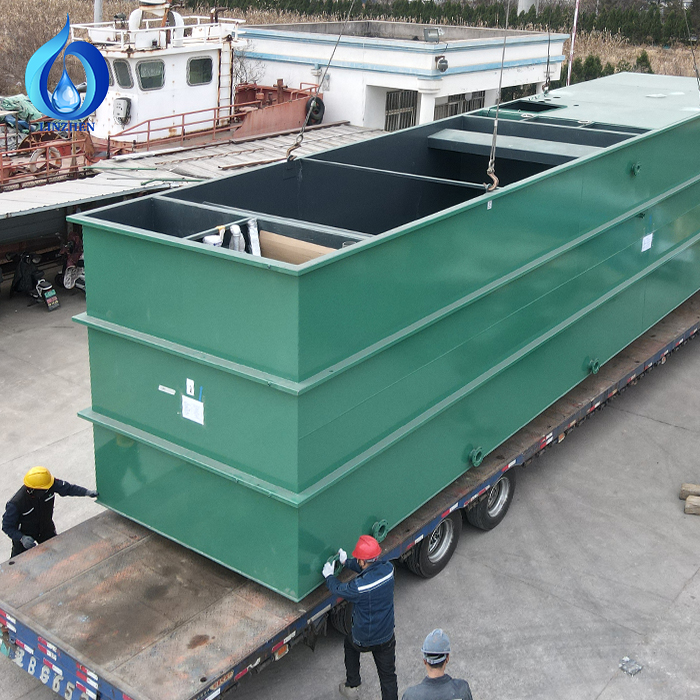
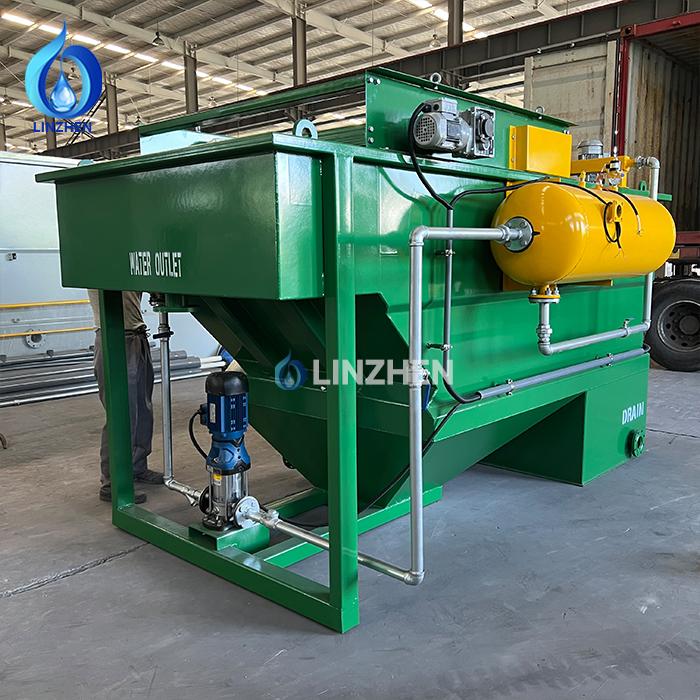
Space requirements for a wastewater treatment plant depend on daily hydraulic volume, contaminant loading, and selected treatment technologies. Compact, modular wastewater treatment plant designs—such as packaged membrane bioreactors or dissolved air flotation units—can fit footprints as small as 500 to 2,000 square feet for small to mid-sized plants, making retrofits feasible within constrained manufacturing facilities.
What operational expertise is required to manage a wastewater treatment plant?
Modern wastewater treatment plant designs incorporate automated Programmable Logic Controllers (PLCs), continuous sensors, and remote monitoring systems that significantly reduce manual labor requirements. Standard facility maintenance staff can manage daily operation following basic operator training. In addition, system manufacturers typically offer technical support contracts, routine equipment inspections, and spare parts management to maintain consistent performance and regulatory compliance.
 EN
EN