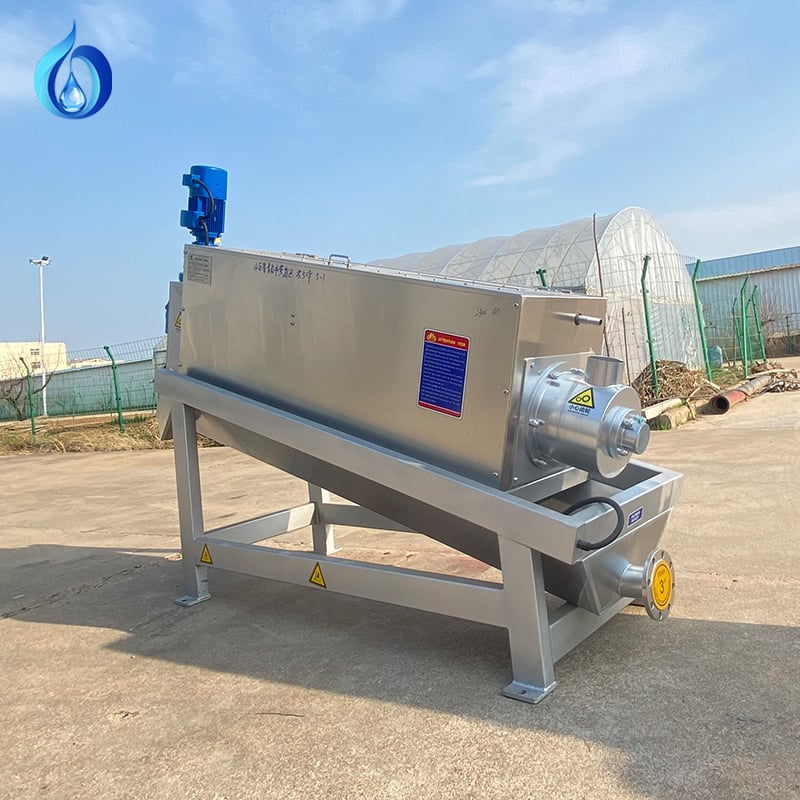
Modern factories face mounting pressure to manage industrial waste efficiently while maintaining profitability and regulatory compliance. The sludge dewatering machine has emerged as a critical investment for manufacturers across water treatment, chemical processing, food production, and mining sectors. By automating the solid-liquid separation process, a modern sludge dewatering machine enables factories to dramatically reduce operational costs, minimize environmental liability, and reclaim valuable facility space. A high-efficiency sludge dewatering machine transforms dense, difficult-to-handle waste into manageable dry cake that occupies significantly less volume, making waste disposal or recycling far more economical and practical for industrial operations.
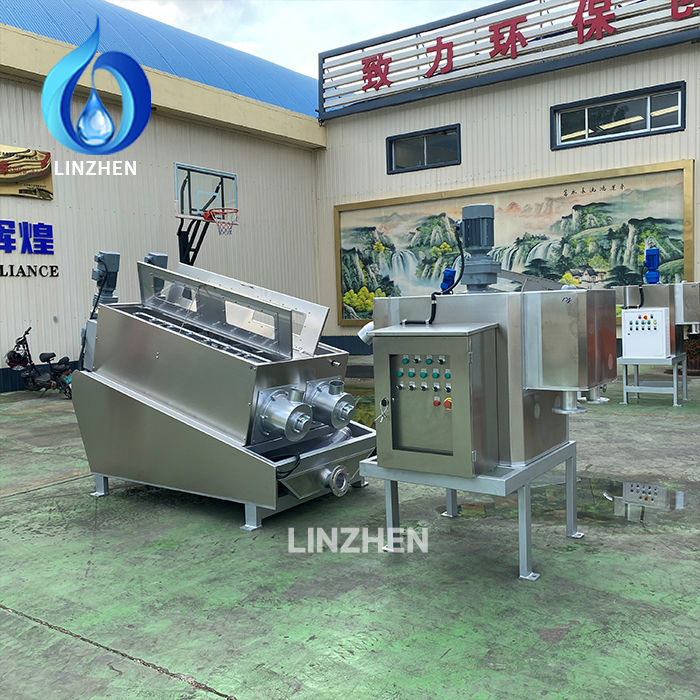
Investing in an sludge dewatering machine represents far more than a single equipment purchase—it signals a factory's commitment to operational excellence, environmental stewardship, and long-term financial sustainability. Traditional sludge management approaches rely on lagoons, settling tanks, or external waste contractors, all of which consume capital, space, and ongoing operational budget. An advanced sludge dewatering machine enables factories to internalize this critical process, gain complete control over waste handling, and unlock competitive advantages that directly impact the bottom line.
Cost Reduction and Operational Efficiency
Lower Treatment and Disposal Expenses with a Sludge Dewatering Machine
One of the most compelling reasons factories invest in a sludge dewatering machine is the dramatic reduction in waste management costs. Modern sludge dewatering machine equipment concentrates solids efficiently, executing maximum sludge volume reduction by up to 80 percent in many heavy-duty applications. This volume reduction directly translates to lower hauling fees, reduced landfill tipping costs, and decreased dependence on external waste management contractors. Factories that previously spent hundreds of thousands annually on sludge disposal discover that an sludge dewatering machine pays for itself within two to four years through disposal savings alone, while maintaining complete operational control.
Minimized Downtime through Automated Sludge Separation
An automated sludge dewatering machine operates continuously with minimal human intervention, freeing skilled labor for higher-value maintenance and process oversight activities. Implementing a sludge dewatering machine eliminates the need for manual sludge handling, transfers, and tank cleaning—tasks that were previously time-consuming, physically demanding, and prone to inconsistency. The automated sludge separation provided by modern sludge dewatering machine systems ensures consistent, reliable performance day after day, reducing unexpected production disruptions and emergency repair expenses that compromise factory efficiency.
Environmental Compliance and Regulatory Advantage
Meeting Strict Discharge Standards with a Sludge Dewatering Machine
Environmental regulations governing water discharge, wastewater sludge treatment, and solid waste management have become increasingly stringent worldwide. Factories face significant fines, operational shutdowns, and reputational damage if sludge handling fails to meet local and national environmental standards. A sludge dewatering machine enables factories to achieve consistent, compliant discharge water quality while producing manageable solids that meet waste classification requirements. By implementing advanced sludge dewatering machine technology, factories demonstrate proactive environmental responsibility and substantially reduce regulatory risk, which translates to lower insurance premiums, smoother permit renewals, and stronger community relationships.
Supporting Sustainability Goals and Corporate Responsibility
Modern corporations increasingly commit to sustainability targets that include waste reduction, water conservation, and circular economy principles. A sludge dewatering machine aligns with these strategic objectives by enabling factories to recover and reuse treated solids for compost, agricultural amendment, or energy recovery applications. The sludge dewatering machine transforms sludge from a pure liability into a potential asset, supporting corporate sustainability narratives and providing measurable environmental performance metrics that resonate with investors, customers, and regulators. Factories equipped with modern sludge dewatering machine technology can confidently communicate their environmental stewardship to stakeholders and differentiate themselves in competitive markets.
Space Optimization and Facility Scalability
Reclaiming Valuable Facility Real Estate with a Sludge Dewatering Machine
Many factories maintain large sludge holding tanks, settling lagoons, or outdoor storage areas that occupy prime facility space and create ongoing maintenance challenges. These infrastructure components represent sunk capital investment, ongoing operational burden, and missed opportunities for productive facility use. Installing a compact sludge dewatering machine eliminates or dramatically reduces the need for these space-intensive systems, freeing valuable real estate for production expansion, equipment upgrades, or enhanced operational capabilities. For factories in congested industrial areas, a sludge dewatering machine provides the space flexibility necessary to increase output without expanding the overall facility footprint.
Supporting Growth via Modular Sludge Dewatering Machine Expansion
As factories scale production to meet growing market demand, wastewater volumes and sludge generation increase proportionally, creating potential treatment bottlenecks. Traditional industrial sludge dewatering infrastructure often cannot be quickly expanded without major capital investment and extended downtime. A sludge dewatering machine provides scalable processing capacity—manufacturers can add secondary sludge dewatering machine units as volumes grow, ensuring treatment infrastructure keeps pace with production without complete system redesign. This modular approach allows factories to expand profitably while maintaining environmental compliance and operational stability.
FAQ
What makes a sludge dewatering machine different from conventional sludge treatment methods?
A sludge dewatering machine automates and intensifies automated sludge separation compared to passive settling or lagoon systems. While conventional methods rely on gravity and extended retention time—consuming space and capital—a modern sludge dewatering machine uses mechanical force, polymer conditioning, and optimized geometry to achieve superior separation efficiency in a compact footprint. An automated sludge dewatering machine reduces operational uncertainty, improves output consistency, and enables factories to control wastewater sludge treatment internally rather than depending on external contractors.
How quickly does a sludge dewatering machine investment typically pay for itself?
Return on investment timelines for a sludge dewatering machine vary by factory size and waste volume, but most facilities see payback within two to four years through sludge volume reduction and lower disposal fees. Additional financial benefits—including labor reduction, space reclamation, and avoided regulatory penalties—accelerate the effective return timeline of the sludge dewatering machine and create positive cash flow beyond the initial cost recovery period.
Can a sludge dewatering machine handle variable sludge characteristics and production fluctuations?
Modern sludge dewatering machine systems are engineered to accommodate fluctuating feed rates, changing sludge composition, and seasonal production variations common in industrial sludge dewatering. Automated controls on the sludge dewatering machine monitor incoming sludge properties and adjust operating parameters in real time to maintain consistent output quality. This adaptability makes a sludge dewatering machine suitable for diverse industrial applications, ensuring reliable performance under challenging operating conditions.
 EN
EN