Across global industries, facility operators encounter escalating pressure to harmonize environmental stewardship with operational profitability. Adopting modern wastewater treatment solutions serves not only as an ethical commitment but as an essential corporate strategy that drives long-term economic resilience and investor confidence.
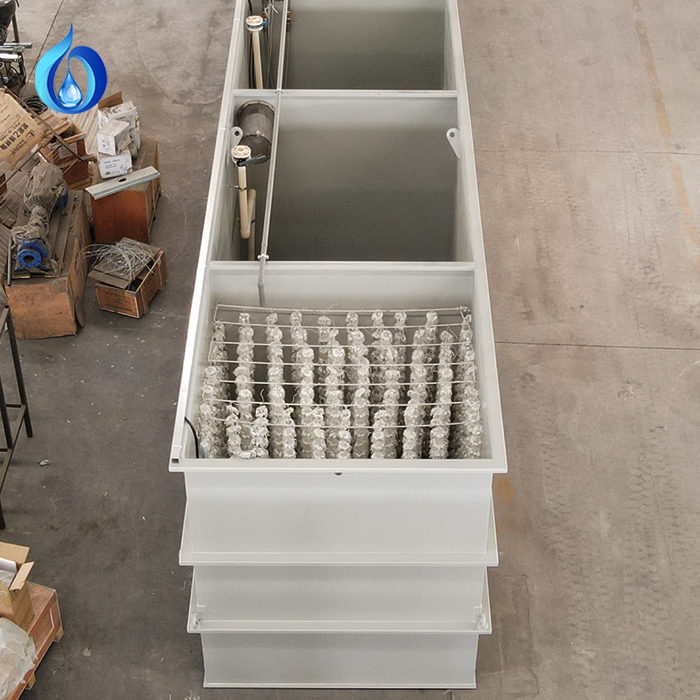
Contemporary municipal and industrial sectors require high-performance wastewater treatment solutions capable of delivering stringent environmental protection while controlling routine operational expenditures. Today, deployed wastewater treatment solutions must generate tangible ecological results while simultaneously optimizing cash flow and maintaining public trust. Evaluating the strategic necessity of upgrading these systems today enables enterprise decision-makers to fortify infrastructure against upcoming environmental mandate changes.
Regulatory Imperatives Driving Advanced Wastewater Treatment Solutions
Aligning Operations with Evolving Environmental Mandates
Environmental discharge criteria continue to tighten internationally. Integrating contemporary wastewater treatment solutions—equipped with advanced filtration, biological processing, and targeted nutrient capture—allows facilities to comply consistently with strict limits for total nitrogen, phosphorus, and suspended solids. Regulatory authorities routinely decrease maximum allowable pollutant thresholds, making outdated facilities vulnerable to non-compliance penalties. Enterprises that mandate modern wastewater treatment solutions protect operations against regulatory sanctions, costly shutdowns, and potential permit revocations.
Water Conservation and Ecosystem Risk Management
Environmentally engineered wastewater treatment solutions safeguard regional freshwater sources and groundwater supplies for local communities. Efficient effluent management mitigates nutrient overload that fuels toxic algae blooms, reduces pathogenic threats, and removes hazardous chemical traces. Facilities operating advanced wastewater treatment solutions showcase active environmental stewardship, fostering stronger goodwill with regulatory boards, regional leadership, and surrounding communities. This proactive stance on wastewater treatment solutions streamlines local permitting processes and facilitates expansion initiatives.
Financial and Operational Advantages of Modern Wastewater Treatment Solutions
Lowering O&M Expenses and Chemical Consumption
Upgraded wastewater treatment solutions generate direct operational savings through energy-optimized mechanical designs, reduced bio-sludge volume, and minimized chemical dosing requirements. Sustainable biological methods within wastewater treatment solutions consume significantly less electricity than pure chemical-physical pathways, curtailing long-term lifecycle expenditures. Incorporating resource recovery elements—such as biogas harvesting or nutrient extraction—transforms wastewater treatment solutions into secondary revenue streams. Strategic capital investments in wastewater treatment solutions typically achieve full payback within 5 to 10 years through ongoing O&M cost reductions.
Optimizing Process Scalability and System Reliability
Engineered wastewater treatment solutions built with modular architecture and automated control systems deliver predictable purification outcomes under fluctuating hydraulic loads. Aging or under-designed wastewater treatment solutions frequently suffer from mechanical failures, unbudgeted downtime, and an inability to support increased production capacities. Modernizing wastewater treatment solutions allows commercial facilities to expand production without exceeding discharge permits. High system reliability ensures continuous manufacturing operations, minimizes emergency maintenance overhead, and stabilizes annual operating budgets.
The Strategic Business Case: Upgrading Wastewater Treatment Solutions Today
Proactive Compliance Management
Environmental policies consistently lean toward stricter discharge parameters. Investing in upgraded wastewater treatment solutions positions companies ahead of upcoming legislative shifts, avoiding panicked retrofits or compulsory system overhauls in the future. Enterprise adoption of forward-looking wastewater treatment solutions signals operational maturity and mitigates legal liabilities. Deferring upgrades leaves commercial operations exposed to sudden regulatory changes that can trigger expensive emergency capital outlays and operational disruptions.
Building Competitive Advantage and Market Trust
Institutional investors, enterprise buyers, and supply chain partners prioritize ecological accountability when selecting vendors. Implementing certified wastewater treatment solutions provides a distinct edge in municipal bidding, attracts ESG-aligned investment capital, and reinforces client retention. Publicly demonstrating high-performing wastewater treatment solutions validates a corporate commitment to sustainable industrial production—a factor that heavily sways purchasing decisions in competitive international markets.
Preventing Brand Erosion and Operational Interruption
Environmental mishaps caused by inadequate wastewater treatment solutions result in severe media scrutiny, civil fines, and immediate reputational damage. Implementing robust wastewater treatment solutions dramatically mitigates operational vulnerabilities. Capital allocation for advanced wastewater treatment solutions acts as key risk insurance, preventing legal liabilities, license suspensions, and community backlash that could threaten continuous production. Protecting brand equity and business continuity justifies investing in wastewater treatment solutions as a critical risk mitigation measure.
FAQ
What makes modern wastewater treatment solutions environmentally sustainable?
Sustainable wastewater treatment solutions prioritize low-energy operations, reduced chemical reliance, minimal bio-sludge production, and direct resource recovery (such as biogas or usable nutrients). These balanced wastewater treatment solutions deliver high-tier effluent purification while curbing carbon footprints and operational expenditures, aligning ecological benefits with enterprise profitability.
What is the typical ROI period for upgrading wastewater treatment solutions?
Return on investment for commercial wastewater treatment solutions usually materializes within 5 to 10 years. Payback rates vary based on plant capacity, energy rates, and sludge disposal costs. Next-generation wastewater treatment solutions accelerate ROI by cutting power consumption, optimizing chemical usage, and capturing reusable resources like process water or energy.
Why are legacy systems insufficient compared to modern wastewater treatment solutions?
Legacy infrastructure was built around outdated discharge standards. As regulatory authorities lower allowable pollutant concentrations, aging equipment struggles to remain compliant without costly add-ons. Upgrading to next-generation wastewater treatment solutions equips facilities with operational headroom, ensuring full regulatory compliance for 10 to 20 years without emergency retrofits.
 EN
EN