The traditional perspective on wastewater treatment has long been dominated by a cost-containment mindset. Municipalities and industrial facilities view wastewater treatment primarily as a necessary expense to meet regulatory compliance and environmental standards. However, this backward-looking approach overlooks a fundamental reality: modern wastewater treatment systems generate substantial economic, environmental, and operational value that can transform treatment plants into profit centers rather than budget drains. Understanding why wastewater treatment deserves recognition as a resource mine requires shifting perspective from liability management to asset optimization.
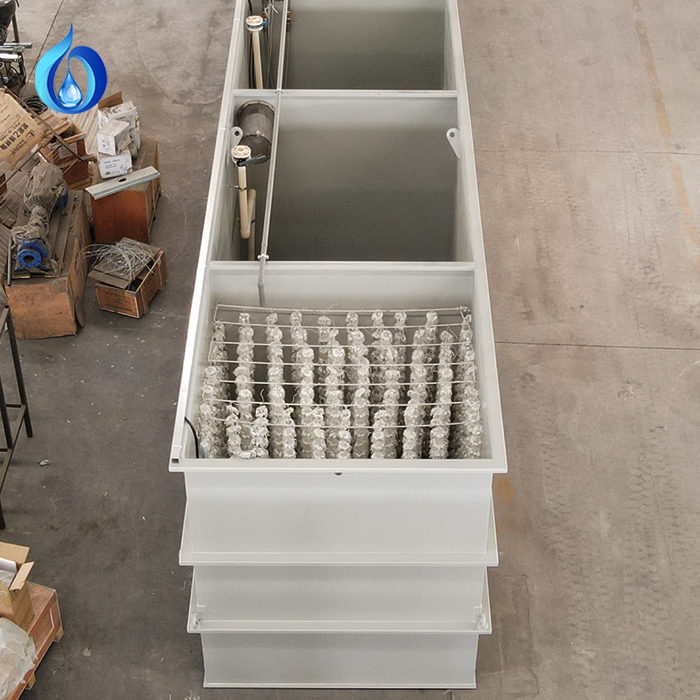
Advanced wastewater treatment technologies have fundamentally changed what operators can extract and recover from treatment streams. Solids become compostable biosolids or energy feedstock. Nutrients like nitrogen and phosphorus transform into saleable fertilizer products. Treated water itself becomes reclaimed water for irrigation, industrial processes, or environmental restoration. Biogas generated during treatment powers facility operations or feeds into energy grids. These recovery streams represent measurable revenue opportunities that strategically positioned wastewater treatment facilities now capture routinely.
The Economic Case for Treating Wastewater Treatment as Resource Recovery
Moving Beyond the Cost-Center Paradigm
For decades, facility managers approached wastewater treatment budgeting as they would any overhead expense: minimize spending, optimize efficiency for compliance, and contain capital requirements. This cost-center framework made sense when wastewater treatment technology offered limited recovery pathways. Today's modern wastewater treatment landscape operates under entirely different economics. Nutrient recovery from wastewater treatment processes generates revenue streams. Biosolids management through advanced drying and treatment systems creates marketable end products. Energy recovery through anaerobic digestion and biogas utilization reduces operational electricity costs. These transformation mechanisms mean wastewater treatment facilities can now generate income while meeting discharge standards.
The financial implications extend beyond direct product revenue. Facilities that implement comprehensive wastewater treatment resource recovery strategies report reduced operational costs, improved treatment efficiency, and enhanced sustainability metrics that strengthen municipal bonds ratings and community perception. Industrial operators discover that sophisticated wastewater treatment systems qualify for tax incentives, renewable energy credits, and environmental grants unavailable to traditional treatment operations. When wastewater treatment transitions from cost-center to revenue-generating infrastructure, capital funding mechanisms change favorably, making infrastructure upgrades more accessible.
Revenue Streams from Modern Wastewater Treatment
Biosolids represent one of the most significant revenue opportunities within wastewater treatment resource recovery. Modern wastewater treatment processes concentrate and stabilize organic solids into Class A or Class B biosolids depending on treatment methodology. These biosolids qualify for agricultural application as soil amendment and fertility supplement, creating markets with agricultural cooperatives, landscaping firms, and environmental restoration projects. A mid-scale wastewater treatment facility processing 5-10 million gallons daily can generate 5-15 tons of biosolids annually, representing meaningful revenue with proper marketing and contract development.
Nutrient recovery through struvite precipitation and other wastewater treatment techniques transforms phosphorus and nitrogen into concentrated fertilizer products. As agricultural phosphate reserves deplete globally, recovered nutrient products from wastewater treatment command increasing market prices. Industrial wastewater treatment streams often contain even higher nutrient concentrations, making them particularly valuable for nutrient extraction. Facilities investing in wastewater treatment nutrient recovery technology report payback periods of 3-7 years based purely on recovered product revenue, with additional benefits from reduced nutrient discharge compliance costs.
Environmental and Operational Benefits of Resource-Focused Wastewater Treatment
Sustainability Integration Within Wastewater Treatment Operations
Shifting the wastewater treatment narrative from waste disposal to resource extraction aligns facility operations with circular economy principles and contemporary sustainability expectations. Communities increasingly demand that municipal wastewater treatment systems demonstrate environmental stewardship beyond minimum compliance. Industrial operators face pressure from supply chain partners, investors, and regulators to quantify environmental impact and resource efficiency within wastewater treatment operations. Modern wastewater treatment systems that recover resources directly address these expectations, transforming treatment processes into visible sustainability demonstrations.
Energy independence represents another critical operational benefit of resource-focused wastewater treatment. Anaerobic digestion of biosolids generates methane-rich biogas that powers treatment facility operations, significantly reducing purchased energy requirements. Some wastewater treatment facilities produce excess biogas capacity that feeds into municipal gas grids or powers nearby industrial processes. This energy recovery capability makes wastewater treatment operations more resilient against energy price volatility and creates additional revenue through power purchase agreements. Treatment plants designed with energy recovery as a core operational principle operate at substantially lower net costs than traditional wastewater treatment systems.
Resilience and Long-Term Facility Viability
Wastewater treatment systems designed as resource extraction operations demonstrate superior long-term financial sustainability. As regulatory requirements tighten and treatment standards evolve, facilities positioned to generate revenue from recovered resources maintain operational flexibility and capital availability for necessary upgrades. Conversely, wastewater treatment facilities treated as pure cost centers face mounting budget pressure as standards increase. The resource recovery perspective fundamentally changes how stakeholders evaluate wastewater treatment facility performance and justify ongoing investment.
Industrial wastewater treatment presents particularly compelling resource recovery opportunities. Manufacturing processes, food processing, pharmaceutical production, and other industrial activities generate wastewater treatment streams rich in recoverable materials. An industrial wastewater treatment facility implementing comprehensive resource recovery strategies can offset 40-60% of operational costs through recovered product revenue and avoided disposal expenses. This economic model transforms industrial wastewater treatment from competitive disadvantage to operational advantage, particularly for facilities competing in resource-constrained or environmentally sensitive markets.
Strategic Implementation of Wastewater Treatment Resource Recovery
Technology Selection and Optimization
Successful wastewater treatment resource recovery requires thoughtful technology selection matched to specific facility characteristics and local market conditions. A wastewater treatment system designed for municipal applications prioritizes reliability, regulatory compliance, and biosolids recovery. Industrial wastewater treatment systems emphasize contaminant-specific removal and nutrient concentration preservation for downstream recovery processing. Technology choices directly determine which recovery pathways become economically viable. Facilities should evaluate wastewater treatment technology investments through a dual lens: treatment performance and resource recovery potential.
Advanced wastewater treatment technologies like membrane bioreactors, moving bed biofilm reactors, and nutrient recovery systems require higher capital investment than conventional treatment but deliver dramatically superior resource extraction results. The wastewater treatment performance economics shift decisively when recovery revenue is factored into analysis. A wastewater treatment system with 30% higher capital cost but 50% operational cost reduction through resource recovery delivers substantially better financial outcomes over facility lifetime. Facility operators must transition from evaluating wastewater treatment purely on treatment cost to comprehensive financial modeling including recovery value.
Market Development and Product Positioning
Realizing wastewater treatment resource recovery value requires establishing reliable markets for recovered products. Biosolids must meet quality standards and be positioned with agricultural end users, landscapers, or environmental restoration contractors. Recovered nutrients need pricing competitiveness with conventional fertilizer products. Treated reclaimed water requires infrastructure connection to reliable customer base or land application sites. Biogas must connect to energy markets or on-site power generation systems. Successful wastewater treatment resource recovery programs invest as heavily in product marketing and customer development as in treatment technology.
Strategic partnerships accelerate wastewater treatment resource recovery market development. Agricultural cooperatives, fertilizer distributors, energy providers, and industrial water users represent potential customers for wastewater treatment recovered products. Facility operators collaborating with these stakeholders through long-term supply agreements secure consistent revenue while reducing market risk for recovered products. Many wastewater treatment operators discover that dedicated resource recovery staff and marketing focus yield revenue increases exceeding 20-30% compared to facilities treating recovered products as secondary operational outputs.
FAQ
What specific resources can modern wastewater treatment systems recover?
Modern wastewater treatment systems recover multiple valuable resources including biosolids for agricultural application, concentrated nutrients like nitrogen and phosphorus for fertilizer production, treated water for irrigation or industrial reuse, biogas for energy generation, and in some cases metals and other industrial materials depending on wastewater composition. Each wastewater treatment system's recovery profile depends on influent characteristics, treatment technology employed, and downstream processing capabilities available at the facility.
How significantly can wastewater treatment resource recovery reduce operational costs?
Wastewater treatment facilities implementing comprehensive resource recovery programs typically reduce net operational costs by 20-40% depending on facility scale, recovered product types, and local market conditions. Energy recovery through biogas generation frequently reduces purchased electricity costs by 30-50%. Biosolids and nutrient sales generate revenue ranging from 10-30% of operational budget. Combined resource recovery impact transforms wastewater treatment economics fundamentally, though specific results vary by location and facility design.
What barriers prevent wastewater treatment facilities from adopting resource recovery approaches?
Common barriers to wastewater treatment resource recovery adoption include high capital investment requirements, technical expertise gaps in recovery technology operation, uncertain or undeveloped markets for recovered products, regulatory uncertainty regarding recovered product quality standards, and organizational resistance to operational model change. Facilities must also develop new revenue accounting structures and product marketing capabilities. Many barriers reflect knowledge gaps rather than technical impossibilities, making education and knowledge sharing critical for accelerating wastewater treatment resource recovery adoption across the industry.
 EN
EN