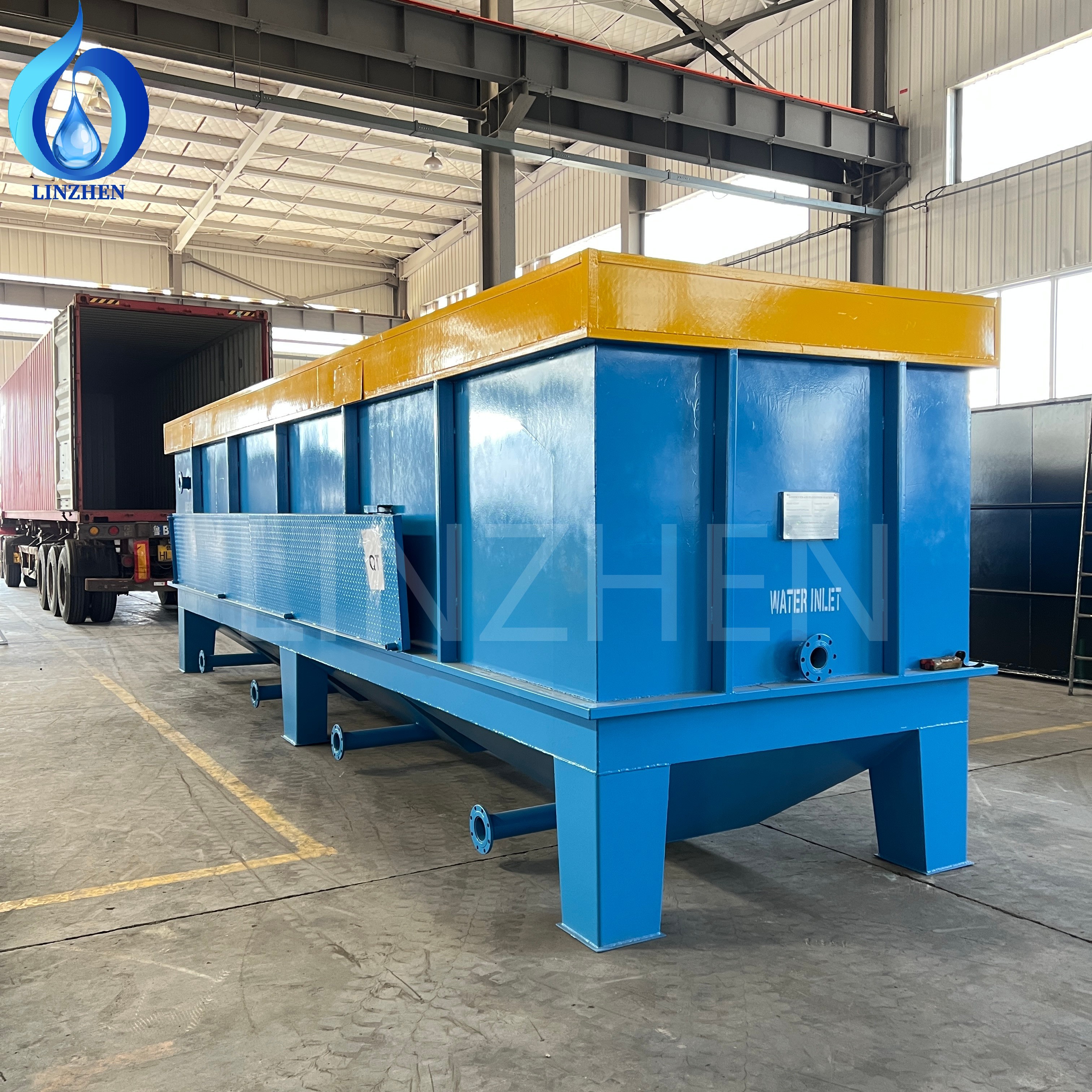
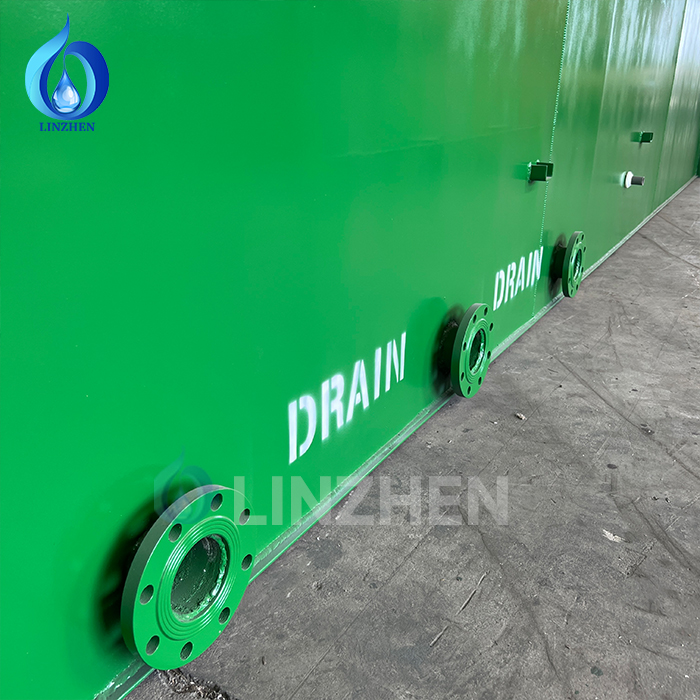
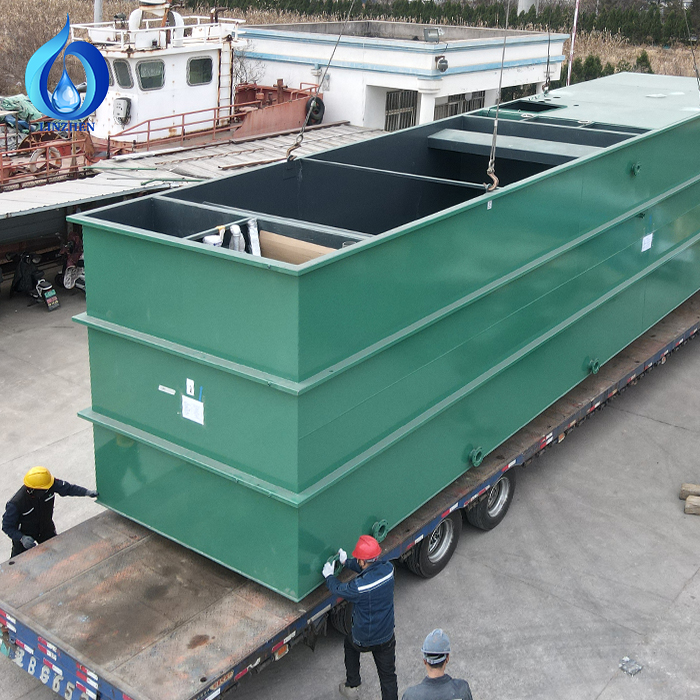
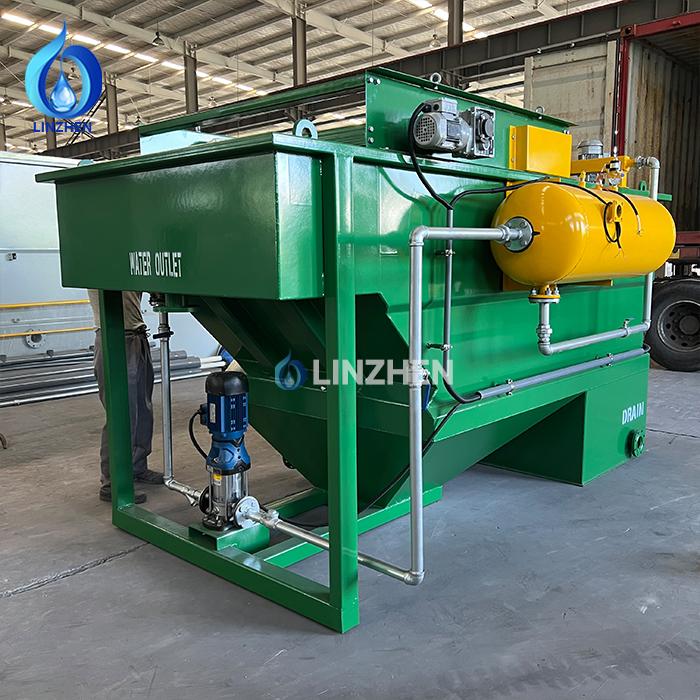
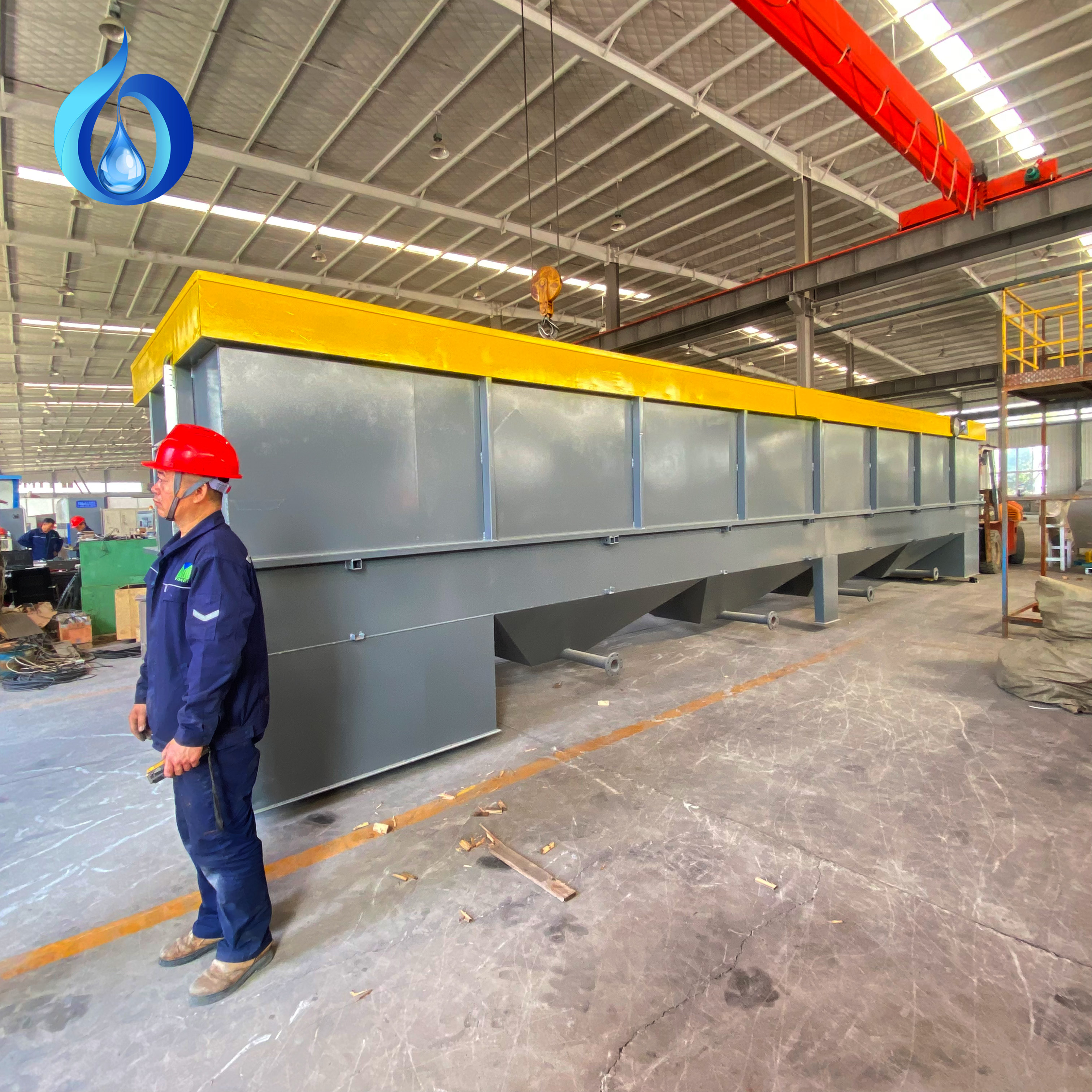
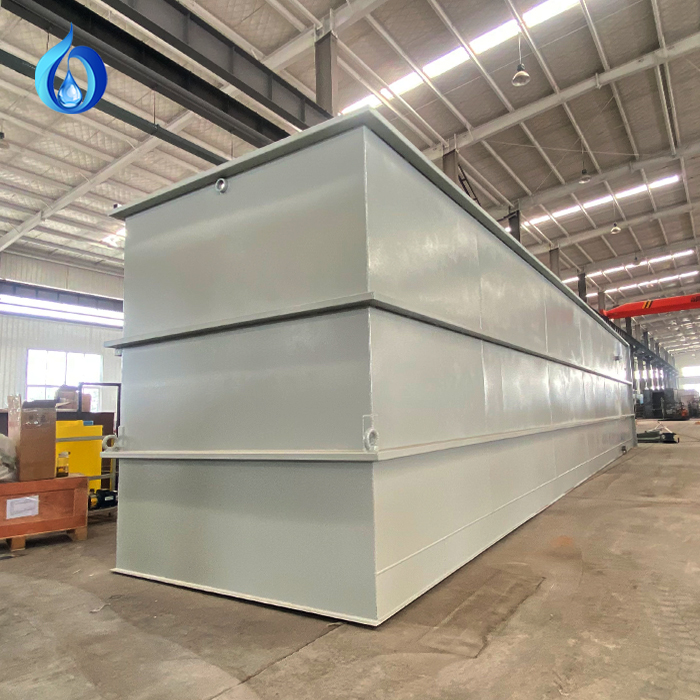
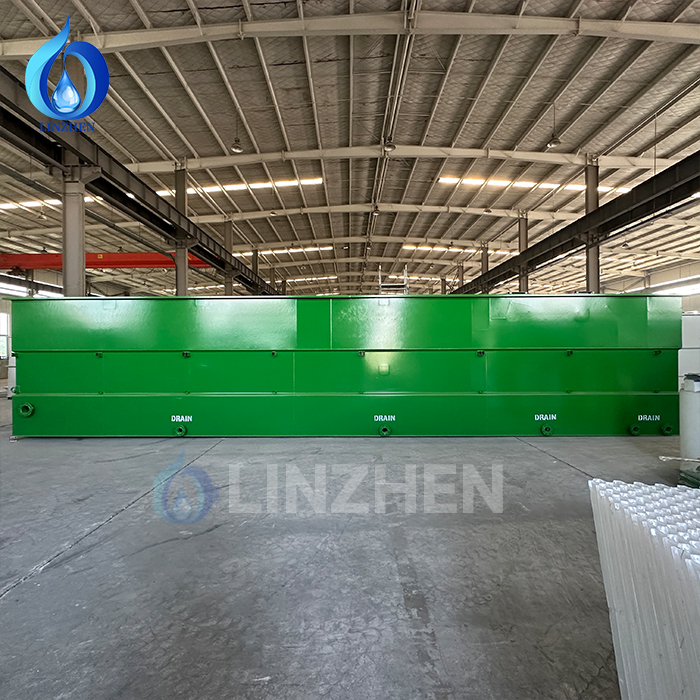
Membrane bioreactor systems rely on consistent, clean influent to maintain optimal performance and membrane lifespan. When industrial or municipal wastewater flows directly into an MBR unit without proper pretreatment, the membranes face rapid fouling, reduced flux rates, and premature replacement costs. This is why daf wastewater treatment has become a critical upstream step before MBR processing. Dissolved air flotation technology removes suspended solids, oils, fats, and other contaminants that would otherwise overwhelm the delicate membrane system, ensuring your treatment plant operates at peak efficiency and maintains long-term reliability.
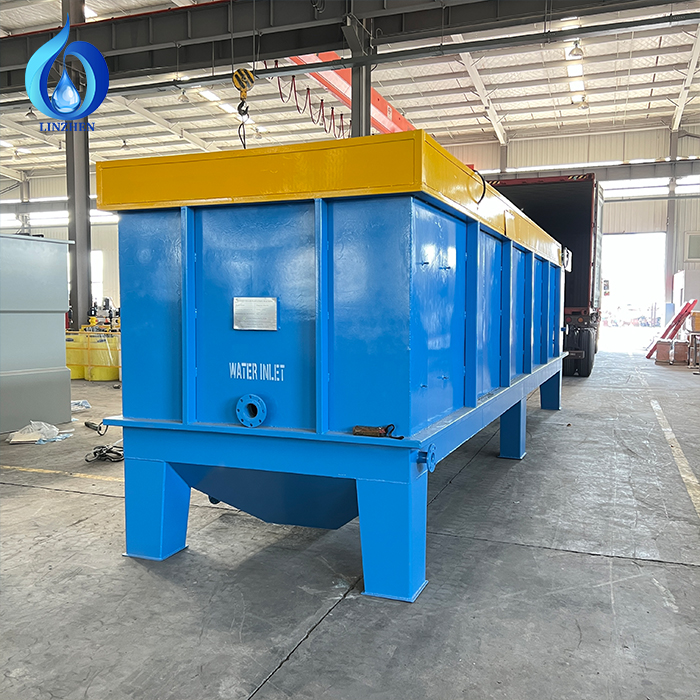
daf wastewater treatment systems operate by introducing fine air bubbles into wastewater under pressure, allowing those bubbles to attach to suspended particles and lift them to the surface as a removable sludge layer. By positioning a daf wastewater treatment unit upstream of an MBR, you create a two-stage defense system that dramatically extends membrane life, reduces cleaning cycles, and improves overall treatment outcomes. This pretreatment approach is now standard practice across food processing, oil and gas, chemical manufacturing, and municipal treatment facilities worldwide.
How DAF Protects MBR System Performance
Removing Oils and Grease Before MBR Stage
Oils and grease are among the most damaging contaminants for MBR membranes because they coat the membrane surface and create a hydrophobic barrier that blocks water passage. When daf wastewater treatment is installed before the MBR, dissolved air flotation lifts these oily compounds to the surface where they form a stable scum layer that is easily skimmed away. Food processing plants, dairy facilities, and restaurant waste treatment systems benefit tremendously from this upstream removal because daf wastewater treatment eliminates the need for aggressive membrane cleaning chemicals and frequent backflushing that would otherwise degrade membrane integrity over time.
Reducing Suspended Solids Load
Suspended solids such as fine silt, clay, organic debris, and biomass fragments represent the second major threat to MBR efficiency. These particles accumulate on and within the membrane pores, causing cake formation and accelerating fouling rates. daf wastewater treatment captures approximately 60 to 80 percent of suspended solids before they reach the membrane stage, which means the MBR operates with a cleaner influent stream and maintains higher flux rates throughout the treatment cycle. This substantial reduction in particulate matter is why industrial operators consistently choose daf wastewater treatment as their pretreatment method of choice before committing wastewater to an MBR unit.
Key Advantages of DAF Pretreatment Integration
Extended Membrane Lifespan and Reduced Replacement Costs
Membrane replacement represents one of the largest capital expenses in MBR operations, with costs ranging from tens of thousands to hundreds of thousands of dollars depending on system scale. By implementing daf wastewater treatment upstream, operators typically extend membrane lifespan by three to five years compared to systems without pretreatment. This translates to substantial cost savings over the treatment plant lifecycle, plus reduced downtime for maintenance and replacement activities. daf wastewater treatment essentially acts as insurance for your membrane investment, protecting it from the harsh particulate and organic load that would otherwise shorten its operational life dramatically.
Improved Overall Treatment Quality and Process Stability
A well-designed daf wastewater treatment system removes not only oils and solids but also volatile organic compounds, ammonia precursors, and BOD-concentrated particles that can destabilize MBR biological processes. When wastewater arrives at the MBR with a cleaner composition, the biological consortium within the reactor remains more stable, nitrification and denitrification proceed more predictably, and effluent quality becomes more consistent. Municipalities and industrial operators using daf wastewater treatment report fewer upset events, more predictable treatment timelines, and effluent that meets regulatory discharge standards more reliably than systems relying on MBR as the sole treatment stage.
Practical Implementation Considerations
Sizing and Design Factors for DAF Units
Selecting the correct size and configuration for daf wastewater treatment requires careful analysis of your incoming wastewater flow rate, contamination profile, and treatment goals. A typical industrial daf wastewater treatment unit must be sized to achieve surface overflow rates between 3 and 8 meters per hour, depending on wastewater characteristics and desired removal efficiency. Underestimation of surface area leads to poor separation and insufficient pretreatment benefit; oversizing increases capital investment without additional performance gain. Engineers designing integrated treatment trains must account for the specific pollutant composition when specifying daf wastewater treatment parameters, ensuring that dissolved air flotation chemistry is optimized through appropriate coagulant and flocculant dosing.
Operational Integration with MBR Systems
daf wastewater treatment units must be operated in continuous or semi-continuous mode to provide steady pretreatment feed to downstream MBR systems. The solids concentration within the MBR bioreactor must remain stable, which requires reliable performance from daf wastewater treatment equipment upstream. Modern control systems monitor DAF effluent quality parameters such as turbidity and suspended solids concentration, automatically adjusting air injection and chemical dosing to maintain consistent performance. This real-time optimization ensures that daf wastewater treatment delivers maximum pretreatment benefit and that the MBR stage receives optimal influent composition for biological treatment and membrane filtration.
FAQ
What specific contaminants does DAF wastewater treatment remove most effectively?
daf wastewater treatment excels at removing oils, fats, grease, suspended solids, and low-density particulates through flotation. It also captures some colloidal matter when combined with appropriate coagulation chemistry. However, daf wastewater treatment is less effective at removing dissolved compounds like nitrogen and phosphorus, which require biological or advanced chemical treatment downstream in the MBR stage.
Can an MBR system operate without DAF pretreatment?
Technically yes, but operating an MBR without daf wastewater treatment upstream significantly reduces membrane life and increases operational costs. Many facilities attempt to skip pretreatment, only to discover within months that membrane fouling accelerates dramatically and maintenance costs spiral upward. daf wastewater treatment pretreatment is considered best practice in the industry specifically because it prevents these costly consequences.
How much sludge does DAF wastewater treatment produce?
Sludge production from daf wastewater treatment typically ranges from 2 to 8 percent of the incoming wastewater volume, depending on contamination levels and coagulant dosing. This sludge is concentrated and easily dewatered, making it manageable for further treatment or disposal. The benefit is that daf wastewater treatment removes this material before it reaches the MBR, preventing biosolids accumulation problems in the biological reactor.
 EN
EN