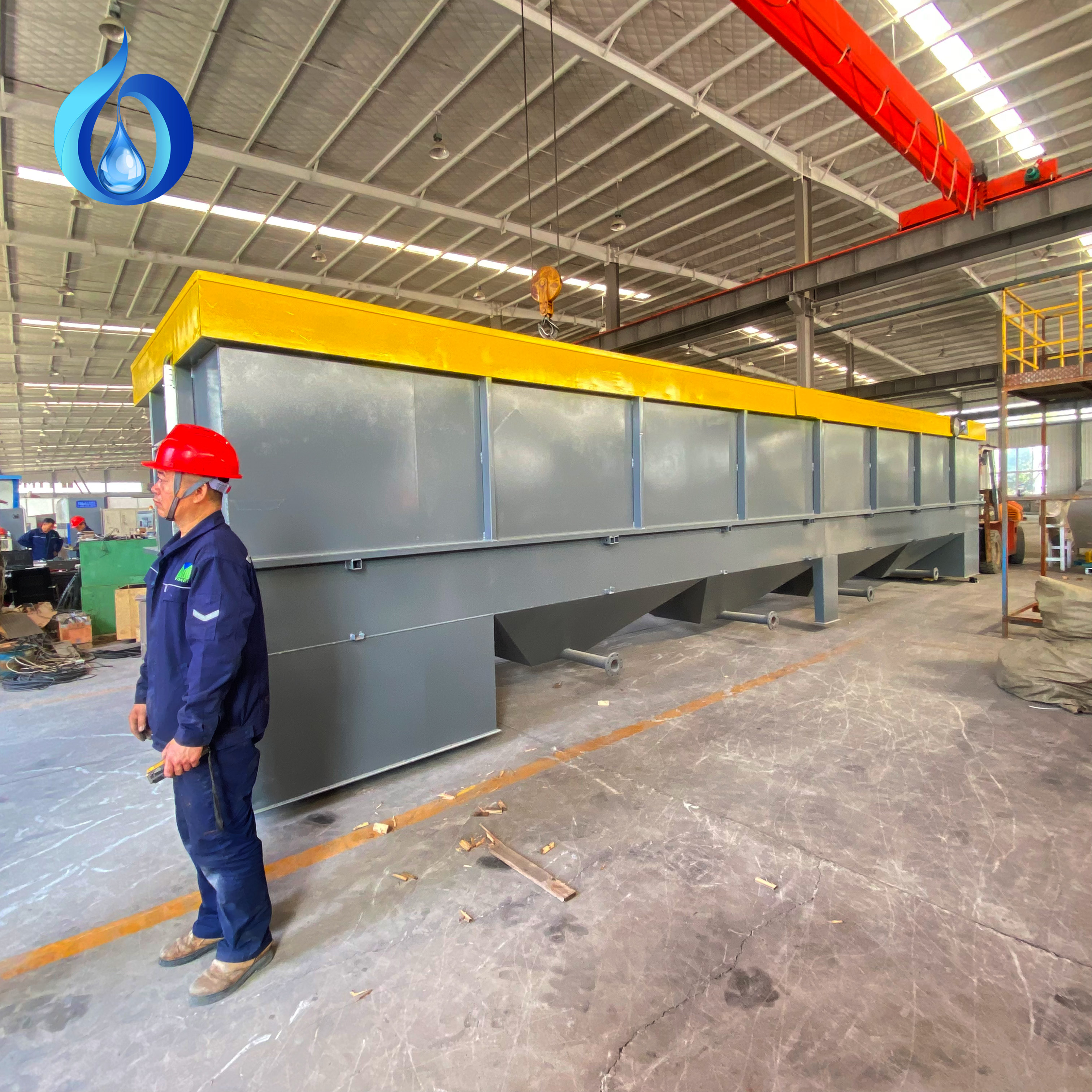
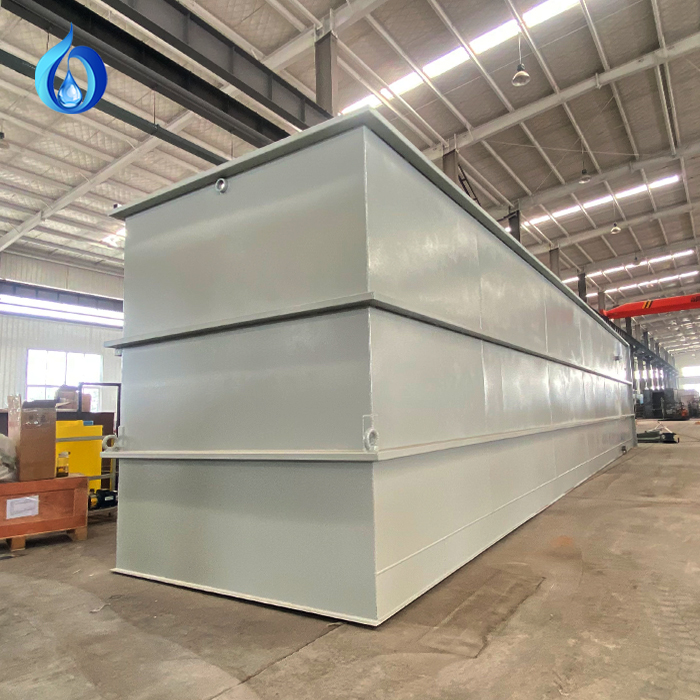
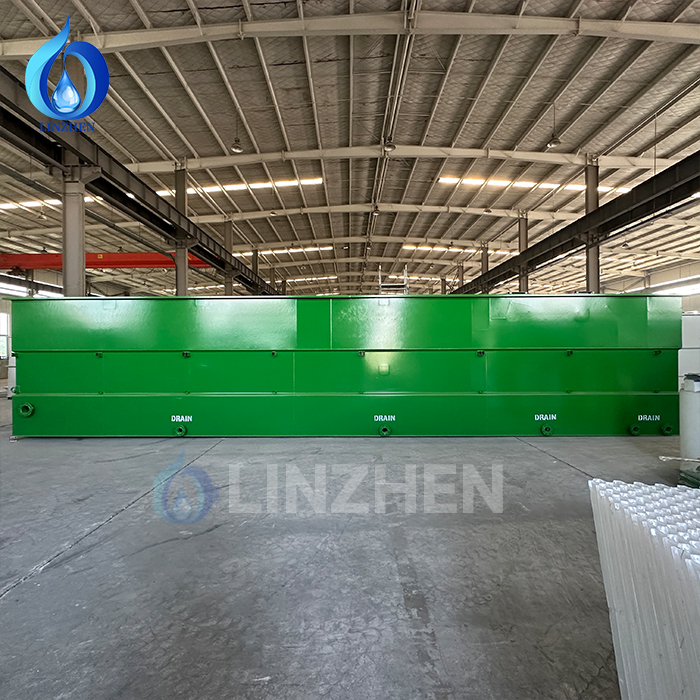
Effective capacity planning for your wastewater treatment plant represents one of the most critical operational decisions industrial facilities must make today. Without proper planning, industries face regulatory penalties, operational disruptions, environmental violations, and unexpected capital expenditures that can strain budgets and damage brand reputation. The stakes have never been higher as environmental regulations tighten globally and discharge standards become increasingly stringent across manufacturing sectors.
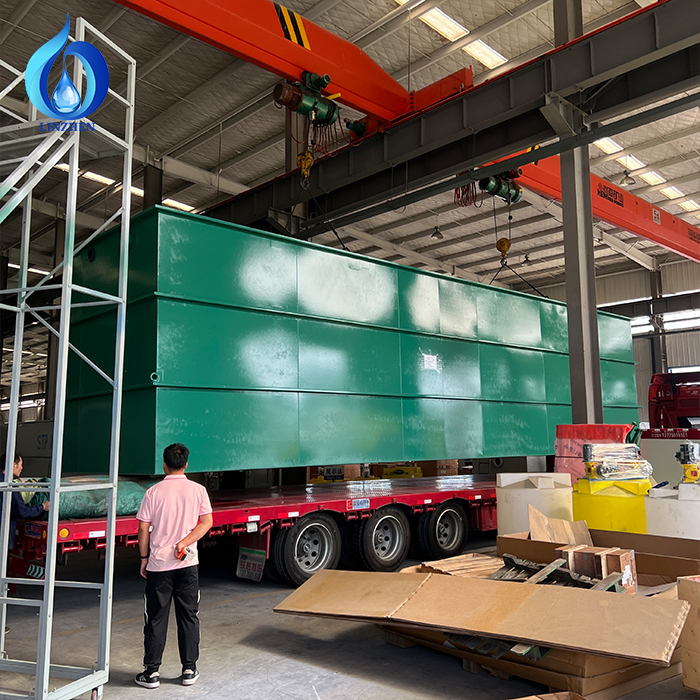
A properly planned wastewater treatment plant ensures your facility can handle current discharge volumes while accommodating future growth without emergency retrofits or system failures. Strategic capacity planning aligns your wastewater treatment plant infrastructure with production forecasts, regulatory evolution, and operational resilience requirements. This proactive approach transforms a compliance obligation into a competitive advantage by protecting operational continuity and demonstrating environmental stewardship to stakeholders.
Understanding Regulatory and Operational Requirements for Wastewater Treatment Plant Design
Compliance Standards Driving Wastewater Treatment Plant Capacity Decisions
Regulatory agencies establish permit limits that directly determine the minimum capacity your wastewater treatment plant must maintain. These limits are not arbitrary; they reflect environmental protection standards designed to protect receiving water bodies and public health. Your facility's wastewater treatment plant must accommodate these permitted discharge volumes reliably, even during peak production periods or seasonal fluctuations. Non-compliance with discharge permits exposes your operation to substantial fines, production shutdowns, and legal liability that can exceed millions of dollars annually.
Many industries face tightening regulations as environmental agencies adopt more protective water quality standards. A wastewater treatment plant designed only to meet current permit levels without future capacity consideration becomes obsolete within years. Industrial operators must evaluate whether regulatory trends suggest stricter limits ahead, requiring advance planning to avoid costly emergency upgrades. Forward-thinking wastewater treatment plant capacity planning protects against regulatory surprise and demonstrates good-faith compliance commitment to regulators.
Production Variability and Peak Load Management in Wastewater Treatment Plant Operations
Industrial production schedules rarely follow uniform daily patterns, yet your wastewater treatment plant must handle peak discharge volumes reliably. Manufacturing facilities experience seasonal demand fluctuations, product-mix changes, and equipment operating variations that directly impact wastewater volume and characteristics. A wastewater treatment plant designed only for average daily flow capacity will fail during peak periods, leading to overflow, untreated discharge, and permit violations. Proper capacity planning includes analysis of peak-to-average flow ratios, which typically range from 1.5 to 3 times average daily discharge.
Understanding your facility's specific peak load profile is essential for wastewater treatment plant design accuracy. Different industries generate different peak patterns: food processing facilities experience distinct seasonal peaks, chemical manufacturers face batch-related surges, and textile operations encounter significant weekend-to-weekday variations. Your wastewater treatment plant must incorporate sufficient treatment unit capacity to handle your industry's characteristic peak scenarios without capacity exceedance or performance degradation.
Long-Term Growth Projections and Scalability in Wastewater Treatment Plant Planning
Anticipating Facility Expansion and Production Growth
Strategic business growth projections must directly inform your wastewater treatment plant capacity planning from the project inception stage. Many industrial facilities underestimate future wastewater volumes, then face expensive treatment system upgrades within five to ten years of initial installation. A properly designed wastewater treatment plant incorporates modularity and scalability features that allow capacity expansion without complete system replacement. Planning for 15 to 20-year operational horizons ensures your wastewater treatment plant investment supports long-term facility development without premature system obsolescence.
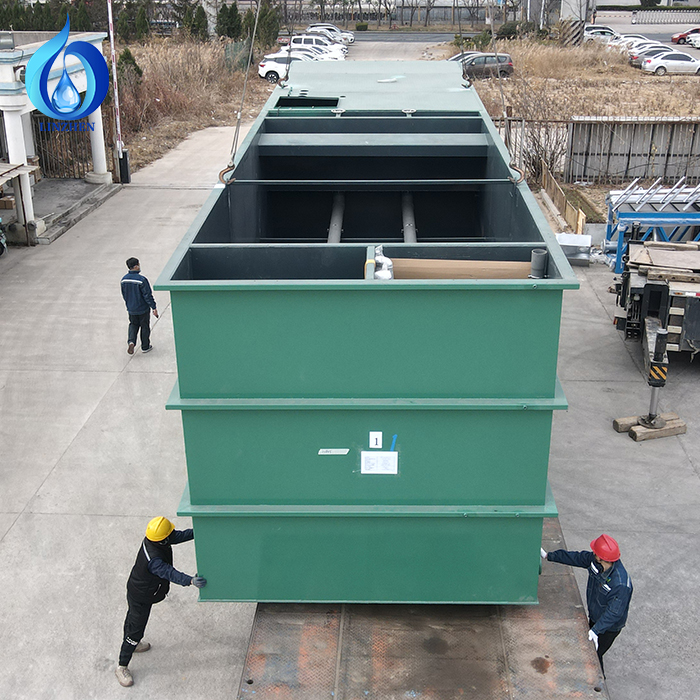
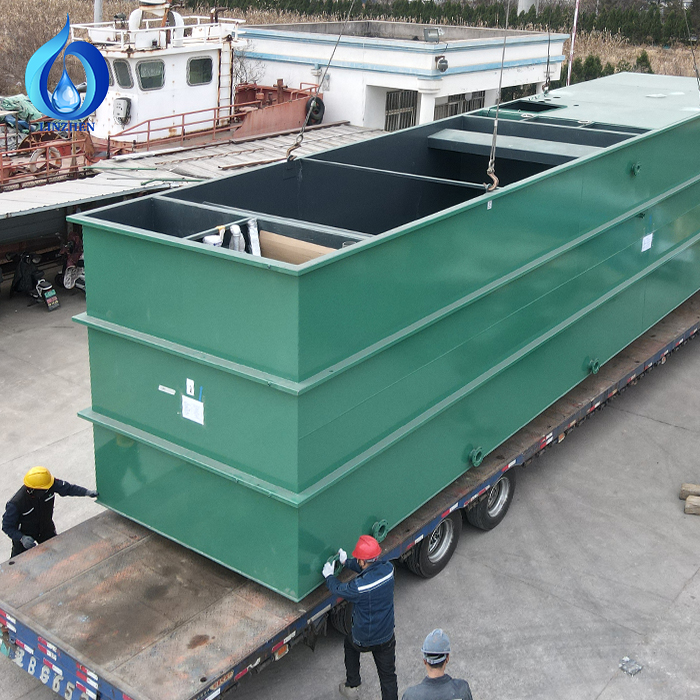
Modular design approaches for your wastewater treatment plant enable cost-effective phased capacity expansion aligned with actual production growth. Treatment tanks, biological reactors, and clarification systems can be designed with redundancy and expandable footprints that accommodate future parallel units. This scalability principle reduces initial capital costs while protecting against stranded infrastructure investments. Your wastewater treatment plant capacity planning should evaluate geographic constraints, utility availability, and operational logistics to ensure expansion feasibility when needed.
Market Evolution and Industry Transition Impacts on Wastewater Treatment Plant Requirements
Industry transitions toward sustainable manufacturing practices and circular economy principles increasingly influence wastewater treatment plant design specifications. Forward-thinking facilities plan wastewater treatment plants with advanced treatment stages that enable water recycling and reuse opportunities. Resource-constrained regions particularly benefit from wastewater treatment plant systems designed with water recovery capabilities, reducing freshwater consumption while decreasing environmental impact. Your wastewater treatment plant capacity planning should account for potential technology adoption that may change your facility's future wastewater discharge characteristics.
Customer environmental requirements and supply chain sustainability expectations now drive wastewater treatment plant investment decisions at many industrial operations. Facilities serving environmentally conscious markets must demonstrate advanced wastewater treatment plant performance through rigorous monitoring, exceptional permit compliance records, and continuous improvement programs. Proper capacity planning ensures your wastewater treatment plant can maintain superior performance standards while supporting your facility's competitive positioning in sustainability-focused markets.
Financial and Risk Management Implications of Inadequate Wastewater Treatment Plant Capacity Planning
Cost Consequences of Emergency Treatment System Upgrades
Emergency wastewater treatment plant capacity expansions cost significantly more than planned upgrades due to compressed timelines, expedited permitting fees, contractor premiums, and production disruption expenses. Facilities that discover inadequate wastewater treatment plant capacity during peak production periods face emergency retrofit costs ranging from 40 to 60 percent higher than planned expansion. These emergency interventions often require extended production shutdowns for system modifications, equipment installation, and regulatory inspection processes. The combined financial impact of emergency capacity expansion often exceeds the costs of proper planning and appropriately designed wastewater treatment plant infrastructure from project inception.
Operational interruptions caused by inadequate wastewater treatment plant capacity directly impact production schedules, customer commitments, and revenue targets. A production halt lasting even a few days can cost industrial facilities hundreds of thousands of dollars in lost output, delayed shipments, and customer relationship damage. Proper wastewater treatment plant capacity planning eliminates this operational risk by ensuring continuous treatment capability aligned with your facility's production requirements and business growth trajectory.
Environmental Liability and Regulatory Risk Mitigation Through Strategic Planning
Environmental enforcement actions against facilities with inadequate wastewater treatment plant capacity have intensified significantly as regulatory agencies prioritize water protection enforcement. Repeated permit violations or documented inadequate wastewater treatment plant performance expose facilities to escalating civil penalties, criminal liability for responsible individuals, and potential facility closure orders. Beyond financial penalties, environmental violations damage corporate reputation, complicate financing relationships, and create employee morale challenges. A well-planned wastewater treatment plant with appropriate capacity buffers and reliable performance records provides substantial regulatory protection and stakeholder confidence.
Insurance and bonding costs increase substantially when facilities demonstrate poor wastewater treatment plant compliance records or face ongoing environmental violations. Lenders and investors scrutinize wastewater treatment plant infrastructure adequacy as a material risk factor affecting facility valuation and operational reliability. Proper capacity planning documents your facility's commitment to environmental stewardship and risk management discipline, improving access to capital and favorable insurance terms. Your wastewater treatment plant represents not just a compliance cost center but a strategic asset that protects financial stability and stakeholder relationships.
FAQ
How far ahead should industrial facilities plan wastewater treatment plant capacity expansion?
Industrial facilities should plan wastewater treatment plant capacity for 15 to 20-year operational horizons minimum, incorporating business growth projections, regulatory evolution expectations, and technology advancement opportunities. This extended planning horizon prevents costly emergency upgrades while ensuring your wastewater treatment plant investment supports sustainable long-term facility development. Facilities experiencing rapid growth may need to incorporate even longer planning horizons or design modular wastewater treatment plant systems with expandable capacity stages.
What production volume data is essential for accurate wastewater treatment plant capacity planning?
Accurate wastewater treatment plant capacity planning requires detailed analysis of average daily wastewater flows, peak hourly or daily discharge volumes, seasonal variation patterns, and wastewater characteristics including contaminant concentrations and pH variations. Historical production data spanning multiple years helps reveal true peak-to-average flow ratios and seasonal patterns that should inform wastewater treatment plant design specifications. Engineers must also understand your facility's specific manufacturing processes and any future product-mix changes that could alter wastewater treatment plant requirements significantly.
Can modular wastewater treatment plant design support both cost efficiency and future expansion needs?
Yes, modular wastewater treatment plant design enables cost-effective initial installation while providing scalable capacity expansion aligned with actual production growth. Treatment systems designed with parallel treatment units, redundant equipment, and expandable equipment footprints allow phased capacity increases that distribute capital costs across multiple budgeting cycles. This modular approach also reduces operational risk by maintaining treatment reliability through redundancy while your wastewater treatment plant grows to accommodate facility expansion.
 EN
EN