Modern industrial manufacturing facilities generate massive volumes of contaminated process water daily, making reliable wastewater treatment an essential operational component for long-term commercial success. Raw industrial effluent contains complex mixtures of synthetic chemicals, heavy suspended solids, emulsified oils, and toxic heavy metals that cannot be safely discharged directly into public sewer systems or natural water bodies. Investing in state-of-the-art wastewater treatment for manufacturers protects essential facility operating licenses, mitigates severe financial exposure, and secures municipal discharge permits. Furthermore, establishing a dependable, automated wastewater treatment strategy transforms environmental compliance requirements into a distinct competitive advantage that enhances overall business performance and long-term facility valuation.
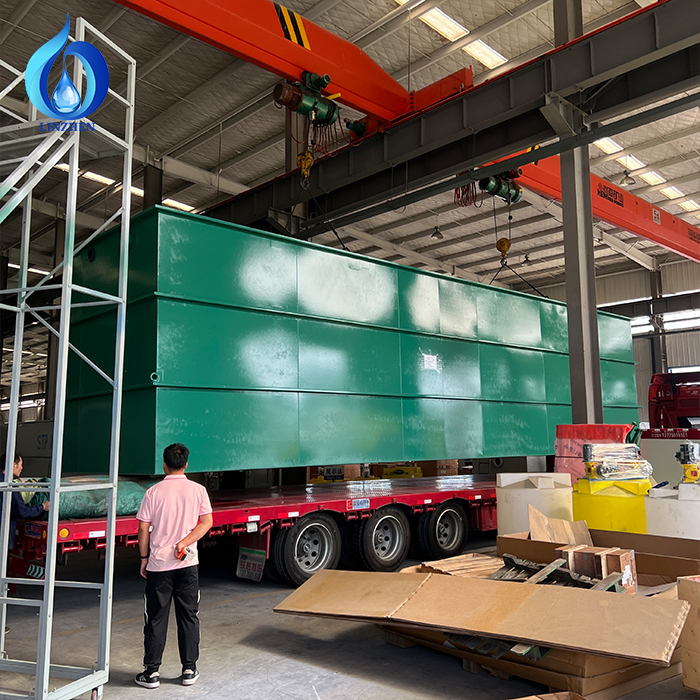
The core value proposition of commercial wastewater treatment extends far beyond simply meeting basic statutory legal obligations. Industrial enterprises leveraging strategic wastewater treatment for manufacturers realize significant reductions in municipal utility fees, recover valuable raw production inputs, and protect sensitive process equipment from premature mechanical wear. Advanced, automated wastewater treatment platforms incorporate real-time monitoring instruments that simplify compliance record-keeping and guarantee reliable, continuous permit adherence for complex, high-capacity industrial manufacturing sites.
Regulatory Requirements and Risk Management
Meeting Industrial Discharge Guidelines
Manufacturing plants operate under stringent environmental regulatory frameworks that mandate exact parameter limits on industrial liquid discharge. Modern wastewater treatment systems process complex effluent to carefully control pH levels, thermal conditions, chemical oxygen demand, and total suspended solids before municipal release. Regulatory authorities perform routine site inspections and demand fully documented discharge records. Establishing robust, continuous industrial wastewater compliance measures through reliable wastewater treatment equipment shields industrial facilities from massive regulatory fines, forced operational shutdowns, and severe corporate reputational damage.
Proactive Operational Safeguards Through Treatment
Neglecting effective wastewater treatment for manufacturers creates severe operational liabilities that can disrupt daily manufacturing workflows. Improperly managed industrial effluent degrades public sewer infrastructure, frequently resulting in substantial municipal remediation costs levied against the industrial facility owner. Inadequate wastewater treatment practices risk immediate operating permit suspensions or emergency shutdown orders, abruptly halting factory production lines. Achieving proactive regulatory risk mitigation through dedicated, high-efficiency wastewater treatment guarantees uninterrupted manufacturing productivity while maintaining favorable corporate insurance rates.
Financial Benefits and Resource Optimization
Lowering Expenses and Recovering Valuable Inputs
Strategic implementation of modern wastewater treatment infrastructure yields measurable economic returns across daily manufacturing operations. Advanced wastewater treatment for manufacturers actively extracts concentrated heavy metals, process oils, and chemical solvents from waste lines, creating reusable materials that cut raw material procurement budgets. Implementing aggressive manufacturing water reuse practices reduces municipal freshwater intake needs, substantially shrinking monthly utility expenses. Furthermore, efficient wastewater treatment minimizes final sludge volumes, directly reducing third-party waste transport and landfill disposal costs.
Protecting Plant Equipment and Boosting Efficiency
Heavy industrial machinery processing untreated or poorly managed effluent suffers from scale accumulation, chemical corrosion, and heavy particulate fouling that accelerates mechanical failure rates. Installing comprehensive wastewater treatment systems eliminates abrasive solids and corrosive chemical compounds, extending the operational service life of internal piping networks, industrial pumps, and heat exchangers. Manufacturing plants maintaining robust wastewater treatment for manufacturers experience far fewer unscheduled maintenance events, preserving output consistency. Additionally, automated wastewater treatment machinery lowers manual labor oversight demands, allowing maintenance technicians to focus on core manufacturing priorities.
Sustainability Goals and Commercial Brand Equity
Strengthening Environmental Credentials and Market Position
Corporate procurement directors and commercial buyers actively evaluate industrial suppliers based on verified environmental performance, making effective wastewater treatment a major commercial asset. Manufacturing plants that consistently demonstrate rigorous industrial wastewater compliance build lasting trust with environmentally conscious clients and qualify for preferred supplier status with major global corporations. Responsible wastewater treatment for manufacturers protects local watersheds and ecosystems, fostering strong community relationships and streamlining future plant expansion approvals.
Resource Conservation and Long-Term Operational Resilience
Increasing water scarcity challenges industrial manufacturing regions globally, compelling factories to preserve shared freshwater resources through high-efficiency wastewater treatment solutions. Deploying advanced manufacturing water reuse technology drastically cuts operational reliance on stressed local groundwater reserves during severe drought conditions. Industrial facilities adopting comprehensive wastewater treatment strategies build strong operational resilience against future environmental regulations and water supply restrictions. Investing in premium wastewater treatment for manufacturers secures stable production capacity and strengthens long-term commercial growth.
FAQ
Why is wastewater treatment vital for industrial permit compliance?
Proper wastewater treatment is mandatory because environmental authorities enforce strict legal limits on industrial discharge parameters like pH, heavy metals, and organic load. Non-compliant facilities face heavy legal fines, emergency shutdowns, or permit revocations. Implementing reliable wastewater treatment for manufacturers guarantees continuous permit adherence while automatically generating verifiable compliance logs for regulatory audits.
How does wastewater treatment lower overall factory operating expenditures?
Deploying efficient wastewater treatment reduces operating expenses by recovering valuable process inputs, enabling manufacturing water reuse to cut municipal water bills, reducing off-site sludge disposal fees, and protecting machinery from corrosive wear. Automated wastewater treatment systems further minimize labor demands and emergency maintenance expenses.
Can wastewater treatment enhance a facility's competitive standing in the market?
Yes, implementing advanced wastewater treatment for manufacturers elevates brand reputation, satisfies corporate sustainability standards, and unlocks new commercial opportunities with eco-conscious business partners. Demonstrating consistent industrial wastewater compliance lowers supply chain risk and secures market leadership. Integrating a high-efficiency wastewater treatment plant transforms environmental compliance into a strategic corporate asset.
 EN
EN