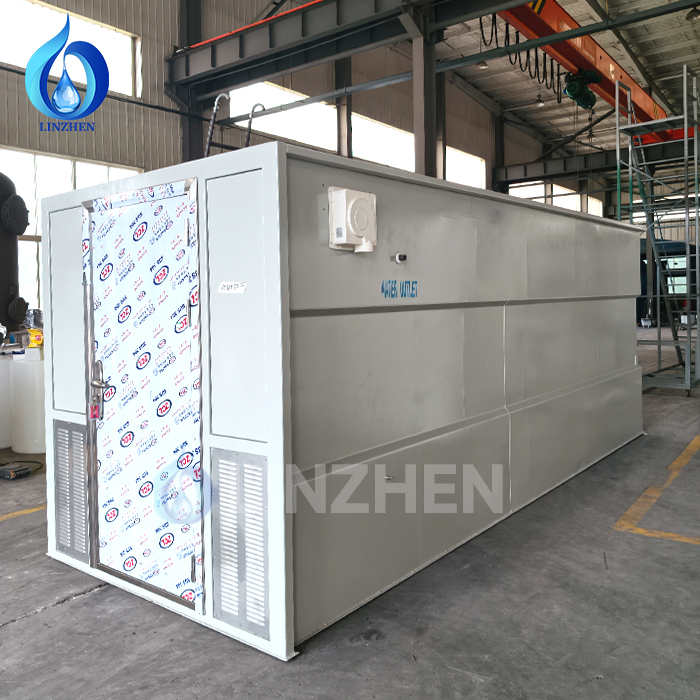
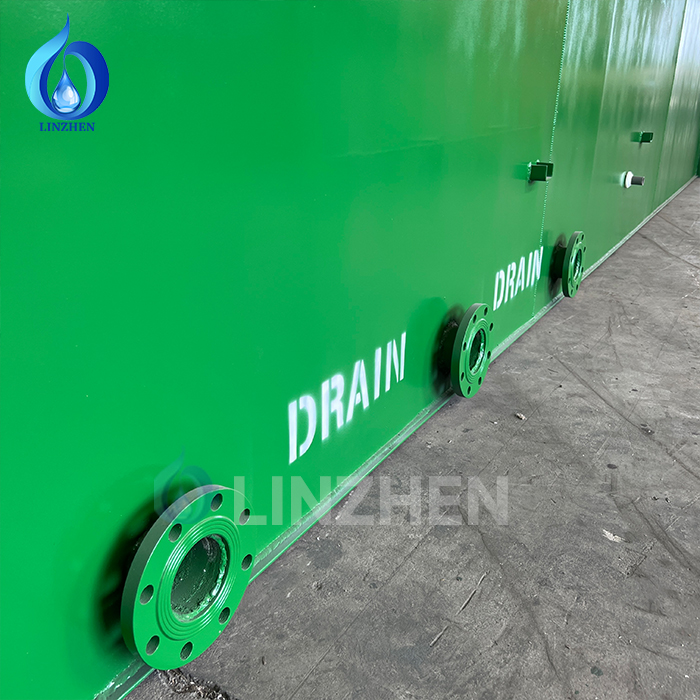
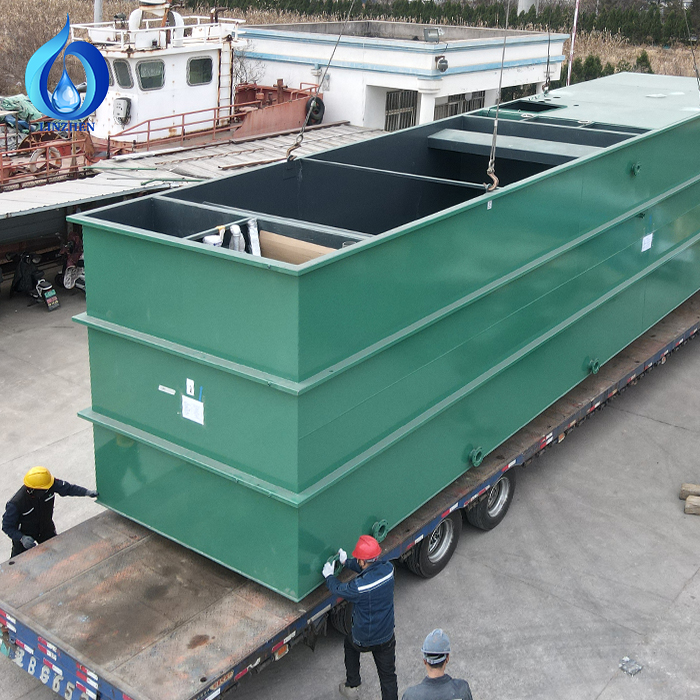
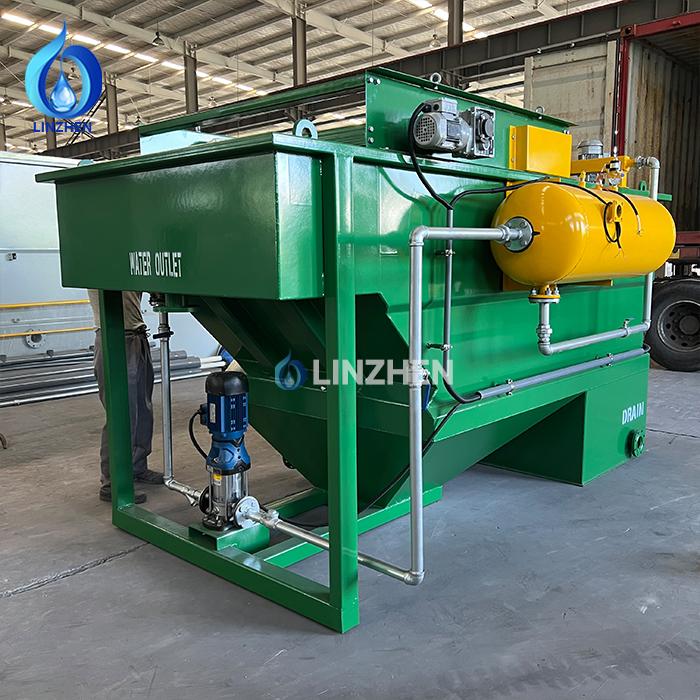
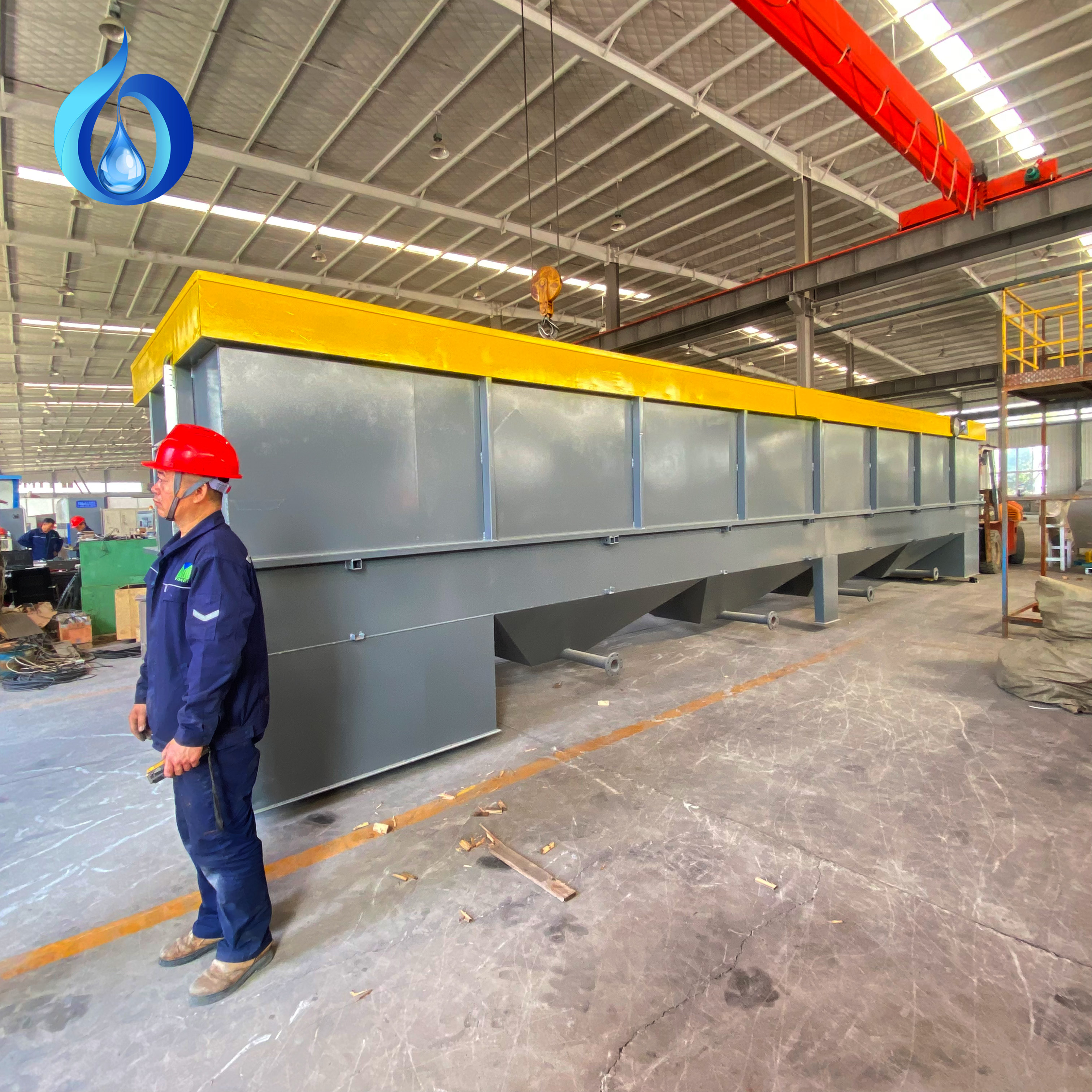
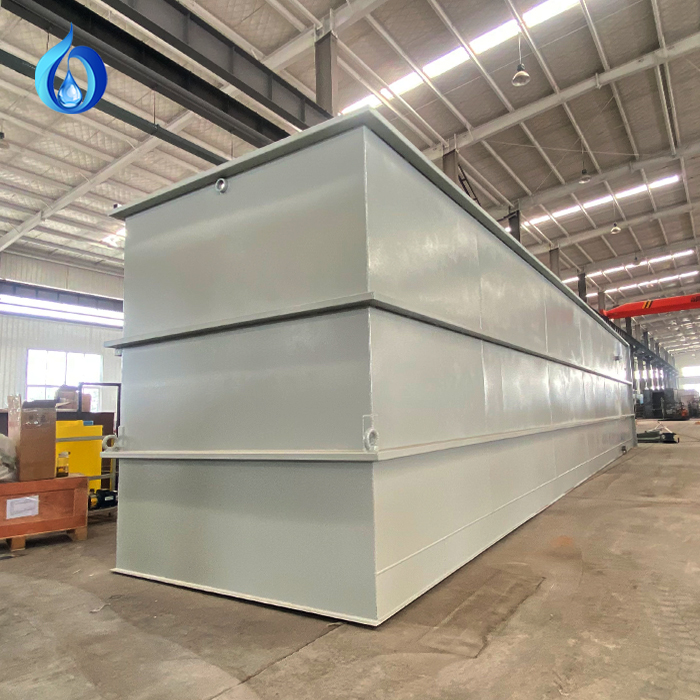
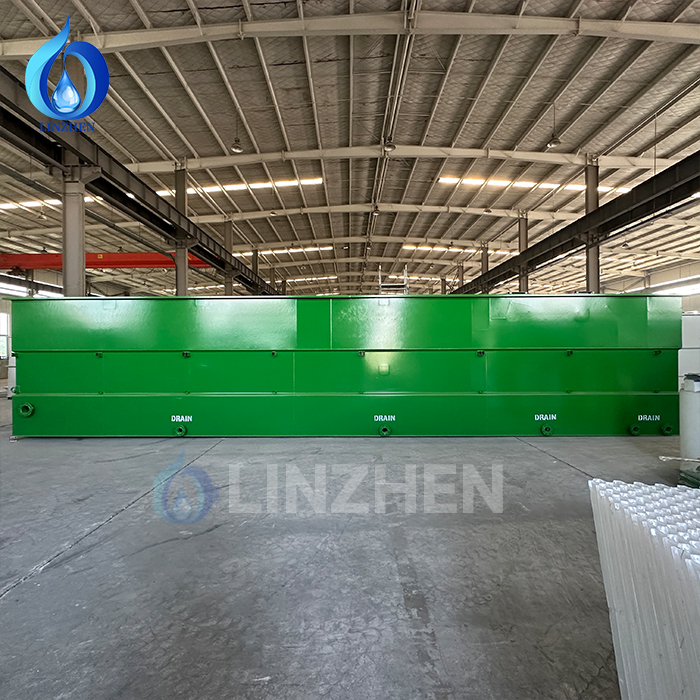
Urban centers face mounting pressure to manage wastewater responsibly, making sewage treatment one of the most critical infrastructure investments for modern cities. The efficiency of sewage treatment directly influences public health outcomes, environmental protection, and long-term economic sustainability. When sewage treatment operates at peak performance, cities prevent disease transmission, protect freshwater ecosystems, and reduce the financial burden of cleanup and remediation. Understanding why sewage treatment efficiency matters is essential for municipal planners, environmental professionals, and community leaders who recognize that water quality defines urban livability.
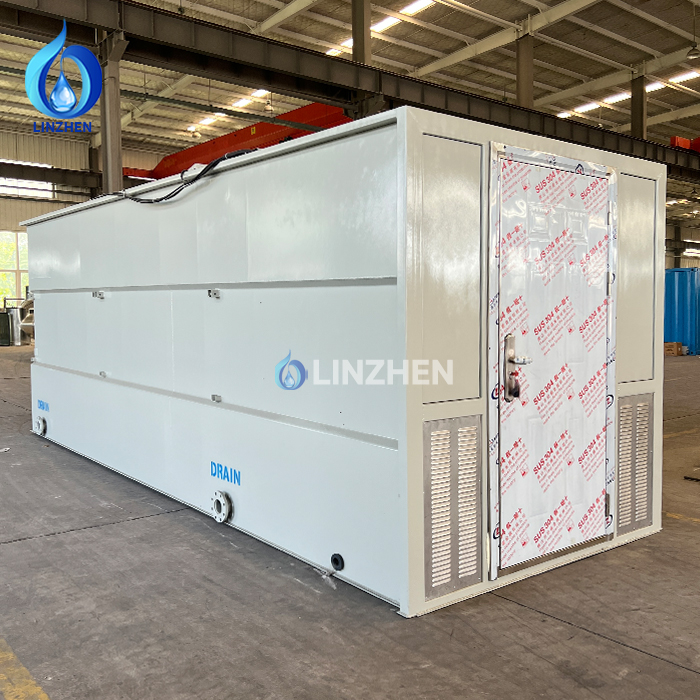
Sewage treatment systems handle massive daily volumes of wastewater from households, businesses, and industries. Every liter processed through a sewage treatment facility must meet rigorous discharge standards before returning to rivers, lakes, and aquifers. Without efficient sewage treatment processes, untreated or poorly treated effluent compromises water sources that communities depend on for drinking, irrigation, and recreation. This article explores the fundamental reasons why sewage treatment efficiency is non-negotiable for urban water management and how optimization strategies strengthen city infrastructure.
Public Health Protection Through Effective Sewage Treatment
Disease Prevention and Pathogen Removal
Sewage contains dangerous pathogens including bacteria, viruses, and parasites that cause cholera, typhoid, hepatitis, and dysentery. Efficient sewage treatment eliminates these pathogens through multi-stage biological and chemical processes that render wastewater safe for the environment. When sewage treatment fails or operates below design capacity, pathogens escape into water supplies and cause widespread illness. Cities with unreliable sewage treatment infrastructure experience higher rates of waterborne disease, particularly among vulnerable populations including children and elderly residents. Public health agencies recognize that investing in robust sewage treatment efficiency is far more cost-effective than managing disease outbreaks and their associated healthcare burdens.
Nutrient and Chemical Removal
Industrial facilities and urban households release nitrogen, phosphorus, and synthetic chemicals into sewage streams. Inadequate sewage treatment allows these substances to contaminate receiving waters, causing eutrophication and toxic algal blooms that devastate aquatic ecosystems and threaten human health. Modern sewage treatment technologies remove ninety to ninety-five percent of these contaminants when properly operated and maintained. Communities that prioritize sewage treatment efficiency enjoy cleaner waterways, healthier fisheries, and safer recreational zones. The long-term health dividend from efficient sewage treatment justifies the substantial capital investment required to build and upgrade treatment facilities.
Environmental and Ecosystem Resilience
Protecting Freshwater and Coastal Ecosystems
Rivers and lakes receiving poorly treated sewage experience oxygen depletion, fish kills, and loss of aquatic habitat. Efficient sewage treatment prevents these ecosystem collapses by reducing biochemical oxygen demand and removing toxic substances before discharge. Coastal cities depend particularly on sewage treatment efficiency because ocean pollution accumulates in bays and estuaries where water circulation is limited. Marine ecosystems including coral reefs, kelp forests, and shellfish beds suffer irreversible damage when exposed to high-nutrient or contaminated sewage. Governments increasingly recognize that protecting natural water resources requires sewage treatment systems operating reliably at design specifications.
Groundwater Protection and Aquifer Sustainability
Poorly managed sewage infiltrates soil and contaminates groundwater aquifers that supply drinking water to millions of people worldwide. Efficient sewage treatment prevents this infiltration by ensuring wastewater is properly processed before any environmental exposure. Once an aquifer becomes contaminated, remediation can take decades and cost billions of dollars. Cities in arid and semi-arid regions face particularly acute challenges because groundwater represents their only reliable freshwater source, making sewage treatment efficiency absolutely essential. Investment in advanced sewage treatment technology protects these irreplaceable resources for future generations.
Economic and Infrastructure Optimization
Reducing Long-Term Treatment Costs
Inefficient sewage treatment requires extensive downstream water purification before drinking water distribution, multiplying treatment costs exponentially. A city that achieves sewage treatment efficiency at the source eliminates the need for expensive tertiary treatment, activated carbon filtration, and advanced oxidation processes. Over twenty-year facility lifecycles, optimized sewage treatment reduces operational expenses by thirty to fifty percent compared to poorly functioning systems. Municipalities that upgrade aging sewage treatment infrastructure often recover their capital investment within ten to fifteen years through operational savings and avoided cleanup expenses. Strategic sewage treatment investment creates fiscal resilience that protects municipal budgets from escalating water management costs.
Industrial Reuse and Resource Recovery
Modern sewage treatment generates valuable byproducts including biosolids for agricultural use and recovered materials that offset treatment costs. Advanced sewage treatment systems capture methane for energy production and extract phosphorus for fertilizer manufacturing. Cities achieving high sewage treatment efficiency unlock circular economy opportunities that create revenue streams and reduce resource consumption. Industrial partners increasingly seek treated effluent for cooling systems and process water applications, reducing freshwater withdrawal pressure. Efficient sewage treatment transforms municipalities from expense centers into resource-generating facilities that support broader sustainability goals.
Regulatory Compliance and Smart Urban Development
Meeting Discharge Standards and Permits
Environmental regulations mandate specific discharge standards for treated sewage, including limits on suspended solids, nutrients, pathogens, and toxic substances. Inefficient sewage treatment creates violations that trigger fines, legal action, and public accountability. Regulatory agencies increasingly require real-time monitoring and adaptive management of sewage treatment operations to ensure consistent compliance. Cities that maintain sewage treatment efficiency demonstrate environmental stewardship and attract investment from environmentally conscious businesses. Conversely, municipal sewage treatment failures generate negative media coverage and undermine public confidence in city governance.
Supporting Population Growth and Urban Resilience
Urban populations worldwide continue growing, placing intense pressure on aging sewage treatment infrastructure designed for smaller communities. Cities planning population growth must expand sewage treatment capacity while maintaining efficiency through process optimization and technology upgrades. Climate change increases the frequency of extreme rainfall events that overwhelm combined sewage systems and reduce treatment effectiveness. Resilient urban water management requires sewage treatment systems that can handle peak flows without compromising treatment quality. Forward-thinking municipalities invest in decentralized sewage treatment technologies and green infrastructure that enhance efficiency while reducing peak demand on centralized facilities.
FAQ
What are the primary stages of modern sewage treatment?
Modern sewage treatment typically includes primary treatment for physical separation of solids, secondary biological treatment using microorganisms to break down organic matter, and tertiary polishing stages that remove remaining nutrients and pathogens. Each stage removes specific contaminants and prepares the effluent for the next treatment process, with overall sewage treatment efficiency depending on proper operation and maintenance throughout all stages.
How does sewage treatment efficiency impact drinking water costs?
Efficient sewage treatment at the source reduces the burden on municipal drinking water treatment facilities, lowering the chemicals, energy, and labor required to purify water for distribution. Communities with poor sewage treatment must invest heavily in advanced water purification to meet drinking water standards, significantly raising consumer costs. Strategic investment in sewage treatment efficiency keeps drinking water affordable while protecting public health.
Can sewage treatment facilities handle extreme weather events?
Traditional sewage treatment systems can be overwhelmed by severe rainfall or flooding that forces combined sewers to bypass treatment entirely. Modern facilities use storage tanks, real-time monitoring, and process optimization to improve sewage treatment reliability during extreme events. Cities increasingly adopt green infrastructure and decentralized treatment to enhance overall sewage treatment resilience and reduce environmental contamination when centralized facilities reach capacity.
 EN
EN