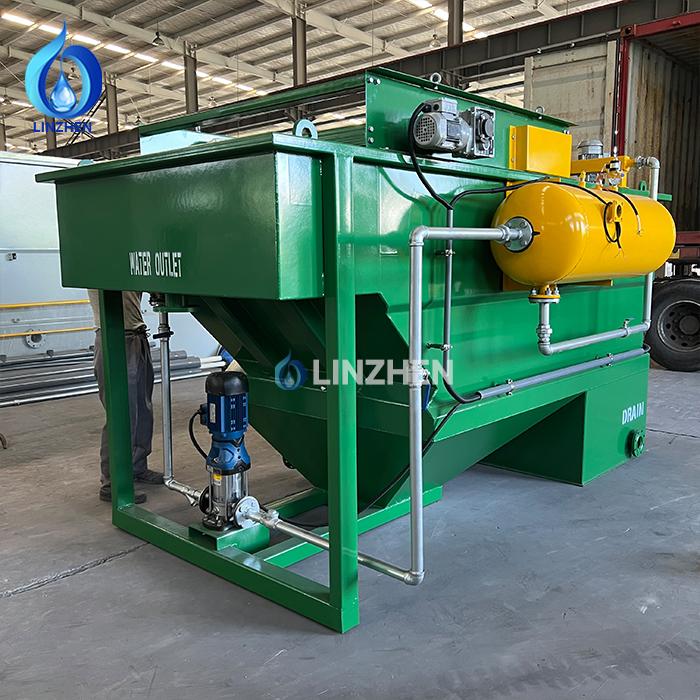
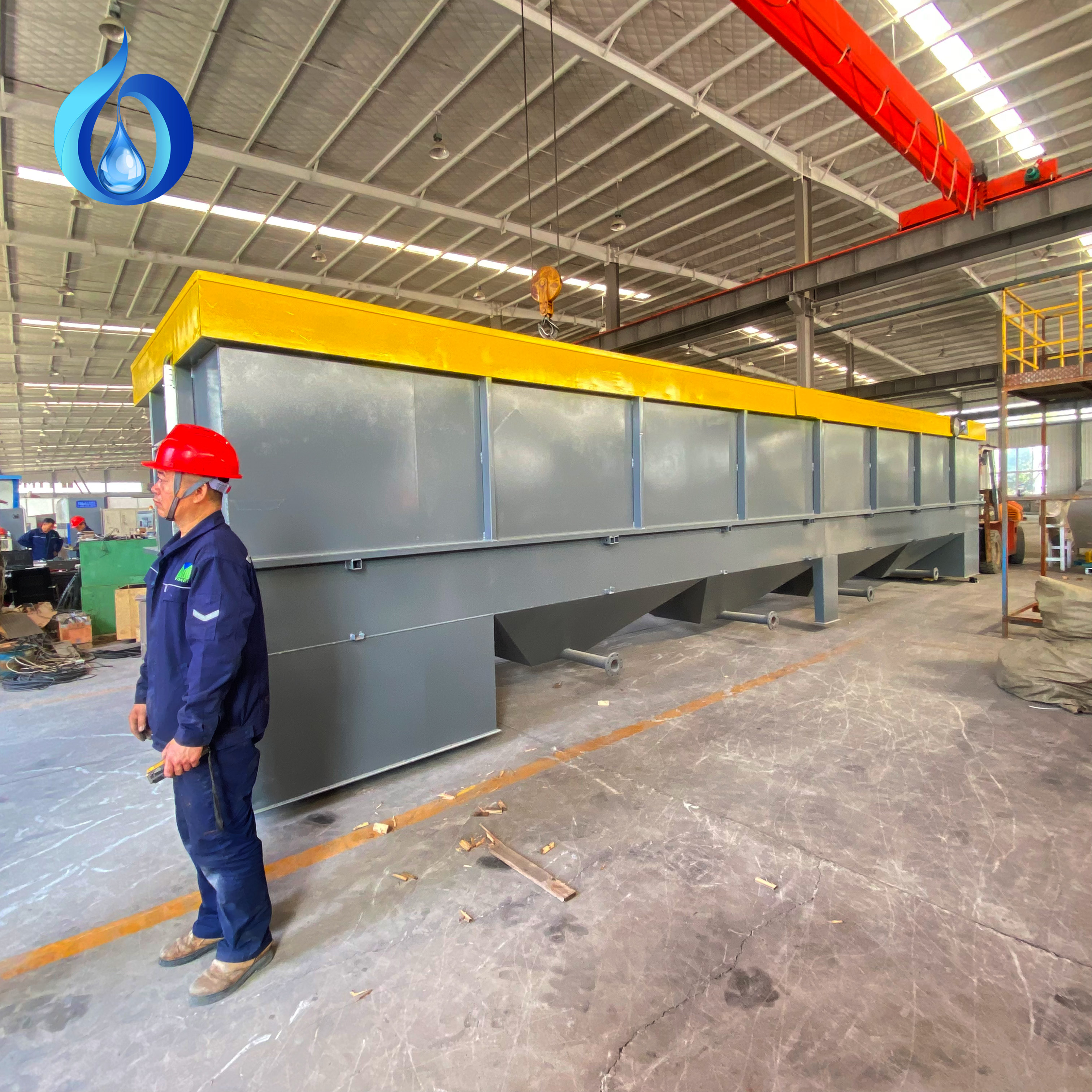
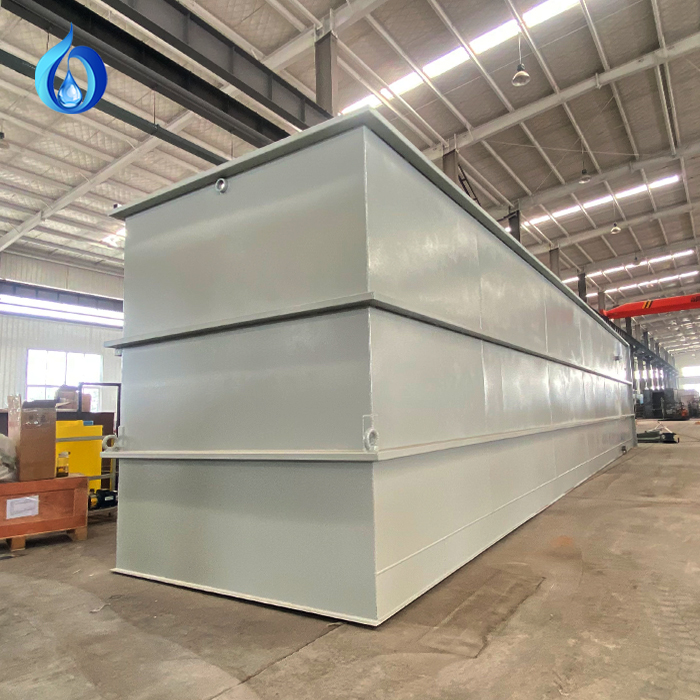
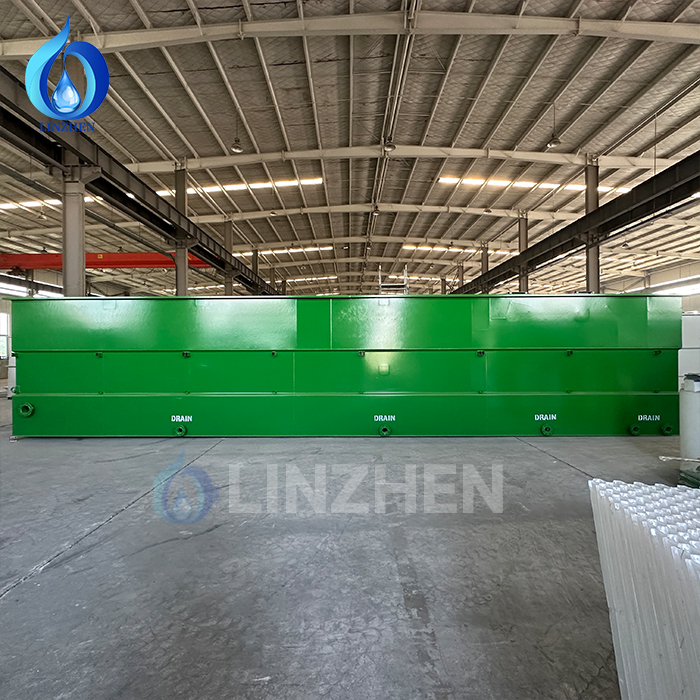
Accelerating global water scarcity is transforming manufacturing and municipal operational priorities, particularly within arid and semi-arid geographies where natural freshwater supplies are rapidly diminishing. Utilizing advanced MBR wastewater treatment has emerged as a fundamental operational strategy, allowing facilities to convert industrial effluent into process-grade recycled water and significantly reduce dependence on public water grids. Transitioning to modern MBR wastewater treatment represents an essential economic safeguard for commercial operations navigating severe regulatory pressures, escalating utility tariffs, and tight environmental discharge thresholds across water-scarce regions.
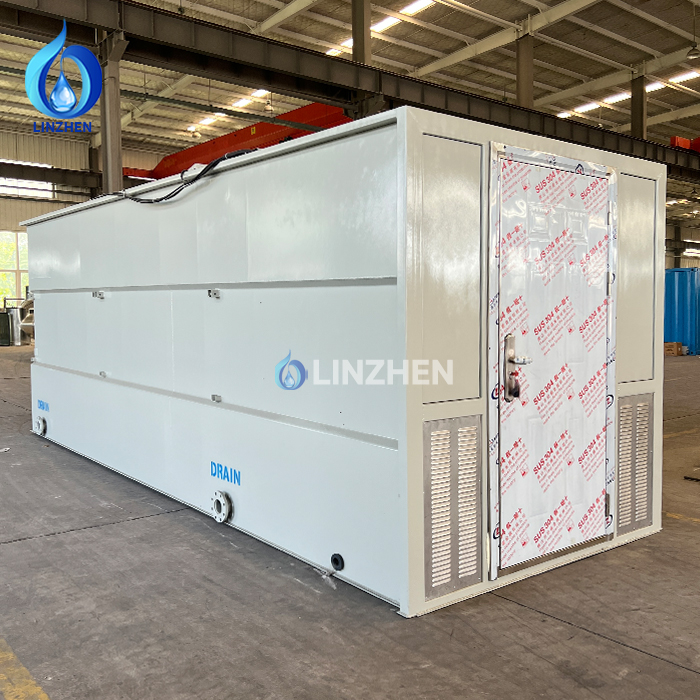
Widespread adoption of high-performance MBR wastewater treatment across drought-prone areas stems from the clear technical limitation of legacy secondary treatment. Conventional activated sludge processes simply cannot guarantee the extreme effluent purity required for direct facility reuse. By integrating microfiltration or ultrafiltration membrane modules directly into the biological aeration zone, high-efficiency MBR wastewater treatment produces clarified water suitable for cooling towers, boiler feed makeup, agricultural irrigation, and advanced purification processes. Utilizing reliable MBR wastewater treatment converts waste streams into reliable long-term operational assets.
Superior Effluent Purity and Economic Returns via MBR Systems
Ultrafiltration Advantages in Arid Operating Conditions
The decisive reason behind selecting MBR wastewater treatment is its unmatched capability to generate consistently ultra-clean effluent. By combining biological oxidation with absolute membrane physical barriers, high-efficiency MBR wastewater treatment removes suspended solids, bacteria, and micro-particles far more effectively than traditional secondary clarification basins. For facilities located in water-stressed regions, this technical advantage enables direct water recirculation across heavy industrial processes, cooling towers, and facility maintenance without requiring multi-stage secondary polishing.
Operational security achieved through MBR wastewater treatment is invaluable when competing for limited municipal water allocations. Regulators in arid regions routinely require manufacturing facilities to demonstrate robust water recycling capacity prior to granting operating permits. Because implementing MBR wastewater treatment consistently satisfies rigorous environmental reuse criteria, facilities receive regulatory approvals faster and protect their long-term supply chains from unexpected municipal water cuts.
Financial Payback and Savings from Industrial Water Recycling
Escalating municipal supply fees make investing in MBR wastewater treatment highly lucrative despite initial capital costs. Plants implementing automated MBR wastewater treatment reduce raw freshwater intake by 30 to 60 percent, depending on internal reuse architecture. Over a typical 10 to 15-year equipment service life, cumulative savings generated from reduced freshwater purchases easily exceed total capital expenditure, delivering excellent long-term financial returns for facility owners operating under high water tariffs.
Furthermore, installing state-of-the-art MBR wastewater treatment opens access to government subsidies, conservation grants, and favorable green financing programs. Water utility managers in arid zones actively incentivize commercial MBR wastewater treatment installation by offering cash rebates tied directly to verified recycling volumes. These attractive financial incentives significantly shorten the initial capital payback period for commercial MBR wastewater treatment, often achieving full ROI within five to eight operating years.
Regulatory Compliance, Operational Resilience, and Space Optimization
Exceeding Permit Standards with MBR Wastewater Treatment
Environmental regulators in water-scarce territories impose strict discharge standards to preserve regional aquifers and natural river systems. Enterprise-grade MBR wastewater treatment produces high-quality treated effluent that meets strict global standards, including California Title 22 and Singapore NEWater benchmarks. Deploying robust MBR wastewater treatment prevents costly environmental fines, operational shutdowns, and legal liabilities associated with non-compliance.
The stable performance of modern MBR wastewater treatment simplifies environmental compliance monitoring and permit reporting. Because physical membrane barriers maintain consistent pathogen filtration, an active MBR wastewater treatment configuration resists shock loads, seasonal feed variations, and chemical upsets that typically disrupt conventional settling tanks. Environmental agencies recognize this inherent reliability, often awarding facilities utilizing MBR wastewater treatment with simplified compliance audit schedules and reduced sampling frequencies.
Compact Footprint and Climate Change Resilience
Unpredictable drought conditions and regional climate shifts make secure water access essential for business continuity. Operating an on-site MBR wastewater treatment plant ensures continuous availability of recycled process water independent of public utility restrictions. During extreme drought events, factories equipped with MBR wastewater treatment maintain full production lines while competitors face mandatory supply reductions and costly operational curtailments.
In addition, space constraints in urban industrial zones make compact equipment layout essential. A fully integrated MBR wastewater treatment footprint is 30 to 50 percent smaller than traditional activated sludge systems processing equivalent daily volumes. Combining biological oxidation and solid-liquid separation within a unified tank layout makes MBR wastewater treatment the ideal upgrade solution for space-restricted factories seeking higher processing capacity without purchasing additional real estate.
FAQ
What is the typical operational lifespan of MBR wastewater treatment membrane modules?
Membranes used in modern MBR wastewater treatment systems typically last between 5 and 10 years depending on feed water quality, maintenance practices, and operating flux rates. Establishing routine preventive maintenance and regular chemical cleaning schedules ensures optimal MBR wastewater treatment performance and maximizes membrane service life.
Can an MBR wastewater treatment system accommodate variable industrial flow rates?
Yes, automated MBR wastewater treatment plants effectively manage wide flow fluctuations using equalization tanks and flexible aeration controls. Operating personnel can easily adjust membrane flux rates within the MBR wastewater treatment system to handle influent volume surges from 50% to 200% without degrading final effluent quality.
What additional polishing stages follow MBR wastewater treatment for potable water applications?
For direct or indirect potable reuse, effluent from an MBR wastewater treatment system typically passes through reverse osmosis, granular activated carbon filtration, and ultraviolet (UV) disinfection to eliminate dissolved trace organics, minerals, and residual contaminants.
 EN
EN