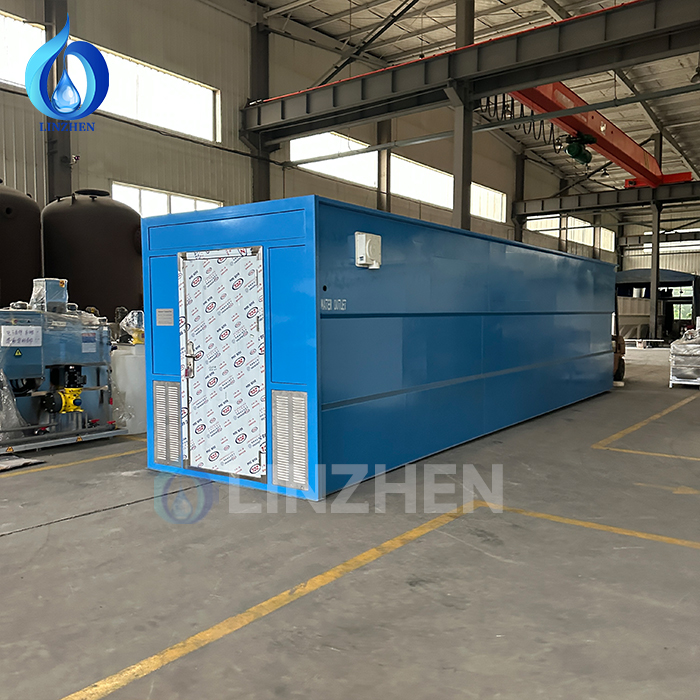
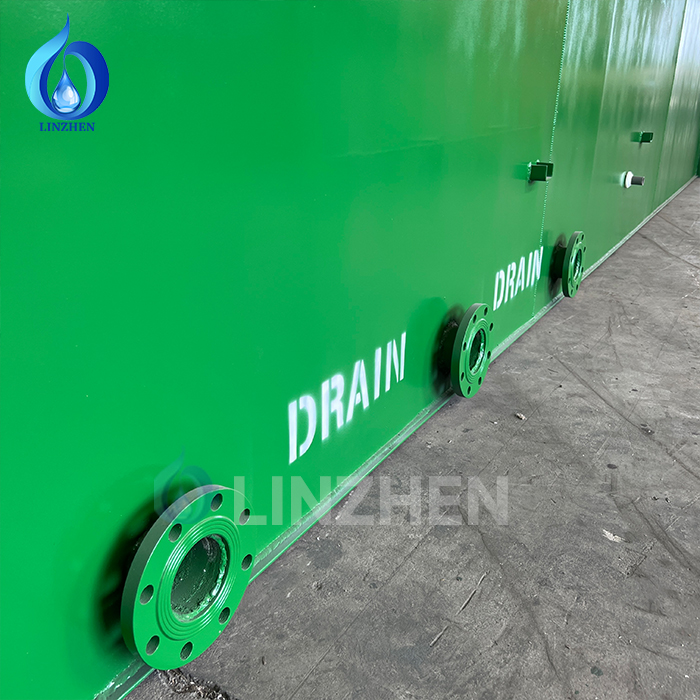
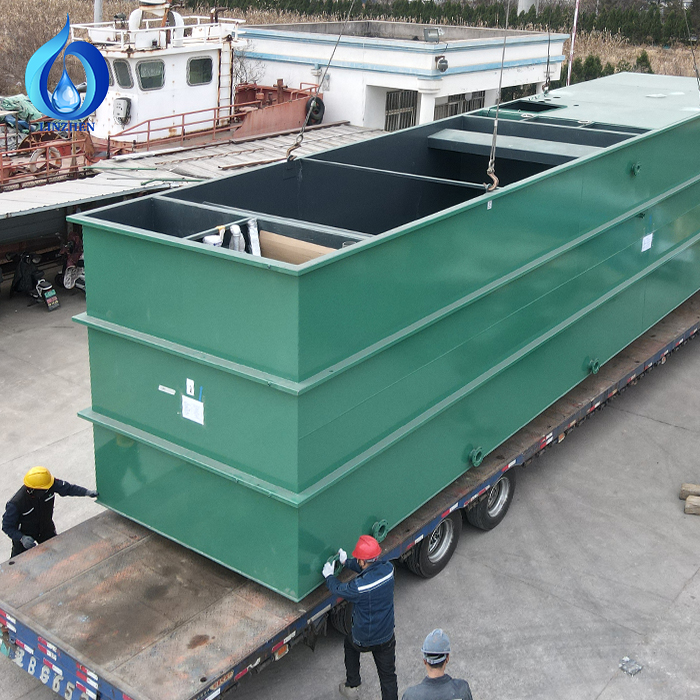
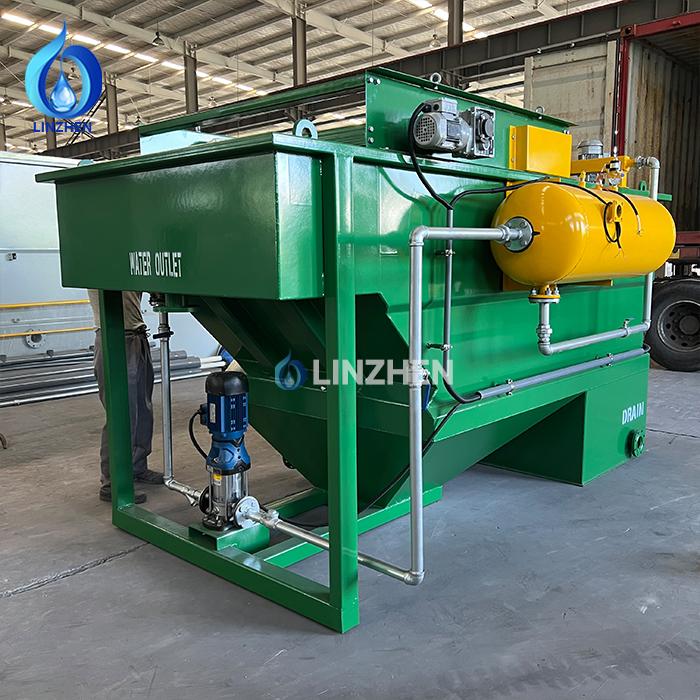
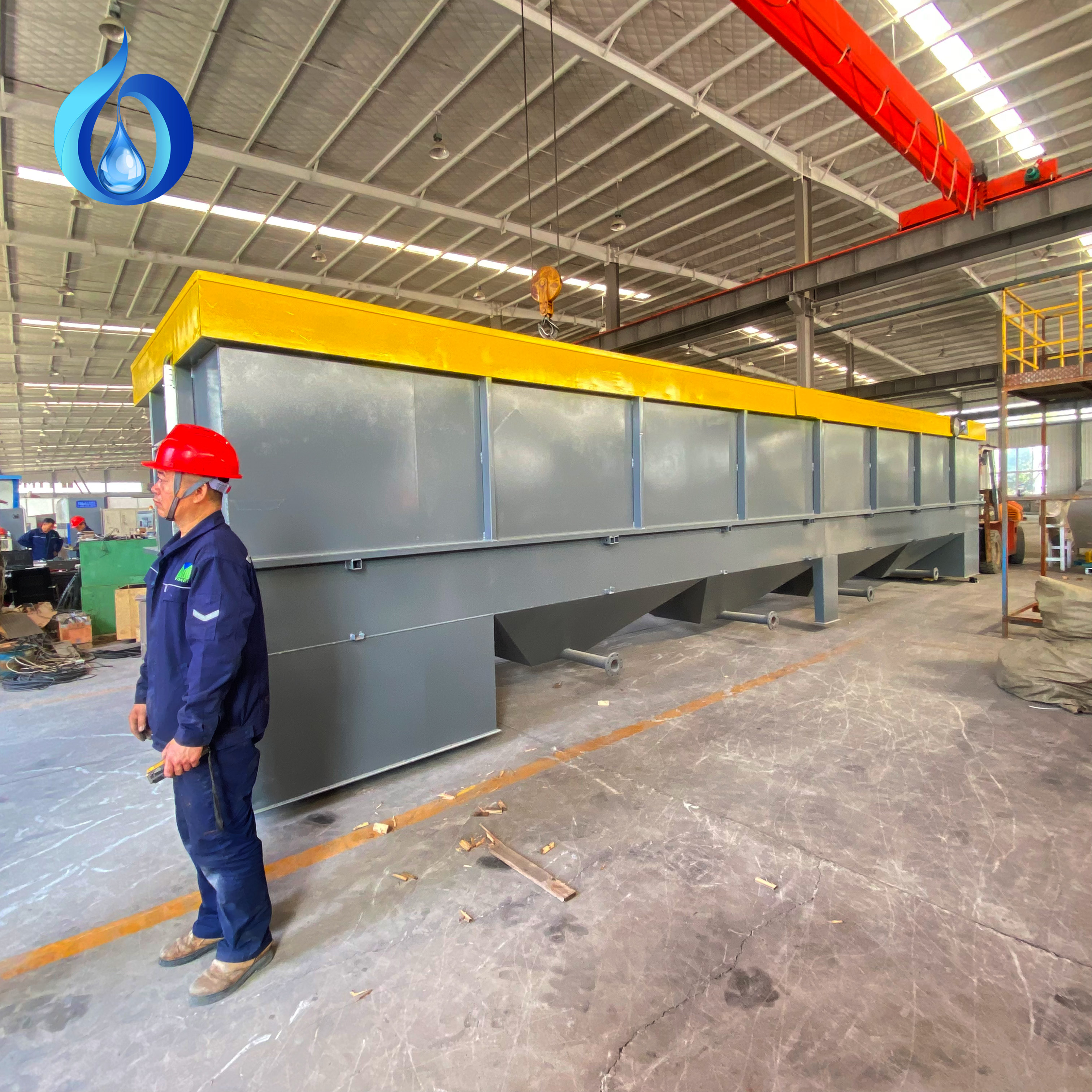
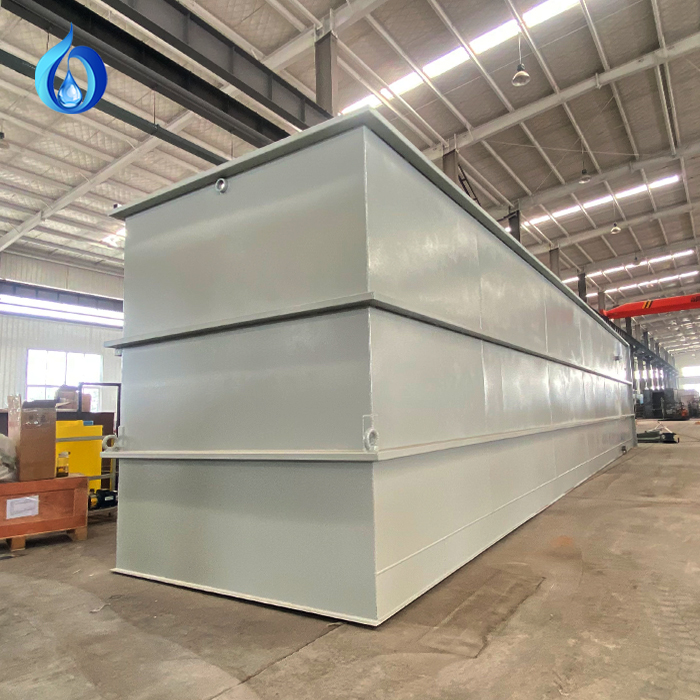
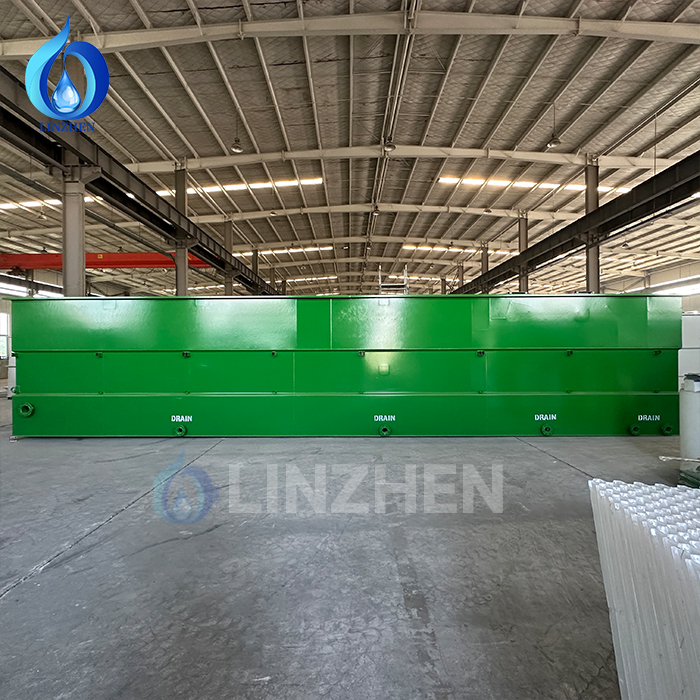
A growing factory faces mounting pressure to handle increasing wastewater volumes while maintaining environmental compliance and operational efficiency. A modular wastewater treatment system offers a practical solution that scales with your production demands without requiring complete facility overhauls. Unlike fixed, monolithic treatment plants that demand large upfront capital investments and years of construction, modular systems provide flexibility, faster deployment, and the ability to add capacity incrementally as your factory expands.
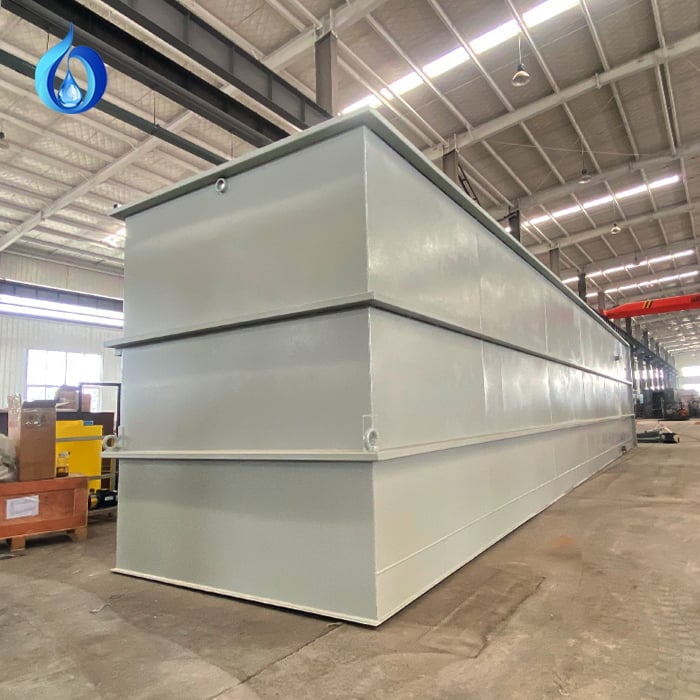
This strategic approach aligns wastewater management infrastructure with actual business growth rather than forcing costly guesswork about future capacity needs. By investing in a modular architecture now, your factory gains immediate compliance capability, reduces long-term operational costs, and maintains the agility to respond to market changes without being locked into oversized or inadequate treatment capacity.
Scalability Without Major Disruption
One of the primary reasons a modular wastewater treatment system makes sense for growing factories is its inherent scalability. As production volume increases, additional treatment modules can be installed and connected to existing infrastructure with minimal downtime or facility disruption. This incremental expansion approach means you pay for capacity only when you truly need it, avoiding the inefficiency of overbuilt plants that sit underutilized for years.
Matching Capacity to Production Growth
Growing factories typically experience variable demand cycles. A modular system accommodates this variability by allowing you to activate or deactivate treatment stages based on actual flow requirements. When production increases, additional modules integrate seamlessly into the existing architecture. The biological treatment unit can be expanded by connecting parallel treatment trains, and the physical separation stage can be upgraded by adding secondary clarifiers or filtration units without replacing the entire system. This flexibility prevents the capital waste associated with oversized conventional plants.
Reduced Installation Timelines
Traditional wastewater treatment systems require extensive site preparation, foundation engineering, and extended construction periods that can delay your factory's operational readiness. Modular designs ship as integrated units or standardized prefabricated components, dramatically reducing installation time from months to weeks. Your factory can begin treating wastewater sooner, achieve environmental compliance faster, and start recovering the investment more quickly than with conventional approaches.
Optimized Treatment Performance Through Staged Components
A well-designed modular wastewater treatment system incorporates distinct treatment stages that work together to achieve superior effluent quality. The biological treatment unit provides the chemical and microbial processing needed to break down organic pollutants, while the physical separation stage removes solids and suspended particles. The chemical dosing module adds precise nutrient balance and pH control. This segregated architecture allows each component to operate at peak efficiency, delivering better water quality than less-optimized designs.
Biological Treatment Unit Efficiency
The biological treatment unit is the core of organic pollutant removal in any wastewater treatment system. In a modular design, this unit can be configured as an extended aeration system, sequencing batch reactor, or membrane bioreactor depending on your factory's specific contaminant profile and discharge requirements. Modular units allow factory operators to tune treatment intensity to actual incoming wastewater characteristics rather than applying uniform treatment across all flow. When production conditions change or new product lines introduce different contaminants, the biological treatment unit can be reconfigured or upgraded without dismantling the entire plant.
Physical Separation Stage Integration
After biological processing, the physical separation stage removes residual solids and turbidity before final discharge or reuse. In a modular system, this stage typically includes sedimentation, filtration, or flotation components that can be selected based on your specific suspended solids load and treatment target. The physical separation stage also protects downstream equipment and enables sludge recovery for potential beneficial use, adding operational and environmental value to your wastewater treatment system investment.
Cost Optimization and Long-Term Financial Benefits
Financial considerations are critical when evaluating treatment infrastructure. A modular wastewater treatment system delivers cost advantages across capital expenditure, operating expenses, and long-term facility economics. The lower upfront cost of starting with baseline modular capacity, combined with the ability to defer subsequent investments until needed, improves cash flow management and return on investment timing for growing factories.
Capital Expenditure Control
Instead of committing several million dollars upfront for a large fixed plant, modular systems allow staged capital deployment aligned with revenue growth. Your factory invests in initial capacity, then adds modules as production ramps. The chemical dosing module and auxiliary equipment can be added incrementally, spreading capital costs across multiple budget cycles. This approach reduces the financial risk of overbuilding treatment capacity and provides greater flexibility if market conditions change unexpectedly.
Operational Efficiency and Maintenance
Modular wastewater treatment systems are designed for straightforward operation and maintenance. Standardized modules mean spare parts availability, easier staff training, and more predictable maintenance schedules. Many factories find that modular systems require less specialized expertise and lower total maintenance costs compared to custom-built monolithic plants. The segregation of treatment stages also simplifies troubleshooting—if performance issues arise, operators can isolate the problem to a specific module rather than investigating an entire integrated system.
FAQ
Can a modular wastewater treatment system handle variable flow from batch processing or seasonal demand?
Yes, modular systems excel at managing variable flow because individual modules can be staged online or offline based on actual demand. The biological treatment unit and physical separation stage can be sized for average conditions, with buffer capacity or additional modules activated during peak periods. The chemical dosing module automatically adjusts nutrient and pH correction to incoming flow variations, making modular designs particularly well-suited to factories with inconsistent production schedules.
What happens if environmental regulations become stricter after installing a modular wastewater treatment system?
One of the strategic advantages of choosing a modular wastewater treatment system is the ease of upgrading to meet new standards. Additional treatment stages such as advanced oxidation, ion exchange, or membrane filtration can be integrated without replacing the existing plant. The physical separation stage can be enhanced with tertiary filtration, or the chemical dosing module can be expanded to include precipitation chemicals for phosphorus removal. This adaptability protects your investment if regulations evolve.
How does a modular wastewater treatment system compare to expanding an existing conventional plant?
Expanding an existing monolithic plant often requires retrofitting, which disrupts operations, may require site modifications, and frequently proves costlier than anticipated. A modular wastewater treatment system avoids these challenges by allowing new units to be installed in parallel with minimal disruption. Existing treatment capacity continues operating while new modules are added. This parallel expansion approach is faster, cleaner logistically, and typically more cost-effective than retrofitting older facilities.
 EN
EN