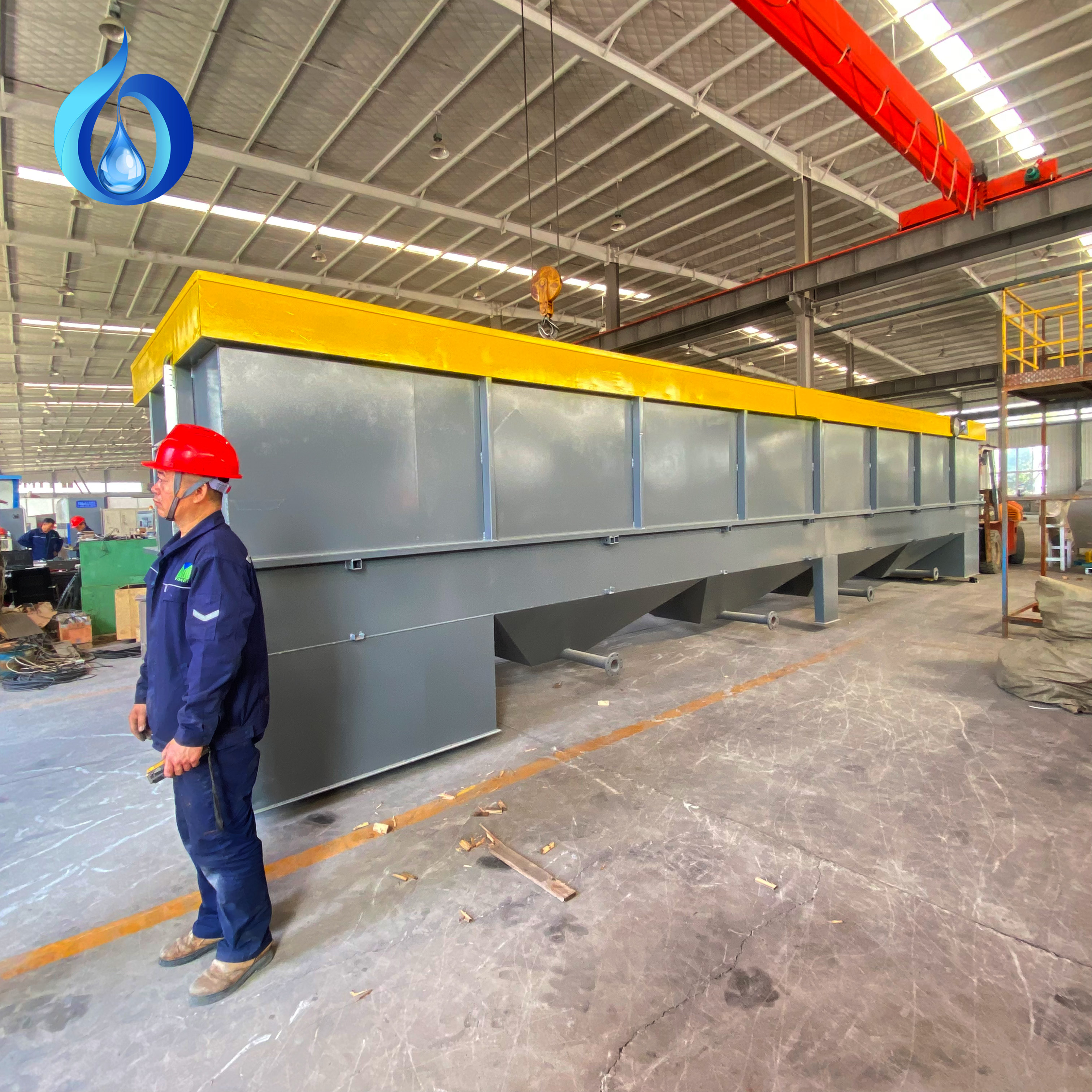
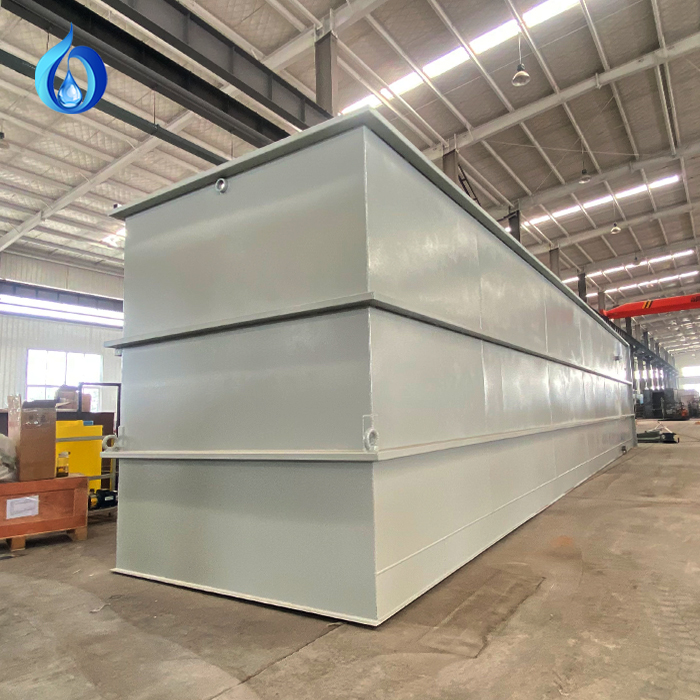
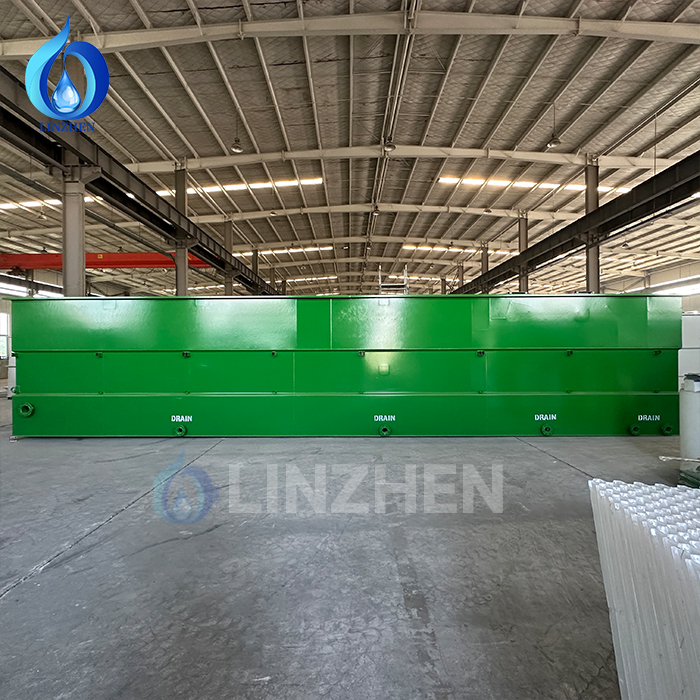
Industrial facilities generate complex waste streams containing multiple contaminants that require different treatment approaches. When these mixed waste streams flow through a single treatment process, unnecessary energy consumption and chemical usage drive costs upward. Splitting waste streams before treatment allows facilities to apply targeted, cost-effective solutions tailored to each contamination profile. This strategic separation is one of the most effective ways to reduce operational expenses in industrial wastewater treatment systems.
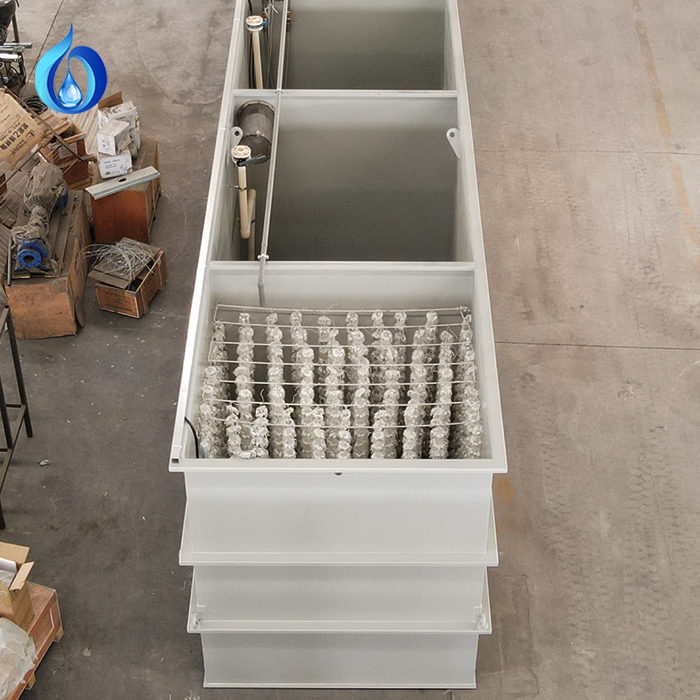
Most industrial operations produce waste from multiple sources: cooling water, process discharge, cleaning operations, and contaminated runoff. When combined into one treatment stream, even lightly contaminated water requires the same aggressive treatment intensity as heavily polluted streams. This blanket approach wastes resources on over-treating clean water and under-treating complex contaminant loads. By segregating waste streams at the source, operators can design economical recovery pathways for each flow, dramatically lowering chemical consumption and energy demand across the facility.
Understanding Waste Stream Segregation Benefits
Cost Reduction Through Targeted Treatment
Waste stream splitting directly lowers treatment costs by matching process intensity to actual contamination levels. Cooling water discharge, which typically contains minimal suspended solids reduction requirements, should never enter the same treatment line as process waste laden with heavy metals removal needs. Segregating these flows means cooling water can bypass expensive advanced treatment and move directly to recycling or discharge. Process waste with high chemical oxygen demand receives concentrated, efficient treatment in parallel. This parallel processing eliminates the economic burden of over-treating clean water and maximizes the effectiveness of expensive treatment chemicals and equipment.
Efficiency Gains in Chemical Usage
Chemical oxidation, coagulation, and precipitation all become more efficient when waste composition is uniform. When a single treatment train handles both high-strength industrial wastewater treatment flows and dilute cooling water, the dosing logic struggles to optimize. Operators must add excess chemical to address the worst-case contaminant concentration in the combined stream. Stream segregation allows precise chemical dosing based on actual influent quality. Heavy metals removal requires different pH ranges and oxidation chemistry than suspended solids reduction. Treating these separately means each chemical application operates at peak efficiency, reducing overall chemical cost per unit of treated water by twenty to forty percent.
Stream Segregation Strategy and Implementation
Identifying Segregation Opportunities
The first step in waste stream splitting involves mapping all water sources within the facility. Cooling towers, rinse water, floor drainage, equipment discharge, and process condensate each carry different contamination signatures. Cooling water typically has low chemical oxygen demand and minimal suspended solids; process streams often contain high-strength organics and specific industrial contaminants. Stormwater and wash-down water require different handling than point-source process discharge. By documenting each source and its typical contamination profile, facility managers identify which streams merit segregation. Streams with low contamination loads should never mix with high-strength waste, as this forces unnecessary treatment investment on clean water. Grouping similar-quality streams together while isolating extreme cases creates the foundation for economical industrial wastewater treatment.
Treatment Pathways for Segregated Streams
Lightly contaminated streams like cooling tower discharge can flow to a simple solids settling tank before recirculation or safe discharge. Medium-contamination process water benefits from chemical oxidation to reduce chemical oxygen demand, followed by clarification and biological treatment if needed. High-strength waste streams with significant heavy metals removal requirements enter dedicated precipitation and settling systems. This tiered approach ensures each treatment technology operates within its optimal performance window. Rather than forcing all flows through identical expensive equipment, stream segregation allows facilities to deploy cost-appropriate solutions at each stage. Some streams may qualify for direct discharge after minimal settling; others require multi-stage treatment. This flexibility reduces overall capital and operating expense while improving compliance reliability.
Cost Savings and Long-Term Business Impact
Operating Expense Reduction
Waste stream splitting typically reduces industrial wastewater treatment operating costs by thirty to fifty percent compared to combined-stream treatment. Chemical savings alone often exceed twenty percent when dosing matches actual influent strength rather than treating to worst-case scenarios. Energy costs drop as pumping, aeration, and equipment runtime decrease for volumes requiring only basic treatment. Labor requirements decline because operators manage smaller, more stable treatment processes with predictable chemistry. Sludge generation falls when streams are segregated, because suspended solids reduction happens only where necessary rather than universally. These operational savings accumulate monthly, creating substantial economic advantage over system lifespans of ten to twenty years.
Environmental and Compliance Benefits
Stream segregation improves environmental performance and regulatory compliance simultaneously. Focused treatment for heavy metals removal achieves tighter control of discharge limits than diluted, unfocused treatment of mixed waste. Segregated systems recover more valuable materials, such as metals and water suitable for reuse. Chemical oxygen demand reduction becomes measurable and verifiable when contaminant streams are isolated. Operators gain better process visibility and can respond quickly to contamination spikes. This combination of economic benefit and environmental stewardship makes waste stream splitting an increasingly attractive investment for industrial facilities seeking both cost control and regulatory certainty.
FAQ
How much cost reduction can waste stream splitting actually achieve?
Most facilities experience thirty to fifty percent reductions in industrial wastewater treatment operating costs when implementing effective stream segregation. Chemical usage typically drops twenty to forty percent because dosing becomes precise rather than conservative. The actual savings depend on baseline waste composition, current treatment design, and segregation opportunities unique to each facility. Facilities with highly variable influent quality and high treatment intensity see the largest percentage savings. Even modest segregation of cooling water from process waste routinely delivers fifteen to twenty-five percent cost reductions within the first operating year.
What types of waste streams benefit most from splitting?
Cooling tower water separated from high-strength process waste shows dramatic cost benefits because the treatment intensity difference is greatest. Stormwater, which typically has low contamination, should not mix with concentrated process discharge where heavy metals removal and chemical oxygen demand reduction are critical. Rinse water and wash-down discharge often can be recirculated or treated separately with simpler, less expensive technology than primary process streams. Any situation where waste composition varies by more than a factor of two in key parameters like suspended solids reduction or heavy metals content is a strong candidate for segregation. Industrial facilities producing diverse waste types almost always benefit from stream splitting strategies.
What initial investment is required for waste stream splitting?
Piping modifications, diversion boxes, and separate treatment tanks represent the primary capital investment for waste stream splitting. Most facilities can achieve meaningful segregation with five to fifteen percent additional piping and collection infrastructure compared to a combined-stream system. The payback period typically spans two to four years through operational savings in industrial wastewater treatment chemical and energy costs. Some segregation strategies require minimal capital if they simply involve resequencing existing treatment processes. Facilities already planning system upgrades can incorporate stream segregation into those projects at relatively low incremental cost, making this a highly economical optimization strategy.
 EN
EN