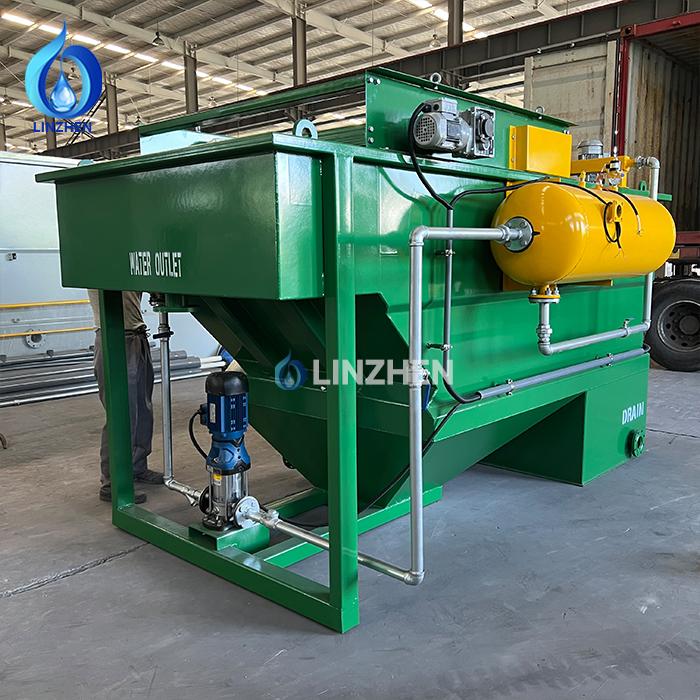
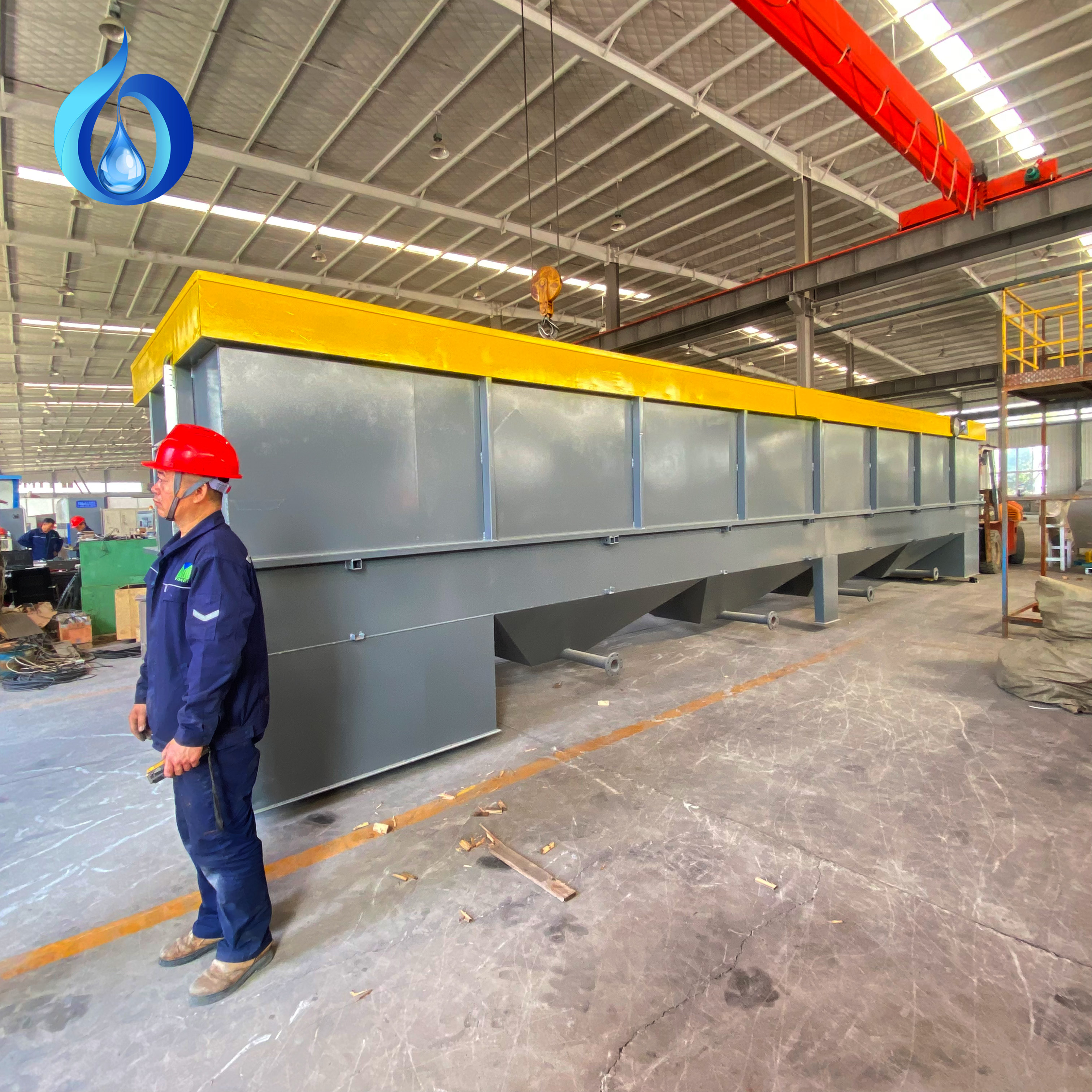
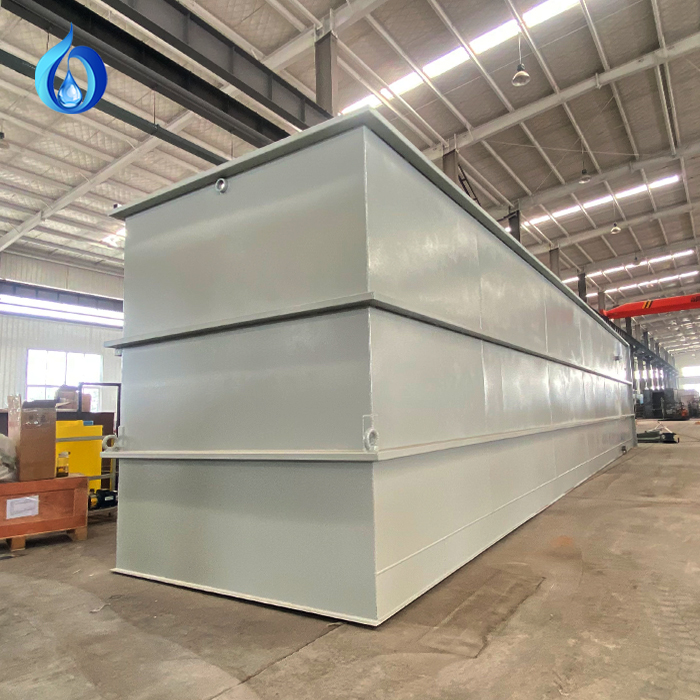
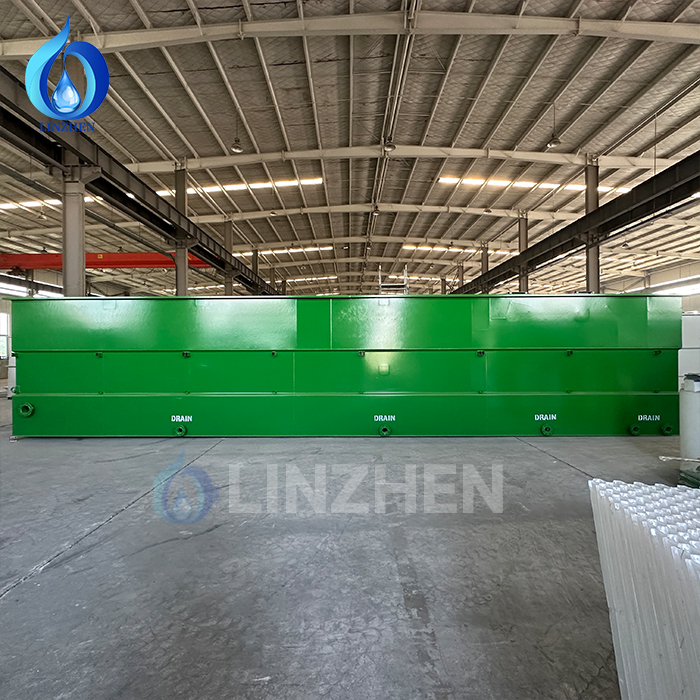
Large manufacturers face mounting pressure from regulatory agencies, environmental standards, and operational efficiency demands. The decision to invest in a dedicated industrial wastewater treatment system is not simply a compliance checkbox. It represents a strategic investment that directly impacts profitability, brand reputation, and long-term sustainability. Understanding the core reasons behind this investment helps manufacturers make informed capital allocation decisions that align with both environmental responsibility and business objectives.
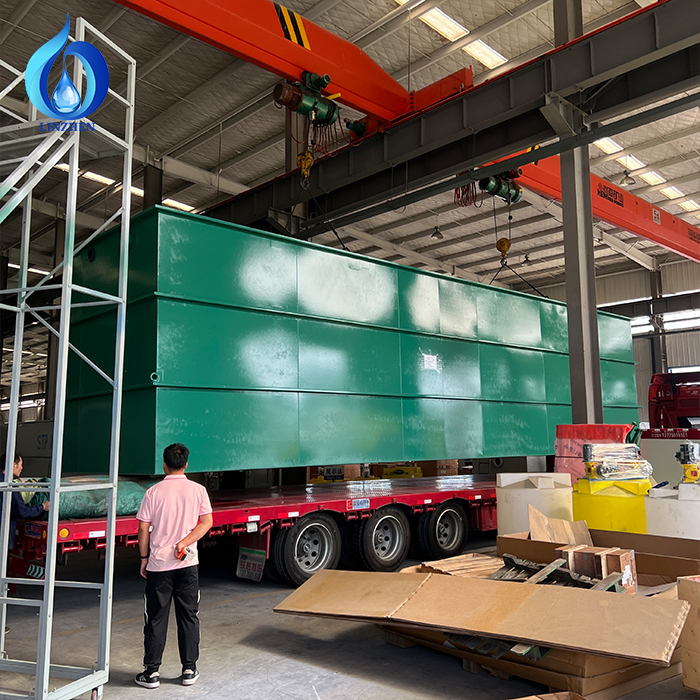
The financial and operational case for an industrial wastewater treatment system has strengthened significantly over the past decade. Manufacturers that have implemented these systems report measurable returns through reduced water disposal costs, minimized regulatory penalties, and improved operational resilience. Beyond immediate cost reduction, an industrial wastewater treatment system enables manufacturers to recycle treated water for secondary processes, recover valuable materials from waste streams, and maintain uninterrupted production schedules despite stricter environmental oversight.
Regulatory Compliance and Legal Risk Mitigation
Meeting Environmental Standards and Avoiding Penalties
Environmental regulations governing industrial wastewater have become increasingly stringent across most jurisdictions. An industrial wastewater treatment system ensures that effluent discharged into municipal systems or natural water bodies meets or exceeds legally mandated quality standards. Regulatory agencies impose substantial fines on manufacturers whose untreated or improperly treated wastewater violates discharge permits, heavy metal limits, pH standards, and biochemical oxygen demand thresholds. A properly designed industrial wastewater treatment system captures contaminants before they reach the environment, protecting manufacturers from costly enforcement actions, production shutdowns, and reputational damage.
Long-Term Operational Continuity Under Evolving Rules
Regulations change frequently, and manufacturers cannot predict future compliance requirements with certainty. A robust industrial wastewater treatment system built with modular and scalable technology provides flexibility to adapt to new standards without requiring complete infrastructure replacement. This adaptability reduces the risk of stranded assets and allows manufacturers to absorb regulatory changes gradually rather than facing emergency capital expenditures. By investing proactively in an industrial wastewater treatment system, manufacturers future-proof their operations against regulatory evolution and maintain operational licenses in jurisdictions where environmental enforcement is tightening.
Operational Efficiency and Cost Reduction
Reducing Water Disposal and Treatment Costs
Wastewater disposal represents a significant recurring operational expense for large manufacturers. An industrial wastewater treatment system enables on-site treatment and recovery, substantially reducing or eliminating the need to contract with external wastewater treatment providers. Many modern industrial wastewater treatment system configurations include advanced technology for water recirculation, allowing treated water to be reused in cooling towers, washdown processes, and secondary manufacturing stages. This water recycle capability dramatically reduces freshwater intake requirements, lowering utility bills and water acquisition costs. Manufacturers implementing an industrial wastewater treatment system typically achieve payback periods of three to seven years through disposal cost avoidance alone.
Resource Recovery and Auxiliary Revenue Streams
An industrial wastewater treatment system can be engineered to extract and recover valuable materials from process wastewater. Metals, oils, suspended solids, and other recoverable compounds separated during treatment can be sold to recyclers or reused within manufacturing operations. This resource recovery transforms what was previously a pure cost center into a partial revenue generator. A strategically designed industrial wastewater treatment system with appropriate technology for solids separation and material concentration creates new economic value from existing waste streams, further strengthening the financial case for investment.
Environmental Stewardship and Market Advantage
Building Brand Value and Customer Confidence
Consumer awareness of environmental practices continues to rise, and many downstream customers and retailers now evaluate supplier environmental performance before entering contracts. Large manufacturers that implement an industrial wastewater treatment system can transparently communicate their commitment to environmental protection, reducing the risk of supply chain disruption due to sustainability concerns. An industrial wastewater treatment system demonstrates tangible action toward reducing environmental impact, supporting ESG reporting requirements and helping manufacturers respond to customer sustainability questionnaires with verified data rather than aspirational claims.
Competitive Positioning in Regulated Markets
In industries where environmental compliance is a baseline requirement for market access, manufacturers without a credible industrial wastewater treatment system face exclusion from contracts with environmentally conscious clients and governments. Leading manufacturers in chemical processing, food and beverage production, electronics manufacturing, and pharmaceutical production have already normalized investment in industrial wastewater treatment systems. Late adopters risk competitive disadvantage, as customers increasingly prioritize suppliers demonstrating advanced environmental controls. An industrial wastewater treatment system is becoming a minimum operational requirement for market participation rather than an optional upgrade.
Production Resilience and Process Stability
Ensuring Uninterrupted Manufacturing Schedules
External municipal wastewater treatment facilities experience capacity constraints during peak demand periods or unexpected maintenance events. Manufacturers relying solely on municipal treatment face risk of production interruptions if external treatment capacity is unavailable. A dedicated industrial wastewater treatment system provides operational autonomy, enabling manufacturers to maintain consistent production schedules regardless of external system availability. This operational independence is particularly valuable for manufacturers in regions where municipal infrastructure is aging, capacity is limited, or backup treatment options are unavailable.
Managing Seasonal Variations and Production Spikes
Manufacturing demand often fluctuates seasonally, creating periods of peak production and corresponding wastewater generation. An industrial wastewater treatment system sized to handle maximum production capacity ensures that temporary spikes in wastewater volume do not trigger permit violations or force production curtailment. The system's ability to process variable flow rates and adapt to changing wastewater composition prevents operational bottlenecks during high-demand periods. This flexibility transforms wastewater management from a constraint on production into a transparent operational component that scales with manufacturing output.
FAQ
What specific contaminants does an industrial wastewater treatment system remove?
An industrial wastewater treatment system removes contaminants specific to the manufacturing process, including heavy metals like lead and chromium, suspended solids, oils and greases, organic compounds, ammonia, and other process-specific pollutants. The system configuration varies based on industry and contaminant profile. For example, a food processing industrial wastewater treatment system focuses on organic solids removal, while a metal finishing industrial wastewater treatment system emphasizes heavy metal precipitation. Each system is engineered to target the primary contaminants generated by the specific manufacturing operation.
How long does it take to achieve return on investment from an industrial wastewater treatment system?
Return on investment for an industrial wastewater treatment system typically ranges from three to seven years, depending on current wastewater disposal costs, system size, local water pricing, and available incentive programs. Manufacturers with high wastewater volumes and existing expensive disposal contracts often achieve payback within three to four years. The calculation includes direct savings from reduced disposal fees, lower water acquisition costs through recirculation, recovered material value, and avoided regulatory penalties. Additional benefits like improved regulatory standing and enhanced market positioning extend the total value beyond the payback period.
Can an industrial wastewater treatment system be retrofitted into an existing manufacturing facility?
Yes, an industrial wastewater treatment system can be retrofitted into existing facilities, though design complexity depends on available space, existing infrastructure, and process integration requirements. Many modern systems are modular and containerized, allowing installation in limited footprints without extensive facility modification. Retrofitting an industrial wastewater treatment system requires assessment of wastewater characteristics, flow rates, discharge points, and space availability to determine optimal configuration. Working with experienced design engineers ensures that retrofitted systems integrate seamlessly with existing operations and achieve targeted treatment performance.
 EN
EN