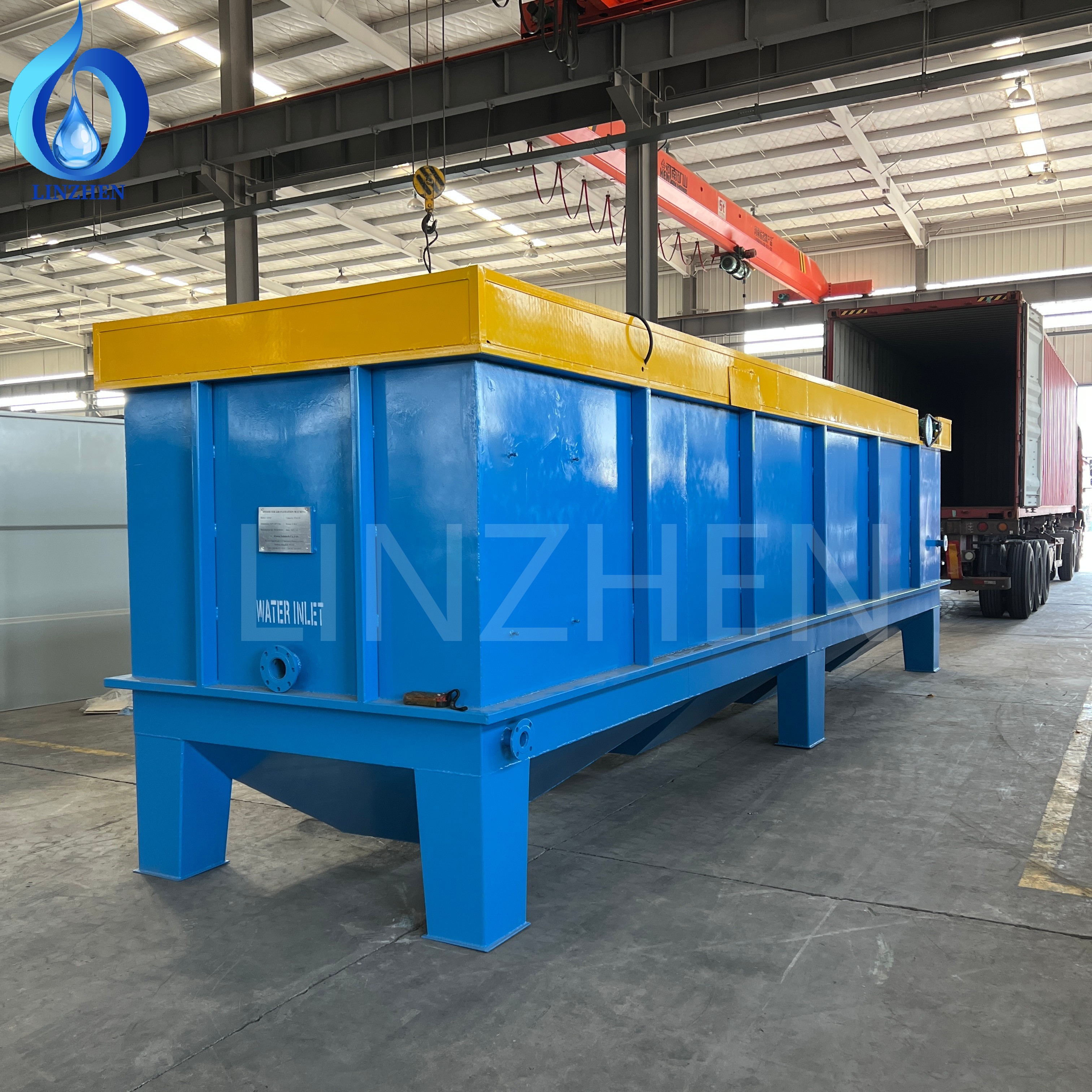
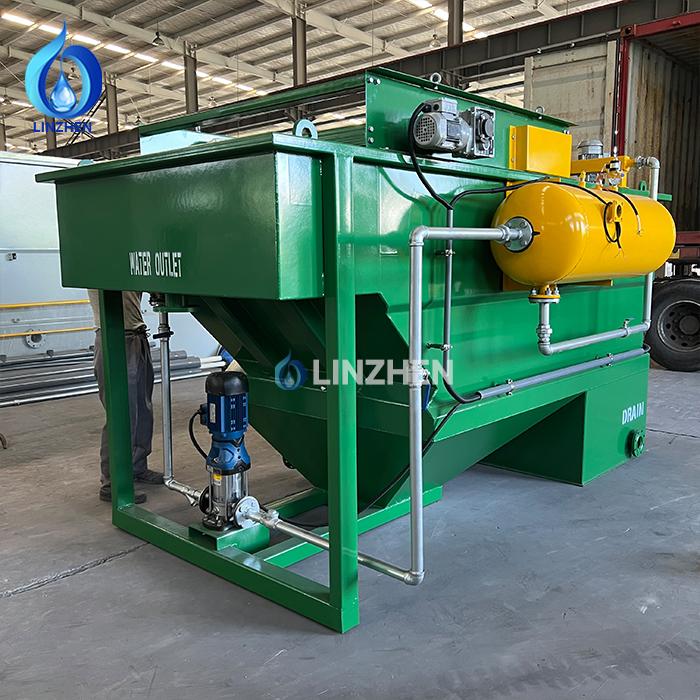
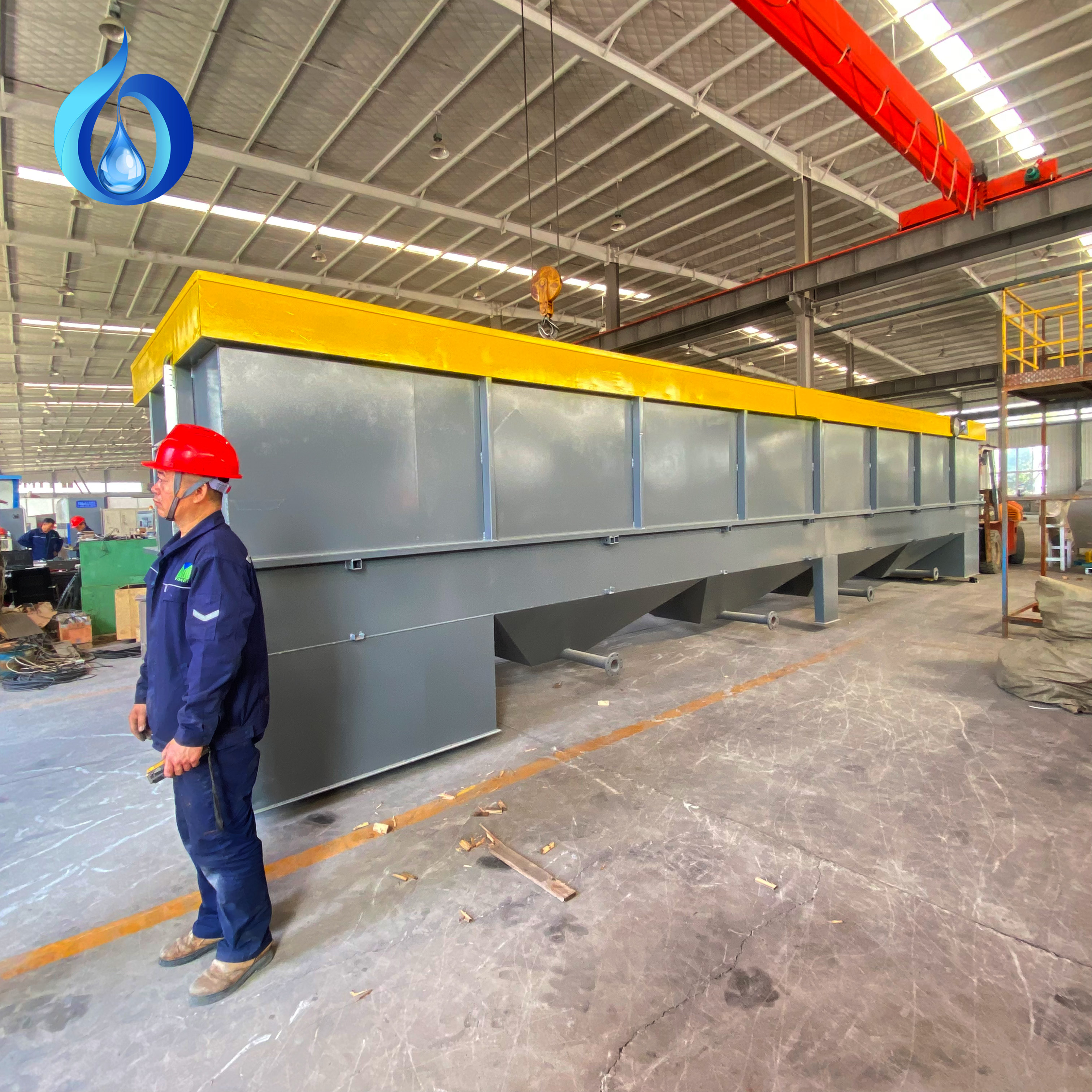
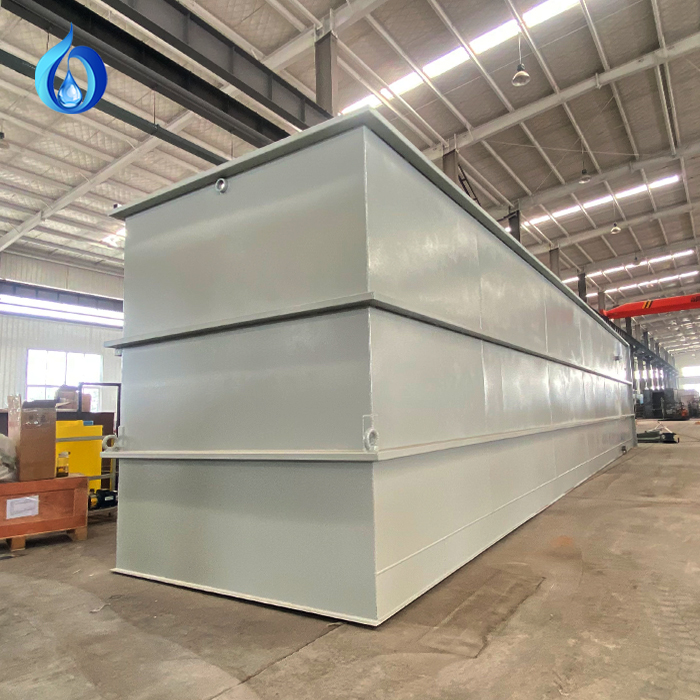
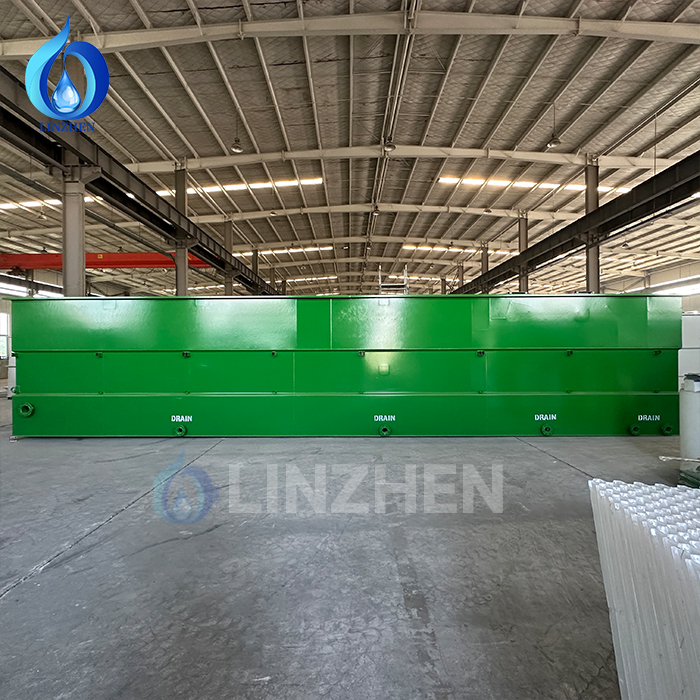
Food processing facilities face significant operational and regulatory pressures when managing wastewater streams. Organic residues, oils, suspended solids, and nutrient loads create complex treatment challenges that demand reliable solutions. Daf wastewater treatment systems have become the industry standard because they deliver exceptional separation efficiency, operational consistency, and compliance results that other technologies struggle to match. Understanding why food factories choose this technology reveals critical insights into modern wastewater management strategy.
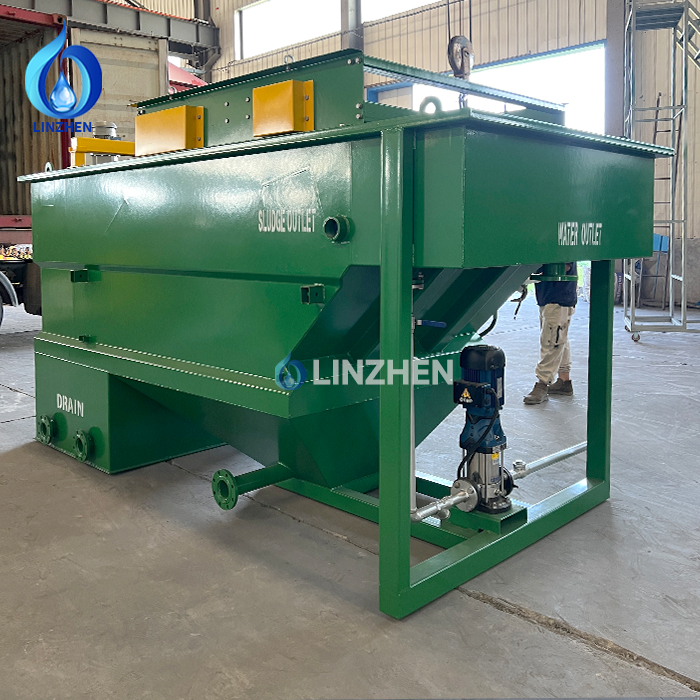
The food industry generates some of the most demanding wastewater profiles across all manufacturing sectors. Processing plants produce streams rich in fats, proteins, carbohydrates, and suspended matter that conventional settling cannot adequately handle. Daf wastewater treatment technology addresses these specific challenges through its unique flotation mechanism, which captures and removes contaminants far more effectively than gravity-based settling methods.
Superior Separation Efficiency in Food Processing
How DAF Removes Fats and Oils
Food factory wastewater contains substantial quantities of fats, oils, and greases that settle unpredictably and form stubborn deposits. Daf wastewater treatment uses microbubbles generated through pressurized air dissolution to attach to oil droplets, dramatically increasing their buoyancy and flotation rate. This mechanism is fundamentally different from settling tanks, where oils can remain partially suspended or emulsified. The result is rapid oil removal that prevents equipment fouling, reduces downstream treatment load, and improves overall system stability. Food processors report removal rates exceeding 95 percent for fats and oils using quality daf wastewater treatment equipment.
Suspended Solids Capture
Protein particles, starch granules, and other suspended matter flow through standard settling processes but are readily captured by daf wastewater treatment technology. The flotation mechanism is inherently better suited to particles with low density variation, which is exactly what food processing streams contain. Dissolved air flotation systems achieve suspended solids reductions of 85 to 90 percent in single-pass treatment, significantly exceeding clarifier performance. This efficiency translates to cleaner effluent, reduced sludge volume downstream, and lower overall operating costs. Food factories choosing daf wastewater treatment gain immediate advantages in water quality and operational burden.
Economic and Operational Advantages
Reduced Operating Complexity
Daf wastewater treatment systems operate with minimal operator intervention once properly configured. The automated air injection system maintains consistent bubble generation, the flotation tank runs at steady state, and the skimming mechanism continuously removes the concentrated sludge layer. Food processing plants benefit from this automation because it reduces labor costs, improves consistency, and minimizes the risk of human error during shift changes or peak production periods. Traditional clarifiers require more frequent manual adjustment and monitoring. Facilities upgrading to daf wastewater treatment often report 20 to 30 percent reductions in daily operational labor hours dedicated to primary treatment.
Compact Footprint and Installation Flexibility
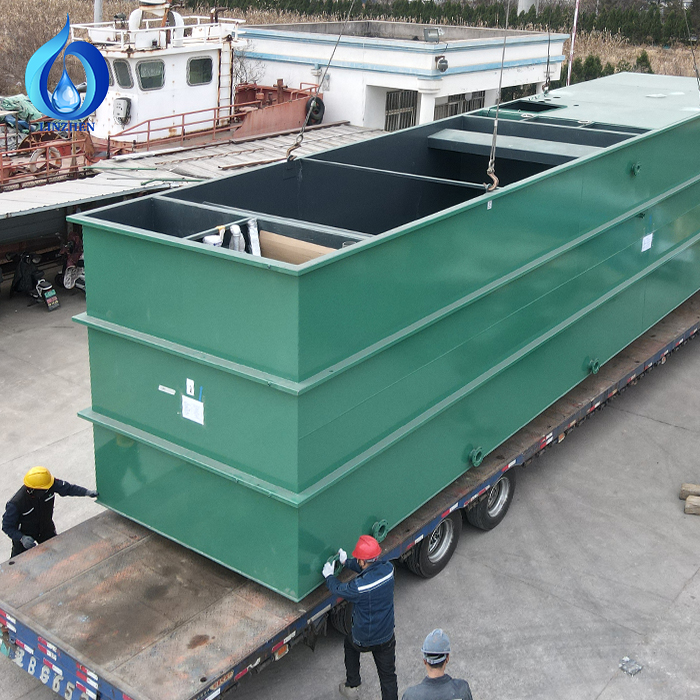
Space constraints are common in mature food processing facilities where retrofitting wastewater systems is necessary. Daf wastewater treatment equipment occupies significantly less floor area than equivalent-capacity clarifier systems, typically 40 to 60 percent smaller. This compact design is particularly valuable when expanding treatment capacity without major facility modifications. The standardized tank construction also permits modular installation, allowing food factories to add daf wastewater treatment capacity incrementally as production grows. Shorter installation timelines mean reduced project costs and faster return on investment compared to traditional settling-based approaches.
Regulatory Compliance and Environmental Performance
Meeting Discharge Standards Consistently
Regulatory agencies impose strict limits on biochemical oxygen demand, suspended solids, and nutrient content in food processing wastewater. Daf wastewater treatment systems deliver consistent performance that reliably meets these standards, even during production surges or recipe changes. The flotation mechanism is far less sensitive to flow rate variations than gravity settling, providing stable removal rates across normal operating ranges. Food factories report fewer permit violations and lower environmental compliance costs when operating daf wastewater treatment as their primary treatment stage. The system's predictability also simplifies documentation and regulatory reporting because consistent removal performance is easily demonstrated.
Sludge Quality and Disposal Economics
Sludge removed by daf wastewater treatment contains higher concentrations of target contaminants because the flotation mechanism produces denser, more concentrated solids. This denser sludge requires lower disposal volume, reducing transportation and landfill costs significantly. The concentrated nature of daf wastewater treatment sludge also makes it more suitable for beneficial reuse applications such as animal feed additive processing or composting. Food processors investing in quality daf wastewater treatment systems achieve long-term savings through reduced sludge handling and disposal expenses, often recovering equipment costs within three to five years of operation.
Industry-Specific Applications for Food Factories
Dairy Processing and Rendering Operations
Dairy processing generates high-fat wastewater streams that are particularly well-suited to daf wastewater treatment technology. Milk processing plants using this system report 92 to 98 percent fat recovery rates, with clean effluent suitable for secondary biological treatment. Rendering facilities processing animal byproducts benefit similarly, as daf wastewater treatment rapidly separates tallow and protein-rich sludge from water. The recovered materials from daf wastewater treatment can often be reused in feed production or biodiesel manufacturing, creating valuable revenue offsets.
Meat Processing and Poultry Facilities
Slaughterhouse and poultry processing plants produce wastewater with variable solids content, suspended blood proteins, and high biological oxygen demand. Daf wastewater treatment addresses these challenges through aggressive flotation that removes the majority of solids and oils in the primary treatment stage. This early removal prevents biological treatment stages from being overloaded, improving overall system reliability. Meat processing facilities consistently choose daf wastewater treatment because it handles their specific waste composition better than alternatives, reducing upset conditions and treatment failures.
FAQ
What makes daf wastewater treatment more effective than conventional settling for food processing?
Daf wastewater treatment uses microbubble flotation to separate contaminants, making it far more effective for oils, fats, and low-density suspended solids typical in food processing wastewater. Gravity settling relies on density difference and settling velocity, which is inefficient for many food industry particles. The flotation mechanism in daf wastewater treatment increases buoyancy artificially, enabling faster and more complete separation regardless of particle density variation. This fundamental advantage makes daf wastewater treatment the preferred choice for food factories managing complex waste streams.
How does daf wastewater treatment reduce overall wastewater management costs?
Daf wastewater treatment lowers costs through multiple mechanisms: reduced sludge volume requiring disposal, lower labor requirements due to automation, smaller facility footprint reducing real estate and utility costs, and fewer permit violations avoiding regulatory penalties. The concentrated sludge produced by daf wastewater treatment is often suitable for beneficial reuse, generating revenue that further improves economics. Food processors typically recover their equipment investment within three to five years through cumulative operational savings and improved efficiency across downstream treatment stages.
Can daf wastewater treatment handle variable production rates in food processing?
Yes, daf wastewater treatment systems are specifically designed to handle the variable flow rates and contaminant loads common in food processing operations. The pressurized air injection system automatically adjusts bubble generation to maintain consistent separation across normal operating ranges. This flexibility is a key advantage of daf wastewater treatment compared to gravity settling systems, which are more sensitive to hydraulic loading changes. Food facilities experiencing seasonal production variations or recipe changes benefit significantly from the robust performance of quality daf wastewater treatment equipment.
 EN
EN