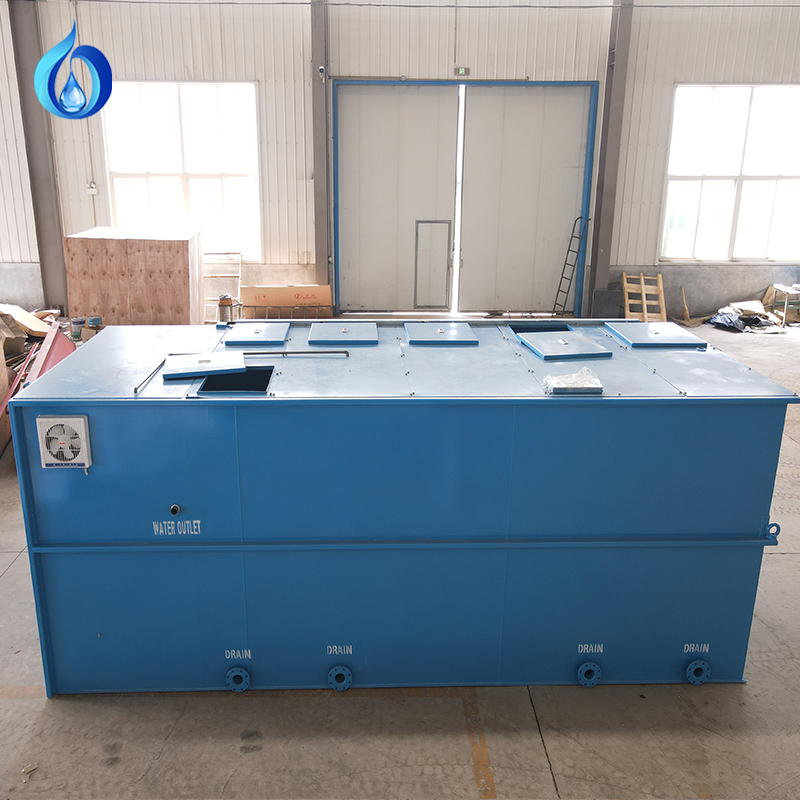
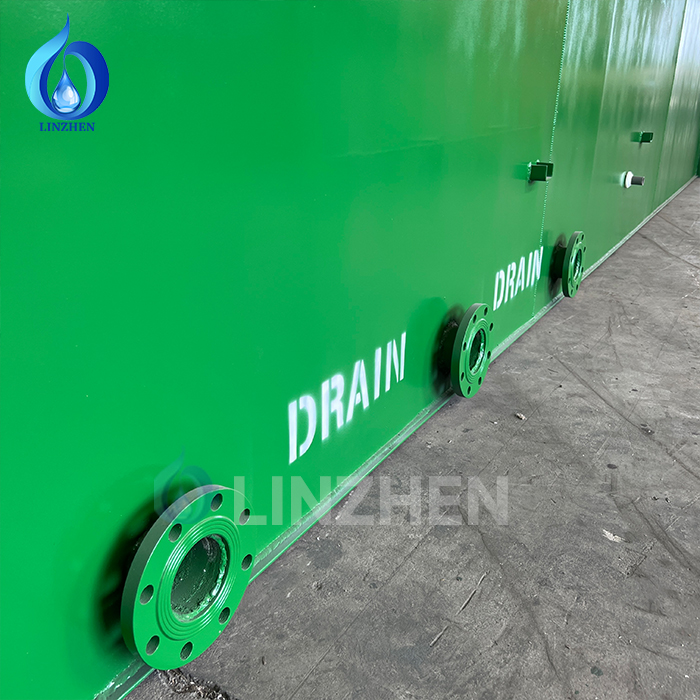
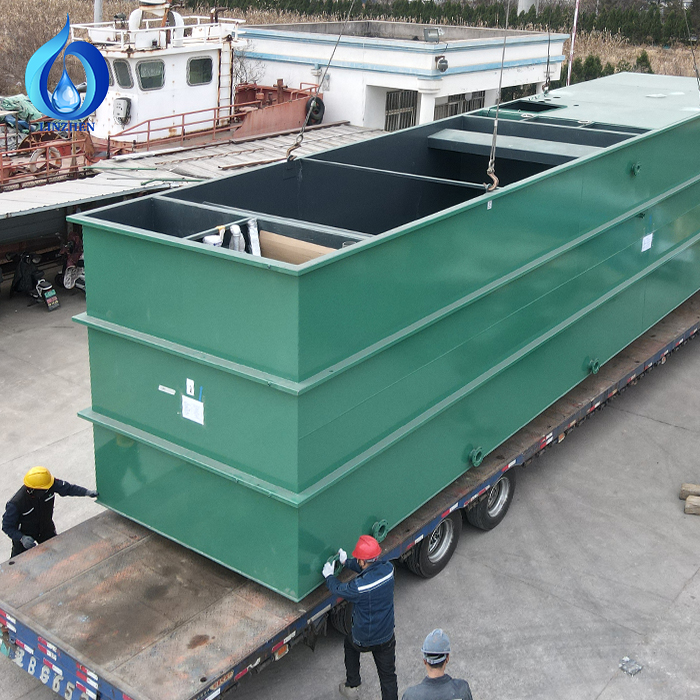
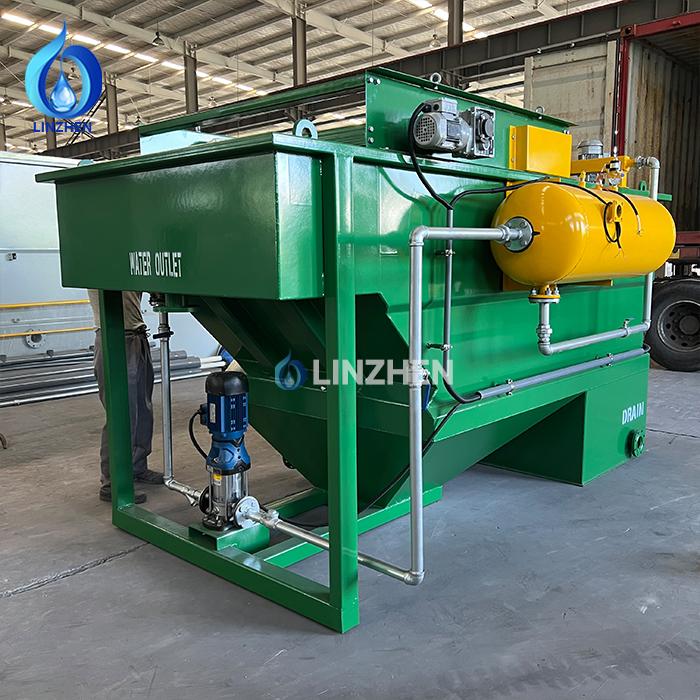
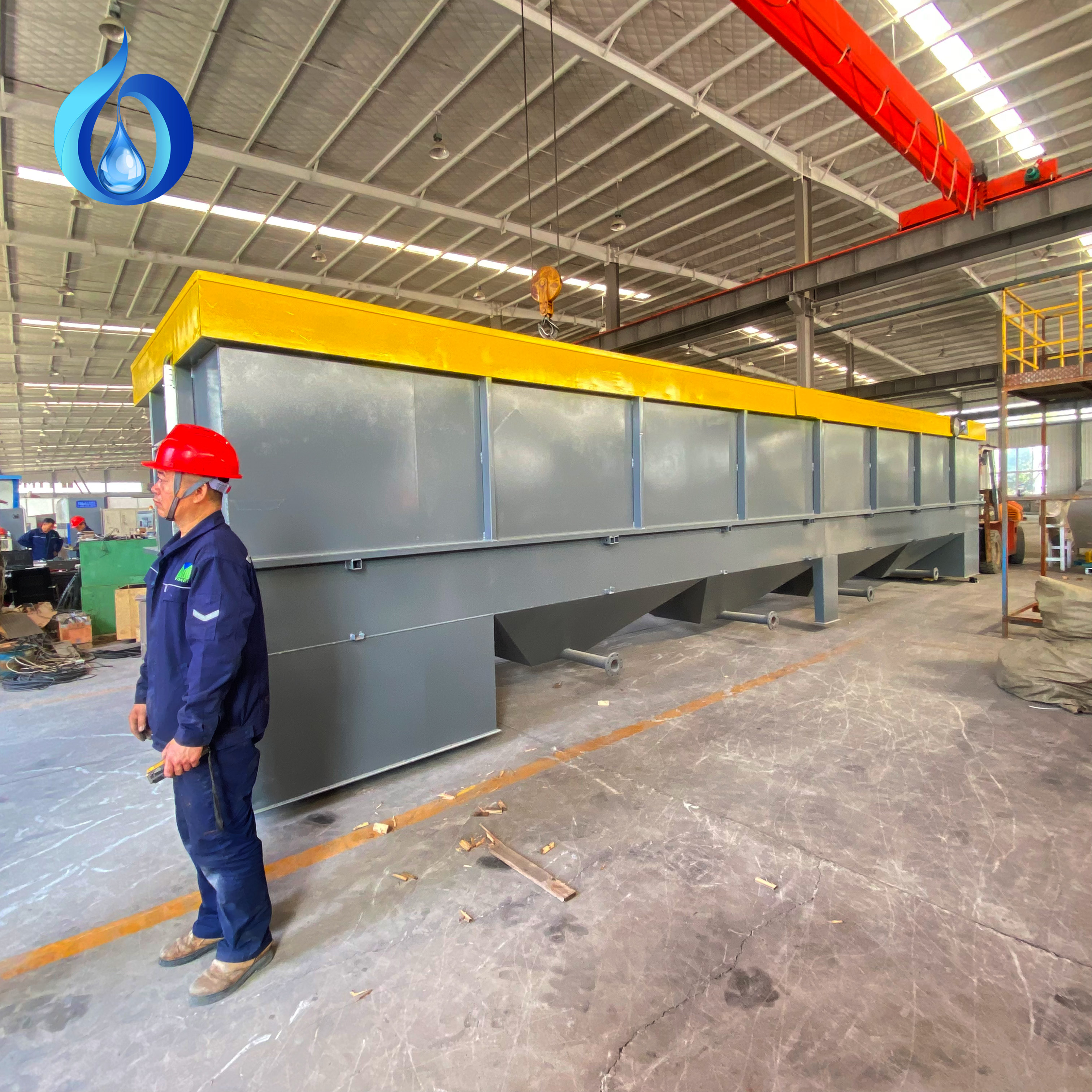
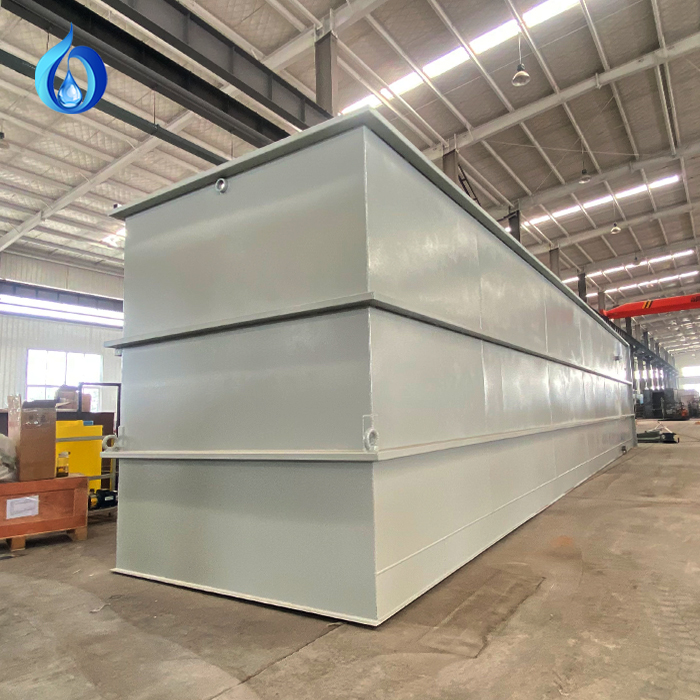
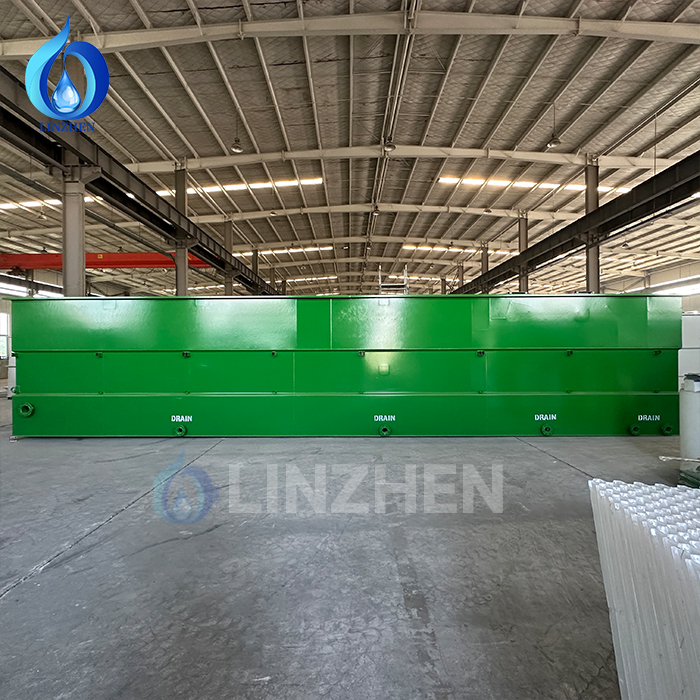
Residential properties in remote or underserved areas often lack access to centralized municipal sewage systems, making on-site solutions essential. Understanding why domestic wastewater treatment systems matter for residential sites requires examining both the practical limitations and the long-term advantages that decentralized domestic wastewater treatment offers to property owners. Property managers and homeowners increasingly recognize that domestic wastewater treatment is not merely an alternative but a strategic investment in property value, environmental responsibility, and regulatory compliance.
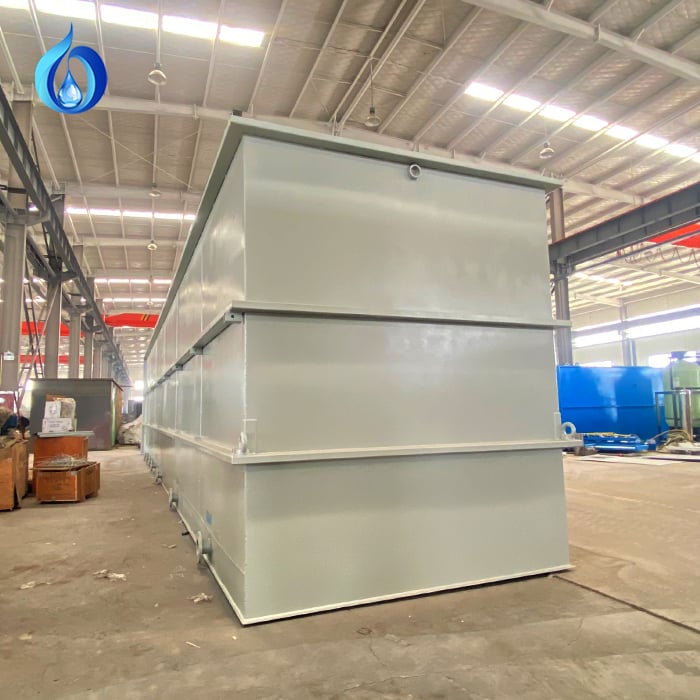
The demand for effective domestic wastewater treatment solutions has grown significantly as building codes tighten and environmental awareness expands. Modern residential sites require systems capable of managing household effluent while meeting or exceeding local discharge standards. Selecting the right domestic wastewater treatment approach directly influences operational costs, maintenance demands, and environmental outcomes over decades of use.
Environmental Protection and Regulatory Compliance
Meeting Legal Requirements for Residential Sites
Regulatory agencies mandate that all residential wastewater undergo proper treatment before discharge into soil or surface water. Domestic wastewater treatment systems ensure properties comply with environmental protection regulations, wastewater discharge permits, and local health codes. Failure to install compliant domestic wastewater treatment exposes property owners to fines, forced system upgrades, and potential liability for groundwater contamination. Most jurisdictions require annual inspections and maintenance documentation, reinforcing the importance of selecting reliable domestic wastewater treatment technology from the outset.
Protecting Groundwater and Local Water Resources
Untreated domestic wastewater contains pathogens, nutrients, and chemical contaminants that pose serious risks to groundwater aquifers and nearby wells. Properly functioning domestic wastewater treatment removes harmful bacteria, viruses, nitrogen, and phosphorus before treated effluent percolates into soil layers. This protection is especially critical in areas with shallow water tables or properties sharing aquifers with multiple users. Investing in robust domestic wastewater treatment prevents long-term contamination that can render groundwater unusable and trigger expensive remediation efforts across entire communities.
Cost Efficiency and Long-Term Financial Benefits
Avoiding Municipal Connection Charges and Infrastructure Extension
Properties in areas without municipal sewers face prohibitively expensive hookup costs when systems eventually extend to their locations. Installing on-site domestic wastewater treatment eliminates dependence on future municipal infrastructure investments. Properties already equipped with domestic wastewater treatment may avoid connection fees, capacity charges, and system extension assessments that municipalities often impose. Over a 20 to 30-year property lifecycle, avoiding these charges delivers substantial financial savings compared to systems designed with future municipal connection as a default assumption.
Predictable Operating Costs and Maintenance Efficiency
Decentralized domestic wastewater treatment systems operate with predictable maintenance schedules and transparent cost structures. Property owners understand annual pumping intervals, replacement timelines, and component repair expenses. Unlike municipal sewage systems where rate increases occur without owner control, domestic wastewater treatment costs remain largely within owner management. Modern treatment systems feature self-monitoring capabilities, reducing emergency service calls and enabling proactive maintenance planning that extends system lifespan and minimizes operational disruption.
Property Value Enhancement and Marketability
Increasing Attractiveness to Potential Buyers and Renters
Residential properties equipped with modern, well-maintained domestic wastewater treatment systems command stronger market appeal than properties with aging or problematic systems. Prospective buyers perceive reliable domestic wastewater treatment as a reduced risk factor and lower long-term liability. Properties in desirable locations that cannot connect to municipal systems become viable investment opportunities only through functional domestic wastewater treatment infrastructure. Lenders increasingly require documentation of compliant, functional domestic wastewater treatment before approving mortgages or refinancing, making system quality a direct determinant of property financing availability.
Demonstrating Responsible Environmental Stewardship
Environmental consciousness influences buyer decisions, especially among younger demographics and sustainability-focused investors. Properties showcasing advanced domestic wastewater treatment technology project environmental responsibility and long-term planning. Certification from environmental agencies or verification of treatment system performance enhances perceived property value and appeals to environmentally conscious markets. Properties with documented domestic wastewater treatment compliance attract premium pricing in competitive residential markets where environmental features differentiate otherwise similar properties.
System Reliability and Reduced Service Disruption
Independence from Municipal System Failures
Centralized municipal sewage systems occasionally experience combined sewer overflows, treatment facility disruptions, or pipeline failures that prevent property owners from using sewers during emergencies. On-site domestic wastewater treatment provides independence from these catastrophic municipal system events. Properties with properly maintained domestic wastewater treatment systems continue normal operations during municipal infrastructure emergencies. This resilience protects residents' quality of life and maintains property functionality during periods when municipal services suffer temporary or extended outages.
Customized System Design for Specific Property Conditions
Each residential property presents unique soil conditions, groundwater depth, lot size, and seasonal water table fluctuations that demand tailored solutions. Domestic wastewater treatment design professionals evaluate these site-specific factors to specify systems optimized for local conditions. Customized domestic wastewater treatment performs more reliably than standardized municipal assumptions, reducing maintenance emergencies and extending system life. Properties with challenging drainage conditions benefit especially from engineered domestic wastewater treatment designed specifically for their soil profile and hydrogeological setting.
FAQ
What types of domestic wastewater treatment systems are available for residential properties?
Residential options include conventional septic tanks with drain fields, advanced treatment systems with aerobic reactors, constructed wetlands, and domestic wastewater treatment packages that combine multiple treatment stages. Each system type offers different treatment performance, land requirements, maintenance demands, and initial investment levels. Selection depends on soil conditions, lot size, local regulations, water table depth, and property owner preferences regarding active maintenance involvement.
How often does domestic wastewater treatment require professional maintenance?
Most conventional domestic wastewater treatment systems require professional pumping every three to five years, depending on household size and water usage patterns. Advanced treatment systems may need annual maintenance to inspect mechanical components, check aerator function, and verify treatment performance. Regular inspections catch problems early before they become expensive failures. Establishing a documented maintenance schedule protects system longevity and maintains regulatory compliance.
Can domestic wastewater treatment systems handle peak demand periods?
Well-designed domestic wastewater treatment systems accommodate peak household water usage during showers, laundry, and dishwashing without system failure. System sizing calculations include peak demand factors to prevent overloading and untreated effluent discharge. Residents should understand their system's capacity limits and avoid excessive water usage during single periods. Properties hosting frequent guests or high-volume water events may need temporary water conservation measures or system upgrades to prevent treatment capacity exceedance.
 EN
EN