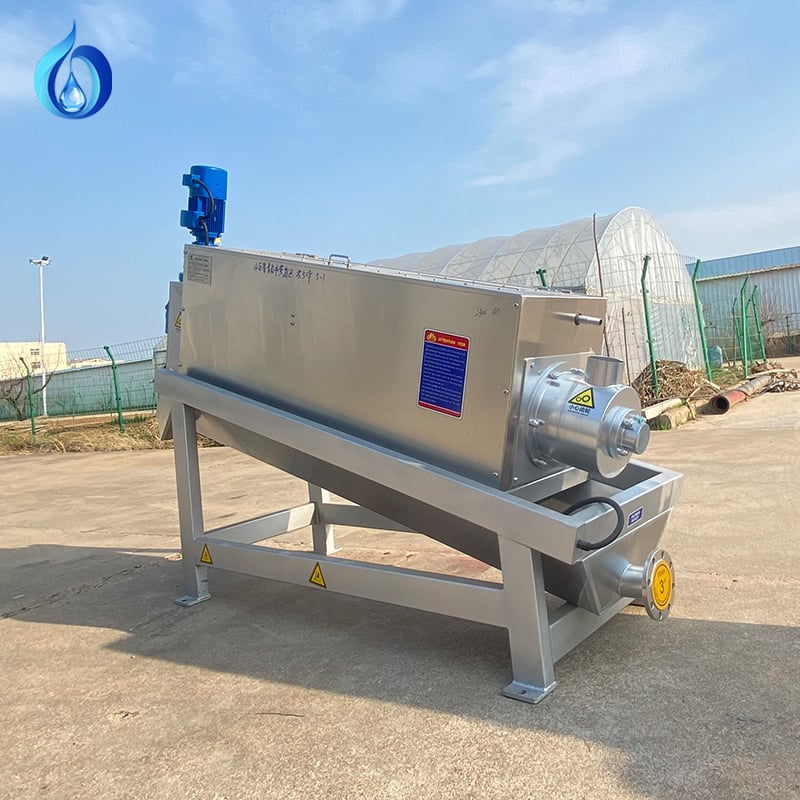
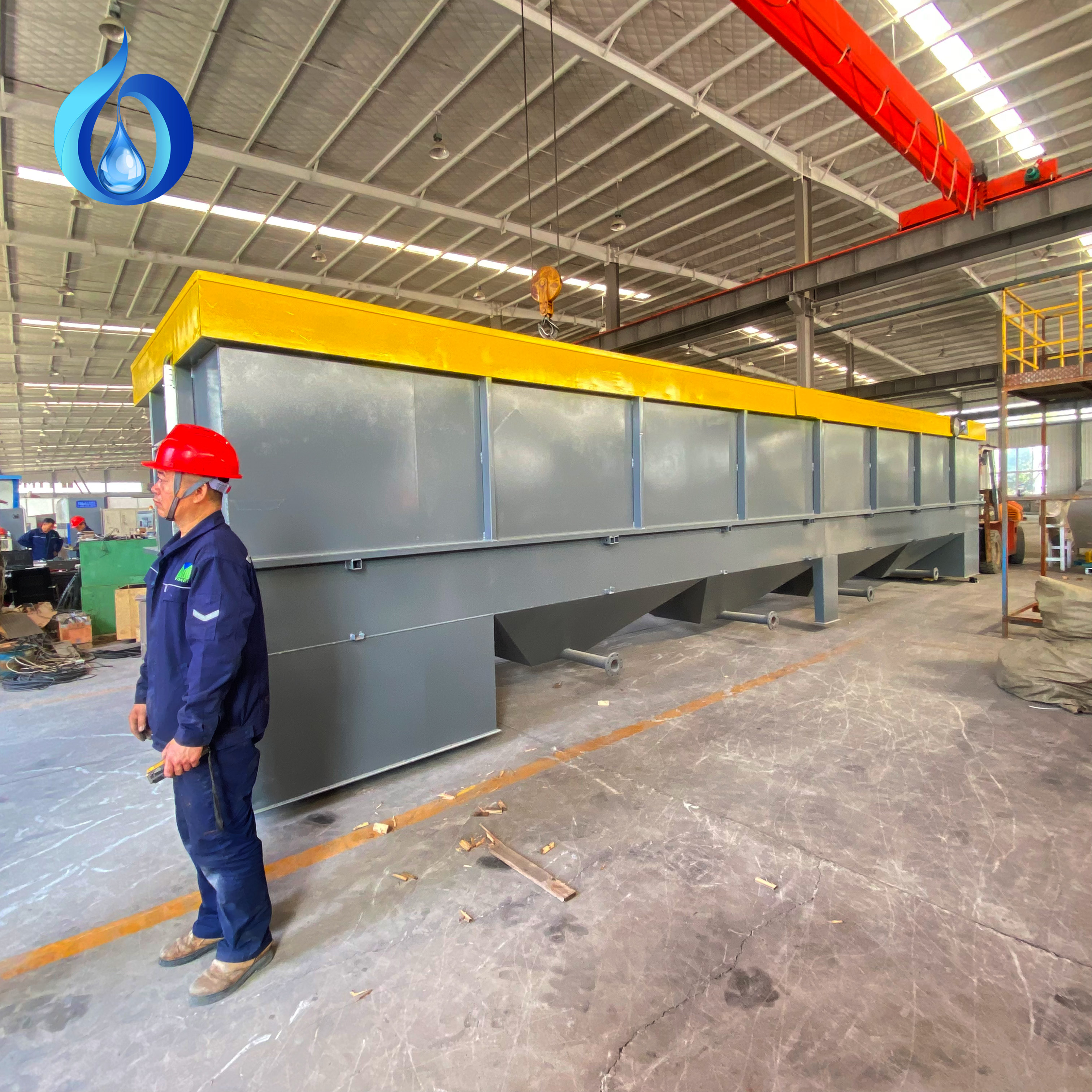
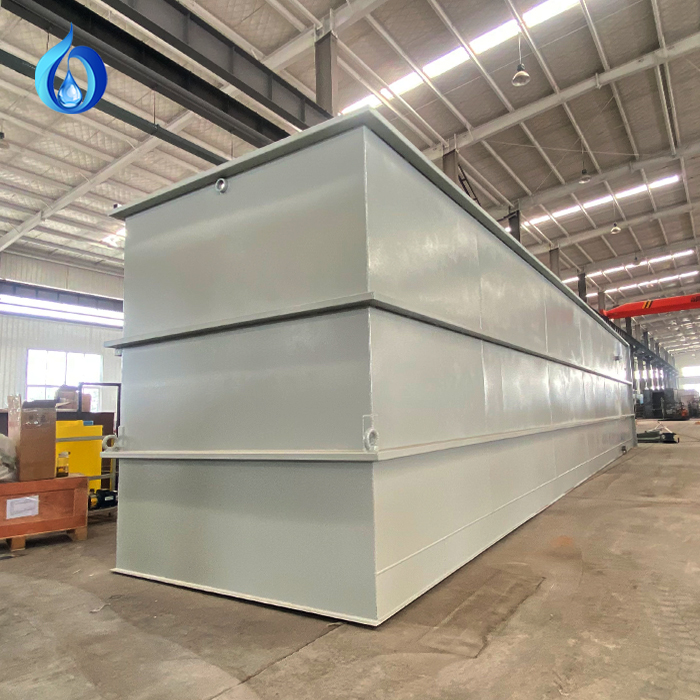
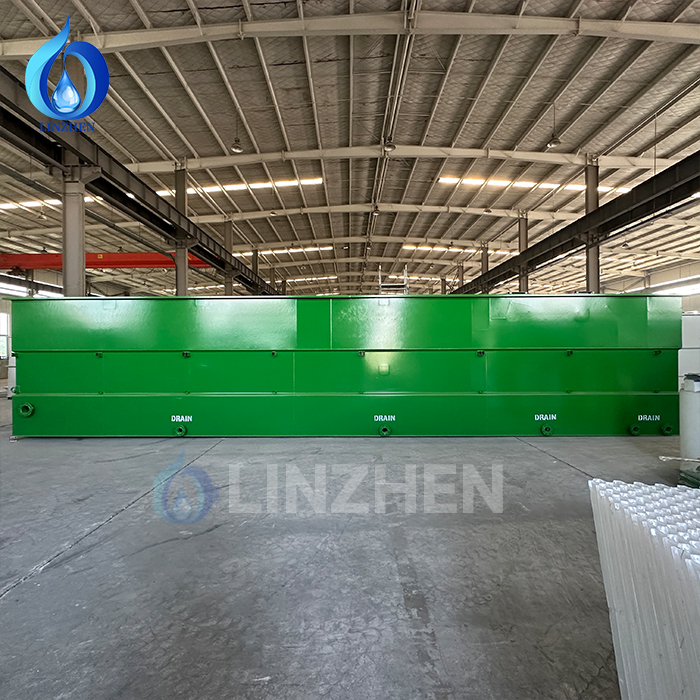
Modern industrial facilities face mounting pressure to process wastewater efficiently while managing operational costs. A sludge dewatering machine represents a critical investment for any busy factory treatment line seeking to optimize solids separation and reduce disposal expenses. These specialized systems transform liquid-rich sludge into manageable solid material, enabling facilities to recover valuable space, lower transportation fees, and meet environmental compliance standards. Understanding why a sludge dewatering machine belongs in your treatment infrastructure requires examining the operational realities, financial implications, and performance advantages that justify the investment.
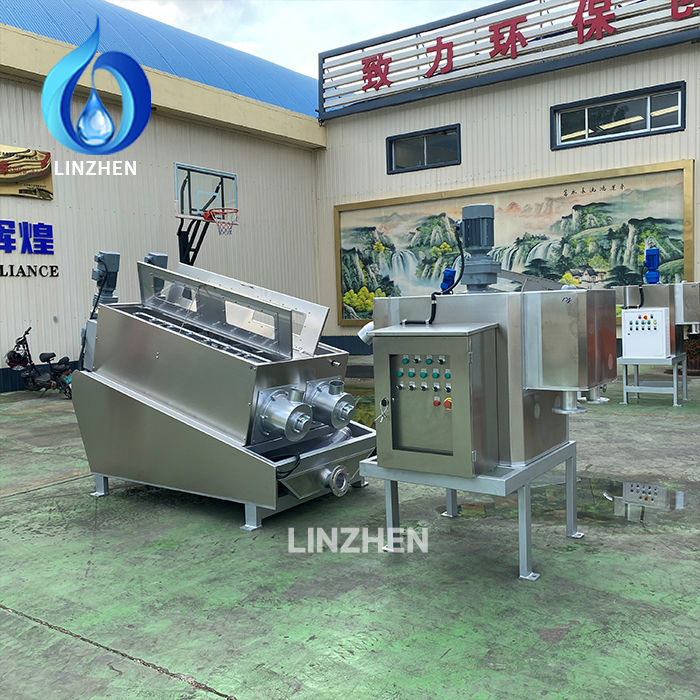
Factory treatment lines generate enormous volumes of sludge daily, particularly in food processing, chemicals manufacturing, pharmaceuticals, and municipal utilities. Without proper dewatering capability, this material consumes storage space, attracts regulatory scrutiny, and drives up waste management costs significantly. A sludge dewatering machine eliminates these operational friction points by achieving high solids capture rates and moisture reduction that manual or outdated methods cannot match. The competitive advantage comes not simply from having a dewatering system, but from selecting one engineered for your specific throughput and sludge characteristics.
Operational Efficiency and Production Continuity
Maximizing Treatment Line Throughput
A high-performance sludge dewatering machine directly increases the capacity of your entire treatment line. When solids separation occurs efficiently, the liquid phase returns to the treatment process or discharge point without delay, preventing bottlenecks that reduce overall facility output. Facilities operating at near-capacity utilization cannot afford downtime or sluggish dewatering performance. Installing a sludge dewatering machine purpose-built for continuous industrial duty ensures that treatment flow moves smoothly without costly interruptions. The machine handles variable sludge loads without operator intervention, maintaining consistent cake dryness across shifting production demands.
Reducing Manual Labor and Compliance Burden
Busy factory treatment lines require minimal manual oversight to remain profitable. A sludge dewatering machine automates the entire solids separation process, eliminating labor-intensive dewatering tasks that slow production and increase human error. Modern industrial sludge dewatering machine designs include automated monitoring, self-cleaning mechanisms, and fail-safe controls that reduce on-site technician involvement. This automation directly translates to lower operational staffing needs and fewer compliance violations stemming from inconsistent dewatering practices. Environmental regulations increasingly demand documented, consistent solids removal rates, which a sludge dewatering machine provides through electronic monitoring and performance logging.
Cost Reduction and Financial Justification
Lowering Sludge Disposal and Transportation Costs
The most compelling financial argument for installing a sludge dewatering machine centers on waste disposal expense reduction. Untreated sludge often contains 85–95% moisture, requiring expensive liquid waste hauling and treatment. A sludge dewatering machine reduces moisture content to 50–70%, drastically cutting transportation volume and tipping fees at disposal facilities. For factories processing hundreds of kilograms of sludge daily, this moisture reduction alone recovers the equipment investment within 18–36 months through disposal cost savings. Industrial facilities in high-waste-fee regions see payback periods of 12–18 months, making a sludge dewatering machine one of the highest-ROI treatment upgrades available.
Recovering Valuable Plant Space and Infrastructure Capacity
Sludge storage tanks and holding lagoons occupy expensive real estate at busy factory treatment lines. By deploying a sludge dewatering machine to reduce sludge volume dramatically, facilities reclaim storage capacity for other critical operations or avoid costly expansion. The reduced sludge volume also decreases demand on existing pumping systems, conveyors, and tank infrastructure, extending equipment lifespan and deferring major capital expenditures. Many factories discover that installing a high-capacity sludge dewatering machine enables them to process significantly more daily throughput within existing facility boundaries, effectively expanding treatment capacity without building additions.
Environmental Compliance and Risk Mitigation
Meeting Regulatory Solids Removal Standards
Environmental agencies worldwide mandate minimum solids capture rates and discharge standards for industrial wastewater treatment. A well-engineered sludge dewatering machine consistently achieves documented solids removal efficiency of 85–95%, satisfying regulatory inspection and reporting requirements. Without a sludge dewatering machine, facilities risk permit violations, fines, and operational restrictions that can halt production. The electronic performance data generated by modern sludge dewatering machine systems provides auditable proof of compliance, strengthening facility defense against regulatory challenges and supporting renewal of operating permits.
Minimizing Environmental Liability Through Controlled Solids Management
Improper sludge handling creates long-term environmental liability for factory owners and operators. A sludge dewatering machine enables controlled, documented solids management that reduces contamination risk and demonstrates environmental stewardship. Dewatered cake from a properly operated sludge dewatering machine can often be repurposed in landfill daily cover, soil amendment, or energy recovery, creating circular-economy opportunities. This controlled disposal pathway eliminates unregulated sludge stockpiling that invites environmental agency investigation, fines, and potential site remediation obligations spanning decades.
FAQ
What moisture content can a sludge dewatering machine achieve?
A modern sludge dewatering machine typically reduces moisture content from 95% in raw sludge to 50–70% in final cake, depending on sludge composition and machine design. High-dryness models achieve cake moisture levels as low as 40–50%, maximizing volume reduction and disposal cost savings. Actual performance depends on sludge characteristics, polymer conditioning effectiveness, and machine configuration.
How long does a sludge dewatering machine typically operate before requiring maintenance?
Industrial-grade sludge dewatering machine systems are engineered for 8,000–10,000 operating hours between major maintenance intervals, roughly 3–5 years of continuous operation depending on duty cycle. Routine maintenance including screen cleaning, seal inspection, and bearing lubrication occurs monthly or quarterly. Selecting a sludge dewatering machine with modular design and readily available spare parts minimizes unplanned downtime and repair costs.
Can a sludge dewatering machine handle variable sludge loads and changing inlet conditions?
Yes, modern sludge dewatering machine designs include automated polymer dosing systems and variable pressure controls that adapt to fluctuating sludge viscosity, solids concentration, and flow rates. This adaptability allows a single sludge dewatering machine to serve multiple treatment streams or accommodate seasonal production changes without operator adjustment, maintaining consistent dewatering performance year-round.
 EN
EN