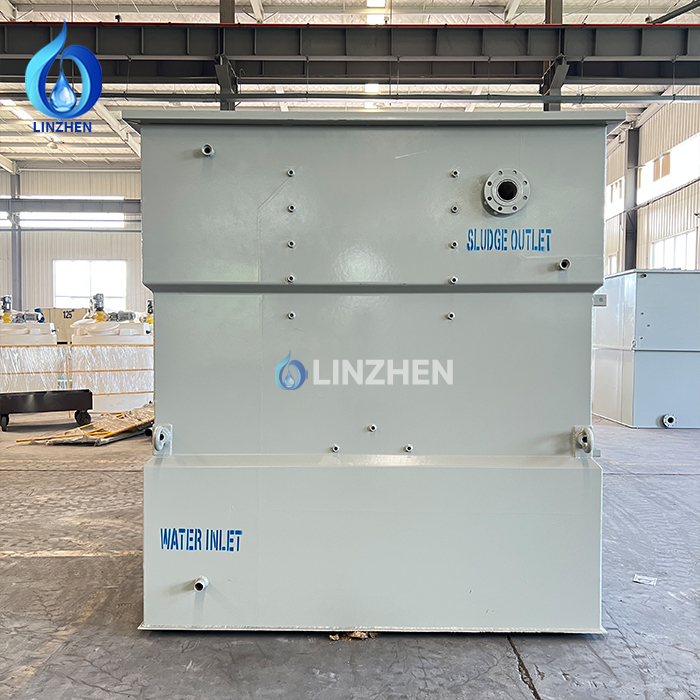
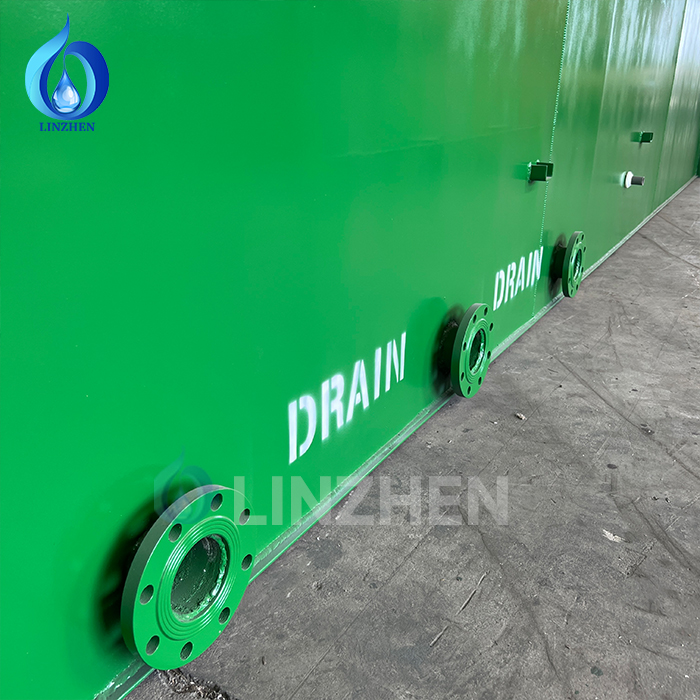
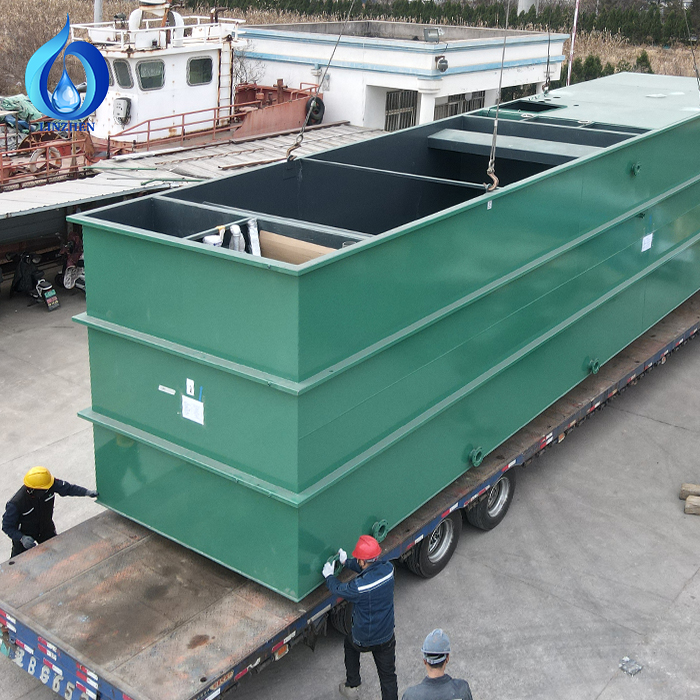
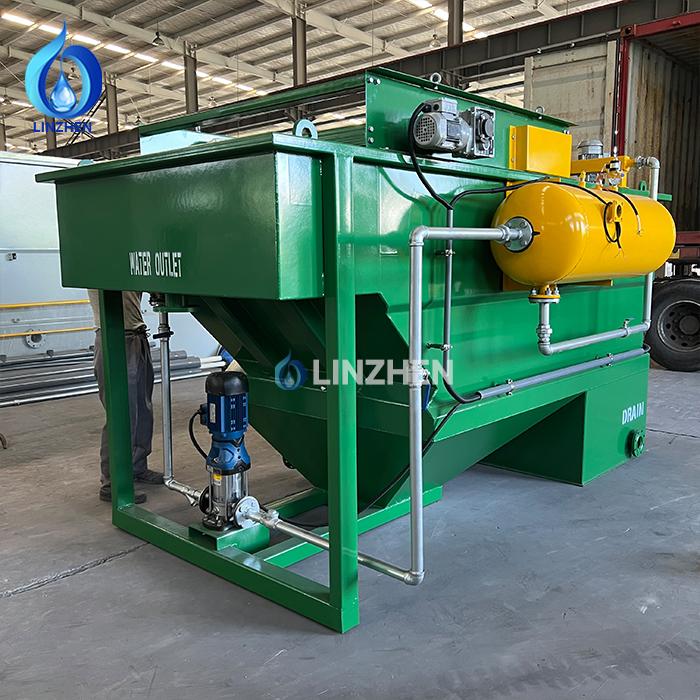
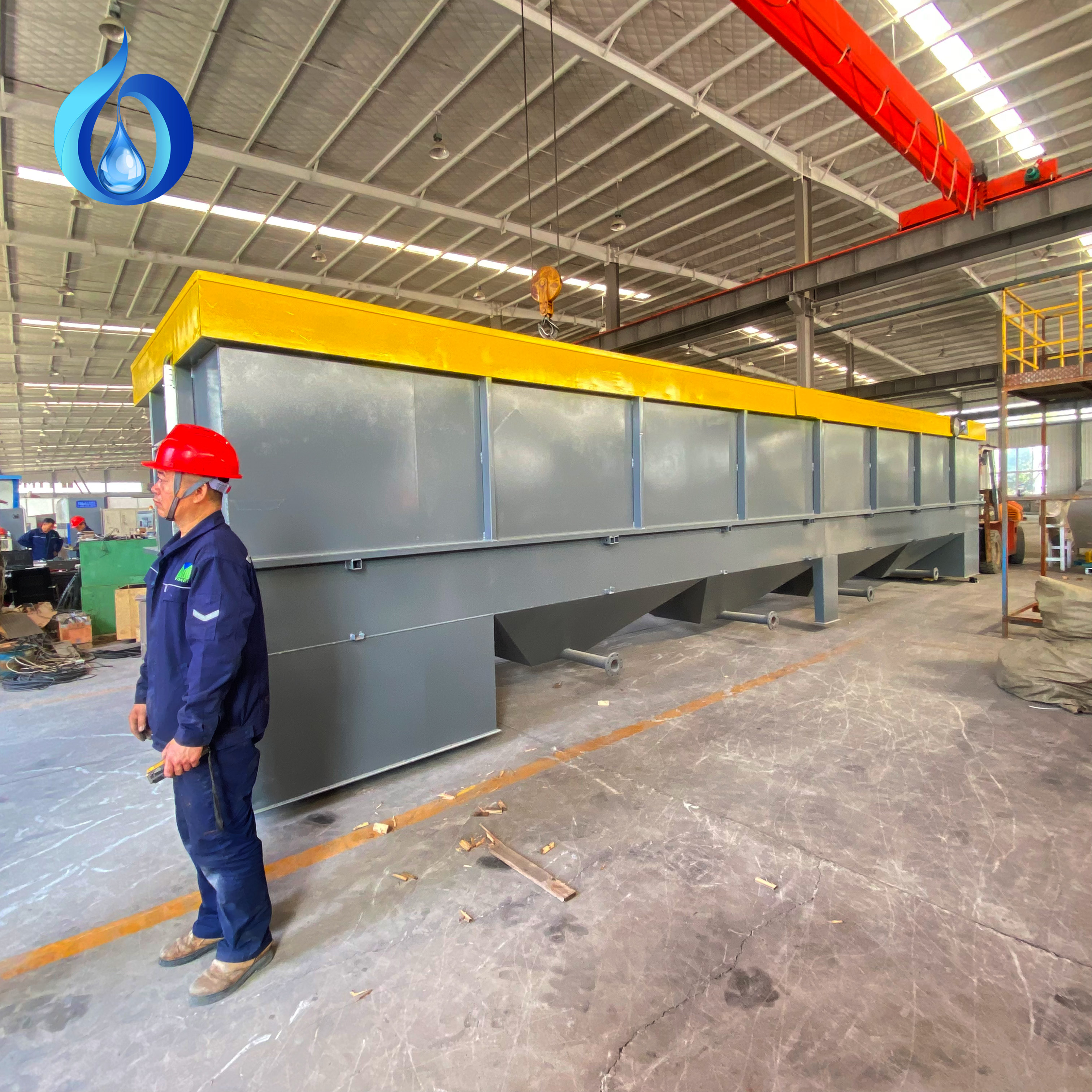
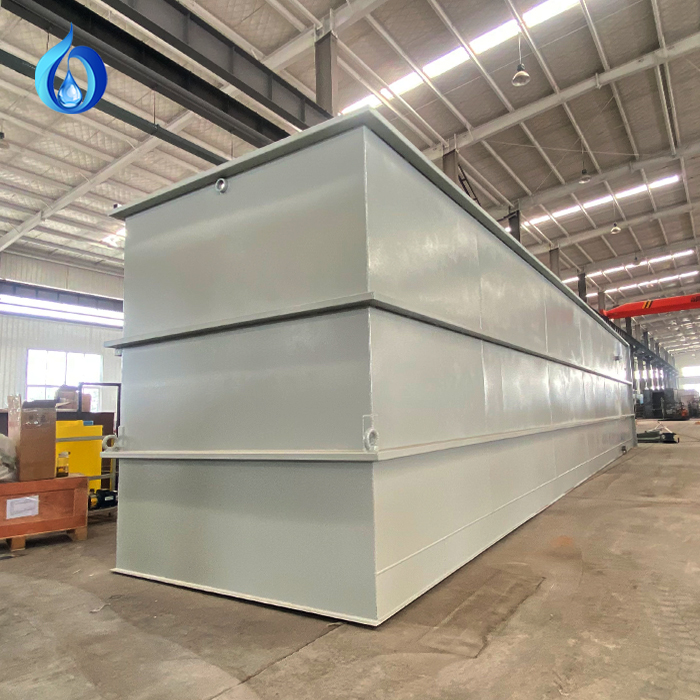
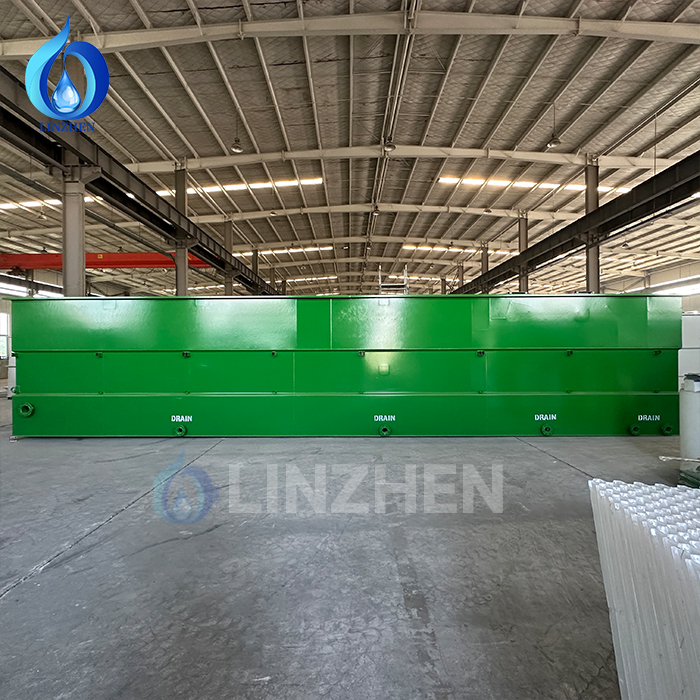
Remote mining operations face extraordinary environmental and logistical challenges when managing operational discharge. Box-type wastewater treatment solutions have emerged as the definitive answer for these isolated facilities, where traditional centralized infrastructure simply does not exist. Unlike permanent installations requiring months of construction and extensive site preparation, wastewater treatment solutions delivered in containerized formats arrive deployment-ready, enabling mining camps to achieve environmental compliance from day one. This fundamental shift in how remote sites handle water management has transformed operational feasibility across the global mining sector.
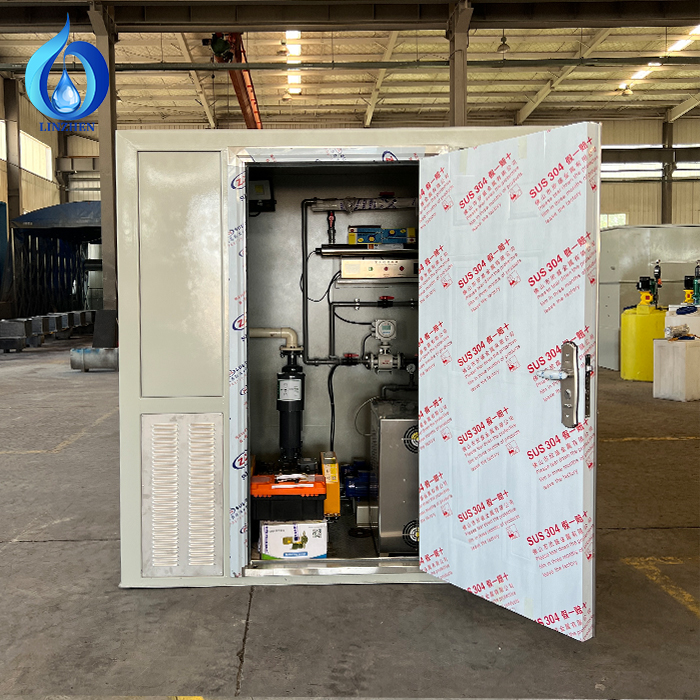
The success of box-type systems in remote mining environments reflects a convergence of practical, economic, and regulatory forces. Mining operations increasingly recognize that wastewater treatment solutions cannot be afterthoughts or workarounds. Regulatory bodies worldwide now mandate environmental accountability even in the most remote locations, creating legal imperatives that mobile, containerized wastewater treatment solutions uniquely satisfy. These systems combine industrial-grade treatment capacity with transportability, addressing the core tension between mining economics and environmental stewardship.
How Box-Type Systems Deliver Operational Flexibility
Rapid Deployment and Minimal Site Preparation
Box-type wastewater treatment solutions eliminate the construction timelines that plague conventional systems. A standard containerized unit arrives at a remote mining site fully fabricated, tested, and ready for operation. Rather than spending six to eighteen months constructing a permanent facility, mining operations can activate wastewater treatment solutions within weeks of arrival. This accelerated timeline translates directly into operational readiness, allowing mining camps to commence or expand production without environmental delays. The modular nature of wastewater treatment solutions means even geographically isolated locations can achieve full compliance regardless of local infrastructure limitations.
Scalability Without Major Infrastructure Investment
Mining operations experience production fluctuations driven by ore grades, commodity prices, and operational strategy. Box-type wastewater treatment solutions accommodate these dynamics through horizontal scalability. Rather than over-sizing a permanent facility or struggling with undersized capacity, operators deploy additional containerized units as production grows. This modular approach ensures wastewater treatment solutions remain right-sized to actual operational needs, eliminating capital waste on unused treatment capacity. Conversely, when mining activity declines, operators can reduce treatment infrastructure proportionally, a flexibility impossible with traditional fixed installations.
Environmental Compliance and Regulatory Performance
Meeting Stringent Discharge Standards in Isolated Locations
Environmental regulators increasingly scrutinize mining operations regardless of remoteness, demanding wastewater treatment solutions that achieve rigorous discharge standards. Box-type systems employ advanced treatment technologies including membrane filtration, biological treatment, and chemical precipitation within compact footprints. These wastewater treatment solutions consistently deliver effluent quality matching or exceeding local regulatory requirements, protecting downstream water resources and maintaining mining licenses. The containerized format does not compromise treatment sophistication; instead, it concentrates advanced processes into space-efficient configurations suited to remote site constraints.
Reducing Environmental Risk and Liability Exposure
Untreated or inadequately managed mining discharge poses substantial environmental and financial risk. Box-type wastewater treatment solutions directly mitigate these hazards through reliable, proven treatment performance. Containerized systems eliminate the need for emergency waste impoundment or non-compliant discharge practices that trigger regulatory penalties, community opposition, and operational shutdowns. Mining operators leverage wastewater treatment solutions to demonstrate environmental responsibility, protecting operational licenses and community relationships. This risk reduction translates into business continuity and stakeholder confidence that justifies the investment in proper treatment infrastructure.
Economic Viability in Remote Operations
Lower Capital Expenditure Compared to Permanent Facilities
Box-type wastewater treatment solutions require significantly lower capital investment than conventional treatment plants. A containerized unit typically costs 40-60% less than an equivalent permanent installation, a substantial savings for remote mining operations where construction logistics are challenging and expensive. Wastewater treatment solutions in containerized format eliminate earthwork, structural engineering, and extended on-site labor costs. Additionally, box-type systems enable operators to stage investments, deploying treatment capacity incrementally as production ramps rather than requiring massive upfront capital allocation. This financial flexibility allows mining companies to preserve capital for core production assets.
Reduced Operational and Maintenance Burden
Remote mining sites struggle to attract and retain skilled operational and maintenance personnel. Box-type wastewater treatment solutions address this challenge through simplified operation and remote monitoring capabilities. Containerized systems require less on-site technical expertise than complex permanent installations, reducing staffing demands. Many modern wastewater treatment solutions incorporate automated controls, real-time diagnostics, and remote support capabilities that enable centralized troubleshooting and expert guidance. This combination of automation and remote connectivity ensures wastewater treatment solutions maintain consistent performance even when operating personnel lack specialized treatment experience.
Technical Superiority and Proven Reliability
Advanced Treatment Technologies in Compact Form
Box-type wastewater treatment solutions concentrate industrial-grade treatment processes into integrated, containerized packages. These systems incorporate multi-stage treatment addressing suspended solids, organic matter, and often dissolved contaminants specific to mining discharge. Wastewater treatment solutions employ membrane technologies, biological reactors, and chemical treatment in sequential stages, ensuring comprehensive pollutant removal within the confined container structure. The integration of these processes into wastewater treatment solutions eliminates inter-unit connections and transfer logistics, improving overall system reliability and treatment consistency.
Durability and Performance Across Extreme Conditions
Remote mining sites experience extreme temperature fluctuations, dust-laden environments, and challenging weather conditions. Box-type wastewater treatment solutions are engineered to withstand these hostile operational contexts. Containerized systems feature robust construction, corrosion-resistant materials, and weatherproofed components that maintain performance reliability regardless of climate or environmental stress. Wastewater treatment solutions designed for remote mining endure operational demands that would compromise less ruggedized systems. This durability translates into dependable treatment performance, minimal downtime, and sustained environmental compliance throughout extended operational periods.
FAQ
Can box-type wastewater treatment solutions handle variable mining discharge compositions?
Yes, containerized wastewater treatment solutions can be engineered with treatment stages that accommodate typical mining discharge variations. Most box-type wastewater treatment solutions incorporate adjustable treatment parameters including coagulant dosing, biological treatment intensity, and filtration rates. These wastewater treatment solutions allow operators to modify treatment processes responding to discharge composition changes without replacing core equipment. Modern systems include monitoring capabilities that enable real-time adjustment, ensuring wastewater treatment solutions maintain consistent performance across discharge variability.
How long does installation of box-type wastewater treatment solutions typically require at remote mining sites?
Installation timelines for box-type wastewater treatment solutions typically span two to four weeks from delivery to operational startup. After transport arrives, site crews complete foundation preparation, utility connections, and system commissioning. Wastewater treatment solutions require minimal excavation or structural work compared to conventional plants. This rapid installation allows mining operations to activate wastewater treatment solutions quickly, reducing the window between site arrival and treatment capability. Some operators report full operational readiness for wastewater treatment solutions within days of delivery for straightforward applications.
Are wastewater treatment solutions suitable for multiple mining commodities beyond traditional hard rock mining?
Box-type wastewater treatment solutions serve diverse mining applications including hard rock, coal, aggregate, and rare earth operations. Containerized wastewater treatment solutions can be customized to address specific discharge characteristics of different mining commodities. Treatment stages can prioritize specific contaminants relevant to individual mining types, ensuring wastewater treatment solutions deliver appropriate performance. This versatility allows mining operators across commodity sectors to leverage the deployment advantages and economic benefits of containerized systems for their specific environmental management requirements.
 EN
EN