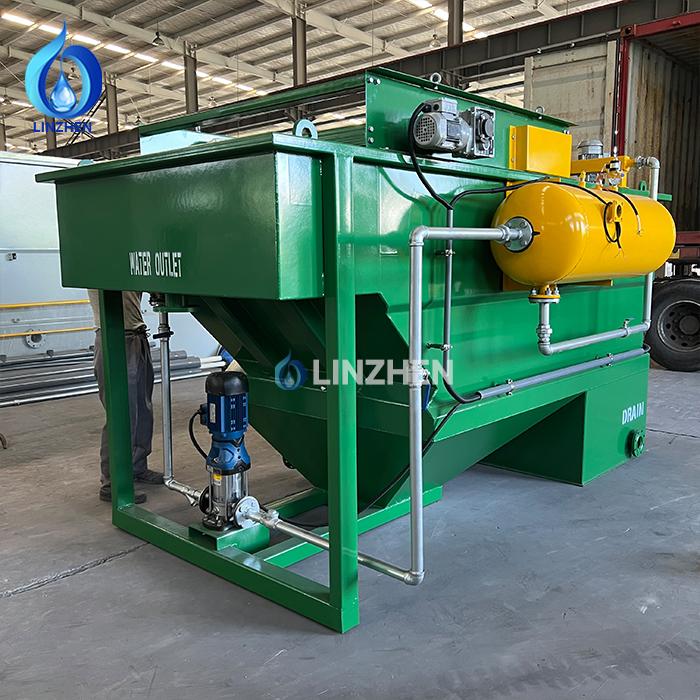
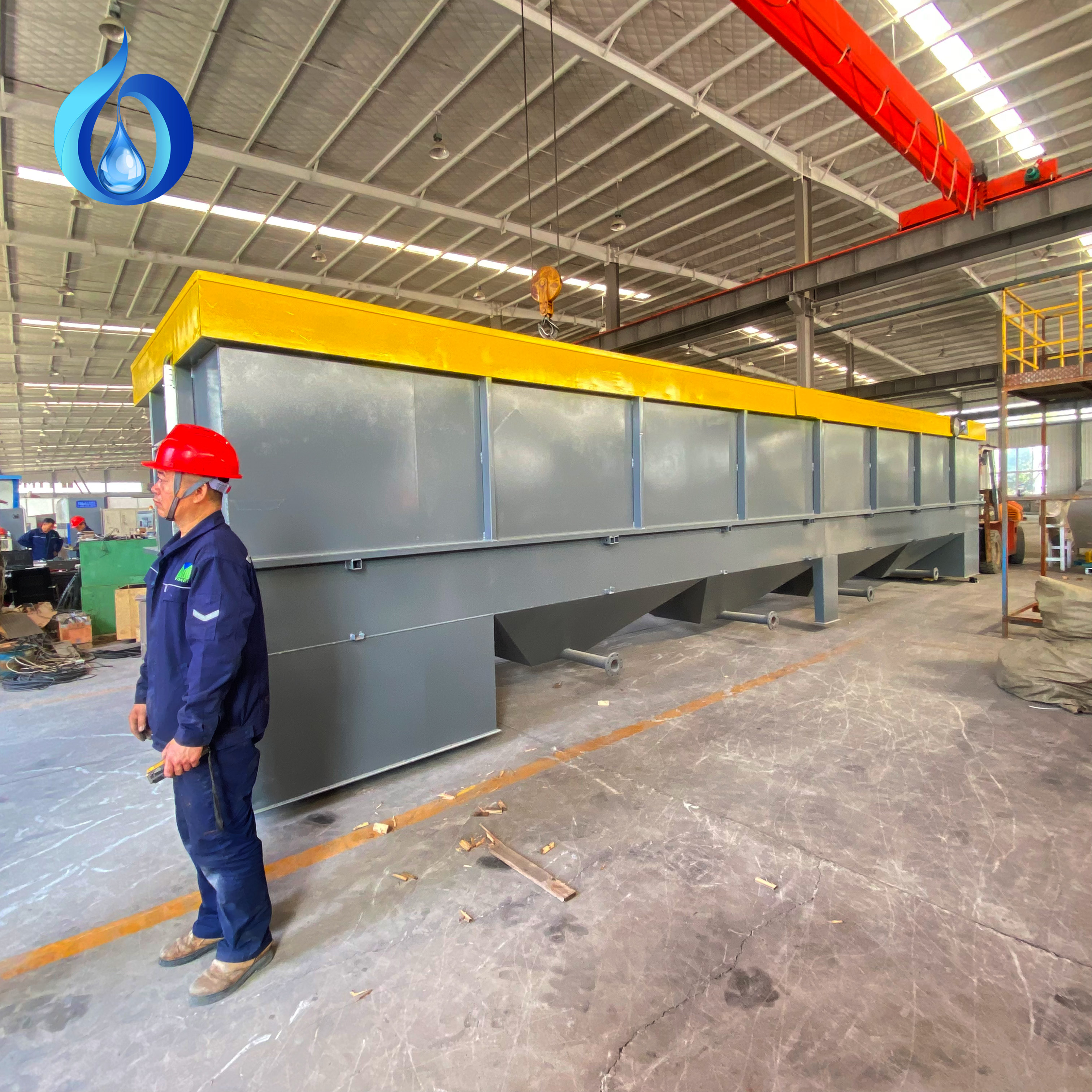
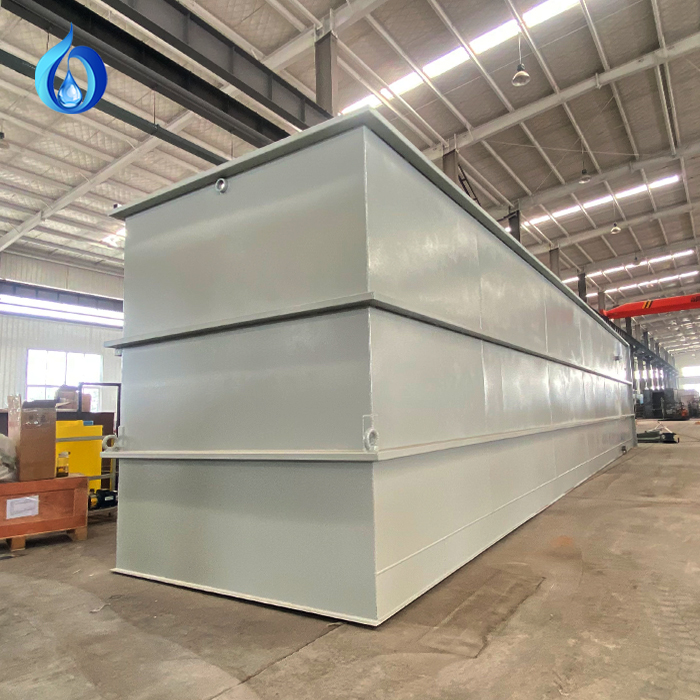
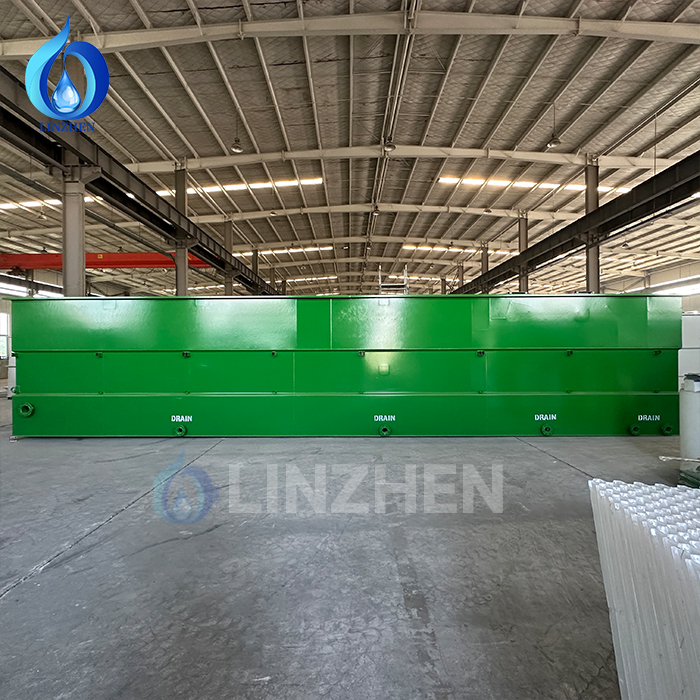
Modern manufacturing and processing facilities generate significant quantities of wastewater that require comprehensive treatment before discharge. While primary and secondary stages remove gross solids and organic matter, many operations find conventional approaches fall short of strict environmental rules. Adding a tertiary stage to an industrial effluent treatment system addresses this compliance gap by delivering superior contaminant removal. A custom industrial effluent treatment layout enables facilities to meet strict environmental standards, optimize discharge quality, and avoid expensive regulatory penalties.
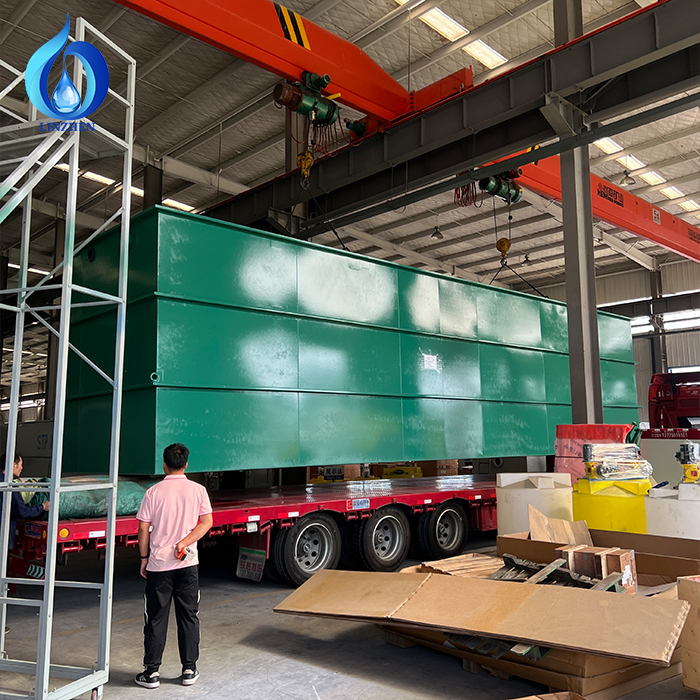
Advanced industrial effluent treatment involving tertiary processes transforms wastewater management by targeting residual contaminants that secondary systems cannot eliminate. An optimized industrial effluent treatment setup directly reduces chemical oxygen demand, biological oxygen demand, and total suspended solids to permissible levels. Understanding how tertiary stages enhance an industrial effluent treatment system helps facility managers make informed decisions regarding infrastructure investments, operational safety, and sustainable environmental protocols.
The Limitations of Primary and Secondary Treatment
Understanding Conventional Industrial Effluent Treatment Stages
Primary industrial effluent treatment removes coarse solids, sediment, and large particulates through physical settling and screening. Secondary industrial effluent treatment employs biological processes where microorganisms decompose organic matter, significantly reducing biological oxygen demand. However, these basic industrial effluent treatment stages cannot address dissolved contaminants, fine particulates, or residual nutrients that remain in processed streams.
In a typical industrial effluent treatment facility, residual chemical oxygen demand persists because complex compounds resist biodegradation in secondary reactors. Similarly, standard industrial effluent treatment struggles with resistant organic molecules and plant-specific pollutants. Total suspended solids levels may remain elevated despite clarify efforts. These incomplete removals create a significant operational gap between conventional industrial effluent treatment results and strict environmental discharge mandates.
Regulatory Compliance Challenges in Industrial Effluent Treatment
Environmental regulations enforce strict discharge limits that traditional industrial effluent treatment alone cannot satisfy. Facilities operating near sensitive watersheds face strict targets for chemical oxygen demand reduction and total suspended solids elimination. When an industrial effluent treatment plant fails to meet these benchmark targets, companies risk heavy fines, operational shutdowns, or forced capital upgrades.
Regulatory bodies recognize biological oxygen demand as a core water quality indicator, yet secondary industrial effluent treatment leaves residual concentrations above permit thresholds. Adding tertiary stages to an industrial effluent treatment process ensures consistent compliance by targeting missed pollutants. This proactive industrial effluent treatment strategy protects manufacturing facilities against enforcement actions, licensing delays, and operational interruptions.
How Tertiary Stages Enhance Industrial Effluent Treatment
Advanced Technologies for Superior Filtration
Tertiary industrial effluent treatment incorporates membrane filtration, activated carbon adsorption, and polishing units to capture fine particles and dissolved organics. Ultrafiltration units in an industrial effluent treatment line remove total suspended solids that secondary clarifiers miss, reducing fouling risks in downstream equipment. These physical separation mechanisms operate reliably within the overall industrial effluent treatment architecture.
Chemical oxygen demand reduction accelerates when an industrial effluent treatment plant utilizes activated carbon or advanced oxidation. These tertiary industrial effluent treatment methods break down complex molecules, lowering chemical oxygen demand to levels impossible with secondary methods alone. Ozonation, ultraviolet light, and peroxide injection represent advanced industrial effluent treatment options that eliminate persistent contaminants.
Nutrient and Trace Contaminant Control
Nitrogen and phosphorus persist through basic industrial effluent treatment because conventional biological reactors prioritize carbon oxidation. Tertiary industrial effluent treatment stages incorporate denitrification units, ion exchange resins, or precipitation methods that target these nutrients. Removing excess nutrients within the industrial effluent treatment system prevents eutrophication in receiving aquatic ecosystems.
Trace metals, pesticides, and persistent organic compounds require specialized industrial effluent treatment interventions. Activated carbon and chemical precipitation techniques within the industrial effluent treatment process eliminate stubborn pollutants. A complete industrial effluent treatment facility delivers exceptional water quality that safeguards ecosystems and meets legal permit requirements.
Operational and Economic Benefits of Industrial Effluent Treatment
Long-Term Cost Efficiency and Risk Reduction
Although tertiary industrial effluent treatment requires capital investment, operational advantages justify expenses by avoiding penalties and lowering risk. Facilities achieving superior discharge through effective industrial effluent treatment prevent costly enforcement actions and emergency repairs. Proactive industrial effluent treatment investments secure long-term infrastructure stability.
Water reclamation becomes feasible when an industrial effluent treatment process includes tertiary polishing, enabling facilities to recycle treated water for cooling towers or washdown applications. Reusing water via advanced industrial effluent treatment reduces freshwater purchasing expenses and lowers total discharge volumes, delivering valuable sustainability credentials for modern manufacturers.
Performance Consistency and Operational Control
Tertiary industrial effluent treatment systems provide mechanical consistency that biological steps cannot guarantee. Biological industrial effluent treatment performance fluctuates based on temperature, influent chemistry, and microbial health. Tertiary industrial effluent treatment technologies deliver reliable engineered performance, ensuring consistent removal of biological oxygen demand, chemical oxygen demand, and total suspended solids.
Automated controls enable real-time industrial effluent treatment optimization. Membrane filtration monitoring alerts operators to fouling before failure occurs. Carbon filtration indicators signal saturation early, ensuring the industrial effluent treatment process remains reliable, efficient, and compliant under all operational conditions.
FAQ
What contaminants does tertiary industrial effluent treatment remove that secondary stages miss?
Tertiary industrial effluent treatment removes fine suspended solids, bio-resistant organic compounds, heavy metals, pesticides, and excess nutrients. While secondary industrial effluent treatment focuses on basic biological oxygen demand, tertiary stages capture difficult pollutants to ensure chemical oxygen demand and total suspended solids parameters pass inspection.
Is adding tertiary industrial effluent treatment necessary for all manufacturing facilities?
Necessity depends on regional environmental regulations, wastewater composition, and discharge limits. Facilities producing complex streams benefit immensely from tertiary industrial effluent treatment. Installing tertiary industrial effluent treatment during initial construction proves far more economical than retrofitting equipment later.
How much does tertiary industrial effluent treatment improve water quality metrics?
A tertiary industrial effluent treatment stage reduces total suspended solids by up to 95 percent, chemical oxygen demand by 50 to 80 percent beyond secondary levels, and biological oxygen demand to near-zero levels, maximizing overall industrial effluent treatment performance.
 EN
EN