Selecting the right wastewater treatment solutions requires more than comparing initial purchase prices. Organizations must evaluate fifteen-year whole-life costs, which encompass capital expenditure, operational expenses, maintenance requirements, energy consumption, chemical usage, and regulatory compliance. When facilities managers analyze wastewater treatment solutions comprehensively across this extended timeline, they often discover that premium systems deliver superior financial performance despite higher upfront investments. Understanding the true cost drivers behind wastewater treatment solutions enables decision-makers to select systems that minimize total expense while maintaining treatment quality and regulatory adherence.
The financial impact of wastewater treatment solutions extends far beyond initial installation costs. Many organizations underestimate how operational expenses compound over fifteen years, often exceeding capital costs by three to five times. Energy consumption, sludge handling, chemical dosing, labor requirements, and equipment replacement cycles represent substantial ongoing expenditures. Modern wastewater treatment solutions designed for efficiency can dramatically reduce these recurring costs, recovering initial premiums within five to seven years and delivering substantial savings thereafter. This article examines the financial dynamics of wastewater treatment solutions and identifies which configurations deliver the lowest whole-life costs for industrial and municipal applications.
Capital and Installation Costs of Wastewater Treatment Solutions
Initial Investment Considerations
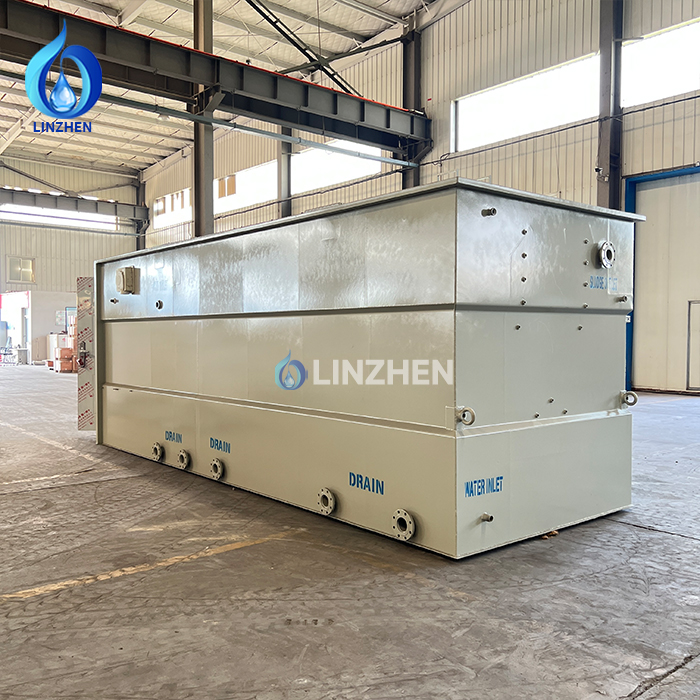
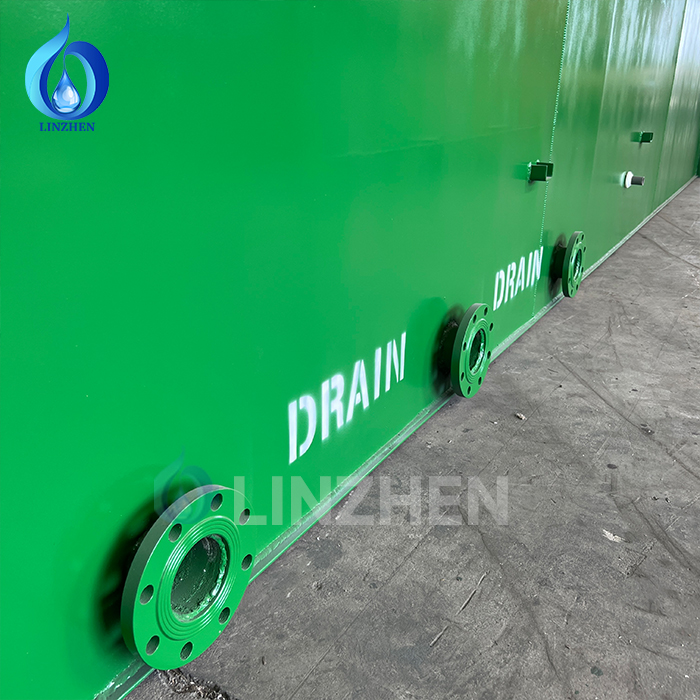
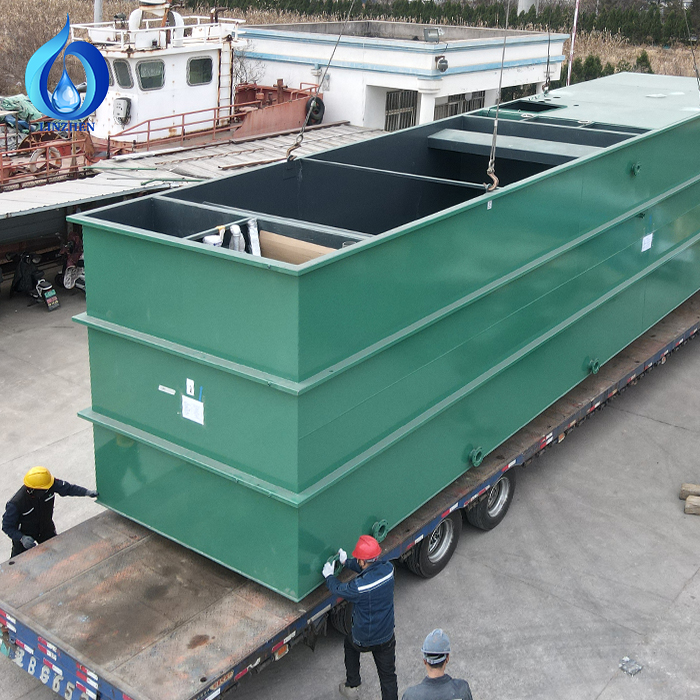
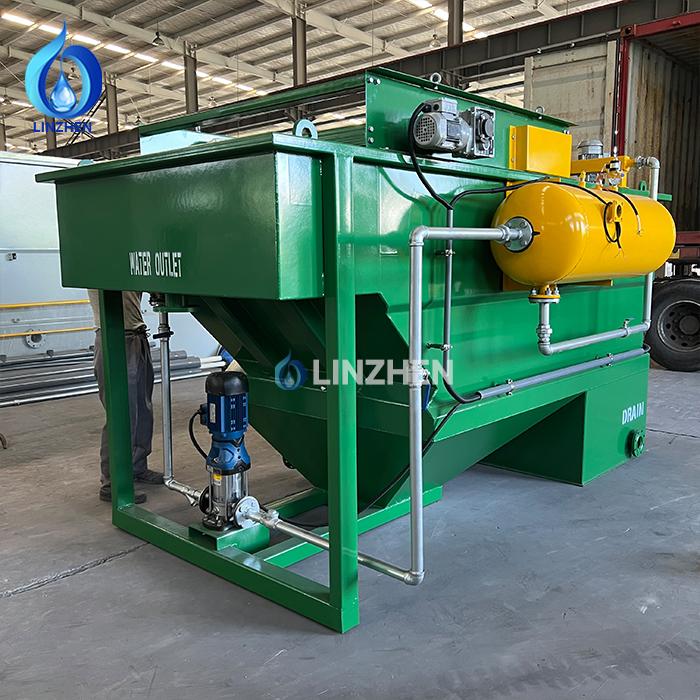
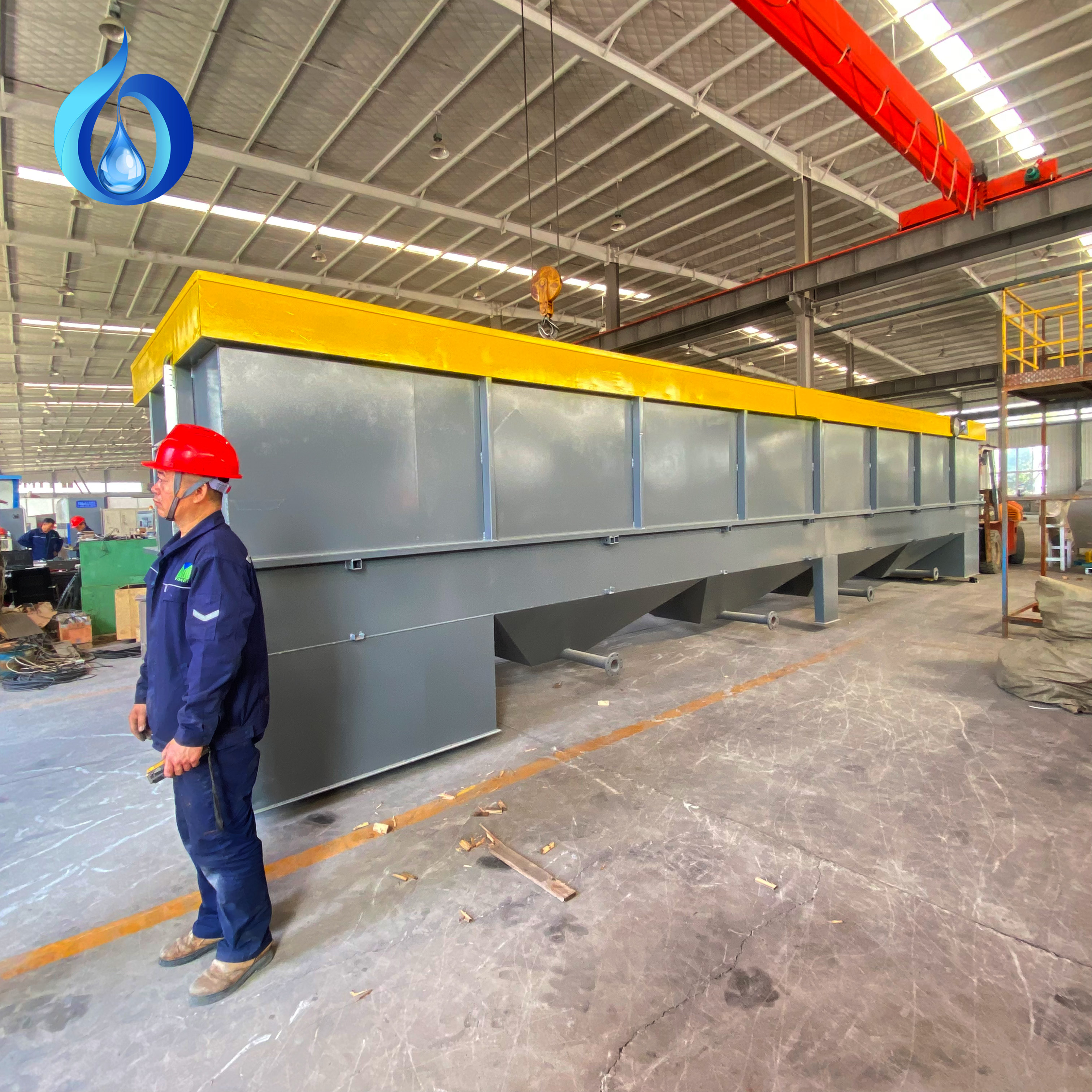
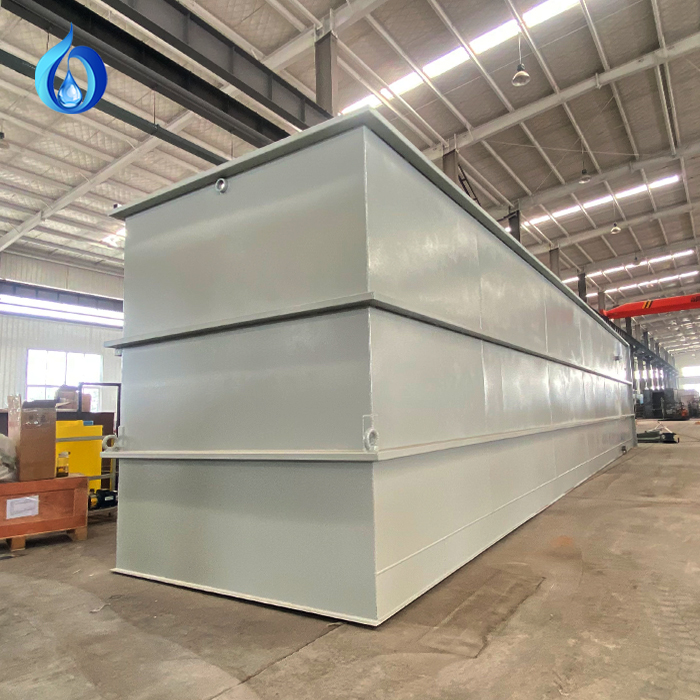
Capital costs for wastewater treatment solutions vary significantly based on treatment capacity, technology type, and site conditions. Packaged wastewater treatment solutions typically range from thirty to sixty percent less in installation expense compared to conventional built-in-place systems because they arrive pre-assembled and require minimal site modification. However, the lowest initial price does not guarantee the lowest fifteen-year cost. Wastewater treatment solutions with advanced screening, biological optimization, and automated control systems command higher upfront investments but substantially reduce lifetime operational expenses through superior efficiency and reliability.
Site-Specific Installation Factors
Installation complexity significantly influences capital costs for wastewater treatment solutions. Sites with challenging soil conditions, high water tables, or restricted access increase engineering requirements and labor intensity, pushing wastewater treatment solutions capital expenses higher. Conversely, facilities with adequate space and stable foundations benefit from cost reductions during deployment. The lowest-cost wastewater treatment solutions implementations account for site logistics, equipment staging, utility connections, and local labor availability. Organizations that select wastewater treatment solutions specifically engineered for their site conditions often achieve better capital cost outcomes than those choosing generic systems.
Operational Efficiency and Energy Consumption
Energy Usage Patterns Across Fifteen Years
Energy consumption represents the single largest operational cost component for wastewater treatment solutions over a fifteen-year lifecycle. Pumping, aeration, mixing, and process control systems operate continuously, accumulating substantial electricity expenses. Advanced wastewater treatment solutions incorporating variable frequency drives, optimized aeration blowers, and intelligent process control reduce energy consumption by twenty to forty percent compared to conventional systems. Over fifteen years, this efficiency advantage translates to savings exceeding installation costs entirely. Organizations prioritizing low whole-life costs must carefully evaluate energy specifications when selecting wastewater treatment solutions, as seemingly minor efficiency improvements compound dramatically across extended timelines.
Process Optimization and Resource Recovery
Modern wastewater treatment solutions increasingly incorporate features that extract value from treated flows and residuals. Biosolids recovery, methane generation, and water reclamation capabilities embedded in sophisticated wastewater treatment solutions can offset operational expenses through resource monetization or reuse benefits. Facilities capable of implementing resource recovery within their wastewater treatment solutions frameworks achieve substantially lower net costs compared to conventional disposal-focused approaches. The lowest whole-life cost wastewater treatment solutions balance treatment performance with resource recovery potential, particularly in industrial applications where recovered materials command market value.
Maintenance, Replacement, and Compliance Expenses
Predictable and Preventive Maintenance Costs
Maintenance requirements accumulate significantly over fifteen-year periods, often comprising thirty to forty percent of total wastewater treatment solutions lifecycle costs. Equipment reliability, spare parts availability, and scheduled service intervals directly influence these expenses. Standardized wastewater treatment solutions with proven track records typically offer lower maintenance costs because replacement components remain readily available and technician expertise is widespread. Conversely, specialized or proprietary wastewater treatment solutions may impose premium service charges and extended downtime during repairs. The lowest-cost wastewater treatment solutions balance innovative performance features with operational simplicity, ensuring maintenance requirements remain manageable and predictable throughout their deployed lifecycle.
Chemical Usage and Sludge Disposal
Chemical consumption for treatment, pH adjustment, and process control represents a persistent cost element throughout wastewater treatment solutions operation. Advanced wastewater treatment solutions incorporating biological nutrient removal and chemical precipitation optimization reduce chemical demand significantly. Sludge disposal expenses vary regionally and depend heavily on treatment approach, with advanced dewatering integrated into wastewater treatment solutions dramatically reducing hauling volume and disposal fees. Organizations evaluating fifteen-year costs of wastewater treatment solutions must account for regional disposal pricing volatility and regulatory restrictions on biosolids placement. The lowest whole-life cost wastewater treatment solutions minimize both chemical inputs and solids generation, compressing these expense categories substantially across extended timelines.
Regulatory Compliance and Future-Proofing
Adapting to Changing Treatment Standards
Environmental regulations evolve, and wastewater treatment solutions selected today must remain compliant over fifteen years despite increasingly stringent discharge limits. Modular wastewater treatment solutions designed with upgrade pathways avoid costly retrofits or replacement when regulations tighten. Conversely, systems installed without flexibility often require substantial modifications or entire replacement when compliance requirements change. The lowest-cost wastewater treatment solutions investments account for regulatory trajectory and select systems capable of adaptation through process modifications or equipment addition. This forward-looking approach prevents expensive capital surprises mid-lifecycle and maintains treatment capabilities throughout extended operational periods.
Performance Monitoring and Documentation Requirements
Wastewater treatment solutions increasingly require sophisticated monitoring, data logging, and reporting systems to demonstrate regulatory compliance. Integrated control and automation capabilities reduce manual sampling and documentation labor while improving operational records. Wastewater treatment solutions equipped with real-time monitoring minimize compliance violations that trigger penalties and enforcement actions. Over fifteen years, reliable performance documentation embedded within automated wastewater treatment solutions systems prevents costly violations and maintains operational permits without disruption. Organizations selecting wastewater treatment solutions must evaluate compliance infrastructure as a cost component, as inadequate monitoring frequently generates unanticipated expenses throughout operational lifecycles.
FAQ
What wastewater treatment solutions factors most influence fifteen-year total cost?
Energy consumption, chemical usage, maintenance requirements, and equipment replacement cycles collectively dominate fifteen-year costs for wastewater treatment solutions. While capital investment typically represents fifteen to twenty-five percent of total lifecycle expense, operational factors account for seventy-five to eighty-five percent. Organizations seeking lowest whole-life costs must prioritize wastewater treatment solutions demonstrating superior energy efficiency, simplified maintenance, and minimal chemical dependence rather than lowest purchase price. Careful analysis of operational specifications reveals which wastewater treatment solutions deliver genuine lifetime savings despite potentially higher initial investment.
How do packaged wastewater treatment solutions compare to conventional systems for cost?
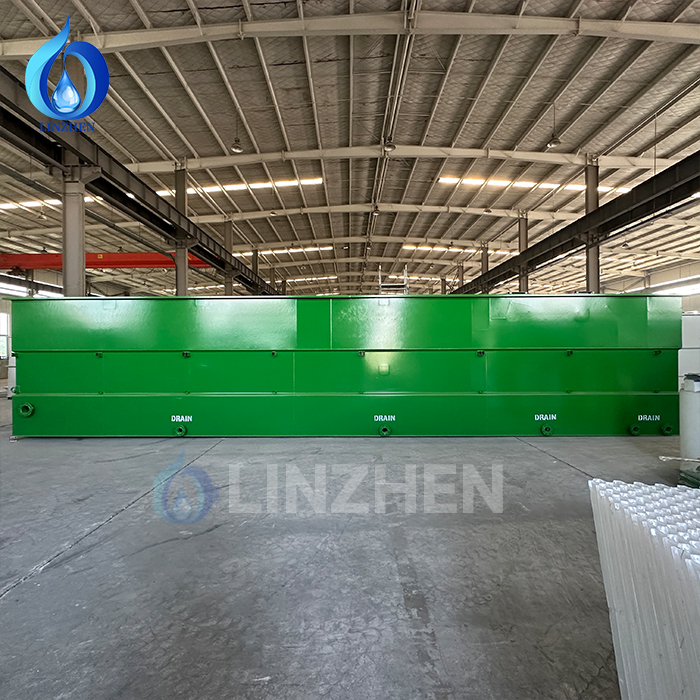
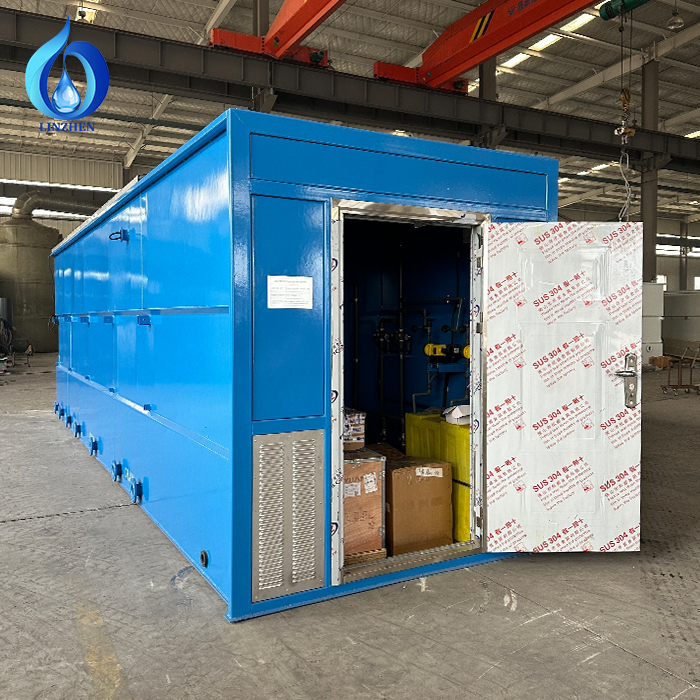
Packaged wastewater treatment solutions typically offer significant advantages across fifteen-year cost evaluation. Lower installation costs, faster deployment, and standardized operation reduce capital expenses compared to conventional systems. Additionally, packaged wastewater treatment solutions benefit from economies of scale in component manufacturing and widespread parts availability that reduce maintenance expenses. However, cost advantage depends on capacity matching and site suitability. Undersized or oversized packaged wastewater treatment solutions generate efficiency penalties that erode cost benefits. Properly sized packaged wastewater treatment solutions generally deliver lowest whole-life costs, particularly for applications ranging from five hundred to five hundred thousand gallons daily.
Can wastewater treatment solutions selection reduce fifteen-year costs through resource recovery?
Advanced wastewater treatment solutions incorporating biosolids recovery, water reclamation, or energy generation capabilities can substantially reduce net lifecycle costs through secondary revenue streams or operational offset benefits. Industrial facilities treating high-strength wastewaters often recover valuable byproducts that offset treatment expenses. Municipal applications increasingly implement water reuse systems integrated within comprehensive wastewater treatment solutions frameworks, reducing freshwater demand and associated supply costs. However, resource recovery capabilities require higher initial investment and suitable end-use markets. Organizations evaluating wastewater treatment solutions should assess local resource value, regulatory authorization, and market demand before prioritizing recovery-focused systems, as not all applications support cost-effective implementation.
 EN
EN