Industrial operations that handle oily wastewater, food processing effluent, or paper mill discharge face mounting pressure to meet environmental regulations while controlling treatment costs. A dissolved air flotation system offers rapid separation of suspended solids, oils, and other contaminants, but the financial case varies dramatically across industries. Understanding which trades achieve payback fastest enables operators to make confident capital investment decisions and prioritize upgrades where return on investment materializes within months rather than years.
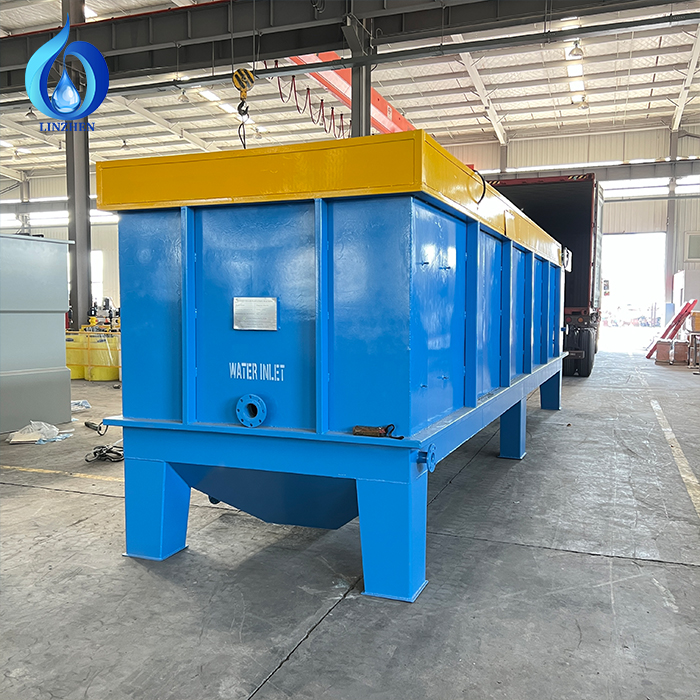
The payback timeline for a dissolved air flotation system depends on four core factors: treatment volume handled daily, contaminant concentration in the influent, local regulatory penalties for discharge violations, and the cost difference between current treatment methods and the new setup. Industrial facilities processing high-volume wastewater with elevated pollutant loads see the fastest return because they generate the largest operational savings and avoid compliance fines. This article examines which trades realize payback fastest and why their operational profiles align so favorably with dissolved air flotation system economics.
Oil and Gas Refining: Fastest Payback in High-Volume Processing
Why Oil Refining Achieves Rapid ROI with a Dissolved Air Flotation System
Petroleum refineries generate massive volumes of oily wastewater containing free oils, emulsified oils, and suspended solids that must be removed before discharge or reuse. Current methods like gravity separation and coalescent plates require extended residence time and multiple treatment stages, driving high operational costs. Implementing a dissolved air flotation system cuts treatment time dramatically while improving oil recovery rates, allowing refineries to reuse or resell recovered oil as a revenue stream. Many refineries process 500 to 2,000 cubic meters of wastewater daily, meaning even modest per-unit cost reductions translate into six-figure annual savings when operating a dissolved air flotation system.
Regulatory and Revenue Drivers for the Dissolved Air Flotation System in Refining
Refineries face steep penalties for exceeding oil-in-water discharge limits set by environmental agencies, with fines often reaching thousands of dollars per violation. A dissolved air flotation system achieves oil removal efficiency above 95 percent, virtually eliminating discharge violations. Additionally, recovered oil represents a secondary revenue source; a refinery recovering just 10 barrels per day of separated oil covers much of the running costs of their dissolved air flotation system. The combination of avoided penalties, reduced chemical additive consumption, and recovered product revenue creates a payback window of 18 to 36 months for a dissolved air flotation system installation at most refineries.
Food and Beverage Processing: High-Pressure Compliance and Rapid Returns
Organic Load and Treatment Intensity in Food Operations
Food processing facilities, including meat packing plants, dairy processors, and beverage bottlers, discharge wastewater with extremely high organic loads, suspended fats, and proteins. This effluent requires aggressive treatment before municipal discharge, typically involving extended aeration and mechanical clarification that consume substantial energy. A dissolved air flotation system removes fats and suspended solids in minutes rather than hours, cutting aeration time and blower energy demand by 30 to 50 percent. The dissolved air flotation system also produces denser biosolids that dewater faster, reducing sludge disposal costs by 20 to 40 percent annually.
Operational Savings with a Dissolved Air Flotation System in Food Manufacturing
Food processors operating around-the-clock shift cycles benefit significantly from faster treatment cycles enabled by a dissolved air flotation system. Reduced aeration time lowers electricity consumption, while faster biosolids separation cuts operator labor and improves plant throughput. Many food facilities report that a dissolved air flotation system reduces their overall treatment cost per cubic meter of wastewater by 25 to 35 percent. When processing 100 to 300 cubic meters daily, this efficiency gain generates $50,000 to $150,000 in annual savings, positioning payback at 24 to 40 months for the dissolved air flotation system depending on facility size and local energy costs.
Paper and Pulp Mills: Payback Driven by Fiber Recovery and Chemical Reuse
Fiber Loss and Chemical Inefficiency Mitigated by the Dissolved Air Flotation System
Paper mill wastewater contains significant quantities of cellulose fibers, filler chemicals, and coating particles that represent lost product and wasted chemical investment. Traditional clarification methods lose 15 to 25 percent of recoverable fiber to discharge, reducing yield and requiring higher virgin pulp purchases. A dissolved air flotation system recovers 70 to 85 percent of suspended fibers and chemicals, allowing mills to return recovered material directly to the production process. This fiber recovery via the dissolved air flotation system alone reduces raw material costs by 5 to 10 percent of total fiber consumption, a substantial lever for mills processing 500 to 1,500 tons of paper daily.
Chemical Recovery and Environmental Compliance
Mills using retention aids and sizing chemicals also recover a portion of these expensive additives through a dissolved air flotation system, extending their functional value. Because paper production is capital-intensive and operates on thin margins, any reduction in chemical consumption and fiber loss directly impacts profitability. A dissolved air flotation system typically achieves payback in 20 to 35 months at a paper mill due to the high value of recovered fiber and chemicals. Moreover, improved effluent quality from a dissolved air flotation system reduces the mill's biological treatment load downstream, extending the lifespan of secondary treatment equipment and cutting replacement costs.
Chemical Manufacturing and Metal Finishing: Specialized Waste Streams
High-Value Contaminant Recovery with a Dissolved Air Flotation System
Chemical manufacturers and metal finishing facilities generate wastewater containing valuable suspended solids, metal hydroxides, or process chemicals that can be recovered and resold or reused. A dissolved air flotation system concentrates these contaminants into a dense sludge that can be processed further or sold as secondary material. For chemical plants generating 50 to 200 cubic meters daily of high-value waste streams, recovered material can represent $20,000 to $80,000 annually. Combined with reduced disposal fees, a dissolved air flotation system achieves payback in 24 to 42 months in these specialized applications.
Regulatory Compliance and Penalty Avoidance
Metal finishing shops and chemical processors face extremely tight discharge limits for metals, suspended solids, and other contaminants, with regulatory non-compliance carrying severe penalties. A dissolved air flotation system ensures consistent, reliable removal that protects against violations and associated fines. The financial incentive to avoid penalties, combined with material recovery value, makes a dissolved air flotation system particularly attractive for these trades. Facilities spending $30,000 to $60,000 annually on external waste disposal find that a dissolved air flotation system typically pays for itself within 30 to 48 months.
FAQ
Which industry achieves the fastest payback with a dissolved air flotation system?
Oil refining typically achieves the fastest payback because it processes high volumes of oily wastewater, faces significant discharge penalties, and uses a dissolved air flotation system to recover and resell separated oil as a revenue stream. Most refineries see payback within 18 to 36 months when operating a dissolved air flotation system. Food processing and paper mills follow closely with 24 to 42 month payback periods due to energy savings, biosolids reduction, and material recovery.
How do operational volumes affect dissolved air flotation system payback timing?
Facilities processing 200 or more cubic meters of wastewater daily achieve faster payback because daily savings accumulate more rapidly to cover capital costs. A dissolved air flotation system at a high-volume site may break even in two years, while the same dissolved air flotation system at a low-volume site might require four to five years. Treatment volume is often the single most important variable in determining payback speed for any dissolved air flotation system installation.
Can regulatory penalties shorten dissolved air flotation system payback?
Yes, significantly. Industries facing steep discharge fines, such as metal finishing and food processing, accelerate payback by avoiding violations with a dissolved air flotation system. A single $50,000 compliance penalty prevented by a dissolved air flotation system contributes substantially to cost recovery. Facilities in regions with strict environmental enforcement often see payback reduced by 6 to 12 months when installing a dissolved air flotation system compared to less regulated areas.
 EN
EN