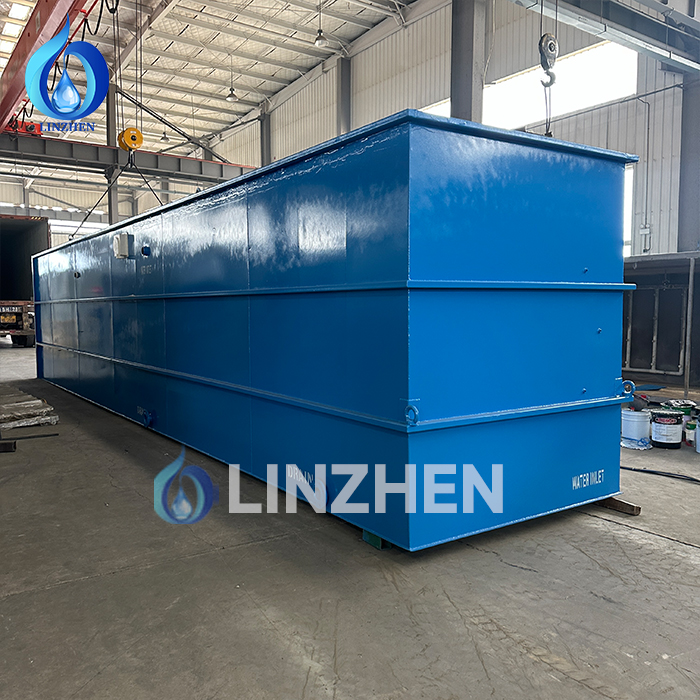
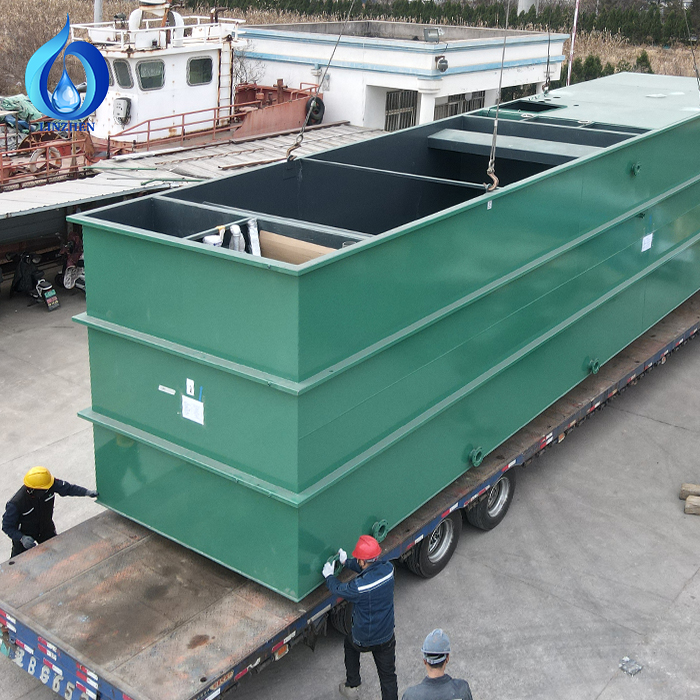
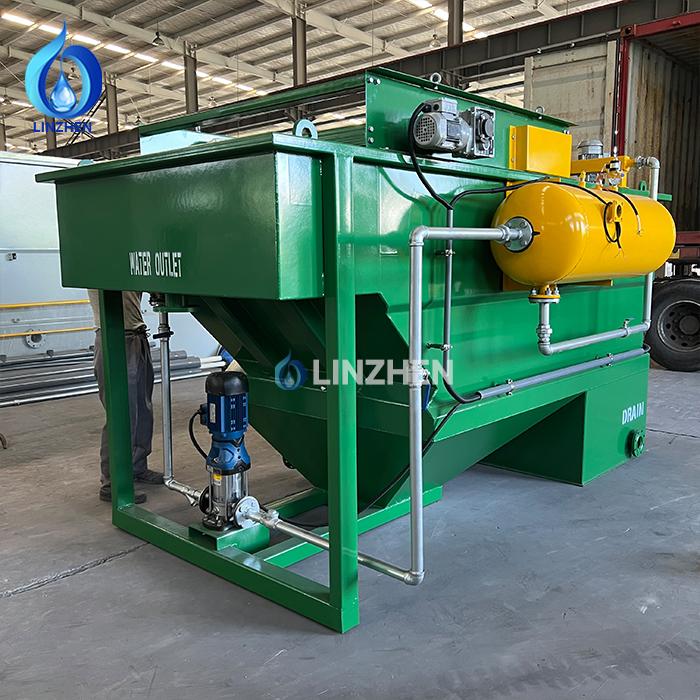
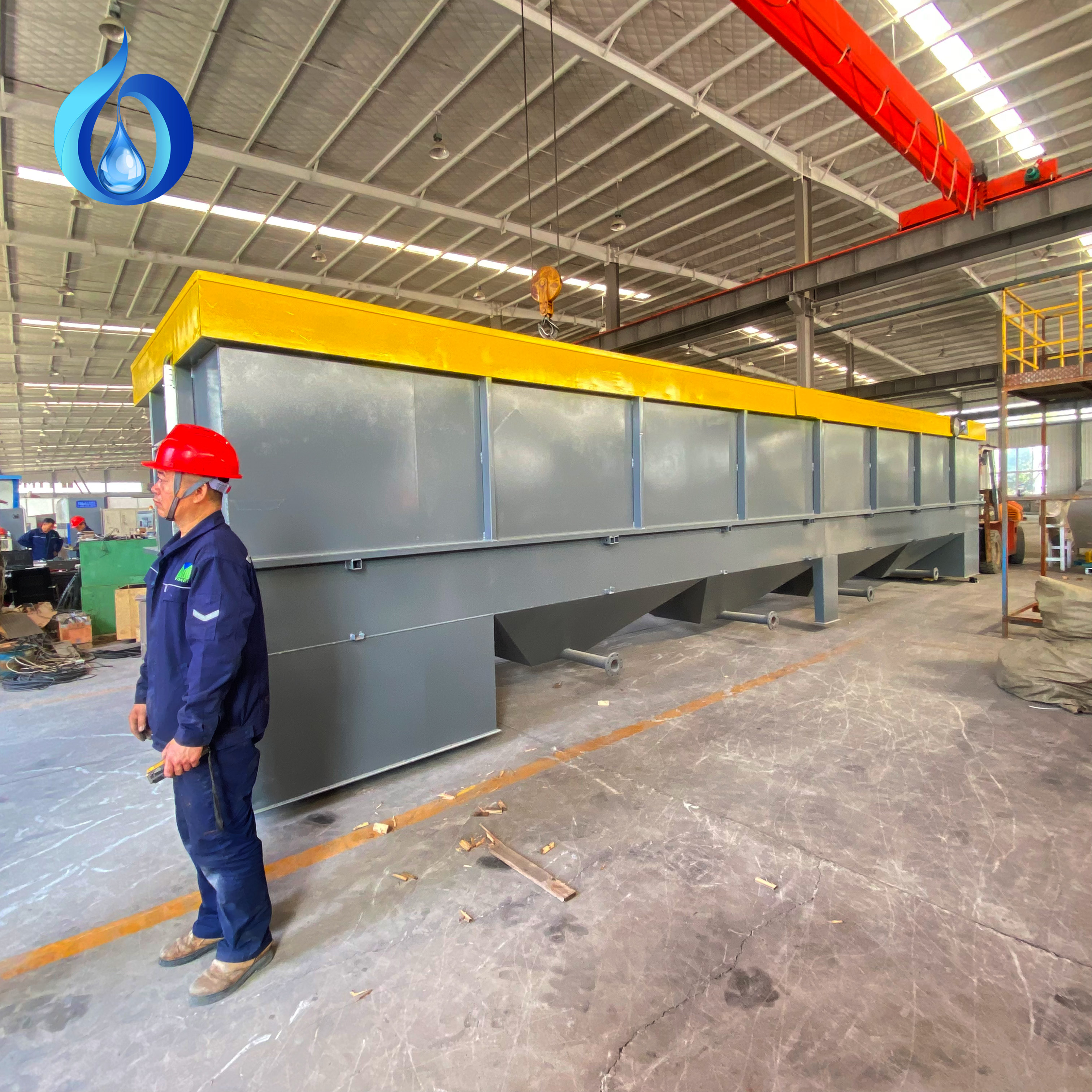
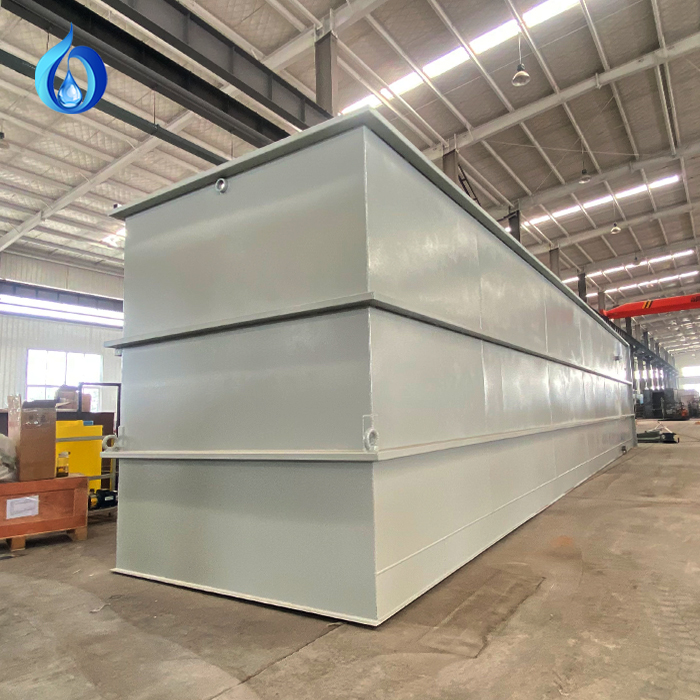
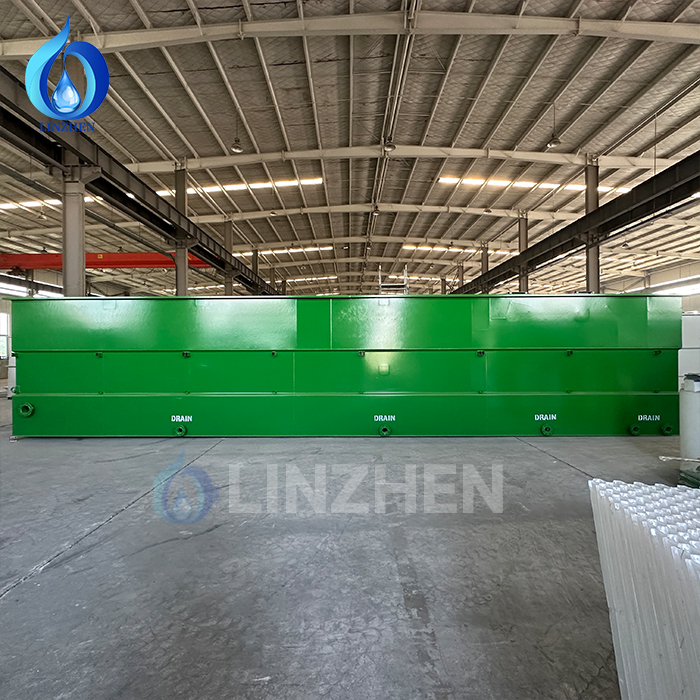
Modern industrial facilities face a critical challenge: treating wastewater effectively while managing limited floor space. The mbbr system has emerged as a game-changing solution across multiple sectors seeking compact, high-performance water treatment. Moving bed biofilm reactor technology combines biological efficiency with space optimization, making it the preferred choice for factories where real estate comes at a premium. This article explores which industries now depend on mbbr system units and why their adoption continues to accelerate in tight-space environments.
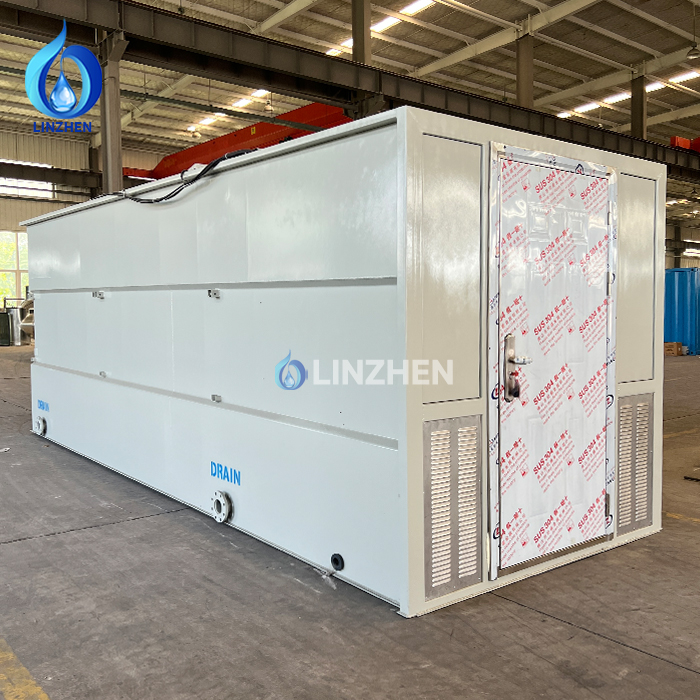
Space constraints have historically forced industrial operators to choose between treatment capability and facility footprint. The moving bed biofilm reactor technology resolves this trade-off by concentrating treatment power into minimal reactor volumes. Biofilm carrier media suspends in the water, maximizing surface area for microbial colonization without requiring extensive tank dimensions. This engineering advantage has attracted attention from sectors ranging from food processing to pharmaceutical manufacturing, each facing unique wastewater challenges within constrained production layouts.
Manufacturing and Food Processing Industries Leading Adoption
Protein Production and Beverage Manufacturing
Food processing facilities generate high-strength organic wastewater requiring robust biological treatment. Protein production plants, meat processing facilities, and beverage manufacturers have increasingly turned to moving bed biofilm reactor systems to handle concentrated loads without expanding their existing infrastructure. The biofilm carrier media creates an ideal environment for heterotrophic bacteria that consume organic compounds, achieving treatment performance equivalent to conventional systems at half the space requirement. Many plants operating in urban or industrial parks simply cannot add new concrete treatment tanks, making the compact mbbr system the only viable modernization path.
Dairy Processing and Fish Farming Operations
Dairy facilities generate wastewater with high suspended solids and biochemical oxygen demand. Moving bed biofilm reactor units excel in this environment because plastic biofilm carriers provide massive surface area for biofilm growth while remaining suspended and mobile. Fish farming operations face similar space pressures when land costs or zoning restrictions limit expansion. These sectors report that mbbr system units reduce treatment tank volume by 40 to 60 percent compared to conventional activated sludge approaches, a decisive factor when retrofitting existing sites or building new facilities within spatial constraints.
Pharmaceutical and Chemical Manufacturing Requirements
Specialized Wastewater Treatment Challenges
Pharmaceutical and fine chemical manufacturers produce wastewater with variable composition, toxic peaks, and stringent discharge limits. The moving bed biofilm reactor's resilience stems from its biofilm carrier media design, which maintains stable microbial communities even during shock loads and concentration fluctuations. Plastic biofilm carriers house diverse bacterial populations that buffer against sudden changes in wastewater composition, a critical advantage in batch-based chemical production. These industries increasingly rely on mbbr system technology because it delivers consistent treatment performance while occupying minimal floor space—essential in facilities where every square meter supports expensive production equipment.
Regulatory Compliance in Dense Industrial Parks
Pharmaceutical and chemical parks often cluster multiple facilities in concentrated areas, triggering stringent local environmental regulations. Municipal authorities in industrial zones increasingly demand advanced wastewater treatment without proportional increases in land use. The mbbr system meets this dual requirement by achieving high removal rates for organic matter, nitrogen, and other priority pollutants within compact reactor designs. Operators report that moving bed biofilm reactor installations facilitate permitting approvals because regulators recognize the performance reliability of biofilm carrier media technology, even when treatment capacity must be squeezed into existing building footprints.
Emerging Sectors and Geographic Expansion
Municipal Treatment Plant Upgrades and Expansions
Small and mid-sized municipalities increasingly select mbbr system units to upgrade aging treatment infrastructure without acquiring additional land. Moving bed biofilm reactor retrofit projects allow communities to double or triple treatment capacity by replacing or retrofitting existing basins with compact, high-performance reactor vessels. Biofilm carrier media suspended within a single basin accomplishes what once required multiple sequential tanks, a transformation that aligns with municipal budget constraints and environmental compliance mandates. Geographic expansion of these applications continues as more municipalities recognize that mbbr system adoption extends asset life while reducing their environmental footprint.
Textile, Pulp, and Specialized Industrial Applications
Textile mills and pulp processing facilities generate complex wastewater with variable suspended solids and color compounds. These sectors increasingly trust plastic biofilm carriers because the media provides habitat for specialized microbial consortia that degrade recalcitrant organic compounds. The moving bed biofilm reactor approach accelerates treatment timelines and improves effluent quality compared to conventional systems, advantages that justify capital investment even in mature industrial regions. Hospitals, breweries, and agricultural processing operations have similarly adopted mbbr system technology, demonstrating that space-constrained wastewater treatment is no longer an industry-specific niche but a mainstream engineering standard.
FAQ
Why are mbbr system units preferred for tight-space factory water treatment applications?
The mbbr system concentrates treatment capacity by using biofilm carrier media that suspends in water, creating massive surface area for microbial growth without requiring large reactor dimensions. Facilities can treat high-volume wastewater in compact footprints, making this moving bed biofilm reactor technology ideal for urban sites, industrial parks, and retrofits where land is limited or unavailable. Treatment performance rivals or exceeds conventional systems while occupying 40 to 60 percent less space.
How do plastic biofilm carriers improve moving bed biofilm reactor performance in industrial wastewater?
Plastic biofilm carriers provide protected habitat for diverse microbial communities, enabling stable biological treatment even during shock loads or wastewater composition changes. The carriers move freely through the reactor tank, ensuring consistent mixing and oxygen transfer while biofilm growth maximizes contaminant removal. This makes plastic biofilm carriers essential for handling high-strength or variable-composition wastewater typical in food processing, pharmaceutical, and chemical manufacturing environments.
Which industries have seen the greatest adoption of mbbr system units in recent years?
Food processing, dairy, pharmaceutical, and chemical manufacturing sectors lead mbbr system adoption due to tight-space constraints and stringent wastewater regulations. Municipal treatment plants, textile mills, and breweries increasingly specify moving bed biofilm reactor technology for upgrades and new installations. Geographic expansion continues as more sectors recognize that biofilm carrier media technology delivers superior performance relative to facility footprint, making the mbbr system a standard choice for industrial wastewater treatment modernization globally.
 EN
EN