The choice to implement dissolved air flotation at the front end of water treatment operations has become a strategic priority for industries managing high-load organic waste streams and challenging separation requirements. Not every sector gains equal value from this technology, however. Understanding which industries benefit most from early-stage dissolved air flotation deployment requires examining the specific water treatment challenges, operational scale, and regulatory pressures that drive adoption decisions across different markets.
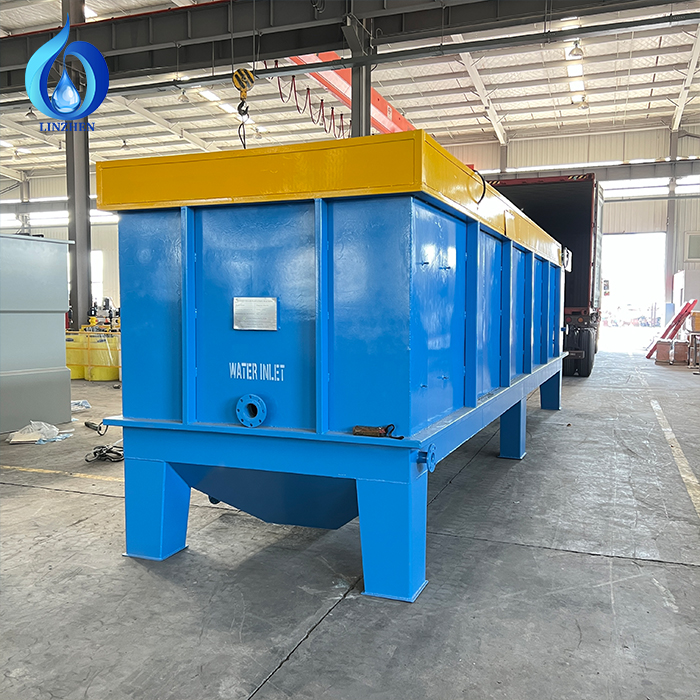
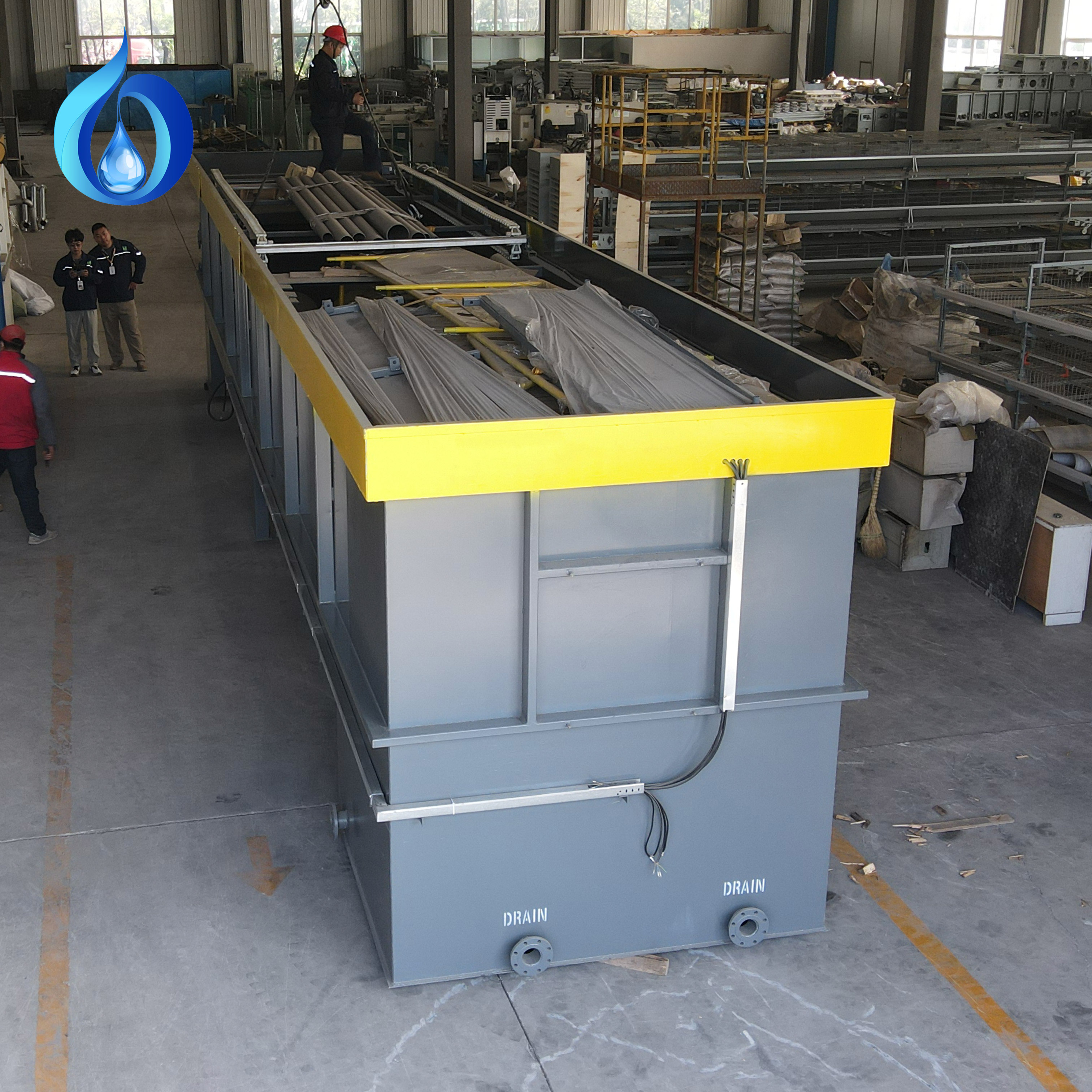
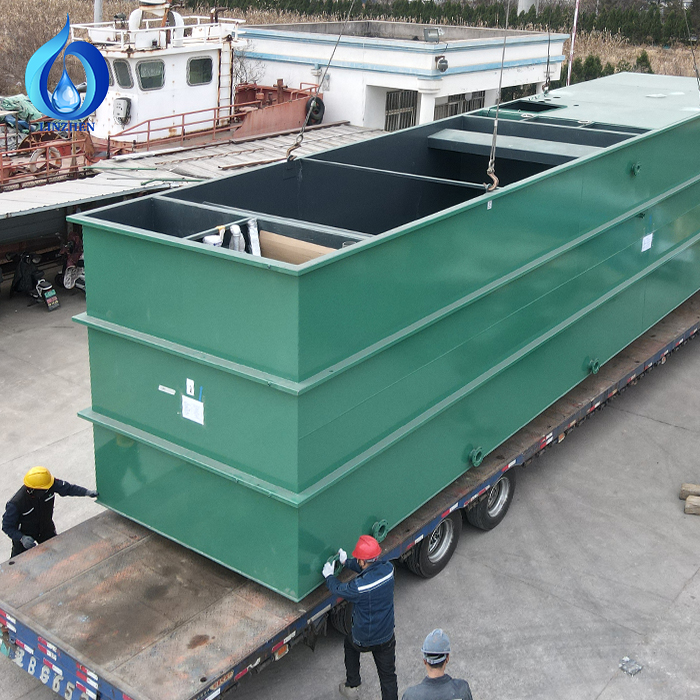
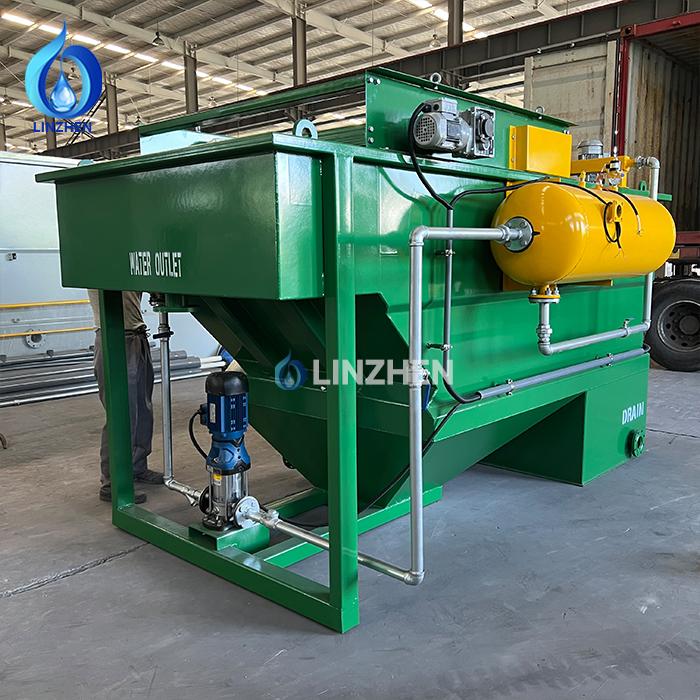
Dissolved air flotation technology leverages micro bubble generation and air saturation systems to separate oils, greases, fine solids, and other floatable materials before they reach downstream treatment units. When positioned as a front-end process, the air saturation system dramatically reduces the organic load entering secondary treatment stages, lowering operational costs and extending the service life of downstream equipment. The micro bubble generation mechanism creates bubbles small enough to attach to suspended particles, lifting them to the surface for efficient removal.
Oil and Gas Refining: Prime Candidates for Front-End DAF
Why Refinery Wastewater Demands Dissolved Air Flotation Early
Refinery operations generate wastewater streams with emulsified oils, suspended solids, and complex hydrocarbon mixtures that conventional settling cannot adequately address. Installing dissolved air flotation at the intake stage prevents these problematic compounds from overwhelming downstream biological treatment systems. The micro bubble generation process in DAF systems excels at breaking emulsified oil structures, allowing rapid separation before the water enters activated sludge basins or other biological reactors. For refineries processing heavy crude oils with high sulfur content, front-end dissolved air flotation has become nearly mandatory to meet discharge standards while protecting biological treatment efficiency.
Operational and Regulatory Drivers in Petroleum Refining
Petroleum refineries face stringent environmental regulations that require oil-in-water concentrations below 10–15 mg/L before discharge. When dissolved air flotation operates at the front end, it typically reduces oil concentrations to 50–100 mg/L after primary settling, making it economically viable to send partially treated water through secondary biological stages rather than bypassing them entirely. The air saturation system's ability to handle variable flow rates and changing oil concentrations makes DAF particularly valuable in refineries where production schedules shift between different crude types and processing configurations.
Food and Beverage Processing: High-Strength Organic Loads
Protein Recovery and Waste Reduction in Meat Processing
Meat processing facilities, poultry slaughter plants, and seafood processors generate wastewater containing high concentrations of proteins, fats, and suspended blood solids. Front-end dissolved air flotation captures these valuable materials before they degrade into soluble compounds that are more difficult to treat. The micro bubble generation process rapidly coagulates protein particles and fat globules, allowing mechanical removal of up to 60–70% of the incoming BOD load. For facilities seeking to recover protein hydrolysates or render recovered fats into animal feed supplements, positioning dissolved air flotation at the process entrance becomes economically advantageous.
Compliance and Cost Benefits for Food Processing
Food processing operations often lack the space for large clarifiers or extended treatment trains. Dissolved air flotation systems occupy significantly less footprint than conventional sedimentation basins while delivering superior removal of fine suspended solids and grease. The air saturation system's consistent micro bubble generation ensures stable performance across seasonal production variations and product mix changes that typically disrupt conventional treatment. When wastewater BOD levels fluctuate between 1,000 and 5,000 mg/L depending on the shift's product focus, front-end DAF deployment allows the facility to maintain compliant discharge rates without maintaining oversized secondary treatment capacity.
Mining and Mineral Processing: Solids-Heavy Effluent Streams
Ore Beneficiation and Tailings Treatment
Mining operations generate process water with fine mineral particles, clay suspensions, and dissolved metals that standard settling basins handle inefficiently. Dissolved air flotation excel at treating these high-density, fine-particle effluents because micro bubble generation specifically targets particles in the 5–50 micrometer range that settle poorly. Positioning dissolved air flotation at the front end of mining water treatment circuits removes up to 80% of suspended solids before water enters flotation columns, thickeners, or other downstream mineral recovery stages. This approach dramatically improves the economics of tailings management and reduces the volume of solid waste requiring disposal.
Water Recovery and Recycling Economics in Mining
Regulatory pressure to minimize freshwater consumption has made water recycling central to modern mining economics. When dissolved air flotation operates at the process intake, the recovered clarified water meets reuse quality standards more consistently, reducing dependence on fresh water from surface sources or groundwater pumping. The air saturation system's ability to handle variable solids loads allows mining facilities to continuously recycle process water without destabilizing downstream treatment or mineral recovery equipment. For copper mines, gold operations, and rare earth processing plants, front-end DAF deployment typically justifies itself within 3–5 years through combined freshwater savings, waste reduction, and improved mineral recovery rates.
Pharmaceutical and Chemical Manufacturing: Precision Treatment Demands
Active Pharmaceutical Ingredient Wastewater Management
Pharmaceutical manufacturing generates wastewater with suspended active ingredients, inert excipients, and process residues that create severe disposal challenges. Dissolved air flotation positioned at the treatment inlet rapidly clarifies these streams, preventing valuable pharmaceutical residues from entering activated sludge systems where they would be degraded rather than recovered. Many facilities employ dissolved air flotation specifically to capture suspended API particles for re-processing or secure disposal, significantly improving waste economics and reducing incineration costs. The micro bubble generation technology's precision and consistency align perfectly with the quality and environmental standards demanded in pharmaceutical operations.
Process Integration and Regulatory Compliance
Chemical manufacturers and pharmaceutical producers must demonstrate consistent treatment performance to regulatory agencies. Dissolved air flotation systems provide measurable, auditable removal of targeted contaminants, generating data that supports regulatory compliance documentation. The air saturation system's stable operation under varying feed conditions allows pharmaceutical facilities to maintain treatment certificates and environmental permits even when production schedules shift between different product lines. Installation of front-end DAF has become standard practice in facilities manufacturing antibiotics, biologics, and other sensitive compounds where wastewater composition varies significantly between batches.
FAQ
Which sector sees the fastest return on investment from front-end dissolved air flotation installation?
Oil refining and meat processing typically achieve payback within 2–4 years because dissolved air flotation dramatically reduces treatment costs in high-load, high-value-loss applications. Refineries recover hundreds of barrels of oil annually from DAF systems, while meat processors save on protein disposal fees and recover valuable byproducts. The micro bubble generation capability directly addresses the dominant treatment bottleneck in these industries, making investment economics compelling.
Can dissolved air flotation replace conventional primary treatment entirely?
In most sectors, dissolved air flotation functions optimally as an enhancement to conventional primary settling rather than a complete replacement. The air saturation system removes different particle fractions than gravity-based settling alone, creating complementary treatment benefits. For industries with extreme organic or solids loading like mining and food processing, combining dissolved air flotation with conventional clarification yields superior results compared to either technology operating independently.
How does micro bubble generation specifically benefit sectors with emulsified oil or fine particle challenges?
Micro bubble generation creates flotation bubbles in the 20–100 micrometer range, allowing them to attach to particles that conventional settling captures poorly. Oil refineries particularly benefit because the air saturation system breaks emulsions that gravity alone cannot separate. For pharmaceutical manufacturers and mining operations treating fine suspensions, this bubble size range represents the optimal match to their primary contaminant particle distribution, making dissolved air flotation consistently effective where other clarification methods perform unpredictably.
 EN
EN