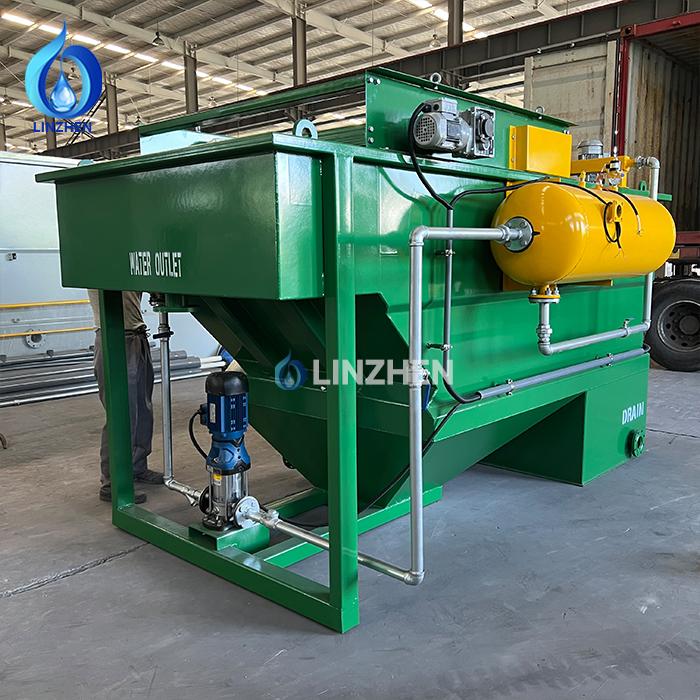
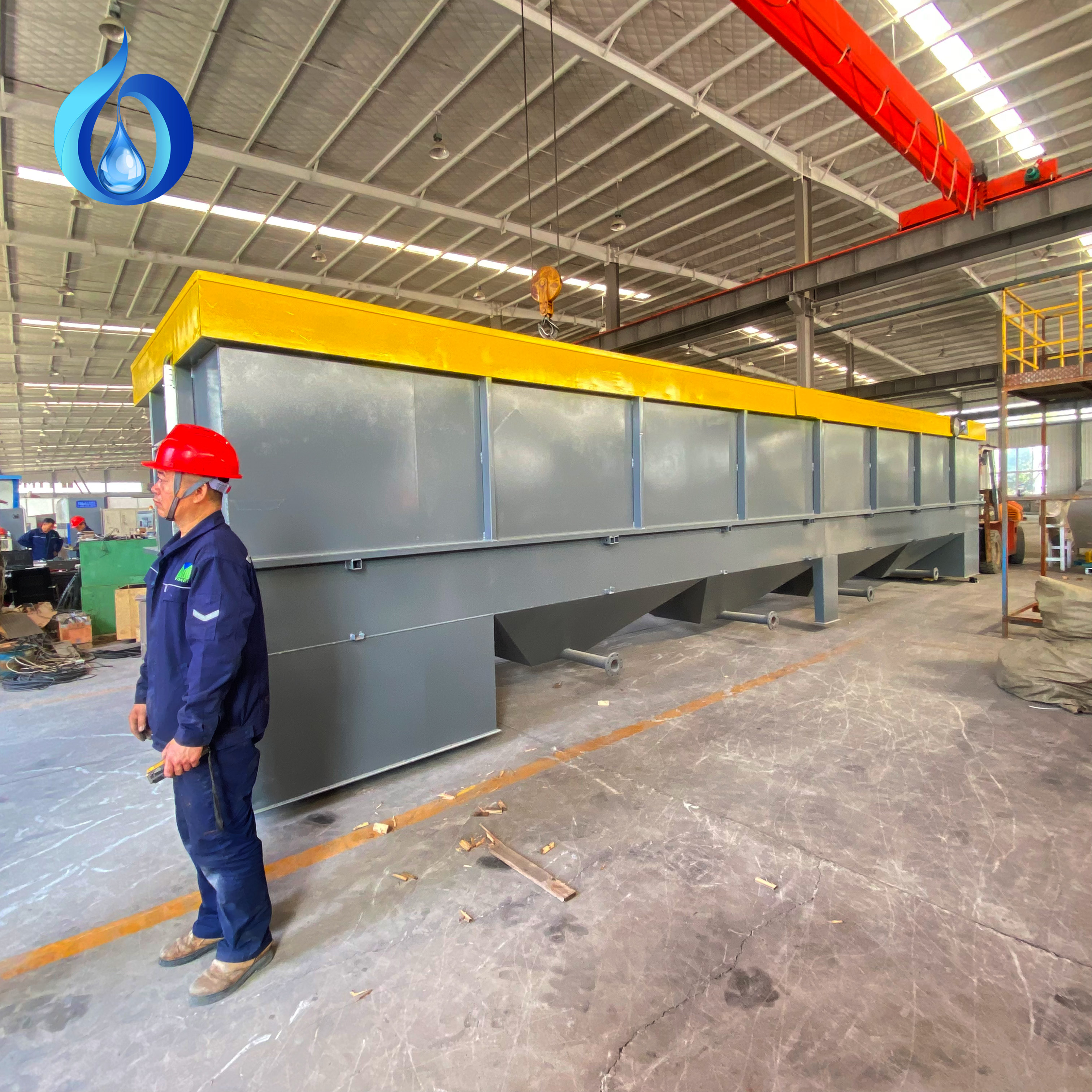
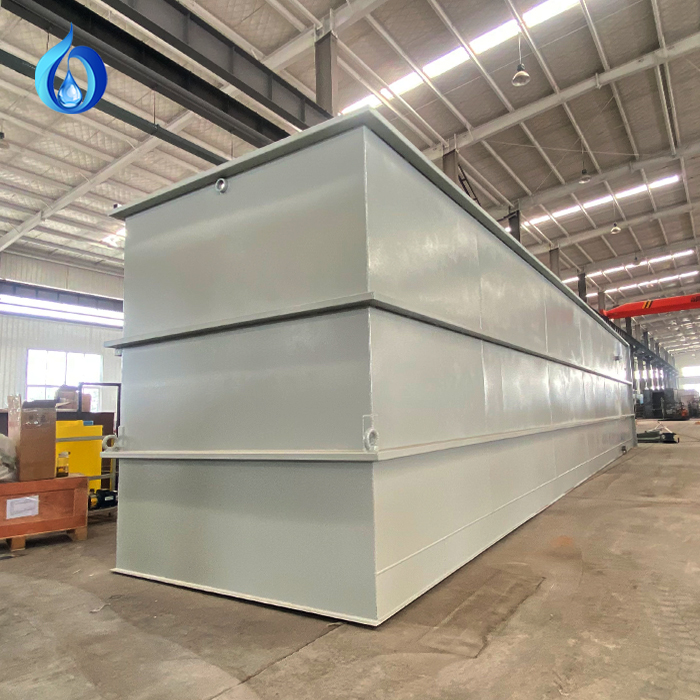
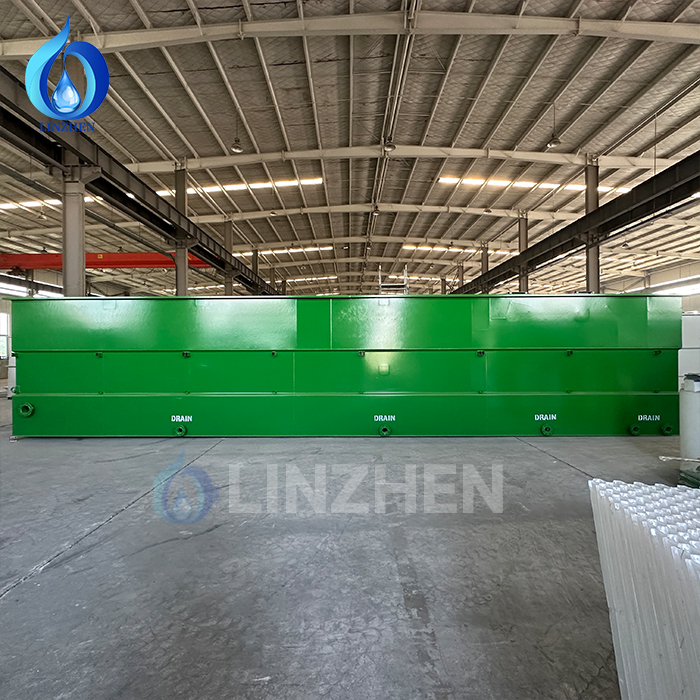
Industrial wastewater treatment remains one of the most critical operational challenges facing manufacturing, chemical processing, and production facilities worldwide. A single treatment method often fails to meet regulatory compliance standards or remove the full spectrum of contaminants present in complex industrial streams. The integration of multiple processes within an industrial wastewater treatment plant, strategically combined and sequenced, delivers the efficiency gains that single-stage systems cannot achieve. Understanding which process combinations work best for your specific industrial wastewater treatment application can reduce operational costs, minimize environmental impact, and ensure consistent regulatory compliance.
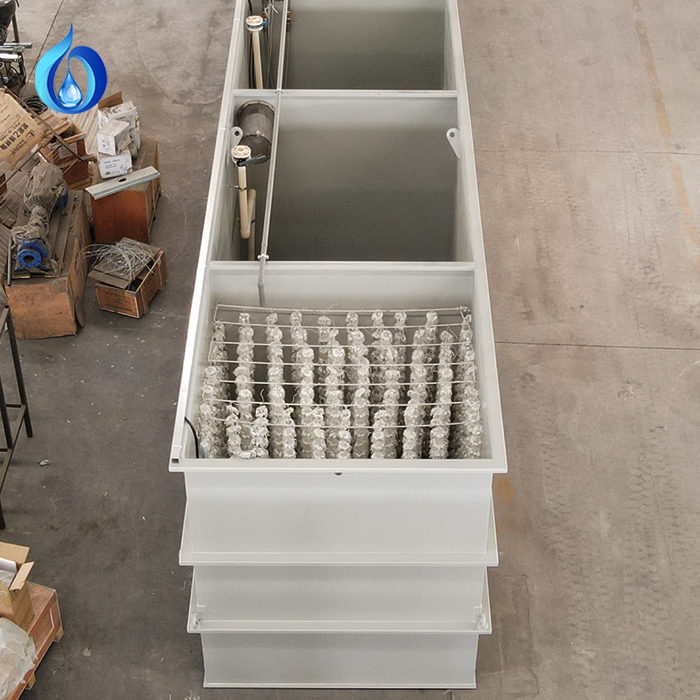
The selection of effective industrial wastewater treatment process combinations depends on influent characteristics, discharge standards, facility footprint constraints, and energy budgets. Advanced industrial wastewater treatment trains that combine physical, chemical, and biological stages address multiple contaminant classes in a single integrated system. This article explores the most effective industrial wastewater treatment strategies used across various sectors, the mechanisms behind their synergy, and practical guidance for selecting the right process combination for your operation.
Why Combining Processes Improves Industrial Wastewater Treatment Results
Addressing Multiple Contaminant Classes Simultaneously
Industrial wastewater streams contain suspended solids, dissolved organics, inorganic salts, heavy metals, nutrients, and recalcitrant compounds that no single industrial wastewater treatment method can effectively remove. When biological treatment is paired with chemical precipitation, for example, the integrated industrial wastewater treatment system removes both biodegradable organic matter and metal ions that would pass through biological stages alone. Membrane filtration following biological industrial wastewater treatment captures residual suspended solids and microbial biomass, producing high-quality effluent suitable for reuse or sensitive discharge environments. Each process layer in the industrial wastewater treatment sequence addresses specific contaminant fractions, creating comprehensive system coverage.
Overcoming Individual Process Limitations
Biological industrial wastewater treatment excels at removing carbon sources but struggles with highly toxic influent that inhibits microbial activity. Chemical oxidation pre-treatment neutralizes toxic compounds and breaks down recalcitrant molecules, conditioning the wastewater before it enters the biological industrial wastewater treatment stage. This staged approach allows each industrial wastewater treatment process to operate within its optimal performance window. Conversely, biological treatment reduces the chemical demand of subsequent industrial wastewater treatment stages, lowering chemical costs and secondary waste volumes. This complementary sequencing demonstrates how combined industrial wastewater treatment systems leverage process strengths while minimizing individual process weaknesses.
Proven Process Combination Strategies for Industrial Wastewater Treatment
Physical Pretreatment Plus Biological Core Plus Polishing
The most widely deployed industrial wastewater treatment strategy follows a proven three-stage template. Coarse screening and oil separation remove large debris and floating matter before biological industrial wastewater treatment begins. The activated sludge, moving bed biofilm reactor (MBBR), or sequencing batch reactor (SBR) stages form the core of industrial wastewater treatment, degrading soluble organics and some nitrogen species. Tertiary polishing through sand filtration, membrane ultrafiltration, or advanced oxidation removes residual suspended solids and trace contaminants. This industrial wastewater treatment combination suits textile, food processing, and general manufacturing facilities where influent organic loading is moderate to high and discharge standards require low suspended solids.
Chemical Oxidation Integrated with Biological Industrial Wastewater Treatment
Industrial wastewater streams containing phenols, pesticides, pharmaceuticals, or other refractory organics benefit from chemical oxidation pre-treatment within the overall industrial wastewater treatment train. Ozonation or hydrogen peroxide injection ahead of biological reactors breaks molecular bonds and converts recalcitrant compounds into biodegradable substrates. This hybrid industrial wastewater treatment approach reduces biological reactor shock loads and improves overall contaminant removal rates. Coupling chemical oxidation with activated carbon adsorption during industrial wastewater treatment further captures oxidation byproducts and remaining trace compounds. Petrochemical refineries, pharmaceutical manufacturers, and chemical processors commonly adopt this combined industrial wastewater treatment approach to achieve stringent discharge permits.
Membrane-Coupled Bioreactors for Advanced Industrial Wastewater Treatment
Membrane bioreactors (MBRs) integrate ultrafiltration or microfiltration directly into the biological reactor vessel, eliminating the need for separate clarification and achieving exceptional industrial wastewater treatment effluent quality. The membrane serves as a physical barrier that retains all biomass and suspended solids, allowing higher solids retention time and greater biological conversion efficiency compared to conventional industrial wastewater treatment designs. Adding granular activated carbon (GAC) contactors downstream of MBR systems creates a comprehensive industrial wastewater treatment train capable of removing resistant organic compounds and odor-causing substances. This advanced industrial wastewater treatment configuration is ideal for facilities requiring high-quality effluent for on-site reuse, aquifer injection, or discharge into sensitive surface waters.
Optimizing Industrial Wastewater Treatment Performance Through Process Integration
Sequencing and Hydraulic Loading Control
The order and timing of industrial wastewater treatment process stages directly influence overall system efficiency and capital utilization. Slow-mixing flocculation tanks should precede rapid-mix chemical reactors to maximize particle contact and collision probability during industrial wastewater treatment. Aeration timing in biological stages must match influent organic loading to prevent either oxygen depletion or energy waste; real-time process monitoring optimizes industrial wastewater treatment oxygen transfer throughout the cycle. SBR and batch-based industrial wastewater treatment systems offer superior sequencing control compared to continuous-flow alternatives, adapting reaction times to varying inlet conditions. Fine-tuning hydraulic residence time at each industrial wastewater treatment stage—without exceeding design capacity—balances treatment effectiveness against footprint and capital constraints.
Solids Handling Integration in Industrial Wastewater Treatment Systems
Biosolids or chemical sludges generated during industrial wastewater treatment require dedicated dewatering and disposal pathways that consume operational budgets and facility space. Advanced industrial wastewater treatment plants integrate thickening, anaerobic digestion, and centrifugal or belt-press dewatering into a unified solids management train. Anaerobic digestion of biosolids not only stabilizes the waste but generates biogas that can offset energy costs in industrial wastewater treatment operations. Some industrial wastewater treatment facilities recycle treated biosolids to agricultural land or construction aggregate markets, creating revenue recovery loops. This closed-loop industrial wastewater treatment approach minimizes landfill disposal costs and environmental footprint.
FAQ
What contaminants require combined industrial wastewater treatment processes?
Combined industrial wastewater treatment processes are essential for streams containing mixed contaminants such as suspended solids, soluble organics, heavy metals, nutrients, and refractory compounds. Single-stage industrial wastewater treatment cannot efficiently remove all these classes simultaneously. For example, biological industrial wastewater treatment removes organics but not metals; chemical precipitation removes metals but not dissolved organics. Food and beverage, textile, chemical, and pharmaceutical facilities almost always require combined industrial wastewater treatment strategies to achieve compliance and operational stability. Wastewater characterization studies identify which contaminants dominate your stream and guide the selection of appropriate industrial wastewater treatment process combinations.
How does membrane coupling improve industrial wastewater treatment efficiency?
Membrane bioreactors (MBRs) represent a sophisticated industrial wastewater treatment integration in which ultrafiltration or microfiltration membranes are submerged directly in the biological reactor. This design eliminates clarifier equipment and achieves superior biomass retention, allowing higher solids concentrations and extended solids residence time within the industrial wastewater treatment system. The membrane also creates a physical barrier that prevents all suspended solids from exiting the reactor, producing exceptionally clean effluent from industrial wastewater treatment. MBR-based industrial wastewater treatment systems are more compact than conventional activated sludge plants and produce effluent suitable for reuse or sensitive discharge environments, justifying the higher capital and energy costs.
Can industrial wastewater treatment process combinations recover value from treated waste?
Yes, optimized industrial wastewater treatment systems can recover significant value through multiple pathways. Biosolids generated during industrial wastewater treatment can be anaerobically digested to produce biogas, which offsets operational energy costs in the industrial wastewater treatment facility. Treated effluent from advanced industrial wastewater treatment may be suitable for on-site reuse in cooling towers or irrigation, reducing freshwater consumption and wastewater discharge volumes. Some industrial wastewater treatment residues contain valuable metals or nutrients that can be extracted and sold. Modern industrial wastewater treatment systems designed with resource recovery in mind create positive economic incentives for operators while reducing environmental burden and regulatory compliance risk.
 EN
EN