Modern enterprise operations demand intense resource conservation, making the implementation of an advanced wastewater recycling system a primary objective for environmental sustainability and cost reduction. High-volume water consumers often waste millions of gallons annually through single-use discharge practices. Installing a dedicated wastewater recycling system captures spent process streams, purifies contaminants, and routes clean water back into active facility operations. However, achieving a high water save rate requires matching specific plant effluent traits with the right technological infrastructure. Facilities that deploy a tailored wastewater recycling system cut municipal utility purchasing fees while protecting themselves against regional drought conditions.
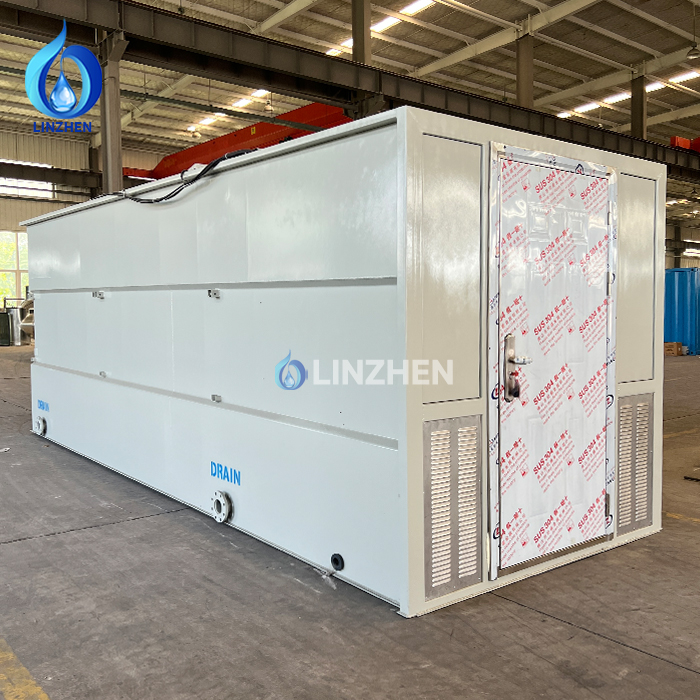
Different industrial sectors exhibit varying performance levels when running a wastewater recycling system. The overall water save rate depends on daily flow consistency, influent pollution complexity, and the internal demand for non-potable process water. Agricultural greenhouses, heavy manufacturing plants, and thermal power stations each achieve unique economic returns when deploying a wastewater recycling system. Analyzing these facility profiles enables plant managers to choose optimal treatment technologies, maximize their water save rate, and justify long-term capital investments in modern industrial water reuse infrastructure.
Evaluating Water Conservation Rates Across Industry Categories
High Efficiency Agricultural Wastewater Recycling in Greenhouse Facilities
Agricultural operations, particularly commercial hydroponic greenhouses and enclosed farming complexes, consistently document the highest conservation metrics when operating a wastewater recycling system. Large-scale farming creates significant irrigation runoff containing soluble fertilizers and organic particles. By implementing specialized agricultural wastewater recycling equipment, enclosed growers collect irrigation runoff and purify it for immediate reapplication. A modern wastewater recycling system in a greenhouse environment routinely achieves an impressive water save rate between 70% and 80%, substantially reducing freshwater reliance.
A major factor driving high performance in farming applications is the dual-benefit design of the wastewater recycling system. Beyond simply recovering liquid volume, these specialized setups retain dissolved nitrates and phosphorus compounds. Reusing nutrient-rich reclaimed water reduces fertilizer expenditure while boosting the overall water save rate. Because irrigation schedules follow predictable daily cycles, an agricultural wastewater recycling system operates at near-peak volumetric efficiency year-round, delivering some of the fastest payback periods across all commercial water reclamation sectors.
Industrial Manufacturing Water Recovery Efficiency
Heavy production facilities represent another major sector benefiting from a commercial wastewater recycling system. Steel processing plants, chemical production facilities, and textile mills require huge volumes of wash water, boiler feed, and equipment cooling fluid. When integrated with advanced filtration modules, a manufacturing wastewater recycling system enables efficient manufacturing water recovery rates ranging from 60% to 85%. Capturing predictable industrial rinse water allows plant operators to achieve a sustained water save rate that directly lowers operational production costs.
The chemical consistency of factory effluent makes it ideal for automated treatment loops. An engineered wastewater recycling system utilizes ultrafiltration, reverse osmosis, and biological treatment stages to remove heavy metals, emulsified oils, and suspended solids. Recirculating purified water back into cooling towers or floor washing loops maximizes industrial water reuse opportunities. Consequently, industrial plants operating a closed-loop wastewater recycling system maintain a high water save rate while preventing environmental discharge violations.
Power Sector Integration and System Financial ROI
Thermal Power Generation and Cooling Tower Water Recovery
Thermoelectric power generating plants rely heavily on continuous cooling water loops to condense steam cycles. Installing a large-scale wastewater recycling system allows power station managers to treat cooling tower blowdown, flue-gas desulfurization discharge, and plant washdown streams. A robust wastewater recycling system deployed in a power facility achieves a reliable water save rate of 40% to 70%. Although thermal power plants handle immense fluid volumes, the specialized metallurgy and mineral scaling associated with blowdown streams require heavy-duty wastewater recycling system engineering.
Regulatory mandates restricting thermal discharge into natural lakes and rivers further drive adoption of the wastewater recycling system across the energy sector. By recycling cooling water internally, power utilities meet strict zero liquid discharge (ZLD) mandates while improving their enterprise sustainability score. The continuous high-volume throughput in power stations ensures that even a moderate percentage water save rate translates into millions of gallons saved annually through automated industrial water reuse.
FAQ
Which facility type achieves the highest water save rate using a wastewater recycling system?
Commercial agricultural greenhouses achieve the highest performance, with a typical water save rate reaching 70% to 80% through specialized agricultural wastewater recycling. Heavy manufacturing plants follow closely with 60% to 85% recovery via targeted manufacturing water recovery designs, while power plants generally achieve 40% to 70% recovery rates.
What key operational factors influence the overall water save rate in a commercial plant?
The overall water save rate depends on raw wastewater contaminant levels, flow volume consistency, internal non-potable water demand, and the specific technology integrated into the wastewater recycling system. Facilities with steady production schedules and predictable effluent profiles achieve superior industrial water reuse results.
How should plant directors calculate ROI before installing a wastewater recycling system?
Plant directors should perform a comprehensive water audit to measure daily effluent volume, test pollutant concentrations, and identify internal reuse opportunities. Comparing current freshwater utility fees and discharge surcharge costs against the capital expense of a tailored wastewater recycling system helps determine the expected payback period and long-term water save rate benefits.
 EN
EN