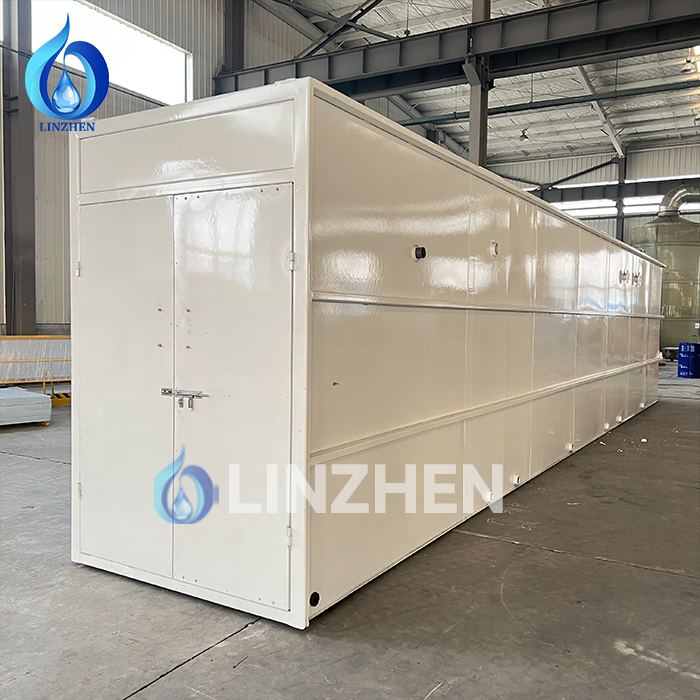
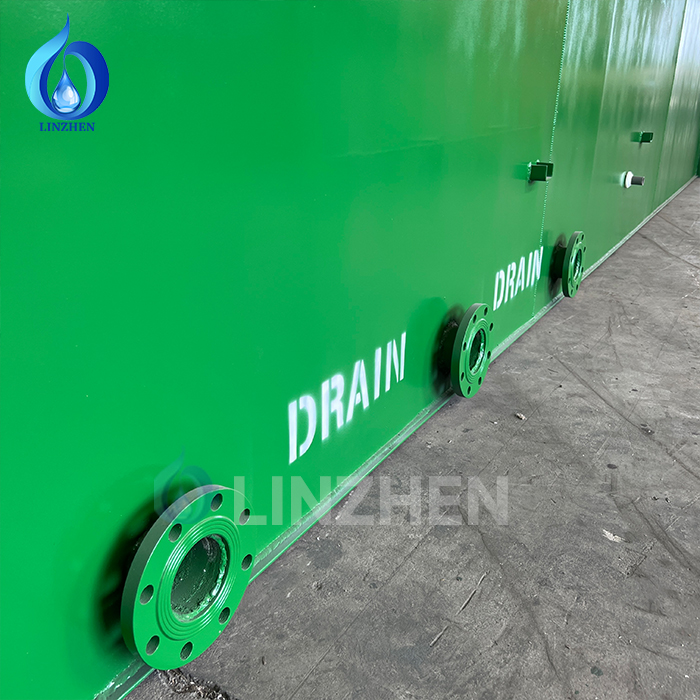
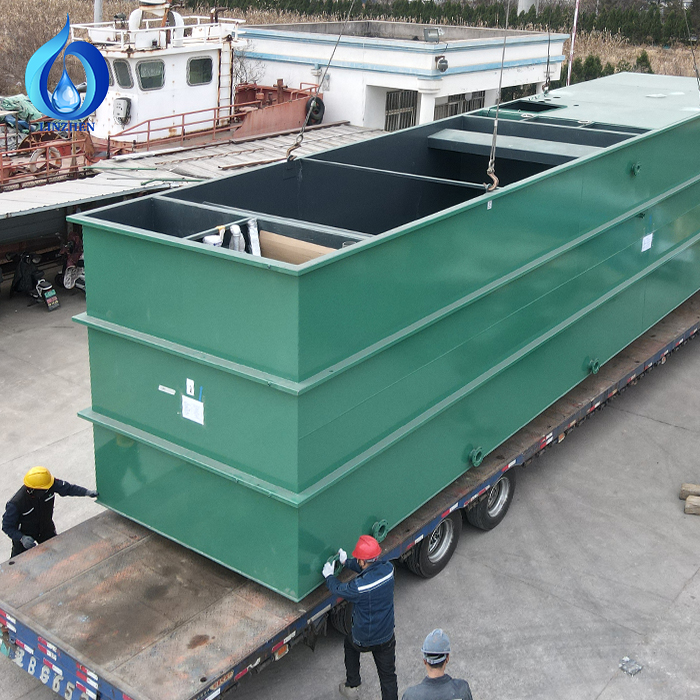
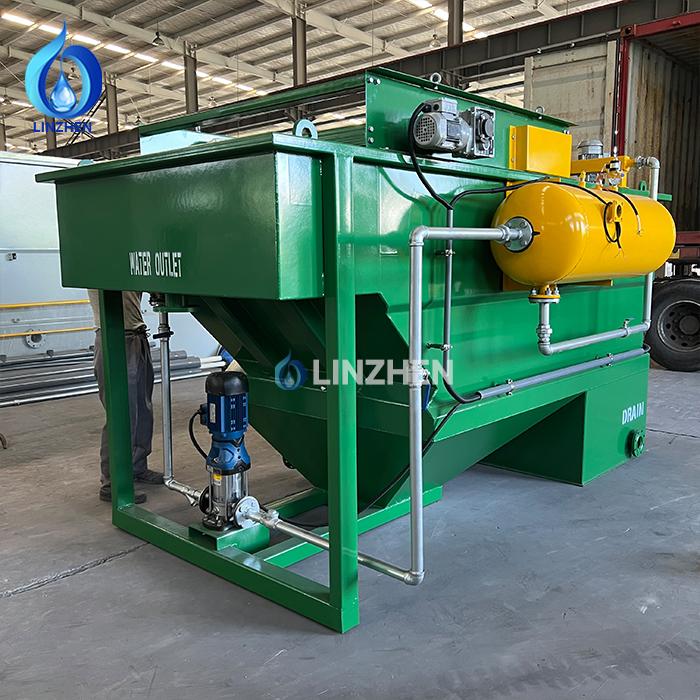
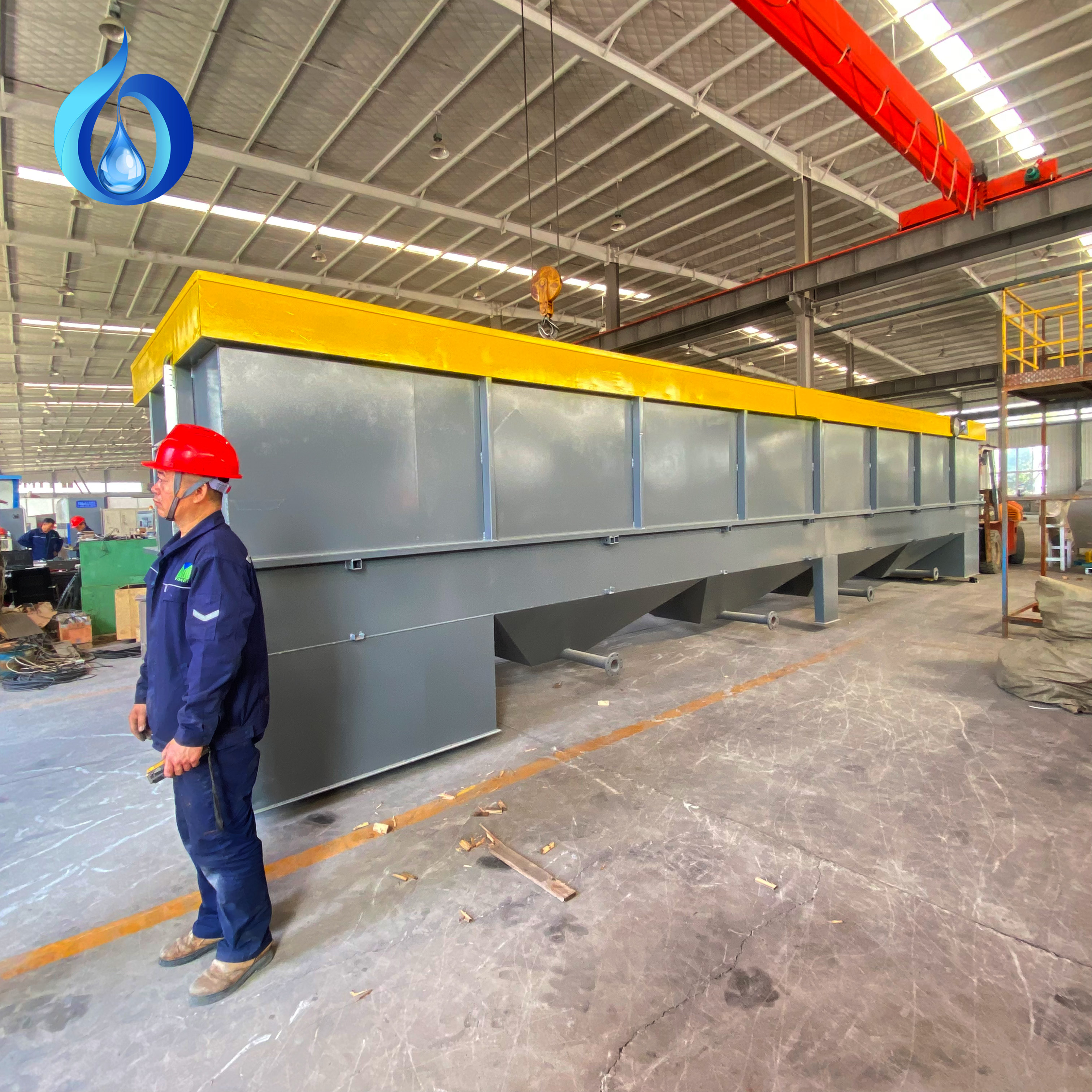
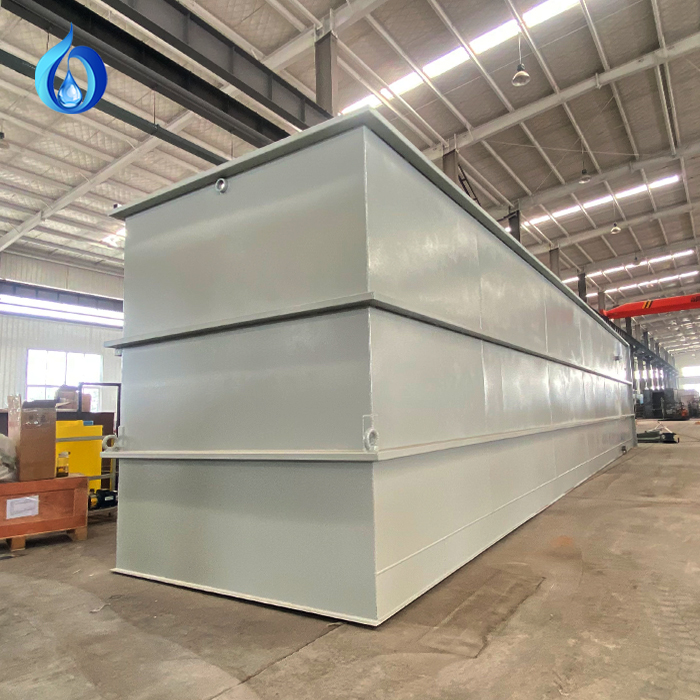
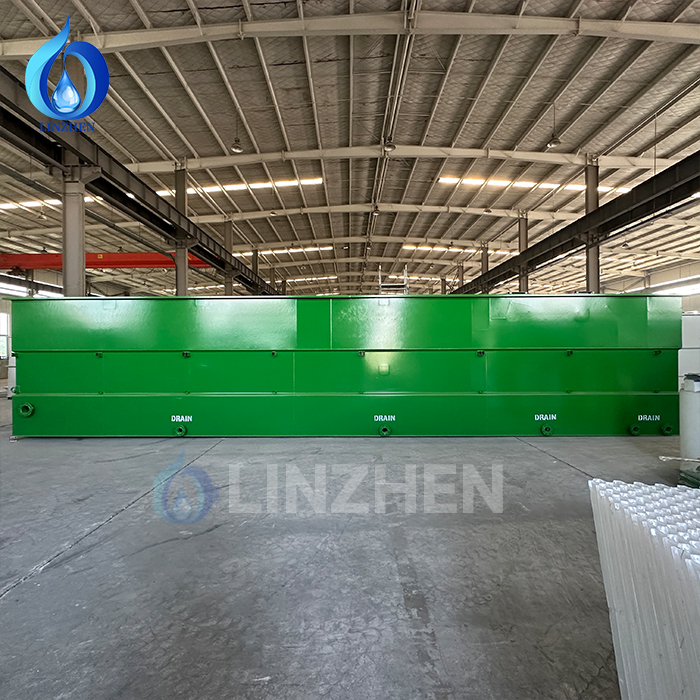
Textile manufacturing generates significant volumes of contaminated water containing synthetic dyes, aggressive processing chemicals, and complex organic compounds that demand specialized processing before release. Deploying a dedicated industrial wastewater treatment system designed specifically for textile effluents addresses the critical challenges of color removal, chemical degradation, and environmental compliance. Selecting the right industrial wastewater treatment system requires understanding textile effluent chemistry, treatment methodologies, and facility-specific operational goals.
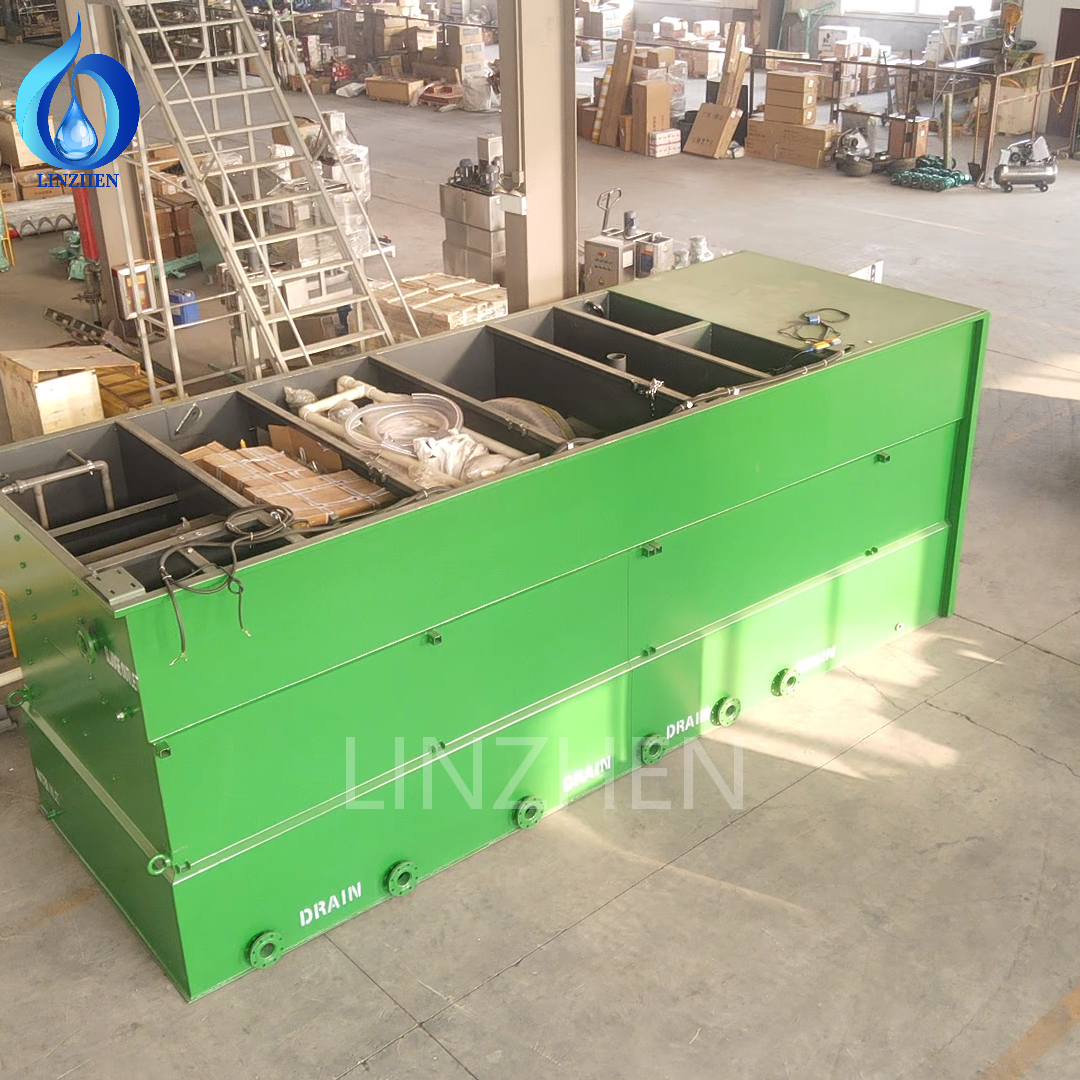
Selecting a high-efficiency industrial wastewater treatment system for textile mills depends on multiple technical, environmental, and economic factors. Treatment performance, capital expenditure, ongoing maintenance costs, and regulatory discharge standards dictate which industrial wastewater treatment system serves your facility best. Operating an optimized industrial wastewater treatment system ensures reliable textile effluent treatment, achieves steady COD reduction textile targets, and enables effective dye removal wastewater processing across all manufacturing lines.
Understanding Textile Effluent Characteristics
Composition and Pollutant Load in an Industrial Wastewater Treatment System
Textile manufacturing wastewater contains complex mixtures of reactive dyes, dispersive pigments, heavy metals, surfactants, and chemical sizing agents. A modern industrial wastewater treatment system must handle chemical oxygen demand (COD) concentrations ranging from 500 to 5,000 mg/L, elevated total suspended solids, and persistent color compounds. Fluctuating pH levels from bleaching and dyeing operations require an industrial wastewater treatment system specifically built for textile effluent treatment rather than general municipal facilities.
Regulatory Standards and Compliance via an Industrial Wastewater Treatment System
Environmental regulators enforce strict limits on discharged water color, COD levels, and toxic chemical residues. A multi-stage industrial wastewater treatment system consistently meets regional standards, often reducing color below 20 ADMI units and achieving overall COD reduction textile efficiency above 90%. Implementing an advanced industrial wastewater treatment system protects textile facilities from costly fines, operational suspensions, and environmental compliance risks.
Core Technologies Within an Industrial Wastewater Treatment System
Coagulation and Flocculation Stages
Primary treatment in an industrial wastewater treatment system typically begins with chemical coagulation and flocculation. Dosing coagulants like aluminum sulfate or ferric chloride rapidly destabilizes colloidal dye particles into settleable flocs. Incorporating effective primary coagulation into an industrial wastewater treatment system removes 40% to 60% of suspended solids and initiates early dye removal wastewater clarification. This initial stage optimizes downstream performance in the overall industrial wastewater treatment system.
Advanced Oxidation Processes in the Industrial Wastewater Treatment System
Ozonation, Fenton reaction, and UV-hydrogen peroxide oxidation serve as powerful tertiary stages within an industrial wastewater treatment system targeting resistant dye molecules. These oxidation methods break complex chemical structures that resist biological breakdown. Integrating advanced oxidation into an industrial wastewater treatment system yields 70% to 90% color destruction and substantial COD reduction textile performance, ensuring total compliance for tough textile effluent treatment applications.
Biological Treatment Integration
Aerobic and anaerobic bioreactors form the biological core of a modern industrial wastewater treatment system. A properly balanced biological industrial wastewater treatment system degrades dissolved organic matter and achieves further COD reduction textile results up to 80% following chemical pretreatment. Utilizing membrane bioreactors (MBR) or sequential batch reactors (SBR) enhances the filtration capacity of the industrial wastewater treatment system while maintaining excellent microbial biomass retention.
Selection and Implementation Considerations
Production Scale and Capacity Alignment
Facility production volumes directly dictate required industrial wastewater treatment system sizing and configurations. Small-scale textile operations generating 50 to 100 cubic meters daily benefit from compact industrial wastewater treatment system models combining coagulation, settling, and filtration. Large mills generating 500 to 2,000 cubic meters daily demand modular industrial wastewater treatment system setups featuring automated monitoring, redundant processing trains, and continuous sludge management for reliable textile effluent treatment.
Integrating Wastewater Reuse Textile Infrastructure
Advanced industrial wastewater treatment system designs incorporate membrane filtration like ultrafiltration and reverse osmosis to support sustainable wastewater reuse textile programs. A closed-loop industrial wastewater treatment system purifies treated effluent for reuse in cooling towers, washing, and auxiliary dyeing processes. Establishing wastewater reuse textile protocols through an industrial wastewater treatment system converts waste management into a resource recovery model, significantly cutting freshwater acquisition expenses.
Operational Monitoring and Automated Control
Consistent performance in an industrial wastewater treatment system depends on continuous real-time monitoring. Automated sensors track pH, turbidity, dissolved oxygen, and chemical dosing across the industrial wastewater treatment system. Implementing smart control units within your industrial wastewater treatment system maintains steady dye removal wastewater efficiency, automates chemical feed rates, and streamlines daily textile effluent treatment operations.
FAQ
What specific pollutants does an industrial wastewater treatment system target in textile operations?
An industrial wastewater treatment system for textiles targets synthetic reactive dyes, heavy metals (such as chromium and copper), surfactants, sizing agents, and elevated organic loads. The industrial wastewater treatment system executes precise dye removal wastewater separation and consistent COD reduction textile processing to render complex effluents safe for discharge or reuse.
How does an industrial wastewater treatment system achieve mandatory color discharge standards?
An industrial wastewater treatment system achieves strict color standards by combining chemical coagulation, advanced oxidation, and activated carbon filtration. This integrated multi-stage industrial wastewater treatment system delivers cumulative color removal rates exceeding 95%, effortlessly achieving regulatory targets below 20 ADMI units during daily textile effluent treatment.
Can an industrial wastewater treatment system support water recycling in textile mills?
Yes, a modern industrial wastewater treatment system integrates membrane separation technologies like ultrafiltration and reverse osmosis to enable full industrial wastewater treatment system recycling. Implementing a wastewater reuse textile strategy within the industrial wastewater treatment system minimizes freshwater intake, reduces discharge fees, and elevates long-term facility sustainability.
 EN
EN