High chemical oxygen demand (COD) discharge streams represent one of the most challenging problems in industrial effluent treatment today. Manufacturing facilities, refineries, pharmaceutical plants, and food processing operations routinely produce wastewater with elevated COD levels that exceed regulatory discharge limits. Selecting the right industrial effluent treatment approach determines whether your facility achieves compliance, avoids environmental penalties, and operates cost-effectively. The complexity lies in matching the correct industrial effluent treatment technology to your specific waste composition, flow rate, and regulatory environment.
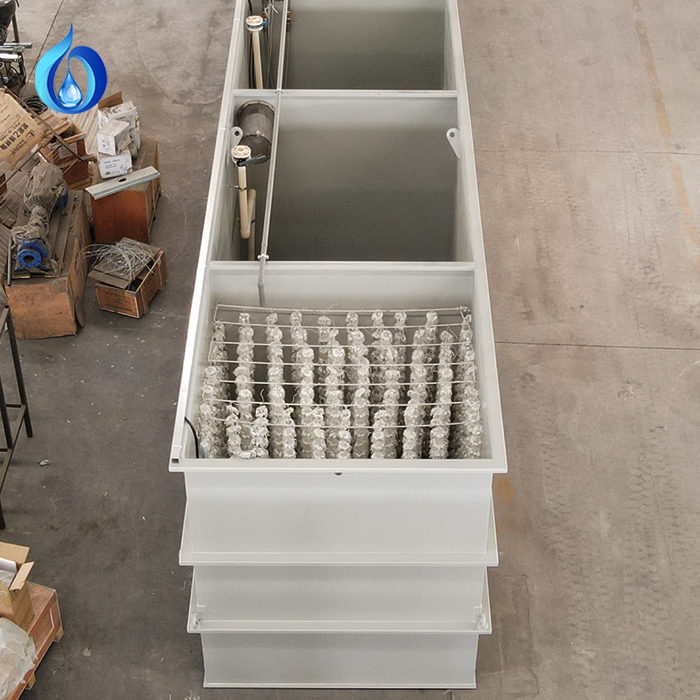
Every industrial effluent treatment project for high-COD streams requires a deeper understanding of available technologies and their practical performance boundaries. COD measures organic and inorganic compounds that oxidize in water, making it a critical parameter for discharge compliance. When COD concentrations exceed 500 mg/L, standard biological treatment alone may prove insufficient. Understanding which industrial effluent treatment method matches your discharge profile, waste characteristics, and budget constraints is essential for sustainable plant operations.
Biological Industrial Effluent Treatment for High-COD Streams
Aerobic Systems in Industrial Effluent Treatment
Aerobic biological systems represent a foundational form of industrial effluent treatment for moderate COD levels, typically handling influent concentrations up to 2000 mg/L COD. These systems use microorganisms to consume organic matter in the presence of oxygen, converting it to biomass and carbon dioxide. The industrial effluent treatment process relies on maintaining proper oxygen levels, nutrient balance, and hydraulic retention time. Effective aerobic industrial effluent treatment achieves 60 to 85 percent COD removal, making it suitable for facilities with moderately elevated discharge concentrations.
Moving bed biofilm reactor (MBBR) technology has gained widespread adoption in modern industrial effluent treatment applications because it combines suspended growth and attached growth benefits. The moving plastic media provide extensive surface area for biofilm development while maintaining high treatment flexibility. This specialized industrial effluent treatment approach delivers higher volumetric loading rates and superior nitrification performance compared to conventional activated sludge. For facilities with space constraints, aerobic industrial effluent treatment using MBBR systems offers a proven balance between performance and operational simplicity.
Anaerobic Pathways in Industrial Effluent Treatment
Advanced anaerobic industrial effluent treatment processes excel at handling very high COD concentrations, particularly those exceeding 2000 mg/L or reaching 10,000 mg/L in concentrated waste streams. These systems operate without oxygen, using specialized microorganisms to convert organic matter into biogas and treated water. Complete industrial effluent treatment via anaerobic digestion removes 70 to 90 percent of COD while generating recoverable biogas energy, creating a dual economic benefit for facilities. Maintaining anaerobic industrial effluent treatment requires skilled management to preserve system stability.
An optimized industrial effluent treatment design remains valuable for food processing, brewing, pharmaceutical, and chemical plants where concentrated organic waste streams justify anaerobic infrastructure. Reduced aeration energy needs make anaerobic industrial effluent treatment economically attractive despite higher capital costs. Most plants combine anaerobic and aerobic stages within their industrial effluent treatment layout, using anaerobic systems for bulk COD reduction followed by aerobic polishing to meet strict discharge standards.
Chemical and Physicochemical Industrial Effluent Treatment Approaches
Chemical Oxidation in Industrial Effluent Treatment
Chemical oxidation represents a critical component of industrial effluent treatment when biological methods alone cannot achieve compliance, especially with recalcitrant or toxic organic compounds. Ozonation, Fenton oxidation, and advanced oxidation processes (AOPs) use chemical oxidants to break down complex molecules that resist biological degradation. Proper industrial effluent treatment using chemical oxidation reduces COD by 50 to 95 percent depending on waste composition. These methods work rapidly within industrial effluent treatment plants, making them ideal for variable discharge streams and peak-load scenarios.
Ozone-based industrial effluent treatment generates hydroxyl radicals that attack organic molecules at the molecular level, achieving high COD removal without persistent chemical residues. Advanced oxidation processes combining ozone with hydrogen peroxide represent premium industrial effluent treatment options for complex waste streams. Operating cost remains the primary factor for chemical industrial effluent treatment, as oxidant consumption and energy requirements can be substantial. Many facilities integrate chemical oxidation as a secondary stage within their overall industrial effluent treatment system.
Coagulation and Flocculation in Industrial Effluent Treatment
Physical separation through coagulation and flocculation serves as a vital technology within comprehensive industrial effluent treatment strategies, targeting suspended solids and colloidal COD fractions. Adding chemical coagulants destabilizes suspended particles, allowing them to aggregate and settle out efficiently. Reliable industrial effluent treatment using coagulation removes 20 to 50 percent of total COD. This industrial effluent treatment method proves effective as a pre-treatment step before biological processing or as a tertiary polishing stage after primary treatment.
Precipitation-based industrial effluent treatment targets specific dissolved compounds by converting them into insoluble solids separated via sedimentation. Phosphate precipitation, sulfide precipitation, and pH adjustment fall within the industrial effluent treatment toolkit for removing dissolved COD species. Solid sludge generated by industrial effluent treatment requires dewatering and disposal, adding to operational expenses. However, for waste streams containing heavy metals alongside elevated COD, this industrial effluent treatment stage is essential for legal compliance.
Integrated Industrial Effluent Treatment System Design
Multi-Stage Industrial Effluent Treatment Configurations
Real-world industrial effluent treatment for high-COD streams rarely relies on a single technology, requiring sequenced treatment stages that work synergistically. A typical industrial effluent treatment system begins with physical pre-treatment to remove coarse solids and protect downstream equipment. Primary biological industrial effluent treatment using anaerobic digestion handles bulk COD load while generating energy, followed by aerobic industrial effluent treatment for final COD polishing. This staged industrial effluent treatment approach maximizes removal efficiency while maintaining operational stability across the facility.
The specific sequence within industrial effluent treatment systems depends on influent characteristics and discharge limits. Specialized industrial effluent treatment for pharmaceutical waste might prioritize chemical oxidation before biological treatment, while food processing industrial effluent treatment leads with anaerobic digestion for energy recovery. Pilot-scale testing of your chosen industrial effluent treatment approach ensures the technology sequence achieves target COD reduction before full capital deployment. Professional industrial effluent treatment engineering provides flexibility for peak production loads.
Monitoring and Control in Industrial Effluent Treatment
Successful industrial effluent treatment for high-COD streams demands continuous monitoring to maintain compliance. Real-time COD sensors, optical density monitors, and dissolved oxygen control systems provide data needed to optimize industrial effluent treatment performance. Modern industrial effluent treatment plants employ SCADA systems to automate monitoring and trigger rapid response to process upsets. Regular laboratory testing validates equipment accuracy and ensures industrial effluent treatment operations remain within design limits.
Sludge management comprises a major operational consideration in industrial effluent treatment systems, as biological and chemical stages generate solids requiring disposal. Managers supervising industrial effluent treatment must balance sludge handling costs against treatment efficiency gains. Comprehensive staff training in industrial effluent treatment fundamentals, troubleshooting protocols, and compliance requirements ensures consistent plant performance and prevents environmental discharge violations.
FAQ
What COD level requires industrial effluent treatment rather than municipal discharge?
Dedicated industrial effluent treatment becomes necessary when wastewater COD concentrations exceed 500 to 1000 mg/L. Municipal treatment plants handle average COD around 200 to 300 mg/L and cannot process high-strength industrial waste without local industrial effluent treatment pre-treatment. Implementing proper industrial effluent treatment at the source prevents public infrastructure damage and guarantees permit compliance.
How much does industrial effluent treatment cost compared to disposal options?
Initial industrial effluent treatment capital costs range from $500,000 to several million dollars based on flow rate and COD removal requirements. Operating costs for industrial effluent treatment vary from $5 to $50 per thousand gallons treated. On-site industrial effluent treatment is significantly more cost-effective than off-site disposal trucking over a five to ten year period.
Can industrial effluent treatment systems handle variable COD loads?
Modern industrial effluent treatment systems equipped with equalization tanks easily manage COD fluctuations from batch manufacturing. Equalization smooths peak organic loads, protecting downstream industrial effluent treatment processes from shock loading. Systems like MBBR industrial effluent treatment deliver exceptional resilience against variable production discharge patterns.
 EN
EN