Industrial infrastructure assets represent substantial capital investments, and ensuring long-term operational stability requires a structured approach to preventive equipment care. A high-efficiency daf wastewater treatment plant relies on integrated mechanical, hydraulic, and chemical subsystems working in complete harmony. Without consistent daf wastewater treatment maintenance protocols, facilities face declining separation efficiency, increased energy consumption, and premature component failure. Implementing proactive industrial wastewater system upkeep protects corporate capital, minimizes unscheduled downtime, and ensures constant adherence to local environmental discharge permits.
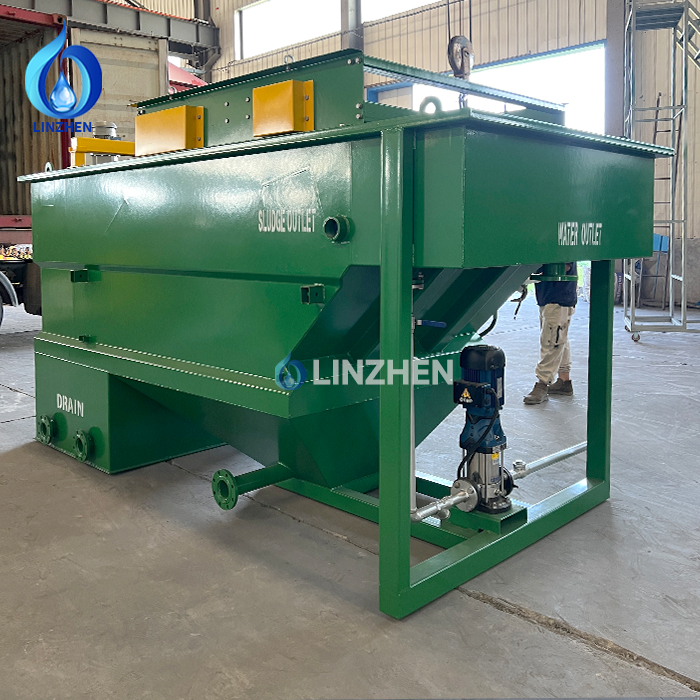
Establishing peak performance across a daf wastewater treatment installation involves continuous monitoring of air dissolution vessels, clarification basins, and chemical metering systems. Facilities that maintain detailed servicing logs and conduct regular staff training consistently reduce their Total Cost of Ownership. This comprehensive guide outlines proven dissolved air flotation maintenance practices designed to optimize separation mechanics, preserve pump integrity, and extend the active working life of industrial daf wastewater treatment machinery.
Mechanical Subsystem Care in DAF Wastewater Treatment Facilities
Air Saturation and Micro-Bubble System Inspection
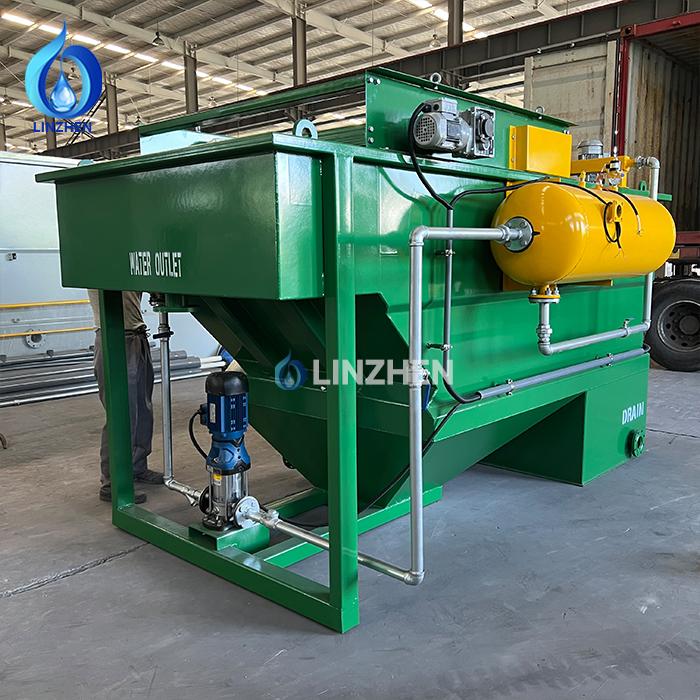
The air dissolution process serves as the core operational mechanism within any daf wastewater treatment plant. Pressurized water mixes with atmospheric air inside the saturation vessel to produce the micro-bubbles needed to float suspended solids. Executing routine daf system preventive maintenance on air saturation tanks prevents internal scaling and particulate accumulation that impairs dissolution efficiency. Maintenance teams should schedule quarterly internal vessel checks, inspect pressure relief safety valves, and test structural integrity to ensure safe, continuous daf wastewater treatment operations.
Air compressor health directly influences bubble formation quality during daf wastewater treatment operations. Clean, dry air is essential to avoid oil contamination and water carryover into saturation nozzles. As part of standard dissolved air flotation maintenance, operators must replace intake air filters every three months, drain moisture traps weekly, and inspect compressor drive belts monthly. Maintaining pristine compressed air delivery prevents bubble coalescence, ensuring optimal particulate flotation during daily daf wastewater treatment cycles.
Flotation Cell Basin and Skimmer Mechanism Management
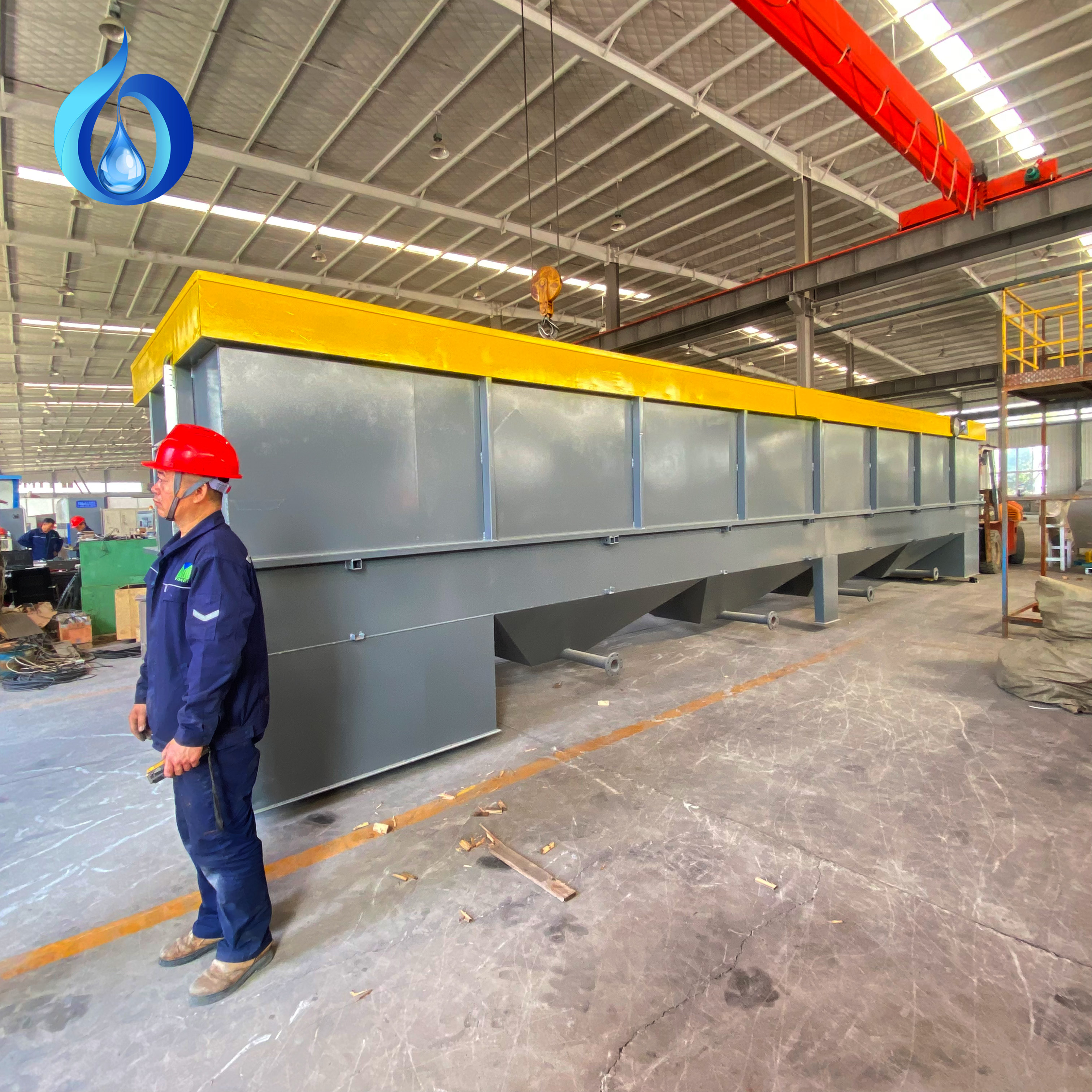
The flotation cell is the primary basin where solid-liquid separation occurs during daf wastewater treatment. Heavy sludge accumulation at the bottom of the clarification tank reduces active volumetric capacity and creates anaerobic conditions that produce foul odors. Effective industrial wastewater system upkeep requires weekly bottom-sludge flushing and routine inspection of the mechanical surface skimmer. Aligning skimmer flights and adjusting scraper blade tension prevents mechanical binding and protects drive motor assemblies from over-torque damage across the daf wastewater treatment lifecycle.
Effluent discharge weirs and collection channels require monthly monitoring within any commercial daf wastewater treatment plant. Algae growth, mineral scaling, and particulate buildup along weir edges alter hydraulic flow distribution, allowing carryover of floating solids into clean water channels. Routine cleaning of weir plates as part of daf wastewater treatment maintenance ensures consistent hydraulic loading and maintains stable discharge water quality measurable by online turbidity sensors.
Chemical Conditioning and Dosing System Optimization
Managing Coagulant and Flocculant Feed Units
Chemical pretreatment is critical for conditioning emulsified oils and colloidal solids prior to entering the daf wastewater treatment unit. Maintaining proper chemical inventory, monitoring polymer solution age, and storing reagents under temperature-controlled conditions prevents chemical breakdown. Incorporating chemical storage audits into your regular dissolved air flotation maintenance schedule ensures consistent floc formation and reduces overall chemical consumption within the daf wastewater treatment system.
Metering pump accuracy determines chemical dosing precision across all daf wastewater treatment workflows. Diaphragm and peristaltic chemical feed pumps require quarterly calibration checks to verify volumetric flow rates against design curves. Including pump head inspections in your daf system preventive maintenance schedule allows technicians to identify worn diaphragms, leaking check valves, and degraded tubing before chemical feed failures occur, stabilizing the entire daf wastewater treatment process.
pH Calibration and Water Chemistry Balancing
Influent pH significantly impacts coagulant performance and bubble-floc adhesion in daf wastewater treatment systems. Automated pH probes must undergo bi-weekly cleaning and monthly buffer calibration to ensure precise chemical dosing control. Including instrument calibration within standard industrial wastewater system upkeep protocols prevents chemical over-dosing, reduces operational costs, and maintains stable coagulation chemistry inside the daf wastewater treatment reaction zone.
Pumps, Piping, and Electrical Component Servicing
Recirculation Pump Integrity and Valve Maintenance
Recirculation pumps deliver saturated water into the flotation inlet chamber of the daf wastewater treatment unit. Monthly vibration testing, bearing temperature checks, and mechanical seal inspections are vital components of daf wastewater treatment maintenance. Detecting early mechanical wear prevents catastrophic pump failure and protects the continuous flow necessary for effective daf wastewater treatment operations.
Piping networks and control valves suffer from internal erosion and mineral scaling over time. Conducting quarterly pressure-drop checks across recirculation lines as part of your overall industrial wastewater system upkeep identifies internal pipe restrictions before micro-bubble generation drops. Inspecting pressure-sustaining valves guarantees that the daf wastewater treatment system maintains the required 4 to 6 bar saturation pressure necessary for micro-bubble release.
FAQ
How frequently should a daf wastewater treatment system undergo professional servicing?
While daily visual checks are conducted by facility operators, comprehensive daf wastewater treatment maintenance audits should occur annually. Major components like saturation vessels, chemical dosing pumps, and air compressors benefit from bi-annual daf system preventive maintenance performed by certified service technicians.
What is the typical working lifespan of a properly maintained daf wastewater treatment unit?
With consistent industrial wastewater system upkeep and proactive component replacement, high-quality daf wastewater treatment equipment typically operates reliably for 15 to 20 years. Stainless steel flotation basins can last even longer when protected from aggressive chemical corrosion.
Can poor daf wastewater treatment maintenance lead to environmental compliance penalties?
Yes. Neglecting essential dissolved air flotation maintenance leads to reduced solids removal, higher effluent turbidity, and severe discharge limit violations. Environmental regulatory authorities routinely audit maintenance logs, making documented daf system preventive maintenance mandatory for ongoing compliance.
 EN
EN