Selecting the right sludge dewatering machine is critical for industrial operations that handle wastewater and solids separation. Different sectors face unique challenges when managing sludge volume, moisture content, disposal costs, and regulatory compliance. A sludge dewatering machine must be chosen based on feedstock characteristics, processing capacity, space constraints, and long-term operational efficiency. Understanding how different sludge dewatering machine designs serve specific industrial sectors helps facility managers make informed investment decisions and optimize their treatment workflows.
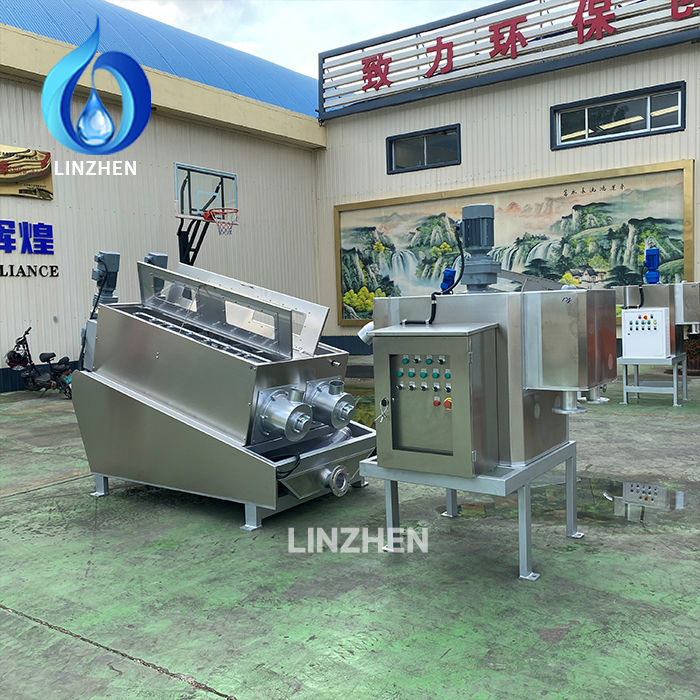
The industrial sludge treatment landscape has evolved significantly, with manufacturers developing specialized sludge dewatering machine configurations to address sector-specific demands. Wastewater treatment plants require high-throughput capacity and consistent dry solids output, while food processing facilities need odor control and rapid processing cycles. Municipal utilities, pharmaceutical companies, mining operations, and chemical manufacturers each operate with distinct sludge profiles and discharge requirements. A sludge dewatering machine that performs excellently in one sector may underperform in another if its design does not align with the feedstock properties and operational constraints of that specific industry.
Sludge Dewatering Machine Selection for Municipal Wastewater Treatment
High-Capacity Requirements in Municipal Applications
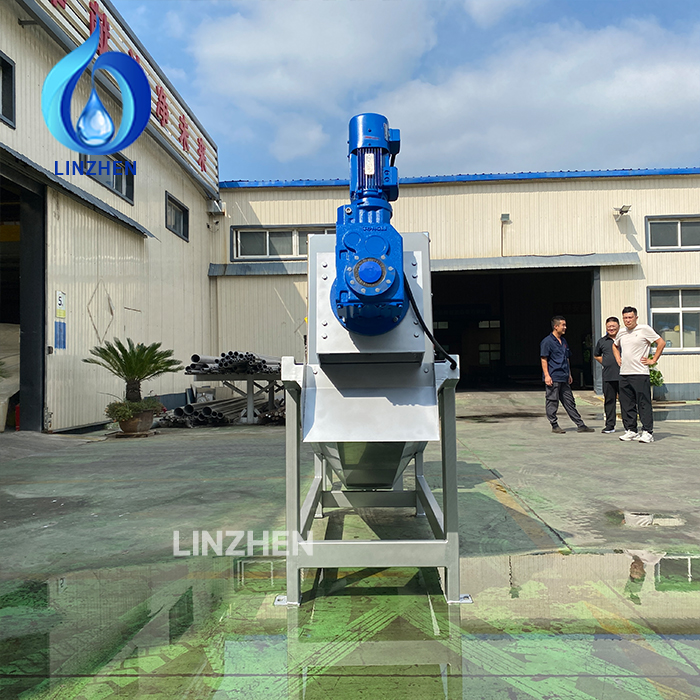
Municipal wastewater treatment plants produce large volumes of primary and secondary sludge daily. A sludge dewatering machine in this sector must handle consistent flow rates and deliver predictable solids recovery. Screw press and belt filter press designs have become industry standard choices because a sludge dewatering machine of these types offers scalable capacity, low maintenance demands, and dependable dry solids production. Municipal facilities typically prioritize operating cost reduction through energy efficiency and polymer optimization, making the selection of an appropriate sludge dewatering machine a long-term financial decision.
Regulatory Compliance and Public Health Factors
Municipal sludge disposal is governed by stringent environmental regulations. A sludge dewatering machine must reduce moisture content to levels that meet landfill acceptance criteria or incinerator feed specifications. Decanter centrifuges and screw presses represent two viable sludge dewatering machine technologies in municipal settings, each with distinct advantages in pathogen reduction, residual moisture, and chemical conditioning requirements. The choice of sludge dewatering machine directly influences how municipalities manage biosolids, whether through land application, composting, or thermal processing pathways.
Sludge Dewatering Machine Applications in Food and Beverage Processing
Organic Sludge Characteristics and Odor Management
Food processing and beverage manufacturing generate high-strength, organically rich sludge that creates significant odor and pathogen challenges. A sludge dewatering machine used in these sectors must process feedstock with variable fat, protein, and carbohydrate content while minimizing fugitive emissions. Belt filter presses and vibrating screen separators have proven effective as a sludge dewatering machine choice because they can handle organic material without creating excessive smell or requiring specialized enclosures. Rapid cake discharge from a sludge dewatering machine is essential to prevent anaerobic decomposition and associated air quality issues in food plants.
Space Constraints and Throughput Efficiency
Food processing facilities often operate in densely packed industrial areas where footprint is limited. A compact sludge dewatering machine design becomes strategically important to fit production workflows without costly facility modifications. Screw presses represent an especially popular sludge dewatering machine choice in food sectors because they combine vertical orientation, minimal floor space, low noise, and rapid processing into a single unit. The mobility and flexibility of a sludge dewatering machine in food plants directly influences whether operations can scale production without adding new infrastructure.
Sludge Dewatering Machine Solutions for Mining and Chemical Industries
High-Solids and Abrasive Sludge Processing
Mining operations and chemical manufacturers generate sludge with high mineral content, abrasive particles, and challenging rheological properties. A sludge dewatering machine designed for these sectors must withstand material wear, handle variable density feedstock, and maintain performance despite sand, gravel, and metal-laden solids. Vibrating screen dewatering systems and rotary drum screens function effectively as a sludge dewatering machine choice in mining because wear-resistant components and continuous motion prevent clogging and maintain throughput. The durability and maintenance accessibility of a sludge dewatering machine becomes a critical operational consideration when processing harsh feedstock.
Environmental and Safety Compliance in Extractive Industries
Mining and chemical operations face strict environmental liability standards and frequently handle hazardous or reactive sludge. A sludge dewatering machine must contain all solids and liquid phases safely while preventing contamination of groundwater or surrounding soil. Closed-system designs and specialized containment features in a sludge dewatering machine reduce environmental risk and ensure compliance with mining regulations and chemical discharge permits. The selection of a sludge dewatering machine in these sectors reflects not only processing efficiency but also environmental stewardship and regulatory accountability. Advanced sludge dewatering machine technologies now incorporate real-time monitoring and automated control systems to optimize performance and ensure safe operation in demanding industrial environments.
Comparative Performance Metrics Across Industrial Sectors
Dry Solids Output and Moisture Reduction
Different sludge dewatering machine technologies achieve varying final moisture content depending on sludge type and operational parameters. Screw presses typically produce cake with 18–25 percent moisture in municipal applications but may reach 12–18 percent in food processing sludge. A sludge dewatering machine selection process must account for downstream processing requirements, such as whether biosolids will be incinerated, composted, or land-applied. Higher solids recovery from a sludge dewatering machine reduces transport costs and disposal fees, making moisture reduction a direct driver of economic performance.
Capital and Operational Cost Structures
The total cost of ownership for a sludge dewatering machine varies significantly based on sector-specific demands. Municipal utilities benefit from volume purchasing power and standardized designs, reducing per-unit sludge dewatering machine costs. Food processors and smaller chemical plants may invest in a sludge dewatering machine with greater automation and flexibility features to justify higher upfront expense through reduced labor and faster processing cycles. Polymer consumption, wear part replacement, energy usage, and maintenance frequency all influence whether a particular sludge dewatering machine represents good long-term value for a given industrial sector.
FAQ
What characteristics make a sludge dewatering machine suitable for municipal wastewater treatment?
A sludge dewatering machine for municipal use must deliver consistent high-volume throughput, achieve moisture levels meeting landfill or incinerator specifications, require minimal operator intervention, and support cost-effective polymer dosing. Screw presses and belt filter presses have become standard sludge dewatering machine choices in municipal plants because they combine reliability, scalability, and proven performance across varying sludge characteristics.
How does organic sludge from food processing affect sludge dewatering machine selection?
Organic sludge generated in food processing contains high fat, protein, and carbohydrate content that can create rapid decomposition and odor generation. A sludge dewatering machine must process this feedstock quickly to prevent anaerobic conditions and fugitive emissions. Rapid cake discharge and good drainage characteristics make belt filter presses and screw presses effective sludge dewatering machine options for food industry operators seeking to balance processing speed with odor control.
Why is sludge dewatering machine durability critical in mining operations?
Mining sludge contains abrasive minerals, heavy metals, and high solids concentration that cause accelerated wear on equipment components. A sludge dewatering machine must incorporate wear-resistant materials and accessible maintenance design to justify investment and maintain reliable operation. Vibrating screen and rotary drum sludge dewatering machine designs address these challenges through durable construction and simplified part replacement, reducing downtime and extending service life in demanding mining environments.
 EN
EN