Modern manufacturing plants generate massive volumes of contaminated effluent daily, making effective water recovery essential for operational sustainability and regulatory compliance. Installing a high-efficiency industrial wastewater recycling system allows factory operators to treat complex chemical discharges, recover valuable process resources, and drastically cut freshwater intake fees. Understanding the multi-tier wastewater treatment stages within a modern industrial wastewater recycling system helps facility engineers optimize daily treatment efficiency while supporting long-term industrial water reuse initiatives across production facilities.
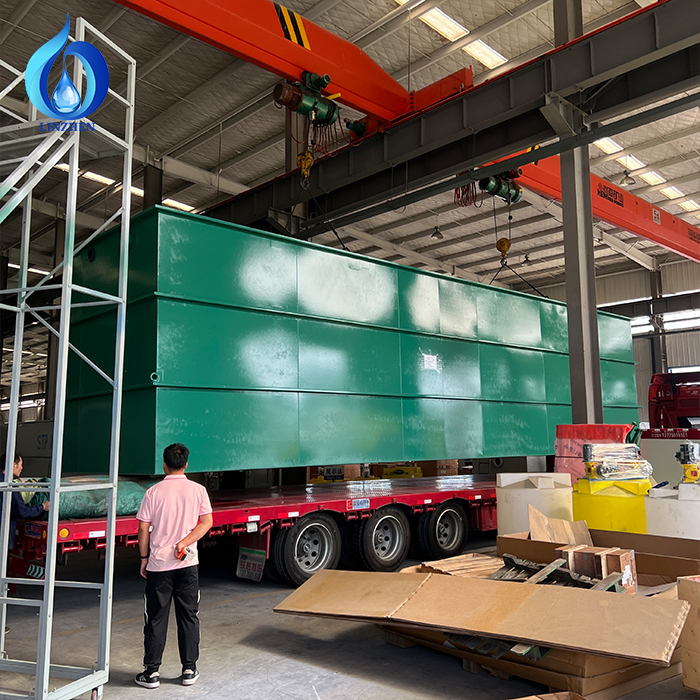
Every commercial industrial wastewater recycling system relies on a structured sequence of purification steps, with each phase targeting specific physical, chemical, or biological contaminants. Configuring these wastewater treatment stages depends heavily on raw water characteristics, discharge permits, and intended industrial water reuse applications. From initial coarse screening to advanced tertiary polishing, each unit operation inside an industrial wastewater recycling system systematically transforms raw, toxic industrial effluent into high-purity recycled water suitable for production reuse or safe environmental discharge.
Preliminary Physical Screening and Grit Extraction
Coarse Solids Removal and Screen Filtration
The initial phase of an industrial wastewater recycling system involves physical separation to eliminate large debris, plastics, rags, and coarse suspended matter. Implementing automated bar screens, rotary drum sieves, and heavy-duty grinders during preliminary wastewater treatment stages protects downstream mechanical pumps and blowers from physical damage. Effective primary screening inside an industrial wastewater recycling system prevents line blockages, lowers maintenance downtime, and extends equipment service life, ensuring stable continuous flow for subsequent biological and chemical purification phases that enable industrial water reuse.
Grit Separation and Fat, Oil, and Grease Trapping
Dense inorganic solids such as sand, silt, and metal fragments must be removed early within an industrial wastewater recycling system to prevent severe abrasive wear on hydraulic impellers. Specialized grit chambers drop out heavy inorganic particulates before water enters delicate treatment reactors. Concurrently, oil and grease traps capture floating fats and free hydrocarbons that could otherwise coat microbial cultures during biological wastewater treatment stages. Maintaining clean physical separation units inside the industrial wastewater recycling system optimizes overall plant reliability and prepares effluent for high-rate industrial water reuse downstream.
Biological Contaminant Degradation and Organic Removal
Activated Sludge Aerobic Processing
Biological oxidation forms the core core processing phase within most industrial wastewater recycling system designs, utilizing living microorganisms to metabolize dissolved organic matter. Utilizing fine-bubble diffused aeration, the biological wastewater treatment stages supply continuous oxygen to aerobic bacteria, enabling rapid reduction of chemical oxygen demand (COD) and biochemical oxygen demand (BOD). The combination of aeration basins and secondary clarifiers inside an industrial wastewater recycling system maintains dense microbial biomass, ensuring high-capacity pollutant removal necessary for achieving stringent industrial water reuse purity criteria.
Microbial Nutrient Control and Ecological Balance
Sustaining stable bacterial activity within an industrial wastewater recycling system requires precise balancing of essential nutrients—specifically nitrogen, phosphorus, and organic carbon. Because industrial discharge often exhibits unbalanced nutrient ratios, automated chemical feed systems adjust carbon-to-nitrogen ratios during biological wastewater treatment stages. Maintaining optimal microbial kinetics within the industrial wastewater recycling system prevents process upsets, eliminates foul odors, and preserves sludge settling characteristics, laying a solid foundation for closed-loop industrial water reuse across manufacturing units.
Chemical Clarification and Tertiary Water Polishing
Coagulation, Flocculation, and Clarification
Following biological digestion, secondary wastewater treatment stages employ chemical coagulation to aggregate fine colloidal particles, residual suspended solids, and color bodies. Dosing specialized coagulants like polyaluminum chloride into the industrial wastewater recycling system neutralizes surface charges, forcing fine particles to bind into heavy flocs that settle rapidly in clarifiers. Effective chemical conditioning inside an industrial wastewater recycling system dramatically reduces turbidity and Silt Density Index (SDI), providing clear effluent essential for high-end industrial water reuse processes such as cooling tower makeup.
Advanced Oxidation and Membrane Polishing
To achieve high-purity standards, modern industrial wastewater recycling system installations incorporate tertiary membrane separation, such as ultrafiltration and reverse osmosis, combined with advanced oxidation. These high-tier wastewater treatment stages remove dissolved salts, heavy metals, synthetic organic chemicals, and recalcitrant compounds. Utilizing advanced membrane technology within an industrial wastewater recycling system creates an absolute physical barrier against micro-pollutants, producing process-grade water suitable for boiler feed and direct production line industrial water reuse.
Disinfection, Quality Monitoring, and Automation
Pathogen Inactivation and Final Safety Protection
The final phase of an industrial wastewater recycling system applies robust disinfection to eradicate pathogenic bacteria, viruses, and biological spores. Utilizing ultraviolet (UV) irradiation, ozonation, or sodium hypochlorite injection during disinfection wastewater treatment stages guarantees biological safety prior to distribution. Reliable disinfection prevents biofouling in recycled water piping networks, making the output from the industrial wastewater recycling system safe for worker contact, facility washdown, and sustainable industrial water reuse throughout the industrial site.
Real-Time Quality Monitoring and Automated Control
A fully integrated industrial wastewater recycling system features continuous analytical instrumentation monitoring pH, oxidation-reduction potential (ORP), turbidity, dissolved oxygen, and conductivity across all wastewater treatment stages. Programmable logic controllers (PLC) dynamically regulate aeration blowers, chemical dosing pumps, and motorized valves based on real-time sensor feedback. Automation ensures that the industrial wastewater recycling system adapts dynamically to incoming surge loads, maintaining consistent effluent quality standards required for enterprise-wide industrial water reuse.
FAQ
What are the essential wastewater treatment stages in an industrial wastewater recycling system?
The primary wastewater treatment stages include preliminary screening, grit and grease removal, biological organic degradation, chemical coagulation, tertiary membrane polishing, and final disinfection. Together, these integrated stages allow an industrial wastewater recycling system to transform raw industrial effluent into high-quality water suitable for continuous industrial water reuse.
How does an industrial wastewater recycling system determine required treatment phases?
Engineering teams determine necessary wastewater treatment stages by evaluating raw influent chemistry, local discharge permits, and target water purity levels required for specific industrial water reuse applications. A tailored industrial wastewater recycling system incorporates only the required treatment units to optimize capital expenditure and operational costs.
Can an existing industrial wastewater recycling system be retrofitted for expanded capacity?
Yes, facilities can upgrade an existing industrial wastewater recycling system by retrofitting advanced membrane filtration or advanced oxidation modules into existing tankage. Adding tertiary wastewater treatment stages increases processing capacity and enables higher levels of industrial water reuse without complete plant reconstruction.
 EN
EN