Compact domestic wastewater treatment systems have become essential infrastructure for modern residential applications, combining efficiency with space-saving design. These systems handle household sewage through integrated processes that remove contaminants, reduce environmental impact, and enable sustainable water management. Understanding the technologies behind domestic wastewater treatment helps homeowners, developers, and facility managers make informed decisions about residential waste management solutions.
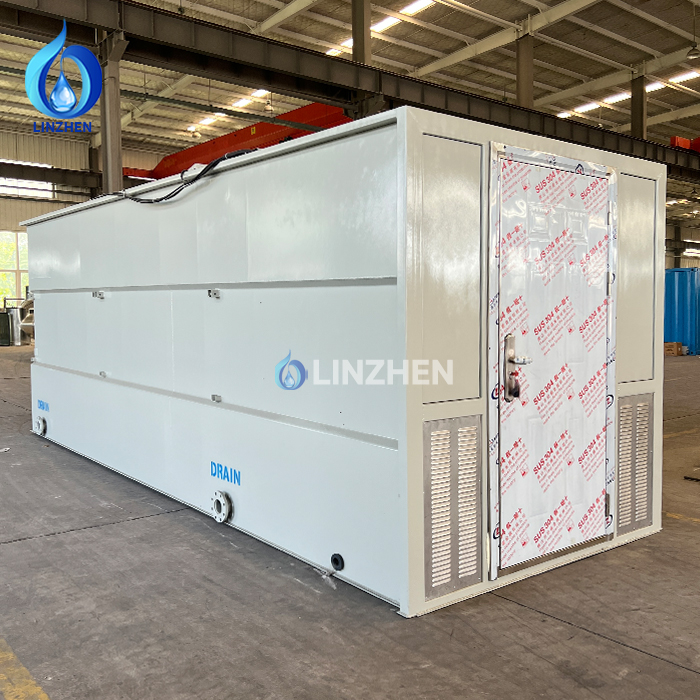
Modern domestic wastewater treatment technology integrates biological, chemical, and physical processes within confined spaces, making it ideal for residential communities, rural settlements, and decentralized applications. The compact nature of these systems does not compromise performance; instead, it reflects decades of innovation in wastewater engineering. Each component works synergistically to transform raw household waste into treated effluent that meets regulatory standards and environmental protection requirements.
Biological Treatment Technologies in Domestic Wastewater Treatment
Aerobic Biological Processes
Aerobic treatment represents a cornerstone of most domestic wastewater treatment systems, utilizing microorganisms that thrive in oxygen-rich environments to decompose organic matter. Activated sludge reactors maintain controlled aeration through diffused air or mechanical mixing, creating ideal conditions for bacterial colonies to break down biodegradable substances. This domestic wastewater treatment approach efficiently removes biochemical oxygen demand (BOD) and converts ammonia-nitrogen into nitrate, addressing primary residential pollution sources. Extended aeration systems in compact domestic wastewater treatment installations allow longer detention times within smaller footprints, maximizing microbial activity and treatment efficiency.
Membrane Bioreactor Technology
Membrane bioreactors (MBRs) represent advanced domestic wastewater treatment technology that combines conventional biological treatment with membrane filtration in a single vessel. This integrated approach within domestic wastewater treatment systems eliminates the need for separate secondary clarification tanks, significantly reducing space requirements. Ultrafiltration membranes in these domestic wastewater treatment configurations retain biosolids while allowing treated water to permeate through, producing effluent quality suitable for reuse or safe discharge. Compact domestic wastewater treatment installations increasingly adopt MBR technology because it delivers superior treatment performance without expanding physical infrastructure.
Physical and Chemical Treatment Methods
Coagulation and Sedimentation
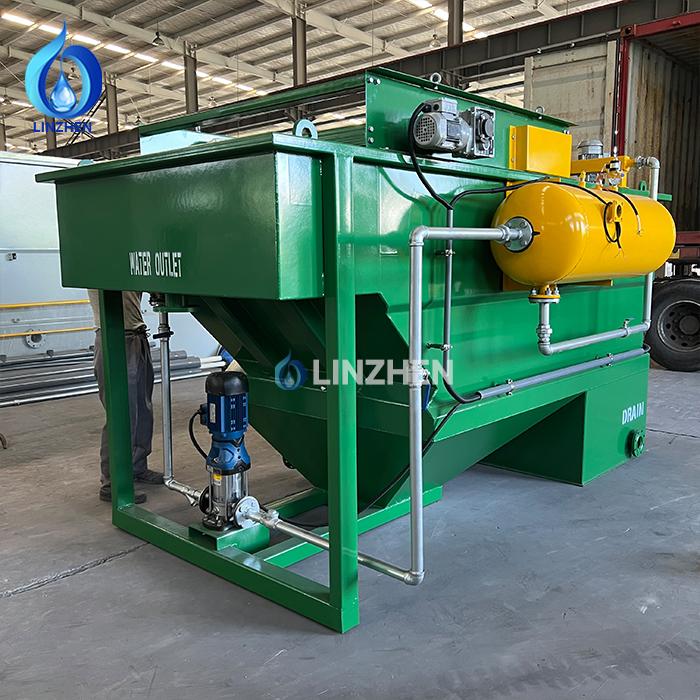
Chemical treatment within domestic wastewater treatment systems employs coagulants to destabilize suspended particles, allowing them to aggregate and settle efficiently. This domestic wastewater treatment process removes colloidal matter that would otherwise pass through biological stages, improving overall effluent clarity. Rapid mixing followed by slow stirring in compact domestic wastewater treatment reactors ensures proper contact between chemicals and wastewater, optimizing particle removal. Sedimentation basins in modern domestic wastewater treatment designs utilize lamella plates or inclined surfaces to increase settling area within minimal vertical space.
Filtration and Polishing Systems
Sand filtration, multimedia filtration, and activated carbon treatment in domestic wastewater treatment systems provide final polishing stages that remove residual suspended solids and organic compounds. Sand filters in domestic wastewater treatment installations operate with relatively simple hydraulic design while delivering robust performance across varying flow conditions. Activated carbon units in compact domestic wastewater treatment configurations absorb dissolved organic compounds, pharmaceuticals, and trace contaminants that biological stages cannot fully eliminate. This multi-barrier approach within domestic wastewater treatment technology ensures treated water meets stringent quality parameters for environmental discharge or nonpotable reuse.
Advanced Integration and Control Technologies
Automated Process Monitoring
Modern domestic wastewater treatment systems incorporate dissolved oxygen sensors, pH monitors, turbidity meters, and nutrient analyzers that enable real-time performance tracking. Automated controls in domestic wastewater treatment facilities adjust aeration intensity, chemical dosing, and sludge return rates based on influent characteristics and treatment goals. Programmable logic controllers (PLCs) manage domestic wastewater treatment operations with minimal human intervention, optimizing energy consumption while maintaining consistent effluent quality. This technological integration makes domestic wastewater treatment more reliable and responsive to seasonal variations in household waste composition.
Energy-Efficient Design Features
domestic wastewater treatment systems now incorporate variable frequency drives (VFDs) that match aeration and pumping equipment to actual process demands, reducing electricity consumption significantly. Gravity flow design principles minimize reliance on mechanical lifting, allowing treated water and settled solids to move through treatment stages with minimal energy input. Biogas recovery from anaerobic digesters in larger domestic wastewater treatment installations generates renewable energy that can offset operational power requirements. These efficiency measures demonstrate that advanced domestic wastewater treatment technology delivers environmental benefits while reducing long-term operational costs for residential facilities.
FAQ
What is the primary difference between compact and conventional domestic wastewater treatment systems?
Compact domestic wastewater treatment systems integrate multiple treatment stages into smaller physical footprints through innovative tank design and advanced separation technologies. Conventional systems typically require larger land areas for settling ponds, biological lagoons, and secondary clarification basins. Compact domestic wastewater treatment achieves equivalent or superior treatment performance using membrane bioreactors, lamella clarifiers, and optimized hydraulic residence times, making them ideal for space-constrained residential applications.
How long does treated water remain in a domestic wastewater treatment system?
Hydraulic residence time in domestic wastewater treatment systems typically ranges from 8 to 24 hours depending on system design, influent strength, and treatment targets. Extended aeration systems used in certain domestic wastewater treatment installations deliberately maintain longer retention to maximize biological degradation. Membrane bioreactor-based domestic wastewater treatment can achieve shorter residence times while maintaining high treatment efficiency due to superior biomass retention. Specific residence time requirements are engineered into each domestic wastewater treatment facility during design phase based on local regulations and discharge standards.
Can domestic wastewater treatment effluent be reused for non-potable applications?
Yes, properly treated effluent from advanced domestic wastewater treatment systems can support landscape irrigation, toilet flushing, cooling tower makeup, and industrial process applications. Membrane bioreactor technology in domestic wastewater treatment produces effluent quality that meets reuse standards in many jurisdictions without additional polishing. Additional UV disinfection or chlorination may be required depending on specific domestic wastewater treatment regulations and intended reuse purpose. Onsite reuse of treated domestic wastewater treatment effluent reduces freshwater consumption while providing economic benefits to residential communities.
 EN
EN