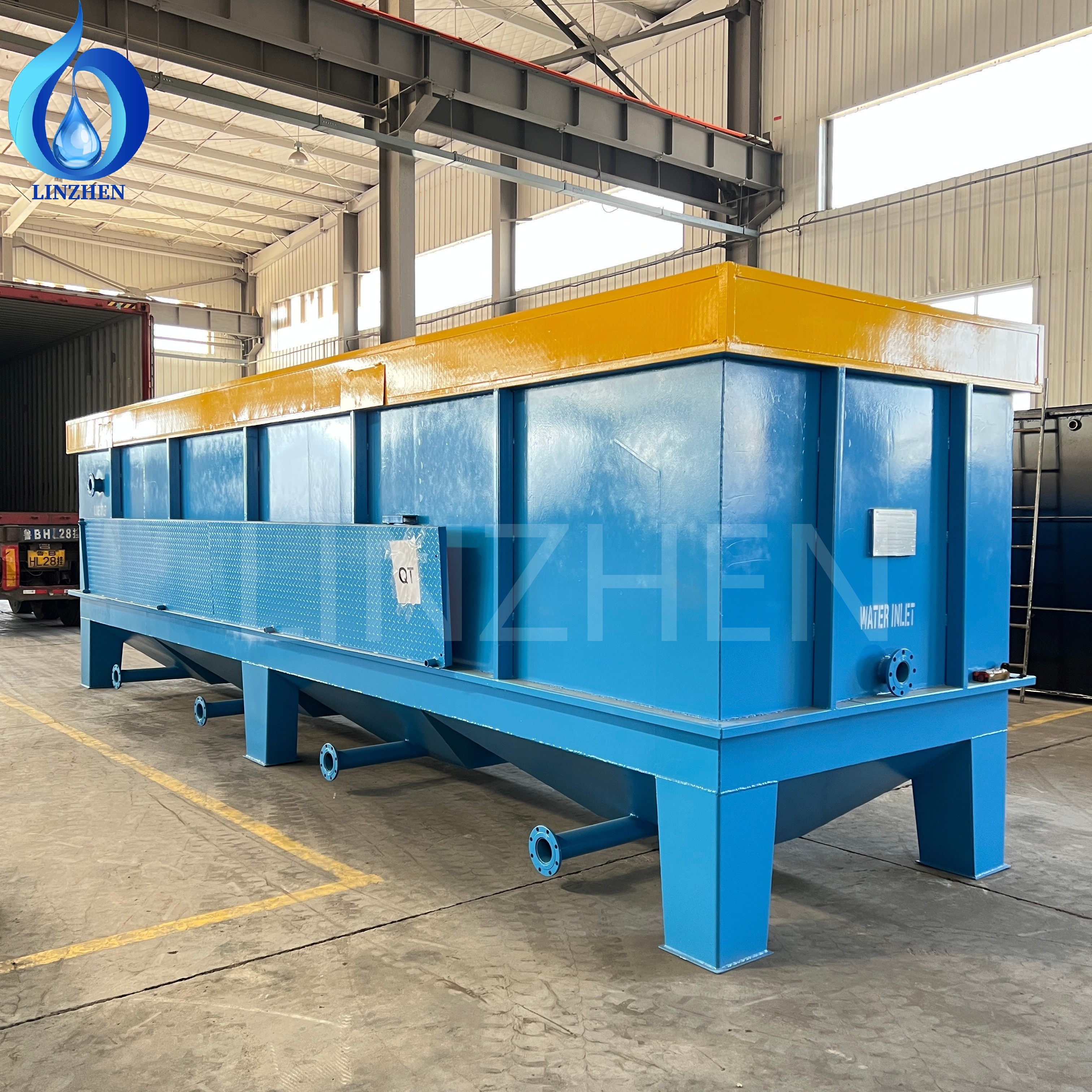
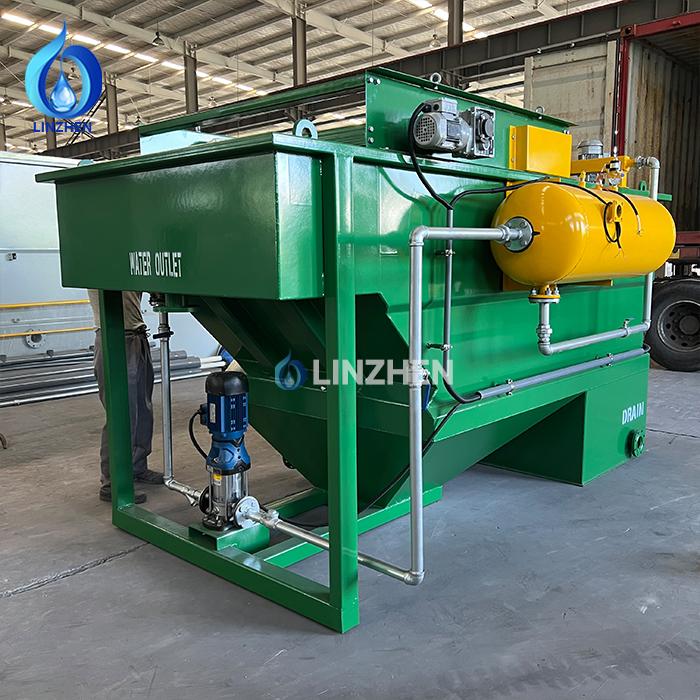
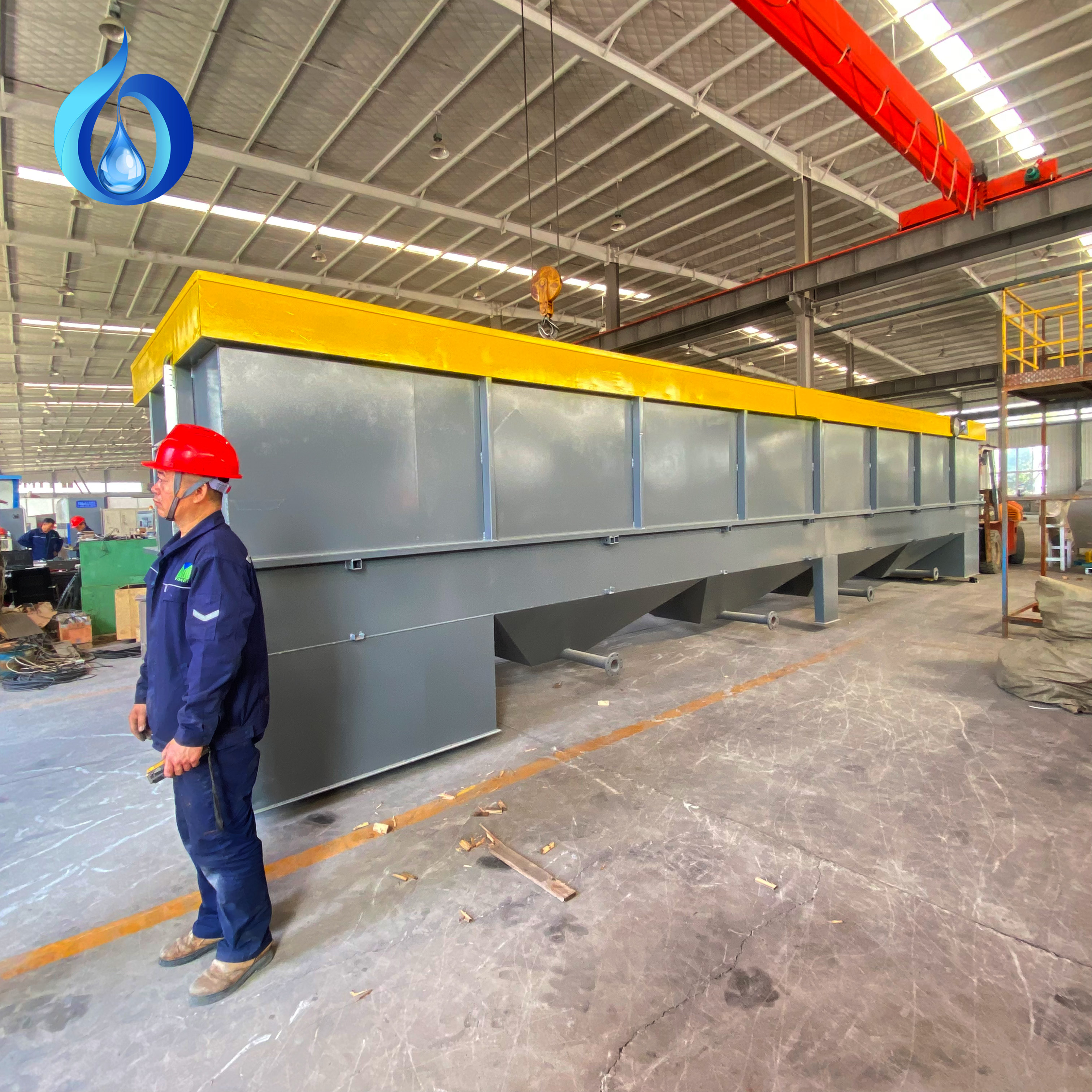
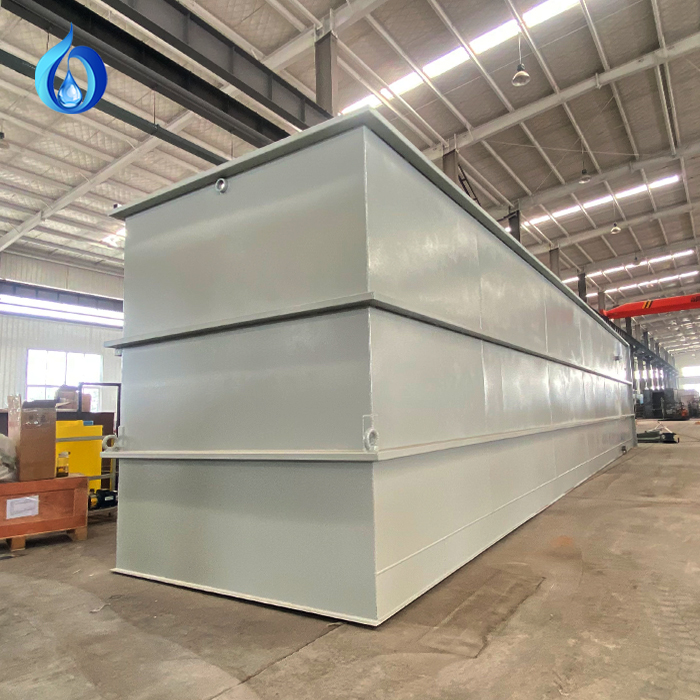
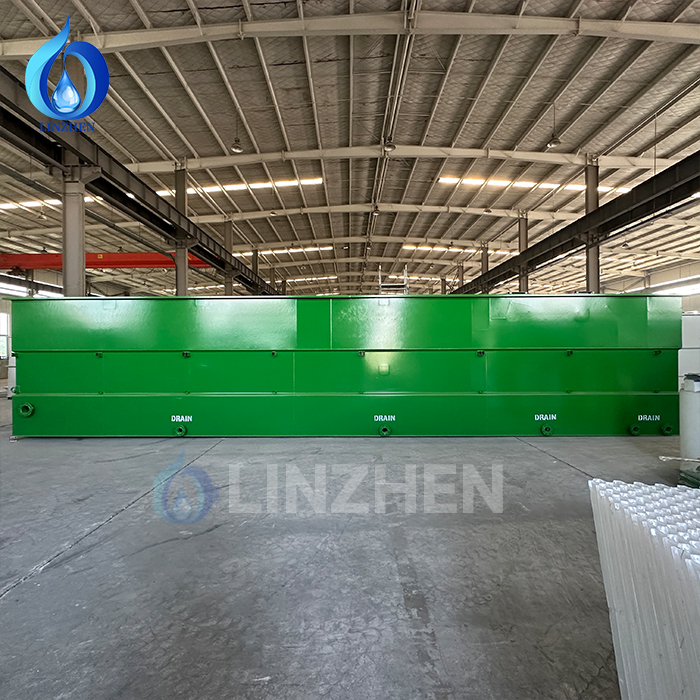
Selecting the ideal daf wastewater treatment solution stands as a pivotal operational decision for modern industrial plants. Widely recognized across food processing, chemical, manufacturing, and oil refining sectors, daf wastewater treatment excels at separating fats, oils, grease, and suspended solids from process streams. However, deploying an improper daf wastewater treatment configuration risks costly downtime, regulatory violations, and excessive energy usage.
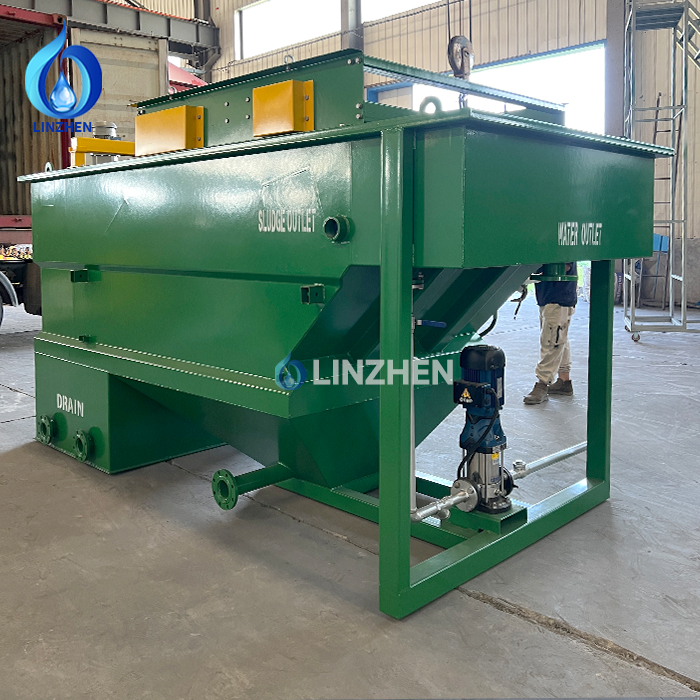
Prior to finalizing any daf wastewater treatment capital investment, engineering teams must systematically review core operational parameters. This comprehensive guide outlines the critical variables—ranging from influent quality and peak hydraulic loads to power demands, sludge production, and vendor support—ensuring your daf wastewater treatment design delivers long-term compliance and high return on investment.
1. Analyzing Influent Characteristics for DAF Wastewater Treatment
Contaminant Loading and Emulsion Stability
The foundation of successful daf wastewater treatment lies in precise influent characterization. Industrial waste streams vary drastically, directly affecting how microbubbles interact with particles during daf wastewater treatment. Factors such as suspended solids (TSS), chemical oxygen demand (COD), oil droplet size, and pH levels govern daf wastewater treatment chemistry and retention requirements.
Assuming a standardized daf wastewater treatment unit fits all applications often leads to system failure. For instance, high-salinity streams alter bubble size differently than sugary food processing waste. Conducting pre-design bench tests ensures your daf wastewater treatment hardware is tailored to handle specific emulsified oils and specific gravity challenges effectively.
Hydraulic Capacity and Peak Flow Dynamics
Accurate flow measurement prevents under-sizing or over-sizing your daf wastewater treatment plant. Undersized daf wastewater treatment causes hydraulic short-circuiting and poor separation, while oversized equipment unnecessarily inflates initial capital expenditure and daily power usage. High-performing daf wastewater treatment setups must easily accommodate peak hourly flows and cleaning-in-place (CIP) surges.
Production shifts, batch dumps, and seasonal spikes heavily impact daf wastewater treatment performance. Evaluating historical hydraulic logs over several months helps engineers specify proper equalization tanks alongside the main daf wastewater treatment unit, buffering extreme flow rate shifts.
2. Performance Metrics and Effluent Target Compliance
Separation Efficiency and Regulatory Discharge Limits
Local environmental regulations strictly mandate limits on effluent TSS, FOG, and organic loads, driving the performance criteria for any daf wastewater treatment project. High-efficiency daf wastewater treatment units typically achieve over 95% removal of free and emulsified oils, providing a safe operating margin against heavy incoming pollutant spikes.
When selecting daf wastewater treatment systems, demand validated performance data from industrial sites handling similar waste profiles. Real-world operational metrics offer a far more reliable benchmark for daf wastewater treatment capabilities than theoretical laboratory tests.
Water Recycling and Resource Recovery Opportunities
Modern daf wastewater treatment extends beyond basic compliance; it enables sustainable water reuse within industrial plants. Clarified water from daf wastewater treatment can often be redirected toward utility cooling towers, washdown operations, or secondary process loops, drastically lowering freshwater intake costs.
Integrating secondary polishing steps after daf wastewater treatment opens avenues for valuable byproduct recovery, such as recovering commercial-grade tallow or oils, transforming a daf wastewater treatment expense into a potential revenue stream.
3. Operational Expenses and Maintenance Requirements
Power Efficiency and Air Dissolution Systems
Energy consumption represents a major chunk of recurring daf wastewater treatment operating costs. The recycle pump and air compressor systems within daf wastewater treatment drive microbubble generation. Inefficient aeration designs dramatically raise power bills over extended operating cycles.
Advanced daf wastewater treatment platforms leverage high-efficiency micro-bubble generators and variable frequency drives (VFDs) to trim electricity usage by 15% to 30%. Over a decade of continuous service, energy-optimized daf wastewater treatment equipment yields substantial operational savings.
Sludge Generation, Dewatering, and Handling Costs
Daf wastewater treatment generates a floated sludge layer containing concentrated solids and skimmings. Managing this sludge accounts for a significant portion of total daf wastewater treatment operating budgets. Systems delivering higher solids concentrations in the float lower downstream dewatering and off-site haulage fees.
Evaluating internal skimmer designs and mechanical thickeners within daf wastewater treatment units ensures drier sludge cake generation, minimizing handling charges and reducing overall environmental footprints.
Maintenance Workflows and Chemical Consumption
Routine maintenance for daf wastewater treatment involves inspecting drive chains, scraper blades, saturation tanks, and discharge valves. A well-designed daf wastewater treatment setup offers accessible service hatches, preventing costly downtime during standard maintenance windows.
Chemical coagulation and flocculation represent another continuous cost for daf wastewater treatment. Selecting daf wastewater treatment designs optimized for hydraulic mixing minimizes chemical dosing rates while maintaining clear effluent standards.
4. Vendor Experience, Customization, and Lifecycle Reliability
System Customization and Engineering Flexibility
Standard off-the-shelf equipment rarely satisfies specialized industrial processes. A top-tier daf wastewater treatment manufacturer offers tailored tank geometry, corrosion-resistant metallurgy, and custom control panels to fit unique plant layouts. Tailored daf wastewater treatment engineering ensures smooth integration with pre-existing pretreatment infrastructure.
Prioritize daf wastewater treatment vendors who offer pilot-scale testing units to prove system efficacy on-site before full manufacturing and installation commence.
Technical Support, Warranties, and Parts Lifecycle
Long-term reliability in daf wastewater treatment hinges on solid manufacturer support, ready availability of spare parts, and robust warranty coverage. Unexpected component failures on a daf wastewater treatment line can shut down full industrial production facilities.
Verify that your daf wastewater treatment vendor keeps essential replacement parts in local inventory and offers remote monitoring capabilities for rapid troubleshooting.
FAQ
What is the average operational lifespan of a daf wastewater treatment unit?
With proactive maintenance and proper chemical balancing, a high-quality daf wastewater treatment system lasts 15 to 20 years. Stainless steel construction significantly enhances daf wastewater treatment durability, especially when treating acidic, high-salinity, or aggressive industrial wastewater streams.
How often should routine maintenance be performed on daf wastewater treatment hardware?
Daily visual checks of air saturation, chemical dosing, and sludge scraping are recommended for daf wastewater treatment operations. Comprehensive quarterly inspections of mechanical pumps, bearings, and valves keep the daf wastewater treatment plant running at peak separation efficiency.
Is it possible to integrate a daf wastewater treatment unit into existing treatment facilities?
Yes, daf wastewater treatment systems are frequently retrofitted into established treatment networks as primary clarifiers or pre-treatment stages. Compact footprints allow modular daf wastewater treatment units to fit within tight footprint constraints easily.
 EN
EN