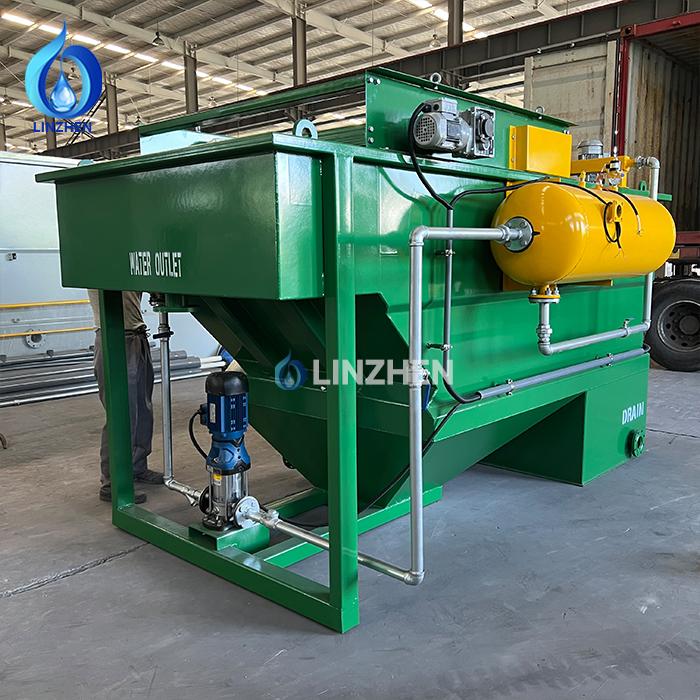
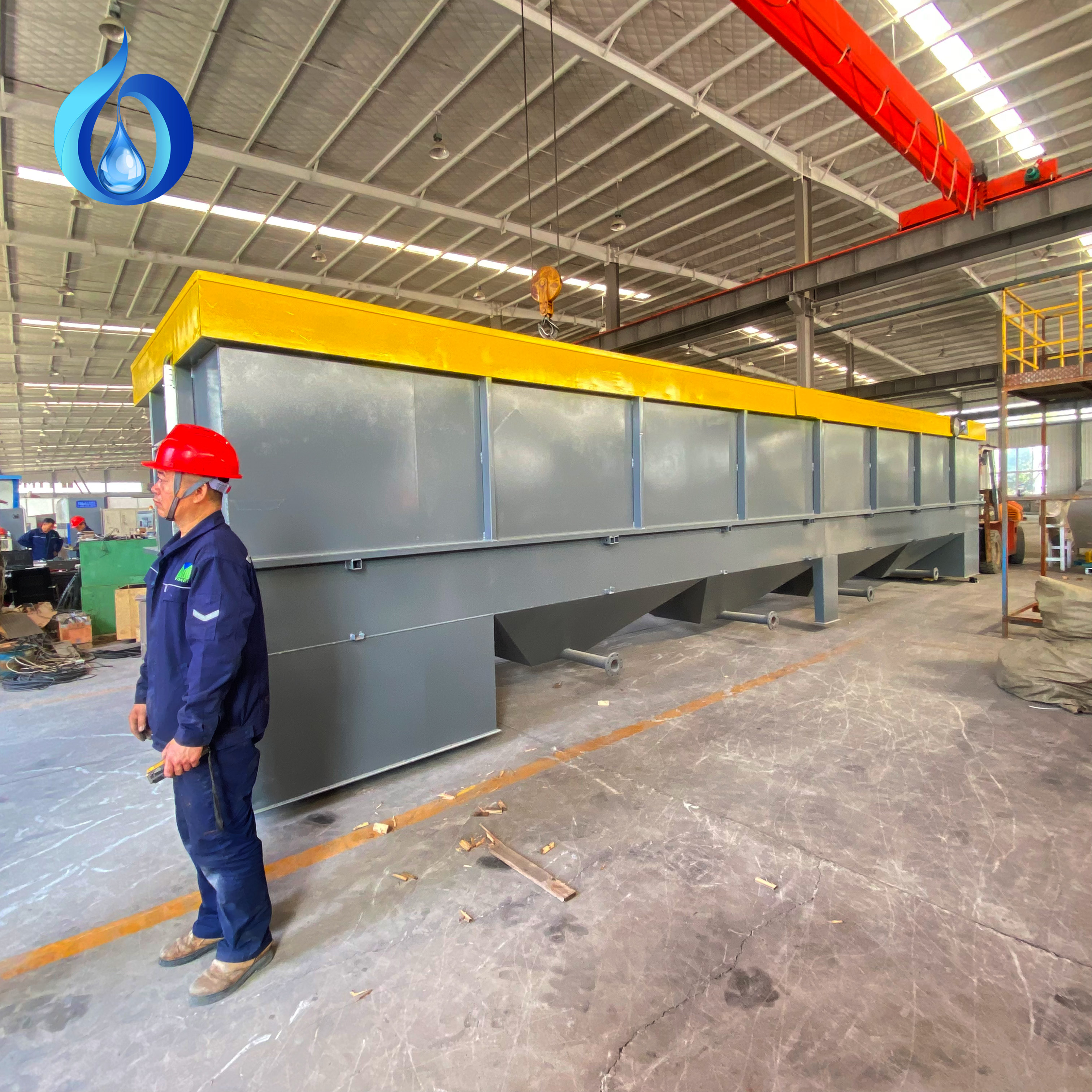
Modernizing an industrial or municipal waste water treatment plant stands among the most capital-intensive choices an infrastructure director will manage. Long before allocating financial resources or breaking ground, plant leaders need to systematically analyze the critical operational, structural, and regulatory drivers that dictate long-term success. Evaluating these fundamental elements upfront ensures your upgraded waste water treatment plant meets evolving discharge limits, improves operational performance, and maximizes capital efficiency.
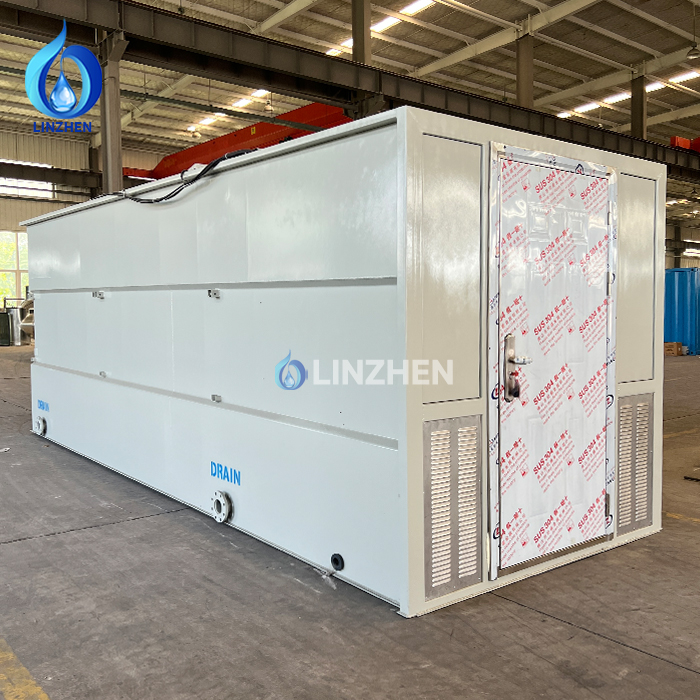
Initiating a major retrofit for any waste water treatment plant requires rigorous technical auditing rather than fast-tracked assumptions. Facility leaders must balance current hydraulic loads with projected expansion needs, regional water quality trends, available budgets, and innovative filtration setups. This practical roadmap highlights essential engineering and strategic insights needed before committing to a comprehensive waste water treatment plant upgrade.
Navigating Compliance Frameworks and Permitting Requirements
Analyzing Current and Emerging Discharge Standards
Every operating waste water treatment plant functions under strict environmental permits controlled by federal, state, and local water authorities. Engineering teams should first perform a total compliance audit to identify existing gaps between current effluent quality and local permit requirements. In many cases, aging infrastructure simply lacks the processing capabilities required by newly introduced environmental statutes, driving the urgency for a full waste water treatment plant modernization.
Prior to finalizing designs, project managers must forecast regulatory changes expected over the next decade or two. Environmental agencies worldwide are rapidly enforcing tighter nutrient removal limits, particularly for total nitrogen and phosphorus, which frequently outpace standard waste water treatment plant designs. Designing a scalable waste water treatment plant upgrade today prevents premature obsolescence and protects operations against future enforcement actions.
Managing Environmental Review Timelines and Permits
Securing structural permits and environmental approvals for a waste water treatment plant expansion routinely takes twelve to twenty-four months. Engaging certified environmental engineering consultants early ensures thorough site assessments, environmental impact reporting, and timely submissions to governing agencies. Any major modifications to a waste water treatment plant generally require updated discharge permits, which may involve mandated public review periods and inter-agency consultations.
Detailed environmental assessments evaluate how construction work and adjusted effluent flows might impact local hydrology, wildlife habitats, and surrounding municipalities. Even environmentally beneficial projects can encounter regulatory holds during heavy construction phases. Incorporating realistic permitting schedules into the overall project master plan prevents expensive delays when constructing your upgraded waste water treatment plant.
Technical Audits and Process Technology Selection
Diagnosing Hydraulic and Operational Bottlenecks
A comprehensive engineering audit of existing structures provides the foundation for any successful project. Technical directors must measure peak flow capabilities, treatment consistency, mechanical integrity, and power consumption to pinpoint primary points of failure. This diagnostic phase confirms whether the waste water treatment plant requires targeted mechanical retrofits, basin expansions, digital control integration, or a complete operational overhaul.
Pinpointing structural bottlenecks clarifies exact budget priorities for the project. Certain facilities can meet upgraded standards by optimizing biological treatment stages or upgrading aeration grids within existing tankage. Conversely, severely constrained sites may demand completely new process trains. Collaborating with experienced process engineers helps determine whether your existing waste water treatment plant footprint can accommodate expanded unit processes.
Selecting Modern Treatment Technologies
Advanced processes—such as membrane bioreactors (MBR), moving bed biofilm reactors (MBBR), and automated nutrient recovery—are transforming modern waste water treatment plant design. Operational leaders should carefully evaluate innovative technologies engineered to solve their facility's specific effluent challenges. Implementing advanced oxidation or real-time process monitoring can dramatically enhance effluent clarity and stability across the entire waste water treatment plant upgrade.
When selecting new technology for a waste water treatment plant, compare long-term energy consumption, chemical demands, and routine maintenance against treatment efficiency. Highly complex treatment systems may deliver exceptional water purity but require specialized technical expertise and higher utility budgets. Maintaining balance between high-performance technology and practical operational capabilities is vital for long-term viability.
Financial Optimization and Lifecycle Operations
Developing Budget Estimates and Funding Strategies
Overhauling a waste water treatment plant involves major capital outlays that require strategic financial planning. Project managers must prepare comprehensive budgets covering initial design, civil engineering, specialized procurement, site integration, and emergency contingency reserves. Volatile material costs, supply chain shifts, and unexpected ground conditions frequently impact final delivery costs for a major waste water treatment plant overhaul.
Facilities should investigate multiple financing options, including state revolving funds, green infrastructure grants, municipal bonds, and private-public funding partnerships. Many government initiatives offer financial subsidies for projects that boost energy efficiency or reduce nutrient loads from a waste water treatment plant. Establishing a clear funding framework early lowers total capital burdens and keeps construction moving on schedule.
Evaluating Lifecycle Costs and Workforce Requirements
Capital costs represent only a portion of total expenditure over the lifespan of a upgraded facility. Strategic planning requires calculating 20-year lifecycle costs, encompassing electrical usage, chemical dosing, component replacements, and operational labor. Investing in an advanced waste water treatment plant process that reduces sludge production or energy consumption often yields significant long-term savings despite higher initial equipment costs.
Finally, assess how modern process controls will affect staffing requirements and operational skill sets. Automated monitoring systems reduce repetitive manual labor but require skilled technicians proficient in digital controls and instrument calibration. Facility leaders must account for ongoing staff training or new talent acquisition when planning a comprehensive waste water treatment plant upgrade.
FAQ
How much capital is required for a waste water treatment plant upgrade?
Total expenditure for a waste water treatment plant upgrade ranges widely based on hydraulic capacity, target discharge parameters, site footprint, and selected process technologies. Small facility retrofits typically require five to fifteen million dollars, while regional urban facilities frequently exceed fifty million dollars. Final costs depend heavily on existing structural integrity, civil engineering demands, local labor rates, and automation levels.
What is the typical execution timeline for a facility upgrade?
Most waste water treatment plant modernizations span three to seven years from initial feasibility studies through final commissioning. General project schedules allocate 12 to 24 months for engineering and design, 12 to 24 months for environmental permitting, 12 to 36 months for heavy construction, and 3 to 6 months for biological startup and performance testing.
What are the primary project risks during an infrastructure overhaul?
Primary risks facing a major waste water treatment plant upgrade include unexpected regulatory changes mid-project, supply chain delays, budget overruns, and operational disruption during construction. Facilities must maintain continuous compliance while building adjacent to operating processes. Mitigating these risks requires experienced project oversight, realistic contingency budgets, and phased construction plans.
 EN
EN