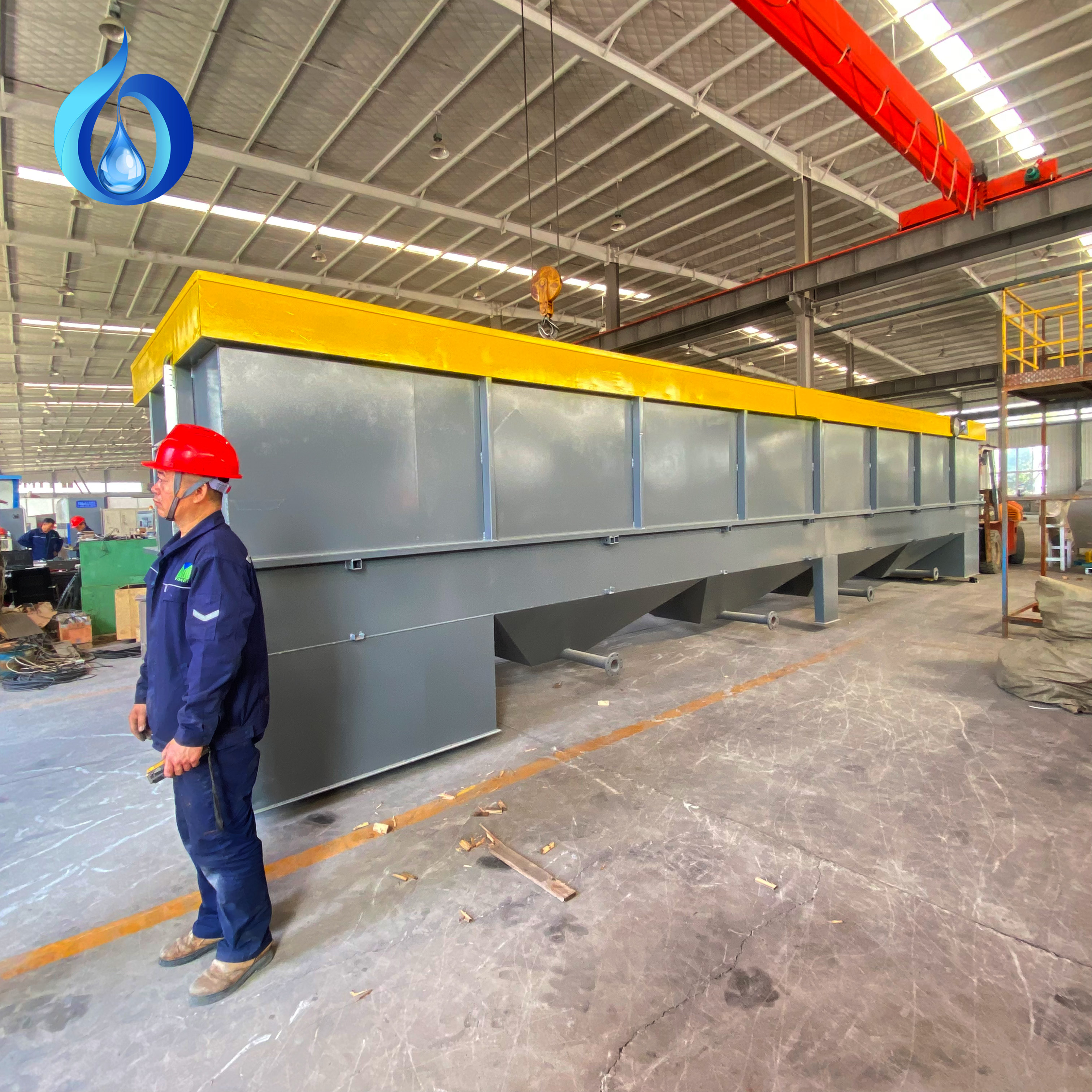
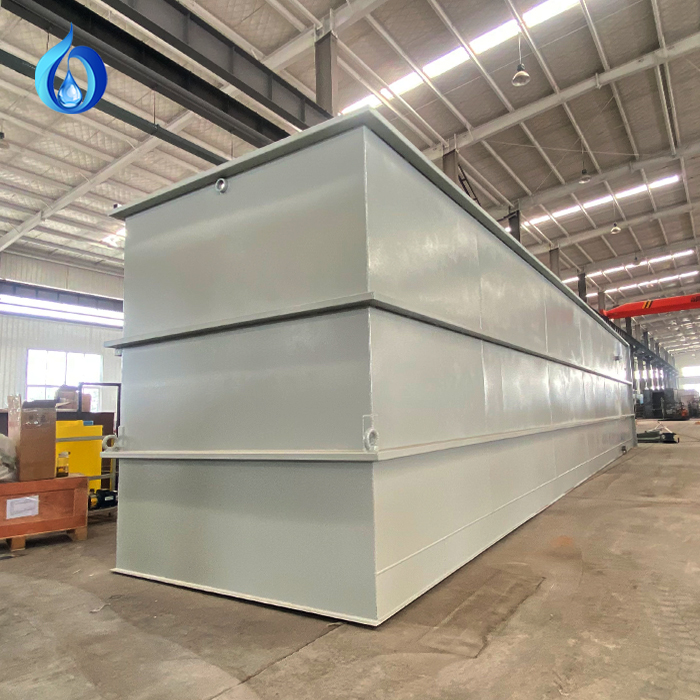
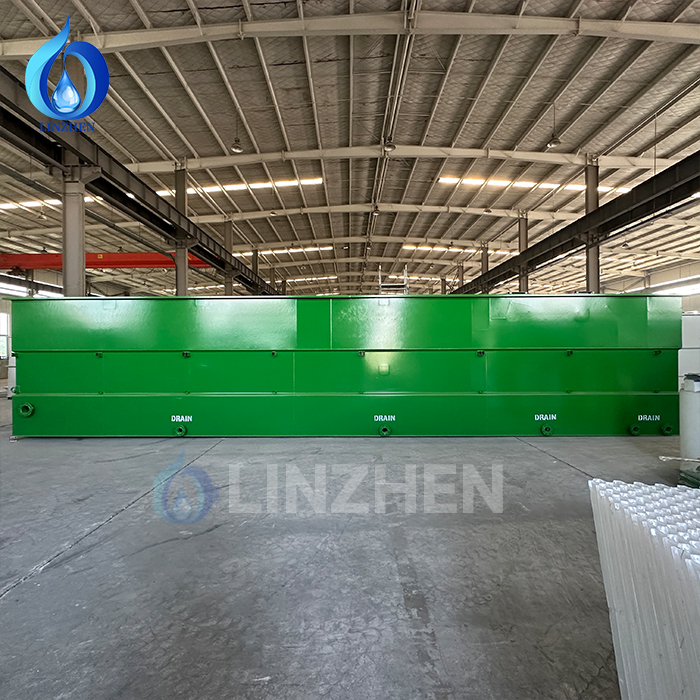
Managing industrial utilities across distributed facilities introduces significant operational friction, making a unified wastewater management system essential for multi-site commercial enterprises. Modern manufacturing networks cannot rely on isolated local water treatment setups. An enterprise wastewater management system must harmonize real-time telemetry, automated chemical dosing, regional discharge compliance, and cross-site performance benchmarking. Organizations deploying a centralized wastewater management system reduce compliance risks, eliminate operational bottlenecks, and achieve complete corporate oversight across all production nodes.
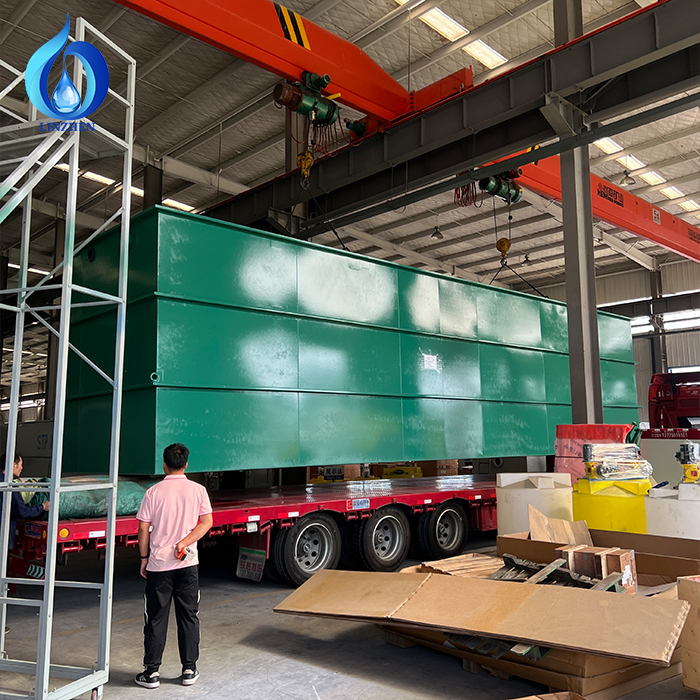
Operating multiple production sites requires balancing site-specific discharge limits with overarching corporate governance. A specialized multi-plant wastewater system addresses complex effluent profiles while allowing local plants necessary operational flexibility. Implementing a robust wastewater management system streamlines environmental auditing, optimizes resource allocation, and protects brand reputation. With an end-to-end wastewater management system, leadership gains total visibility into water consumption, pollutant removal metrics, and operating costs across every regional facility.
Centralized Telemetry and Remote Oversight Architecture
Real-Time Data Integration via Enterprise Wastewater Management System
A multi-site wastewater management system relies on unbroken telemetry streaming from field sensors directly to central control rooms. Utilizing a centralized wastewater monitoring architecture allows environmental engineers to track pH levels, dissolved oxygen, chemical oxygen demand (COD), and turbidity in real time. This unified wastewater management system framework breaks down information silos, allowing corporate teams to compare operational efficiency between facilities. Local operators utilize the wastewater management system dashboard to adjust daily process parameters while corporate directors monitor network-wide environmental performance.
Automated Alarm Handling and Escalation Protocols
Preventing environmental permit violations requires rapid detection of process anomalies. An intelligent wastewater management system incorporates automated alarm management that categorizes operational deviations by severity. If a plant experiences a sudden chemical surge, the wastewater management system instantly alerts local technicians while triggering automated bypass or containment protocols. Implementing a responsive wastewater management system prevents off-spec effluent discharges, protects downstream biological treatment units, and ensures prompt resolution of equipment malfunctions across the site network.
Regulatory Compliance and Multi-Jurisdictional Reporting
Standardizing Regulatory Compliance Wastewater Processes
Industrial sites operating across different states or countries face diverse regulatory frameworks. A comprehensive wastewater management system tracks location-specific discharge permits, monitoring schedules, and reporting deadlines. By automating regulatory compliance wastewater workflows, the wastewater management system minimizes human error in environmental filings. Corporate environmental officers rely on the wastewater management system to maintain audit-ready documentation, avoiding costly fines associated with late submissions or unverified discharge logs.
Automated Discharge Reporting and Audit Trails
Manual environmental reporting is time-consuming and prone to data entry errors. An advanced wastewater management system automatically compiles continuous sensor readings into standardized Discharge Monitoring Reports (DMRs). The wastewater management system maintains immutable digital logs of all treatment parameters, calibration events, and chemical additions. Utilizing a digital wastewater management system simplifies environmental auditing, providing verifiable proof of compliance during unannounced inspections by regulatory authorities.
Process Optimization and Infrastructure Maintenance
Cross-Plant Benchmarking and Protocol Standardization
Achieving operational excellence across multiple facilities requires continuous performance comparison. An enterprise wastewater management system normalizes performance data, allowing companies to evaluate energy consumption and chemical efficiency across plants. Identifying high-performing sites within the wastewater management system enables managers to replicate best practices across underperforming locations. This analytical capability transforms the wastewater management system from a basic utility controller into a strategic tool for enterprise efficiency.
Predictive Equipment Maintenance and Lifecycle Tracking
Unplanned downtime in effluent treatment can force entire manufacturing lines to halt. An integrated wastewater management system tracks mechanical health metrics—such as pump vibration, motor temperature, and membrane pressure drop—to predict component failures. By combining centralized wastewater monitoring with predictive maintenance algorithms, the wastewater management system schedules repairs before catastrophic breakdowns occur. This proactive approach within the wastewater management system extends asset lifespan, lowers spare parts inventories, and cuts overall operational costs.
Cybersecurity, System Integration, and Scalability
Data Security Protocols in Modern Wastewater Systems
Connecting critical industrial infrastructure to cloud networks demands rigorous cybersecurity measures. A modern wastewater management system employs end-to-end encryption, multi-factor authentication, and role-based access controls to safeguard operational data. Protecting the wastewater management system from unauthorized access ensures operational continuity and prevents malicious tampering with automated chemical feed systems or discharge control valves.
Enterprise ERP Integration and System Expansion
A scalable multi-plant wastewater system must integrate seamlessly with existing enterprise software, including ERP and CMMS platforms. Connecting the wastewater management system to corporate IT systems automates chemical reordering, work-order generation, and sustainability accounting. Selecting a flexible wastewater management system ensures that newly acquired or constructed facilities can be rapidly onboarded into the corporate monitoring network without infrastructure redesign.
FAQ
Which primary parameters should an enterprise wastewater management system track?
An enterprise wastewater management system must track critical parameters including pH, flow rate, dissolved oxygen, turbidity, total suspended solids (TSS), chemical oxygen demand (COD), and oxidation-reduction potential (ORP) across all facility discharge points.
How does a centralized wastewater management system simplify multi-state compliance?
A centralized wastewater management system stores local permit limits for each plant, automatically evaluates real-time effluent data against local regulations, and generates site-specific compliance reports without manual data handling.
Can a wastewater management system integrate with existing plant SCADA systems?
Yes, a modern wastewater management system utilizes open industrial protocols to ingest data directly from local PLCs and SCADA networks, consolidating distributed site data into a unified platform.
 EN
EN