Selecting the right media fill is critical when designing an mbbr system for industrial wastewater treatment, especially when tackling high-strength, chemical oxygen demand (COD) factory waste. The biofilm carrier media directly impacts treatment efficiency, oxygen transfer rates, and the overall microbial community development within your treatment vessel. In factory environments with concentrated organic loads, the choice between different plastic biofilm carriers can mean the difference between compliance and operational failure.
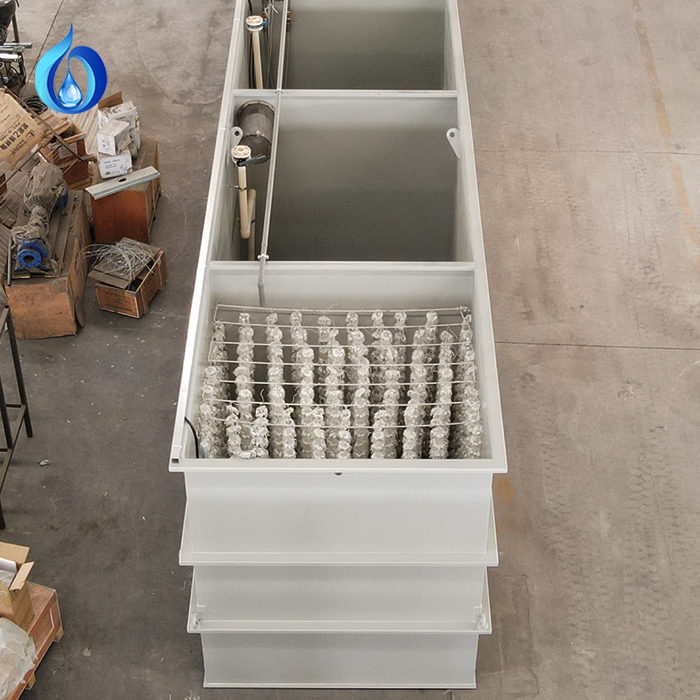
A moving bed biofilm reactor represents a proven technology for degrading recalcitrant organic compounds and nutrients from industrial discharges. Unlike traditional activated sludge systems, the biofilm carrier media in an mbbr system provides a fixed surface for microorganisms to colonize while remaining mobile within the aeration tank. This hybrid approach combines the biofilm stability of fixed-bed systems with the operational flexibility of suspended-growth reactors, making it particularly suitable for variable factory waste streams with high COD concentrations.
Understanding Biofilm Carrier Media Selection for High-COD Wastewater
Core Characteristics of Effective Plastic Biofilm Carriers
The performance of plastic biofilm carriers in your moving bed biofilm reactor depends on several interconnected factors. Surface area per unit volume determines how much active biomass can develop on each carrier; materials with higher specific surface areas support denser biofilms capable of handling greater organic loads. For factory waste with elevated COD levels, carriers offering 500 to 900 m²/m³ of specific surface area provide optimal conditions for robust microbial communities.
Porosity and internal structure directly influence oxygen penetration and mass transfer within the biofilm layer. Biofilm carrier media with internal channels or porous structures allow dissolved oxygen to reach deeper biomass layers, preventing anaerobic dead zones that reduce treatment efficiency. Density and settling characteristics affect mixing dynamics; properly designed plastic biofilm carriers maintain suspension without requiring excessive aeration, reducing energy consumption while ensuring complete tank turnover during the treatment cycle.
Material Composition and Durability in COD-Rich Environments
Industrial wastewater often contains aggressive chemicals, oils, and compounds that stress biofilm materials over time. High-quality plastic biofilm carriers resist chemical degradation, oxidative stress, and mechanical abrasion that occurs through continuous mixing and collision within the aeration chamber. Polyethylene and polypropylene-based carriers, when properly stabilized, maintain structural integrity across extended operational periods even in the most demanding factory applications. The mbbr system's efficiency depends on media integrity; damaged or degraded carriers fragment into biosolids, reducing active surface area and treatment capacity.
Optimizing Media Fill Loading and Density for Superior COD Reduction
Determining Fill Fraction for Factory Waste Applications
The fill fraction—the percentage of reactor volume occupied by moving bed biofilm reactor media—fundamentally shapes treatment performance and oxygen dynamics. For factory waste with high COD concentrations, fill fractions between 40 and 60 percent optimize the balance between available surface area and oxygen availability. Lower fill fractions reduce biofilm density but improve aeration efficiency; higher fill fractions maximize biomass but risk creating regions of insufficient oxygen transfer. The specific adjustment depends on your waste composition, temperature, and target treatment level.
Pilot-scale testing with your actual factory waste using representative plastic biofilm carriers helps identify the optimal fill density for your specific conditions. As biofilm accumulates on the carriers, the effective density increases, potentially requiring operational adjustments to maintain adequate mixing and oxygen transfer. Monitoring dissolved oxygen levels, COD removal rates, and settling characteristics provides real-time feedback on whether the media fill is performing optimally or requires adjustment.
Mixing, Retention Time, and COD Kinetics
Complete mixing within the mbbr system ensures that biofilm carriers contact both the incoming waste and saturated oxygen throughout the reaction volume. Inadequate mixing creates dead zones where treatment efficiency drops and residual COD remains high. Retention time—the average duration wastewater spends in the reactor—must be sufficient for the biofilm community to metabolize the complex organic compounds present in factory waste. High-COD streams typically require hydraulic retention times of 6 to 12 hours, depending on the specific waste characteristics and biodegradability.
The moving bed biofilm reactor's hydraulic performance depends on carrier characteristics, fill fraction, aeration rate, and tank geometry. Computational fluid dynamics modeling and practical commissioning trials help verify that the biofilm carrier media distribution remains uniform and effective across all zones. Zones with inadequate mixing or poor oxygen transfer become habitats for slower-growing heterotrophs or sulfate-reducing organisms that produce odorous compounds, indicating suboptimal performance.
Practical Performance Monitoring and Media Optimization Strategies
Tracking Biofilm Development and Treatment Efficiency
As your mbbr system begins operation, the biofilm coating on plastic biofilm carriers gradually thickens over 2 to 4 weeks until reaching equilibrium thickness. During this startup period, COD removal efficiency increases progressively; monitoring daily effluent COD concentrations reveals the rate of biofilm establishment and community maturation. Once steady state is reached, the biofilm layer typically reaches 100 to 500 micrometers thickness, depending on media type, operational conditions, and substrate availability.
Biofilm health can be assessed through oxygen consumption rates, sludge production patterns, and microscopic examination of sample carriers removed from the moving bed biofilm reactor. Healthy biofilms display diverse microbial communities visible through analysis; weak biofilms indicate stress from toxicity, insufficient substrate, or adverse environmental conditions. Adjusting aeration rate, fill fraction, or operational parameters based on biofilm observations ensures sustained high-performance treatment of your factory waste.
Preventive Maintenance and Media Replacement Protocols
Over 5 to 10 years of operation, plastic biofilm carriers can accumulate mineral deposits, degradation products, and resistant biomass that reduce effective surface area and treatment capacity. Periodic inspection and selective cleaning or replacement of compromised biofilm carrier media maintains long-term mbbr system performance. Some facilities implement rotating media replacement strategies, removing a portion of aged carriers annually while introducing fresh media to maintain optimal biofilm diversity and treatment efficiency.
Scaling, fouling, or excessive biosolids production within your moving bed biofilm reactor signals the need for media evaluation or operational adjustments. Identifying and correcting root causes—whether from changes in waste composition, temperature fluctuations, or chemical imbalances—prevents progressive deterioration in COD removal and extends the effective service life of your biofilm carrier media investment.
FAQ
What surface area should biofilm carrier media have for high-COD factory wastewater?
Biofilm carrier media with specific surface areas between 500 and 900 m²/m³ provides optimal performance for industrial wastewater containing high COD concentrations. Higher surface area supports denser, more resilient biofilms capable of degrading complex organic compounds, though the exact requirement depends on your wastewater composition, temperature, and target treatment level. Pilot testing with your specific factory waste helps identify the most cost-effective option.
How does fill fraction affect mbbr system treatment efficiency?
Fill fraction significantly influences the balance between available biofilm surface area and oxygen transfer efficiency. A moving bed biofilm reactor operating at 40 to 60 percent fill fraction typically achieves optimal COD reduction for factory waste; lower fill reduces biofilm but improves aeration, while higher fill increases biomass but risks oxygen limitations. The ideal fill fraction depends on your specific waste strength, temperature, and operational constraints.
When should plastic biofilm carriers be replaced in an operating mbbr system?
Biofilm carrier media typically remain effective for 5 to 10 years under normal operating conditions, though replacement decisions depend on observed treatment performance, media degradation signs, and accumulation of resistant deposits. Some operations implement gradual replacement strategies, rotating a portion of aged plastic biofilm carriers annually while introducing fresh media to maintain optimal mbbr system performance and long-term COD removal efficiency.
 EN
EN