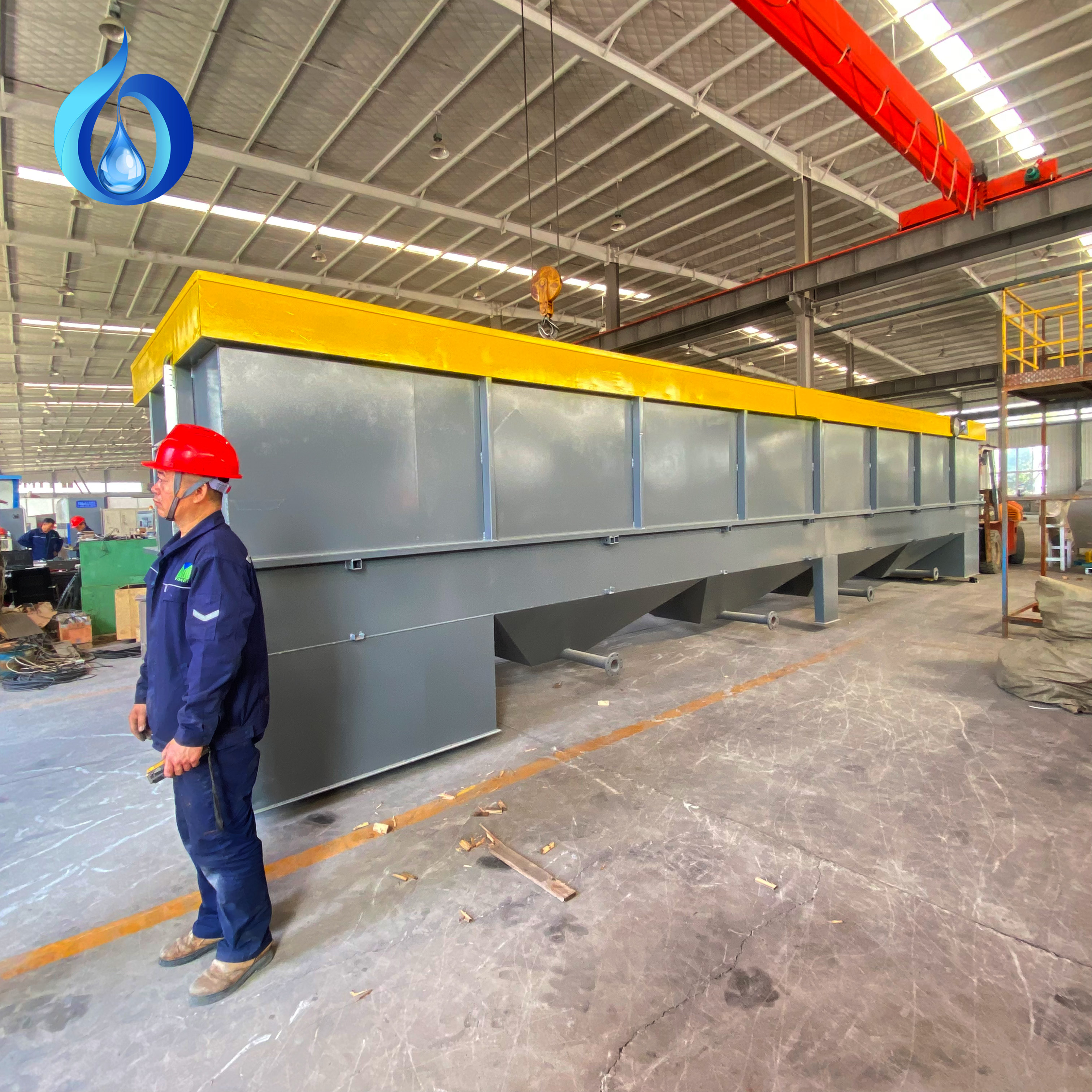
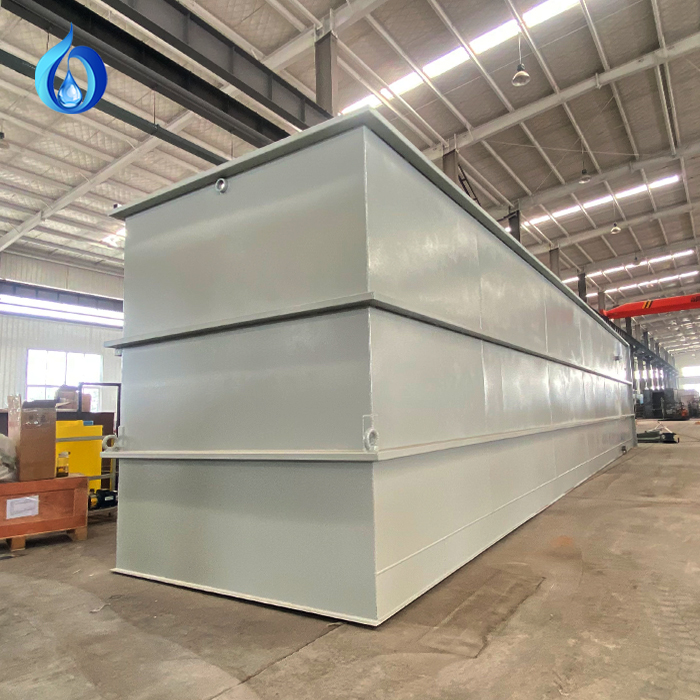
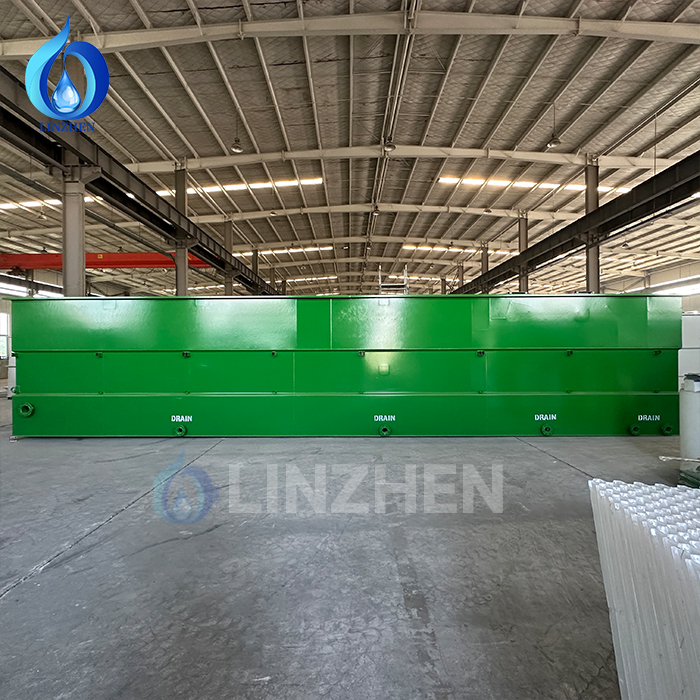
Modern commercial enterprises face increasing challenges in managing industrial discharge while keeping up with regulatory compliance and managing budgets. Traditional centralized water infrastructure requires huge capital expenditure, long construction timelines, and rigid configurations. For dynamic commercial enterprises, this rigidity limits long-term growth. Embracing modular wastewater treatment solutions provides a transformative path, enabling commercial enterprises to expand capacity step-by-step, balance infrastructure spending with cash flow, and achieve stringent environmental standards. Understanding why modular wastewater treatment systems appeal to growing enterprises involves evaluating scalability, financial performance, regulatory readiness, and space efficiency.
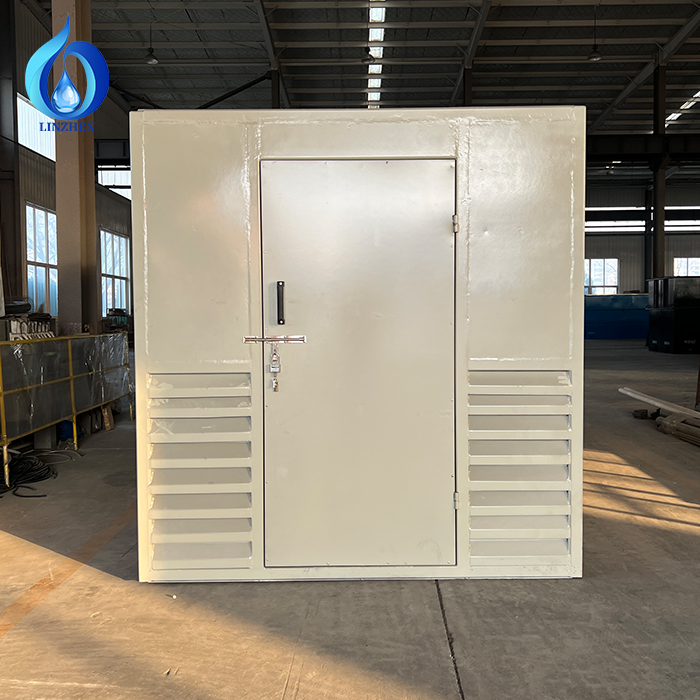
The core strength of modular wastewater treatment systems lies in their decentralized design model: configuring environmental infrastructure as flexible, interconnected units rather than a single fixed facility. As production output climbs, additional treatment modules can be added in stages, ensuring that infrastructure investments match operational demand. Aligning processing capacity with cash flow gives an expanding business a competitive advantage when scaling operations in shifting markets.
Scalability and Incremental Capacity Growth
Matching Infrastructure to Business Growth
Growing commercial enterprises frequently encounter shifting operational demands. Monolithic infrastructure forces companies to construct for maximum forecasted loads, locking up precious capital. Installing modular wastewater treatment units solves this issue by enabling facilities to deploy only the processing capacity required today. When output rises, extra filtration units are integrated alongside current modules, adding capacity without discarding existing assets.
This phased expansion strategy brings direct economic benefits to an expanding business. A facility processing 500,000 gallons daily can start with a targeted modular wastewater treatment system and expand step-by-step to 750,000 or one million gallons as demand warrants. Every addition reflects actual business demand rather than speculative projections, transforming capital planning into a manageable, data-backed strategy.
Avoiding Premature Obsolescence
Technological advancement presents another compelling reason to choose modular wastewater treatment equipment. Modern water treatment technologies and environmental standards are constantly evolving. Adopting modular wastewater treatment architecture enables facilities to upgrade individual components without tearing down the core installation. An older primary treatment unit can remain in operation while a high-efficiency advanced filtration unit is added to satisfy new environmental standards.
For any expanding business planning over a long timeline, this upgrade path provides enduring value. Rather than being constrained by fixed architecture, sites utilizing modular wastewater treatment units can continually modernize—adopting advancements in membrane systems, oxidation, and water recycling while protecting past capital investments.
Financial Efficiency and Capital Deployment Strategy
Reducing Upfront Capital Requirements
Capital availability is a common bottleneck during corporate expansion. Integrating modular wastewater treatment systems reduces the upfront cost barrier to full environmental compliance. Instead of requiring a massive single investment for an oversized plant, an expanding business deploys modular wastewater treatment units step-by-step, spreading capital costs over multiple fiscal periods while pairing infrastructure investments directly with incoming revenue streams.
This financial agility empowers commercial enterprises to allocate resources effectively. A manufacturing operation can fund initial modular wastewater treatment setups out of standard operational budgets while retaining primary funding for core production machinery. For an expanding business balancing competing priorities, the financial adaptability offered by modular wastewater treatment strategies proves essential for sustainable growth.
Optimizing Operational and Lifecycle Costs
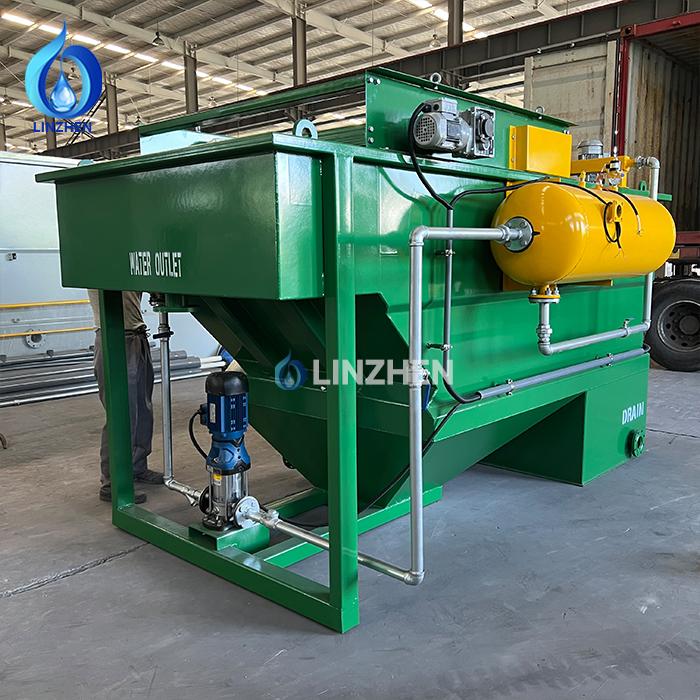
Beyond initial capital savings, modular wastewater treatment installations deliver continuous operational efficiencies. Modern modular wastewater treatment setups incorporate advanced automation, compact footprints, and high-efficiency processing options that reduce ongoing operating expenses. Servicing individual modular components costs significantly less than overhauling a centralized facility; technicians can isolate and maintain specific modules without shutting down the primary treatment line.
For an expanding business operating in competitive sectors, these cost reductions contribute directly to bottom-line performance. Advanced wastewater treatment solutions built on modular design principles deliver superior return on investment across their operational lifecycle while lowering monthly utility expenses.
Regulatory Compliance and Risk Mitigation
Meeting Evolving Environmental Standards
Environmental regulations grow stricter every year, with lower discharge thresholds and broader monitoring of emerging pollutants. Implementing modular wastewater treatment infrastructure minimizes regulatory risk, allowing managers to upgrade processing stages progressively as standards evolve. Adding a polishing module, tertiary filtration, or advanced nutrient removal can be accomplished easily within a modular framework.
This adaptability gives any expanding business a distinct advantage. A plant operating under standard municipal limits can leverage modular wastewater treatment options to quickly add capabilities for water reuse or meet zero liquid discharge standards without facing massive retrofits.
Demonstrating Environmental Stewardship
Customers, investors, and regulatory agencies demand higher corporate environmental accountability. Deploying a modular wastewater treatment framework reflects proactive strategy because it prioritizes scalable sustainability. Facilities that deploy modular wastewater treatment systems from early stages and continuously optimize performance demonstrate concrete environmental commitments that appeal to supply chain partners and corporate stakeholders.
Operational Flexibility and Site Constraints
Adapting to Physical Space Limitations
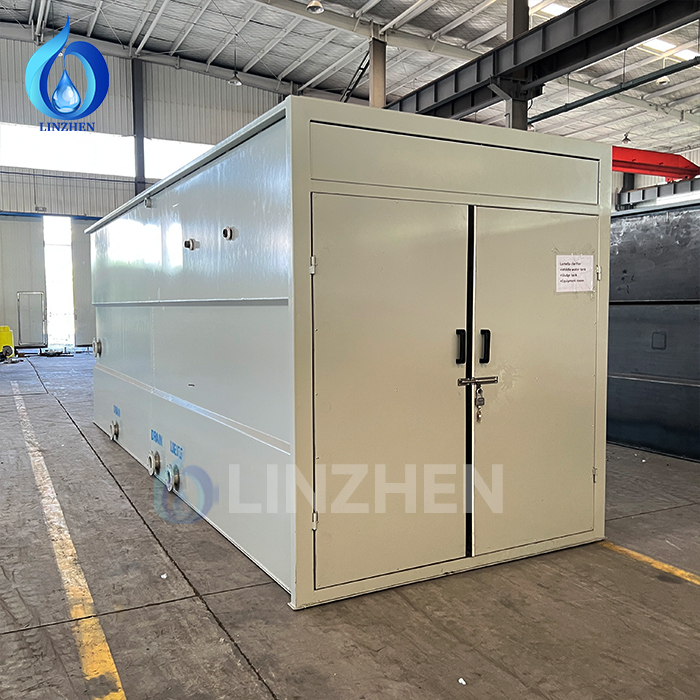
Growing commercial enterprises often operate on space-constrained sites with limited footprint for environmental utilities. Modern modular wastewater treatment units feature compact footprints by organizing processing into dense, optimized components. Stacked vertical modules deliver high-capacity processing within a fraction of the traditional footprint, enabling an expanding business to build compliance infrastructure without acquiring extra land.
Minimizing Operational Disruption
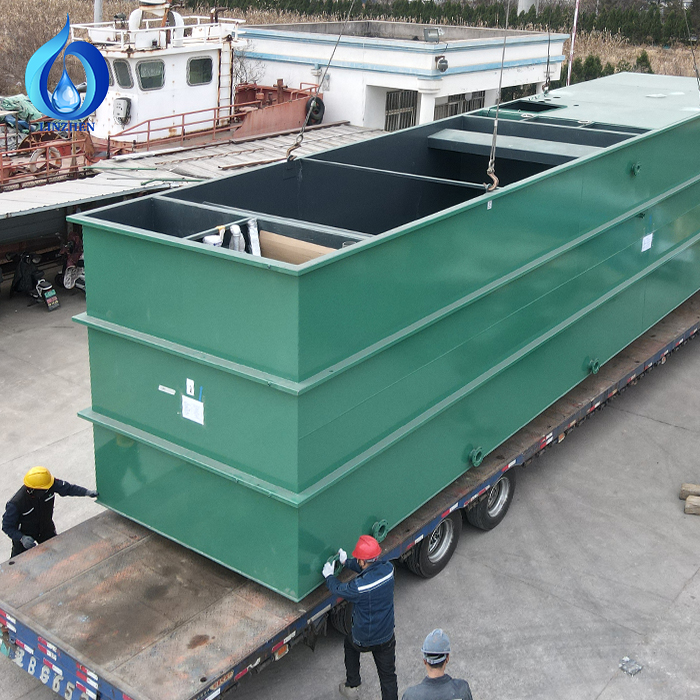
Halting plant production to build environmental utilities creates severe business disruption. Off-site manufactured modular wastewater treatment systems can be installed quickly alongside ongoing operations. Pre-tested modules are integrated rapidly, minimizing downtime. Furthermore, if an expanding business relocates operations, modular wastewater treatment components can be disconnected, relocated, and re-assembled efficiently.
FAQ
How do modular wastewater treatment solutions compare to conventional treatment systems in terms of installation time?
Modular wastewater treatment solutions offer dramatically faster deployment timelines. Modules are pre-assembled and factory-tested under controlled conditions before transport, reducing setup schedules from several months down to weeks. Phased modular wastewater treatment integration allows existing operations to continue without prolonged shutdowns.
Can modular wastewater treatment solutions handle variable flow rates and wastewater composition changes?
Yes, high-performance modular wastewater treatment systems handle variable loads effortlessly. Integrated automation and smart sensors allow independent module control. For an expanding business with seasonal production spikes, modular wastewater treatment systems adapt dynamically by cycling extra modules online only during peak flows.
What training and expertise do facility operators need to manage modular wastewater treatment solutions effectively?
Operating modern modular wastewater treatment systems usually requires less specialized labor than traditional processing plants thanks to automated control logic. Plant staff learn clear module-level operation protocols. Equipment vendors provide training, allowing standard operational teams to manage environmental compliance efficiently.
 EN
EN