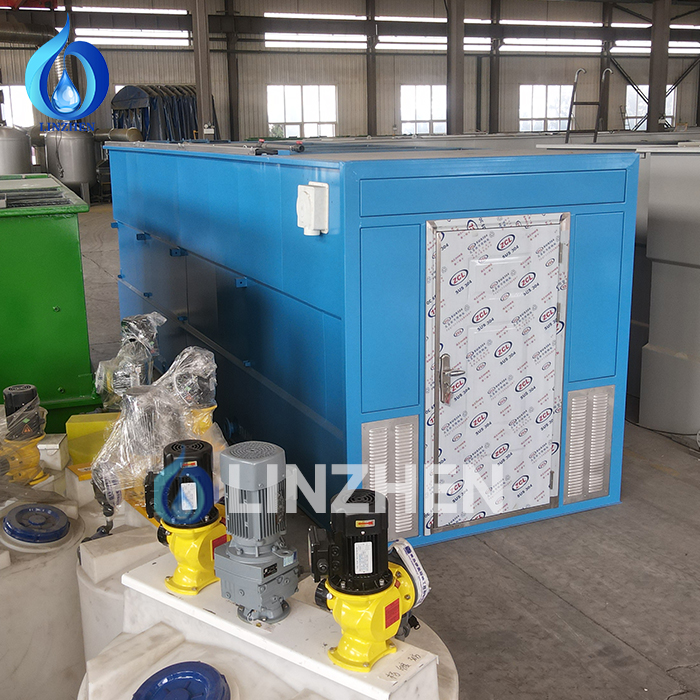
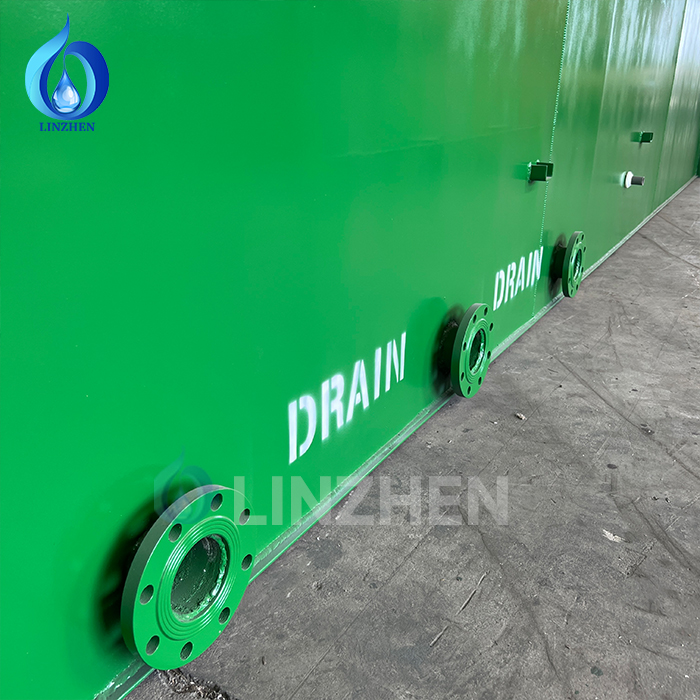
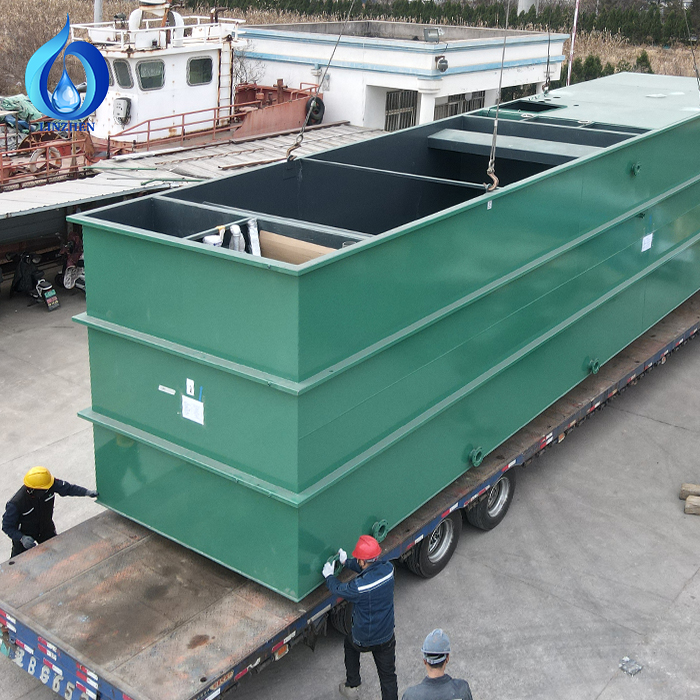
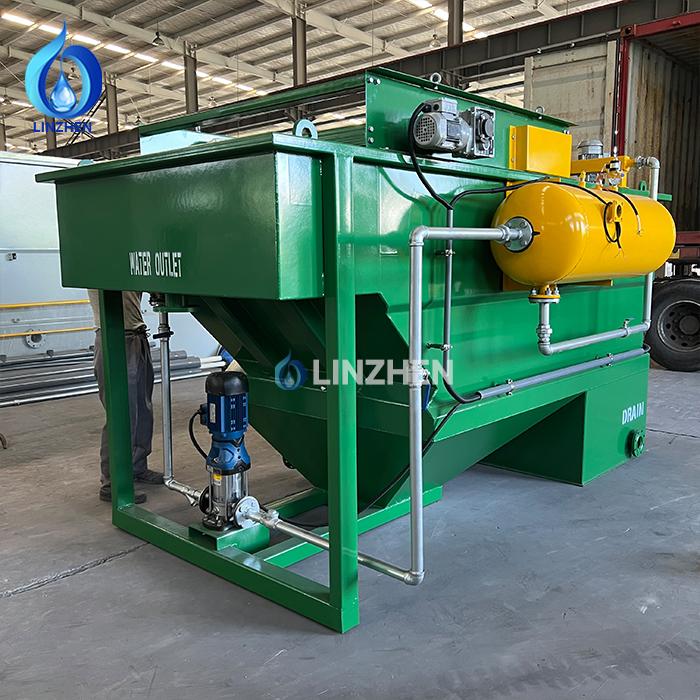
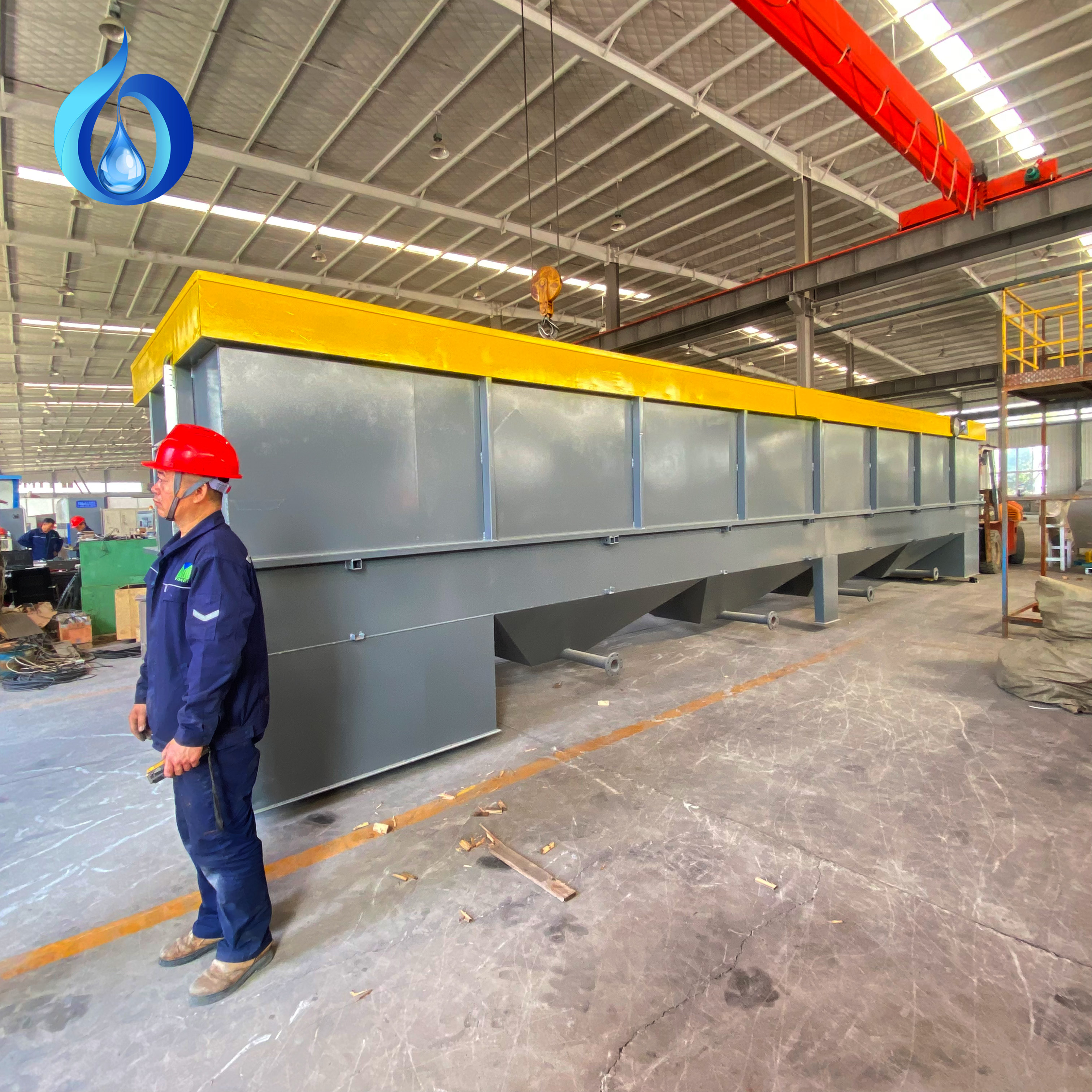
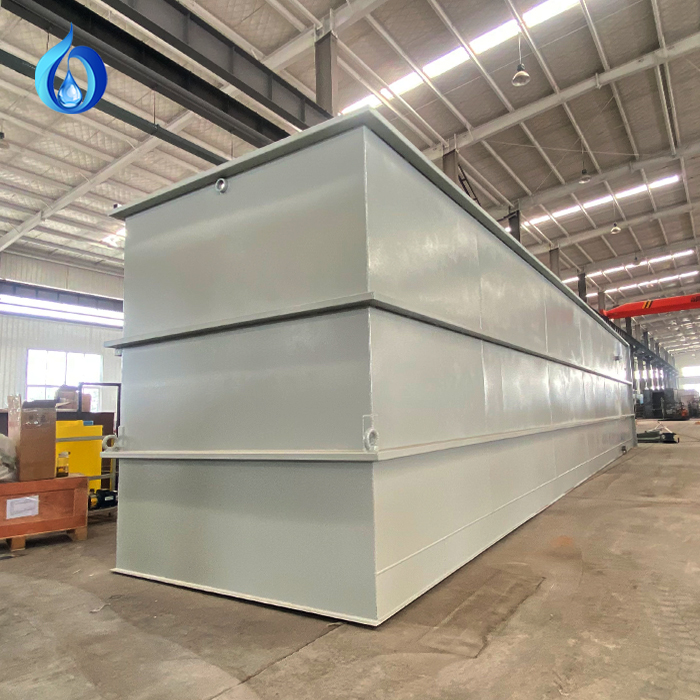
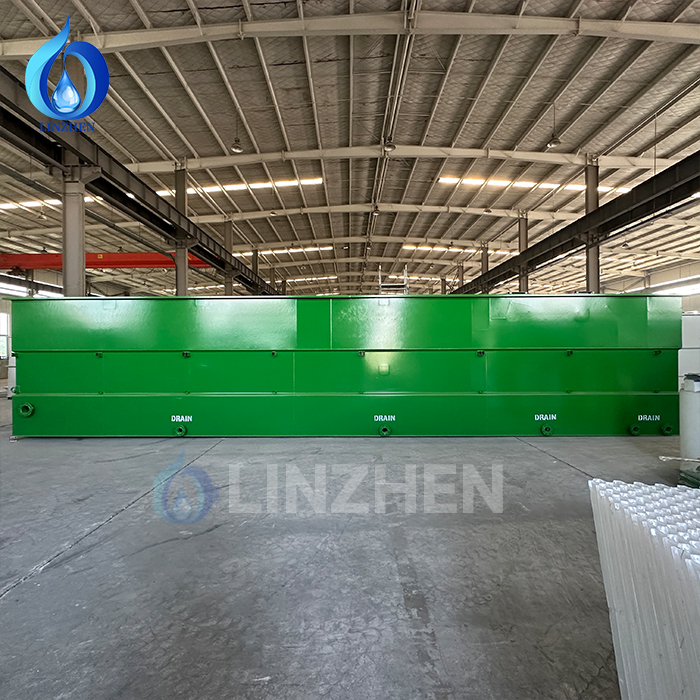
Expanding industrial facilities face significant operational challenges, particularly when managing effluent processing capacity alongside corporate growth objectives. Deploying a modern MBBR system offers a proven solution that achieves seamless wastewater treatment scalability while maintaining strict environmental compliance and high operational flexibility. As manufacturing throughput intensifies, traditional treatment methods often struggle to adapt without requiring massive civil retrofits or prolonged facility shutdowns. Understanding why a high-efficiency MBBR system excels during industrial plant expansion guides smart infrastructure investment and secures long-term cost optimization.
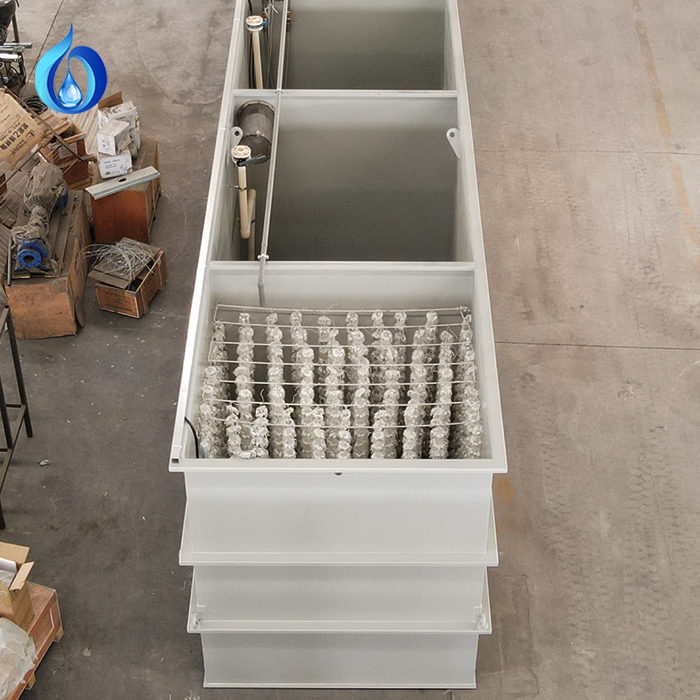
An MBBR system represents an advanced approach to biological treatment by integrating moving media carriers within aerated reactor basins. This innovative technology establishes a dynamic biofilm environment where specialized microorganisms continuously degrade complex organic pollutants. Delivering superior mass transfer within a compact wastewater treatment footprint, this hybrid design drastically reduces capital expenditure compared to conventional infrastructure. Industrial operators navigating site boundaries find that implementing a scalable MBBR system resolves capacity bottlenecks while future-proofing their environmental compliance strategy.
Scalability and Flexible Capacity Expansion
Modular Design for Incremental Growth
One of the primary reasons an MBBR system excels in expanding facilities is its inherent modular flexibility. Unlike rigid conventional infrastructure, an MBBR system can expand processing capacity by increasing media fill fractions within existing tanks or adding modular reactor vessels. This incremental approach allows growing plants to scale treatment capacity without replacing core civil assets, saving substantial construction time and capital. The adaptable architecture of an MBBR system enables engineers to fine-tune wastewater treatment scalability by modifying aeration rates, liquid retention times, and carrier loading ratios as production scales up.
Maintaining Treatment Quality During Expansion
When manufacturing plants increase production output, maintaining consistent effluent quality becomes vital for regulatory compliance. An MBBR system ensures stable biological performance across fluctuating hydraulic loads because attached biofilm communities resist shock loads better than suspended biomass. Even when an expanding facility increases discharge volume by thirty to fifty percent, the protected biofilm within the MBBR system maintains high pollutant removal rates. Evaluating MBBR vs activated sludge reveals that moving bed reactors provide superior biological buffering during rapid production ramp-up phases.
Space Efficiency and Fast Installation
Compact Footprint for Site Constraints
Many manufacturing operations undergo industrial plant expansion within constrained real estate boundaries where land acquisition is cost-prohibitive. Choosing a compact wastewater treatment solution like an MBBR system solves spatial constraints by achieving higher volumetric loading rates. Operating with active biomass concentrations three to four times higher than conventional systems, an MBBR system requires significantly smaller basin volumes. For space-limited factories, installing an MBBR system provides the required capacity growth without encroaching on valuable manufacturing or storage areas.
Rapid Installation and Operational Continuity
Growing industrial plants cannot tolerate long operational shutdowns during environmental utility upgrades. An MBBR system can be installed in parallel with existing infrastructure, ensuring continuous plant operation throughout construction. The simplified mechanical design of an MBBR system accelerates commissioning schedules compared to complex civil projects. Manufacturing facilities routinely add new MBBR system treatment trains while preserving daily factory production, protecting revenue streams during critical market expansion cycles.
Cost Effectiveness and Operational Economics
Lower Capital Investment for Capacity Addition
Capital efficiency is central to expansion planning, and the financial profile of an MBBR system is highly competitive. When comparing MBBR vs activated sludge, moving bed systems require substantially less concrete work, smaller clarifiers, and reduced earthwork. Blower equipment for an MBBR system operates with high oxygen transfer efficiency because fixed biofilms utilize dissolved oxygen effectively. Each incremental unit of capacity added to an MBBR system costs significantly less than expanding legacy activated sludge basins, optimizing total project payback.
Reduced Operating and Maintenance Expenses
Long-term operating expenses often surpass initial capital outlay in industrial environmental management. An MBBR system lowers electricity consumption through optimized biological aeration and high biomass retention. Sludge yield from an MBBR system is typically lower than conventional alternatives, reducing secondary handling, dewatering, and disposal costs. Automated process monitoring in modern MBBR system installations simplifies daily oversight, providing sustained economic advantages as industrial plant expansion increases total facility throughput.
Regulatory Compliance and Environmental Performance
Meeting Stricter Effluent Standards
Environmental discharge permits are continually tightening, forcing expanding factories to meet lower contaminant limits. An MBBR system delivers exceptional COD, nitrogen, and phosphorus removal, keeping growing operations well ahead of regulatory enforcement. The biological stability of an MBBR system eliminates permit exceedances that could trigger costly fines or production halts. Integrating an MBBR system during industrial plant expansion guarantees long-term compliance margins that protect corporate capital investments.
Process Reliability in Demanding Industrial Environments
Industrial wastewater streams frequently exhibit seasonal shifts, temperature variations, and chemical spikes. An MBBR system demonstrates remarkable resilience under variable conditions because specialized bacterial communities thrive within protected carrier structures. Operators can confidently deploy MBBR system technology across diverse sectors including food processing, chemical manufacturing, and pharmaceutical production, proving its long-term reliability for demanding applications.
FAQ
How does an MBBR system handle increased flow rates during industrial plant expansion?
An MBBR system handles higher flow rates by adjusting media fill fractions and aeration intensity. The inherent wastewater treatment scalability of an MBBR system allows operators to increase microbial density within existing tanks without requiring major civil engineering changes.
Why choose an MBBR vs activated sludge during facility upgrades?
Comparing MBBR vs activated sludge demonstrates that moving bed reactors require up to fifty percent less physical footprint, generate less waste sludge, and tolerate shock loads far better, making an MBBR system more cost-effective for expanding plants.
Can an MBBR system be retrofitted into existing treatment basins?
Yes, existing concrete tanks can easily be converted into an MBBR system by adding carrier media, retention sieves, and fine-bubble aeration networks. Retrofitting an MBBR system provides a compact wastewater treatment upgrade while reusing existing civil assets.
 EN
EN