A wastewater treatment plant represents a significant capital investment for municipalities and industrial operators. Without proper maintenance, even the most robust wastewater treatment plant system deteriorates rapidly, leading to costly failures, regulatory violations, and service interruptions. Strategic maintenance practices directly determine whether a facility operates efficiently for decades or faces premature replacement. The difference between a well-maintained system and a neglected one often spans 10 to 15 years of useful life.
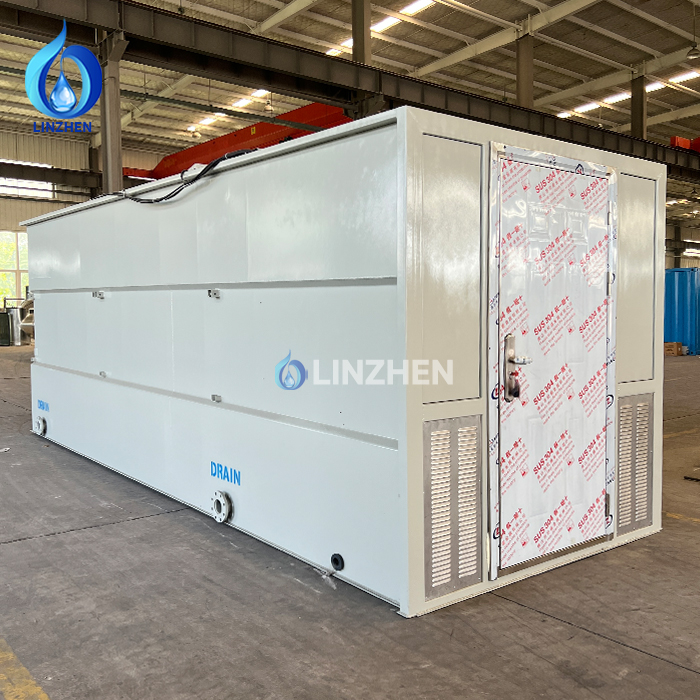
Extending wastewater treatment plant longevity requires a systematic approach combining preventive maintenance, equipment inspection protocols, chemical management, and operator training. Organizations that adopt comprehensive care strategies report significantly lower unplanned downtime, reduced repair costs, and improved treatment quality. This article explores proven practices that maximize asset life while improving operational performance.
Preventive Maintenance Programs for Wastewater Treatment Plant Systems
Scheduled Equipment Inspections
Regular inspections form the foundation of any successful wastewater treatment plant care program. Operators must establish fixed inspection intervals for critical equipment, including pumps, blowers, clarifiers, and biological reactors. A facility that follows a monthly inspection schedule catches developing issues before they become catastrophic failures. Detailed checklists ensure consistency and prevent oversight of critical components that degrade gradually over time.
Documentation of all equipment inspections creates a historical record that reveals wear patterns and recurring problems. This data informs decisions about component replacement timing, helping operators retire machinery before it fails unexpectedly. Many facilities use computerized maintenance management systems to track inspections systematically across all plant subsystems.
Lubrication and Bearing Care
Proper lubrication extends bearing and pump life significantly within a wastewater treatment plant. Contaminated or depleted lubricant causes accelerated wear in rotating equipment, reducing bearing life by 50 percent or more. System managers should maintain a lubrication schedule specifying oil types, quantities, and intervals for each machinery piece. Quarterly oil analysis of critical rotating assets detects early wear particles and moisture contamination before catastrophic failure occurs.
The harsh operating environment inside a wastewater treatment plant accelerates lubricant degradation through moisture ingestion, microbial growth, and oxidation. Sealed bearing housings and drip guards prevent rain and liquid splash from compromising lubrication systems. A disciplined lubricant management program reduces bearing replacement frequency by 30 to 40 percent.
Corrosion Control and Material Preservation in Wastewater Treatment Operations
Protective Coating Systems
Corrosion represents one of the most significant threats to wastewater treatment plant infrastructure longevity. Steel tanks, pipelines, and structural steel exposed to wet, acidic, and sulfide-rich environments degrade rapidly without protection. Industrial-grade epoxy and polyurea coatings preserve concrete and steel structures, extending operational life by 20 to 30 years. Coating inspections should occur annually, with repairs made immediately when peeling or cracking appears.
A wastewater treatment plant operating in coastal or industrial areas faces accelerated corrosion from airborne chlorides and sulfur compounds. Applying appropriate coating systems before exposure begins proves far more cost-effective than attempting restoration after significant corrosion occurs. Stainless steel components for critical piping and fittings eliminate corrosion problems entirely, though higher material costs require justified application to the most vulnerable sections.
Drain and Sediment Management
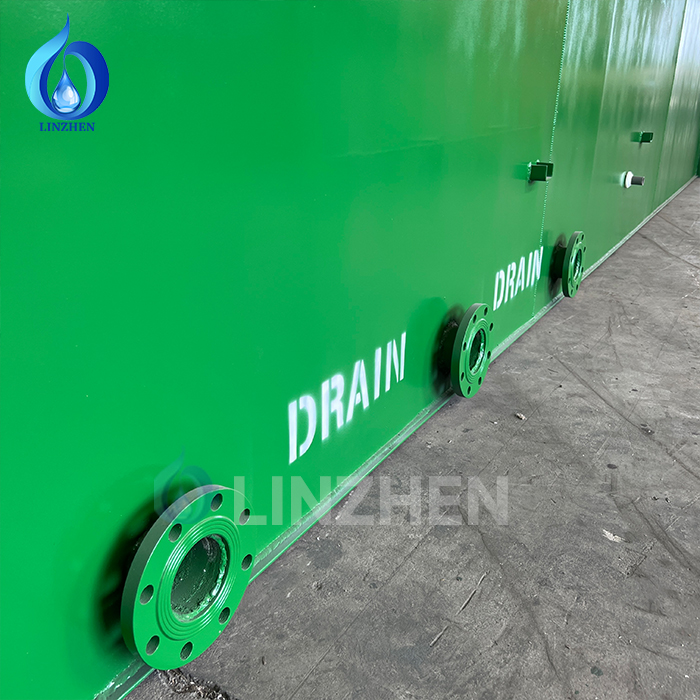
Accumulated sediment and standing water inside tanks promote corrosion and provide habitat for odor-causing organisms within a wastewater treatment plant. Regular draining and cleaning of settling tanks, clarifiers, and storage vessels prevents buildup that compounds both corrosion and operational problems. Facilities should schedule draining and cleaning operations quarterly or as influent characteristics require.
Sludge and grit accumulation accelerates wear on pumps and mechanical equipment throughout the wastewater treatment plant. Removing settled solids prevents abrasive particles from damaging impellers and seals in pumping systems. Operators should monitor sludge depth regularly in every basin across the facility.
Biological System Stability and Nutrient Management for Plant Efficiency
Microbial Community Monitoring
The microbial ecosystem within biological treatment systems represents the living engine of a wastewater treatment plant. Maintaining stable conditions for these organisms prevents process breakdown and ensures consistent effluent quality. Dissolved oxygen levels, pH, temperature, and food-to-microorganism ratios require constant monitoring to prevent shock conditions that crash the biological process.
Operators should conduct microscopic examination of mixed liquor from the biological reactor at least weekly to assess the health of protozoa and filamentous bacteria. Changes in microbial community composition indicate emerging problems such as organic overload or nutrient deficiency within the wastewater treatment plant. Correcting these conditions promptly prevents days or weeks of reduced performance across the entire facility.
Chemical Addition and Feed System Care
Chemical dosing systems within a wastewater treatment plant require meticulous maintenance to ensure consistent nutrient and pH adjustment. Coagulant and polymer feed lines must be flushed regularly to prevent crystallization and blockages that disrupt process efficiency. Facilities should stockpile backup chemical supplies and maintain redundant feed pumps for critical dosing lines.
Chemical storage tanks within the wastewater treatment plant require secondary containment and regular inspection for leaks or degradation. Expired chemicals compromise treatment quality and may damage feed equipment. Quarterly audits of chemical inventory and feed system operation prevent surprises that disrupt treatment function.
FAQ
How often should major equipment in a wastewater treatment plant be replaced?
Equipment replacement intervals vary based on operating conditions, maintenance quality, and equipment type. Pumps typically last 5 to 10 years with proper care in a wastewater treatment plant, while blowers may reach 8 to 12 years. Control systems may require replacement every 15 to 20 years as electronics age. Preventive maintenance extends these intervals by 20 to 30 percent compared to industry averages.
What is the cost impact of poor maintenance on a wastewater treatment plant?
Neglecting wastewater treatment plant maintenance typically increases operating costs by 15 to 25 percent due to emergency repairs, reduced efficiency, and premature equipment failure. A single catastrophic equipment breakdown can cost $50,000 to $250,000 or more depending on system complexity. Investing in preventive care recovers the program cost within two to three years through reduced emergency spending.
Can operator training improve wastewater treatment plant longevity?
Skilled operators extend wastewater treatment plant life significantly by detecting problems early and responding appropriately to changing conditions. Training programs teaching proper facility operation, equipment care, and troubleshooting improve process reliability measurably. Facilities with well-trained staff report 20 to 30 percent fewer breakdowns than those with minimally trained operators.
 EN
EN