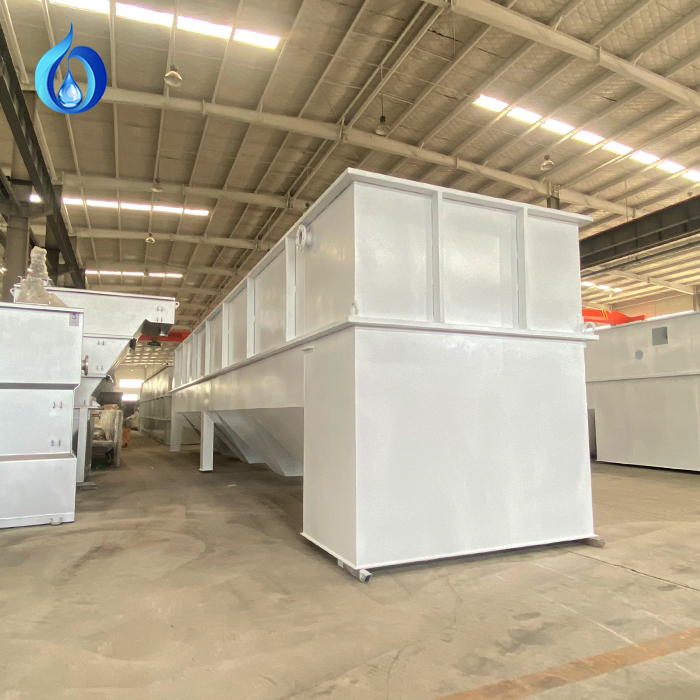
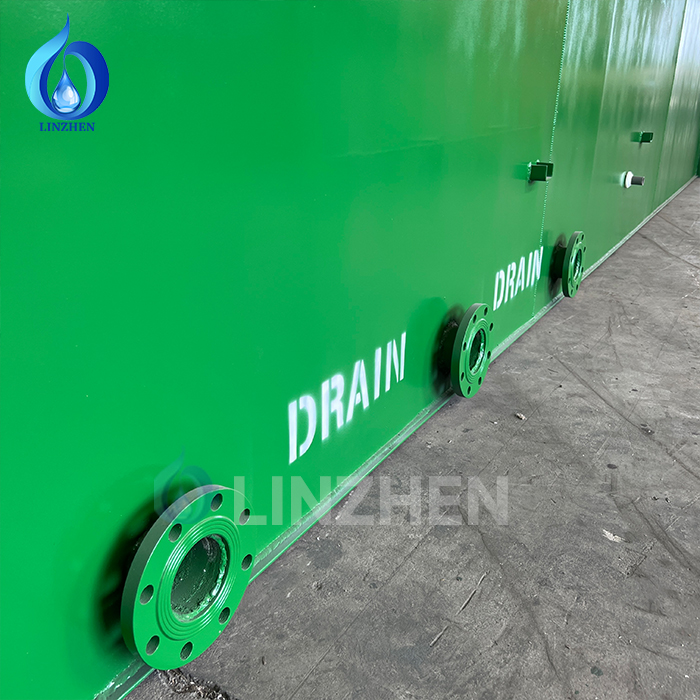
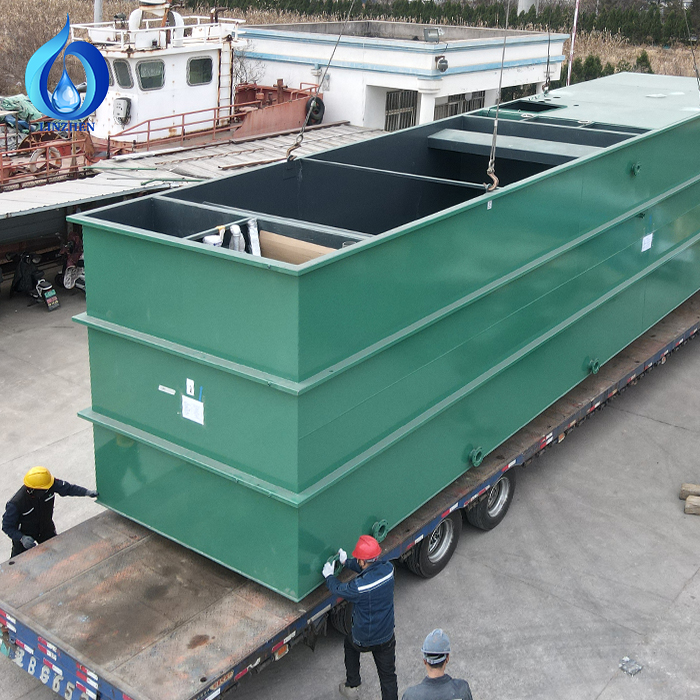
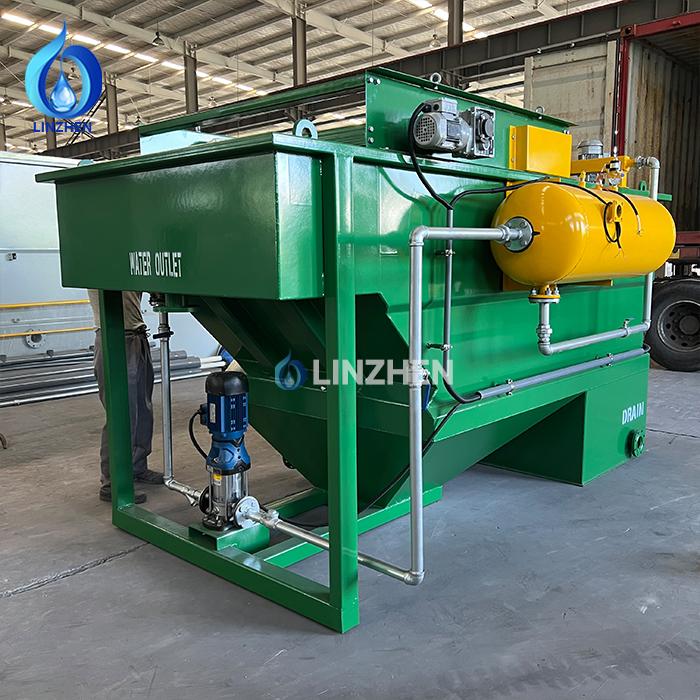
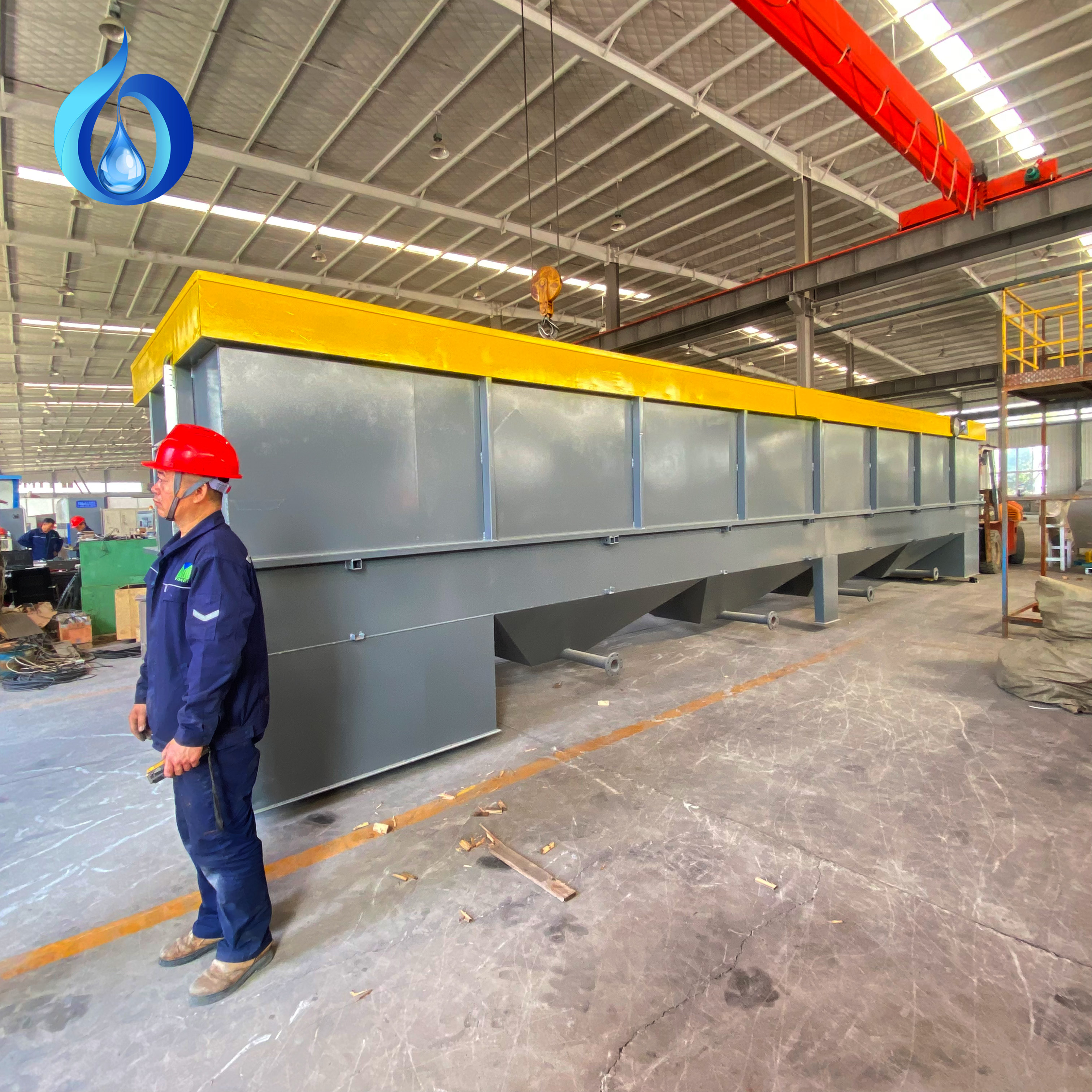
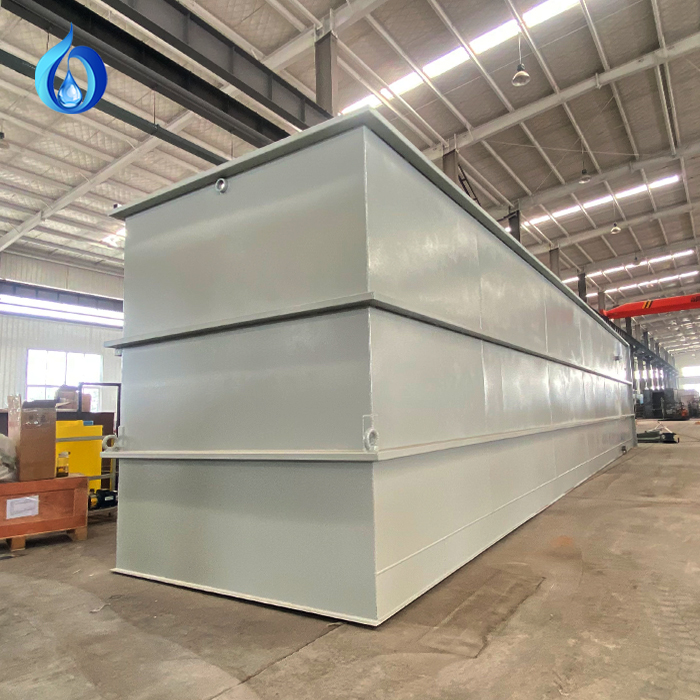
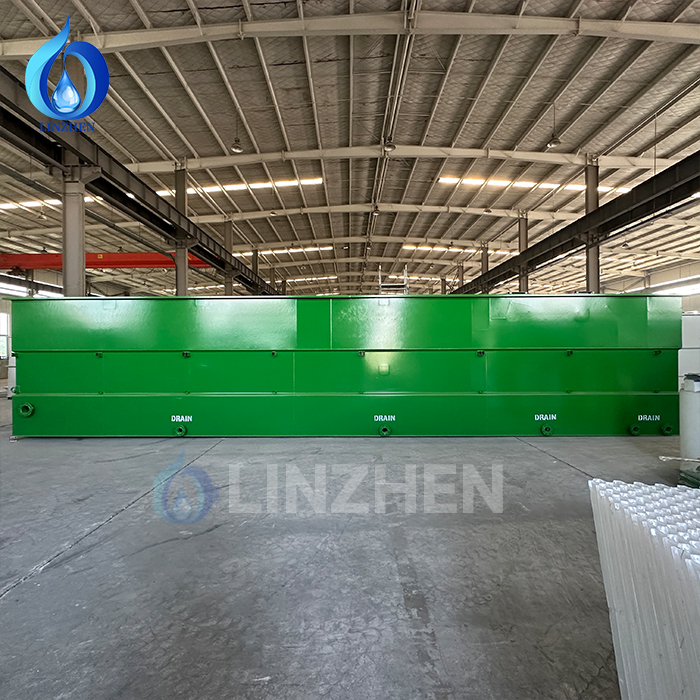
Industrial water treatment demands efficient separation of solids from liquids at scale, and a high-performance inclined settler has emerged as a critical technology for achieving high throughput while maintaining a compact footprint. Understanding the operational lamella clarifier flow rate capacity is essential for plant designers, process engineers, and facility managers who need to match treatment equipment with daily production volume. Operating flow rates directly determine whether a settlement basin can handle peak factory hydraulic demand without compromising solid-liquid separation efficiency or effluent quality standards.
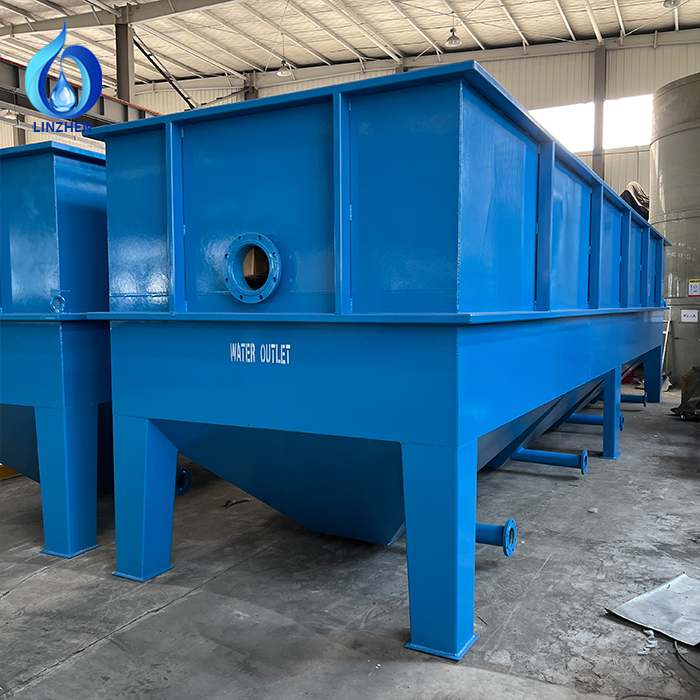
The actual processing capacity of a continuous sedimentation system is governed by several structural parameters, including plate gap spacing, angle of inclination, active surface area, and particle settling speed. In modern industrial water treatment, typical inclined plate units handle a surface loading rate between 40 and 150 cubic meters per square meter per day. However, these baseline figures vary based on water viscosity, influent suspended solids concentrations, and required discharge clarity. Establishing an accurate lamella clarifier flow rate ensures sustainable operation across demanding manufacturing environments.
Engineering Fundamentals of Lamella Clarifier Flow Rate Capacity
Surface Loading Rate Calculations and Plate Geometry
The core determinant of the overall lamella clarifier flow rate is the active surface loading rate, which quantifies the fluid volume processed per unit of effective projected plate area over time. Inclined plate technology achieves superior throughput by multiplying available settling space within a compact vessel. While traditional circular sedimentation tanks require large footprints, inclined plates stacked at 45 to 60-degree angles dramatically increase the effective settling area without expanding physical floor space. Precise clarifier design requires calculating total plate coverage to establish the maximum hydraulic lamella clarifier flow rate achievable without inducing fluid turbulence.
Operating at an excessive lamella clarifier flow rate leads to short-circuiting, where rapid liquid cross-currents sweep light particles past the inclined plates before settling occurs. Conversely, running a unit significantly below its rated lamella clarifier flow rate capacity underutilizes capital investment and reduces operational efficiency. Optimal industrial water treatment systems target a moderate surface loading rate—typically 60 to 100 cubic meters per square meter per day for standard suspended solids, while reserving higher lamella clarifier flow rate thresholds for heavy, fast-settling mineral particles.
Particle Settling Dynamics and Influent Variability
The maximum sustainable lamella clarifier flow rate depends heavily on the terminal settling velocity of incoming suspended particles. Systems processing coarse, heavy solids like sand or metal scale can maintain a elevated lamella clarifier flow rate without sacrificing clarity. In contrast, units handling colloidal organic matter or fine chemical flocs require a lower lamella clarifier flow rate to ensure adequate particle residence time. Analyzing particle size distribution and fluid density during initial clarifier design enables engineers to predict maximum hydraulic throughput for full-scale installation.
Diverse industrial sectors face different hydraulic limits when establishing an optimal lamella clarifier flow rate. Quarry wash plants handling dense stone particles sustain higher lamella clarifier flow rate limits, whereas chemical plants treating low-density flocs must lower their surface loading rate. Water temperature also alters performance; cold influent increases water viscosity, slowing particle settling speeds and requiring a reduced lamella clarifier flow rate during winter operating cycles to maintain compliance in wastewater clarification.
Sector-Specific Flow Rate Benchmarks in Industrial Water Treatment
Mining, Aggregates, and Heavy Mineral Processing
Mining operations and aggregate wash plants frequently utilize high-capacity lamella clarifier equipment to manage high-volume slurry streams. In these heavy-duty applications, a robust lamella clarifier flow rate operates effectively at a high surface loading rate of 80 to 150 cubic meters per square meter per day. Because mineral particles possess high specific gravity, rapid gravitational separation allows the system to process substantial volume while maintaining high clarity in industrial water treatment reuse loops.
In mineral processing circuits, maintaining a consistent lamella clarifier flow rate prevents fine clay particles from escaping into recycled wash water. Facilities handling fluctuating slurry feeds size their equipment to accommodate peak hydraulic spikes, ensuring the lamella clarifier flow rate remains within safe operational boundaries. Proper engineering safeguards the inclined plate packs from scour and prevents solids carryover during high-tonnage production shifts.
Municipal and Industrial Wastewater Clarification
Municipal facilities and industrial processing plants rely on compact inclined settlers for biological sludge separation and tertiary polishing. For secondary effluent polishing, a conservative lamella clarifier flow rate corresponding to a surface loading rate of 40 to 80 cubic meters per square meter per day is standard. Because biological flocs are shear-sensitive and lightweight, controlling the internal lamella clarifier flow rate prevents floc breakage and preserves high efficiency in wastewater clarification processes.
Retrofitting conventional settling basins with inclined plates dramatically upgrades plant hydraulic capacity without requiring extra real estate. Upgraded basins achieve double or triple their original throughput while maintaining a controlled lamella clarifier flow rate. Properly managing diurnal flow spikes ensures that peak morning and evening hydraulic surges do not exceed the design limits of the wastewater clarification system.
Optimization Strategies for Maximum Flow Throughput
Hydraulic Distribution and Sludge Management
Maximizing the operational lamella clarifier flow rate requires uniform fluid distribution at the tank inlet. Poor inlet baffle configuration causes localized high-velocity channels, reducing the effective settling area and lowering the maximum achievable lamella clarifier flow rate. Modern clarifier design incorporates hydraulic energy dissipators and lateral distribution channels, ensuring even flow across all plate gaps and optimizing industrial water treatment throughput.
Effective bottom sludge removal also impacts the maximum sustainable lamella clarifier flow rate. Continuous sludge removal prevents heavy solids buildup on lower plate edges, preserving active settling channels. If sludge extraction lags behind settling rates, accumulation restricts fluid passage and forces a reduction in the working lamella clarifier flow rate. Routine scraper maintenance guarantees consistent performance across continuous processing cycles.
FAQ
What is the standard lamella clarifier flow rate in industrial water treatment?
Typical lamella clarifier flow rate capacities correspond to a surface loading rate of 40 to 150 cubic meters per square meter per day. General industrial water treatment applications target 60 to 100 m³/m²/day, while heavy mineral applications sustain higher rates due to rapid particle settling velocity.
How does surface loading rate affect lamella clarifier flow rate capacity?
The surface loading rate defines the volume of water processed per square meter of effective plate area per day. Calculating this metric during clarifier design prevents hydraulic overloading and ensures that the lamella clarifier flow rate remains aligned with particle settling dynamics for effective wastewater clarification.
Can a lamella clarifier handle variable flow rates during peak plant operations?
Yes, proper clarifier design incorporates safety factors to absorb peak hydraulic surges. Designing for maximum anticipated lamella clarifier flow rate conditions prevents solids carryover during sudden volume increases, maintaining consistent effluent quality throughout variable production schedules.
 EN
EN