Dairy and cheese manufacturing facilities generate substantial volumes of organic-rich wastewater that demands specialized handling. Standard municipal treatment systems often prove inadequate for the complex composition of dairy effluent, requiring customized wastewater treatment solutions tailored to your specific production processes and regulatory compliance needs.
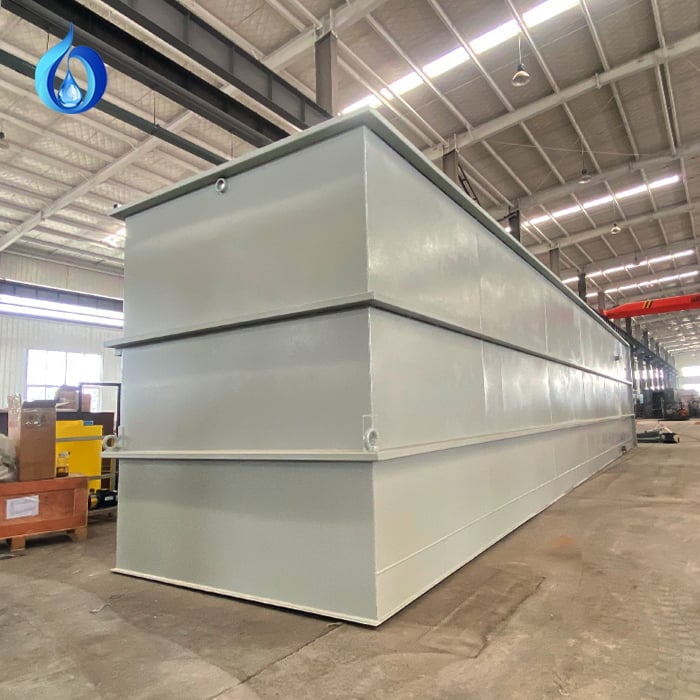
The dairy and cheese industry produces wastewater with high biochemical oxygen demand, suspended solids, and nutrient concentrations. Effective wastewater treatment solutions for these operations must address milk proteins, fats, lactose, and cleaning chemicals that characterize dairy effluent. Understanding which custom wastewater treatment solutions fit your facility requires evaluating production capacity, existing infrastructure, discharge regulations, and long-term sustainability goals.
Identifying Your Facility's Specific Treatment Requirements
Assessing Production Characteristics and Wastewater Composition
Each dairy or cheese making facility generates wastewater with unique characteristics depending on production methods, product mix, and cleaning protocols. Fluid milk processing creates different effluent profiles than cheese production, yogurt manufacturing, or whey processing. Your wastewater treatment solutions must be customized to handle these variations, with proper pretreatment stages designed specifically for your production lines. Analyzing your facility's daily flow rates, seasonal production fluctuations, and specific contaminant concentrations forms the foundation for selecting appropriate wastewater treatment solutions.
Regulatory Compliance and Local Discharge Standards
Local environmental regulations dictate the quality standards your treated effluent must meet before discharge or reuse. Different regions impose varying limits on chemical oxygen demand, total suspended solids, nitrogen, phosphorus, and pathogenic organisms. Custom wastewater treatment solutions must be engineered to consistently achieve your jurisdiction's specific discharge requirements while maintaining operational reliability. Compliance failures result in penalties, production stoppages, and reputational damage, making regulatory alignment essential when selecting wastewater treatment solutions for your dairy facility.
Core Components of Tailored Wastewater Treatment Solutions
Primary Treatment and Screening Stages
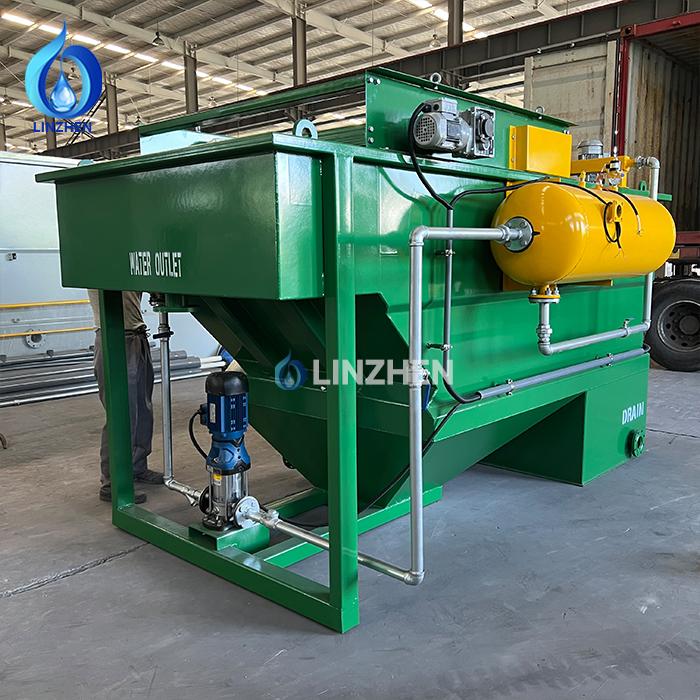
Effective wastewater treatment solutions for dairy facilities begin with robust screening and fat separation systems. Coarse screens remove large debris and packaging materials, while dissolved air flotation or mechanical separators extract fats and oils that would otherwise impair downstream treatment. Custom wastewater treatment solutions incorporate these primary stages with appropriately sized equipment matched to your peak flow rates. This initial treatment phase prevents equipment damage, reduces organic loading on biological reactors, and improves overall system efficiency.
Biological Treatment for Organic Degradation
Biological treatment represents the core of most wastewater treatment solutions for dairy operations, utilizing microorganisms to decompose organic compounds. Activated sludge systems, membrane bioreactors, or sequencing batch reactors form the treatment core depending on your specific requirements and space constraints. Custom wastewater treatment solutions optimize aeration, detention time, and sludge handling to maximize efficiency for dairy waste characteristics. Extended aeration, oxidation ditches, or specialized dairy-focused reactor designs ensure reliable performance across seasonal production variations.
Polishing and Advanced Treatment Stages
Many facilities require tertiary treatment stages beyond biological processes to achieve stringent discharge standards or enable water reuse. Tertiary wastewater treatment solutions may include sand filtration, multimedia filters, or advanced oxidation processes for enhanced pathogen removal and nutrient reduction. Customized wastewater treatment solutions incorporating nutrient recovery, membrane filtration, or disinfection stages allow dairy facilities to meet increasingly strict environmental requirements while potentially recovering valuable byproducts.
Selecting the Right Wastewater Treatment Solutions for Your Facility
Capacity Planning and System Scalability
Properly sized wastewater treatment solutions must accommodate both average daily flows and peak operational demands. Cheese manufacturing typically generates concentrated wastewater during product runs, requiring treatment systems engineered for these fluctuations. Modular custom wastewater treatment solutions allow capacity expansion as production grows, avoiding expensive future retrofits or complete system replacement. Scalable wastewater treatment solutions provide long-term flexibility while maintaining cost-effectiveness for facilities planning future growth.
Operational Simplicity and Maintenance Requirements
The best wastewater treatment solutions balance treatment effectiveness with practical operational demands on your facility staff. Overly complex systems require specialized training, frequent maintenance, and higher labor costs, while under-engineered wastewater treatment solutions fail to achieve compliance or reliability. Custom-designed wastewater treatment solutions match your facility's operational capacity and maintenance expertise, incorporating automation where appropriate to reduce manual intervention. User-friendly controls, reliable equipment suppliers, and local technical support ensure your wastewater treatment solutions operate consistently without disrupting production schedules.
Financial Considerations and Cost Optimization
Capital expenditure, annual operating costs, and potential revenue from recovered byproducts all factor into wastewater treatment solutions selection. Custom wastewater treatment solutions engineered specifically for dairy operations often prove more cost-effective long-term than oversized municipal-grade systems or inadequately sized solutions requiring frequent remediation. Energy consumption, chemical requirements, sludge disposal costs, and maintenance expenses should be projected over your system's operational lifespan. Some advanced wastewater treatment solutions enable nutrient recovery or biogas generation, creating revenue opportunities that offset treatment costs.
Specialized Wastewater Treatment Solutions for Cheese and Dairy Operations
Whey Processing and High-Strength Effluent Management
Cheese production generates extremely high-strength whey streams requiring specialized pretreatment within your wastewater treatment solutions. Ultrafiltration, reverse osmosis, or other membrane technologies may precede biological treatment in custom wastewater treatment solutions handling concentrated whey. These specialized wastewater treatment solutions recover valuable whey proteins while significantly reducing organic loading on main treatment trains. Stand-alone whey treatment integrated into your facility's overall wastewater treatment solutions improves both environmental performance and product recovery economics.
Seasonal Production Variations and Flow Equalization
Many dairy facilities experience significant seasonal production variations requiring wastewater treatment solutions with substantial storage or equalization capacity. Summer milk abundance or seasonal cheese production creates peak loads that properly designed wastewater treatment solutions manage through buffering tanks and automated process control. Custom wastewater treatment solutions incorporating equalization stages smooth treatment loads, improve biological system performance, and enhance compliance reliability during peak production periods.
FAQ
What makes wastewater treatment solutions for dairy factories different from general industrial systems?
Dairy wastewater contains high concentrations of proteins, fats, and lactose requiring specialized wastewater treatment solutions that most general industrial systems cannot adequately handle. Standard municipal treatment equipment often proves overwhelmed by milk processing waste, necessitating custom wastewater treatment solutions engineered specifically for dairy industry challenges. Dairy-specialized wastewater treatment solutions incorporate extended aeration, enhanced fat removal, and nutrient management tailored to milk and cheese production characteristics.
How do I know if my current wastewater treatment solutions are adequate for future growth?
Evaluate whether your existing wastewater treatment solutions consistently meet regulatory requirements with design margin, maintain stable performance under peak loads, and provide space for equipment upgrades. If current wastewater treatment solutions operate near maximum capacity, struggle with regulatory compliance during high-production periods, or lack room for expansion, custom replacement systems should be considered now rather than after failures occur. Forward-looking facility managers assess current wastewater treatment solutions against five-year production projections to determine if upgrades or complete system replacement proves necessary.
Can wastewater treatment solutions be designed to recover valuable byproducts from dairy waste?
Advanced custom wastewater treatment solutions can incorporate nutrient recovery, protein extraction, and biogas generation, converting dairy waste streams into revenue-generating byproducts. Specialized wastewater treatment solutions utilizing membrane technologies and anaerobic digestion recover proteins, reduce disposal costs, and create energy through biogas production. While more sophisticated wastewater treatment solutions require higher initial investment, recovered product value often justifies the expense while improving overall facility sustainability.
 EN
EN