Modern sewage treatment relies on sophisticated biological processes that harness the power of microorganisms to remove contaminants and transform wastewater into cleaner discharge. These sewage treatment methods are fundamental to protecting public health and maintaining environmental sustainability in both municipal and industrial applications. Understanding the biological mechanisms behind sewage treatment processes is essential for facility operators, environmental engineers, and decision-makers responsible for wastewater management infrastructure.
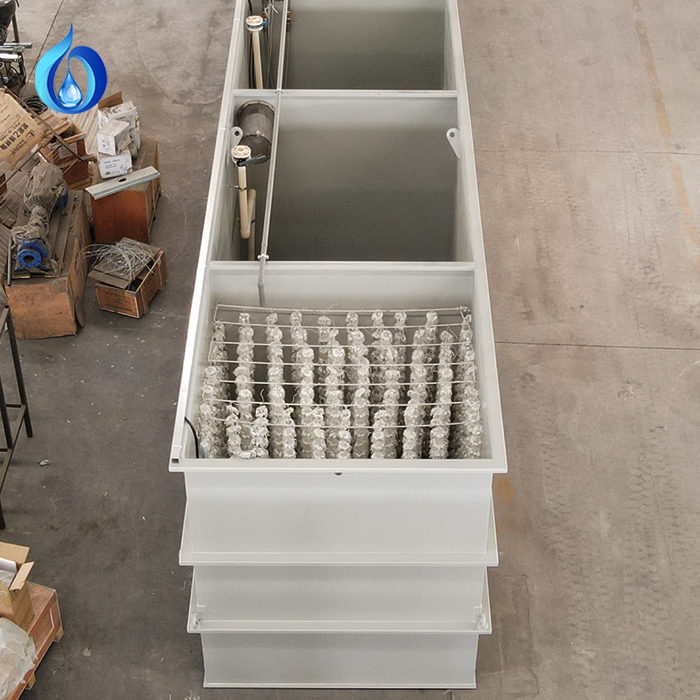
The effectiveness of sewage treatment depends on maintaining optimal conditions for microbial activity, including proper aeration, nutrient balance, and retention time within treatment vessels. Biological sewage treatment processes have evolved significantly over the past decades, incorporating advanced oxygen transfer technologies and mixed-media filtration systems that enhance treatment efficiency. Today's sewage treatment facilities integrate multiple biological stages to achieve superior effluent quality while minimizing operational costs and environmental impact.
Aerobic Degradation in Sewage Treatment Systems
Activated Sludge and Microbial Metabolism
Activated sludge represents the most widely deployed biological process in sewage treatment facilities worldwide. This sewage treatment method relies on suspended microorganisms that consume organic matter and nitrogen compounds while consuming dissolved oxygen. The activated sludge process in sewage treatment creates a dynamic microbial community where heterotrophic bacteria break down carbonaceous waste, while autotrophic nitrifiers convert ammonia into nitrate forms that are easier to remove. Proper sewage treatment using activated sludge requires continuous aeration to maintain dissolved oxygen levels between two and four milligrams per liter, ensuring microbial respiration and substrate degradation remain efficient.
Extended Aeration and Organic Matter Reduction
Extended aeration in sewage treatment extends the retention period of wastewater in the aeration basin, allowing complete oxidation of organic compounds and advanced nitrification. This sewage treatment approach reduces the concentration of biochemical oxygen demand, a critical parameter indicating the amount of biodegradable organic matter. Extended aeration sewage treatment systems typically require longer retention times, ranging from eighteen to thirty-six hours, compared to conventional sewage treatment designs. The extended retention period in sewage treatment facilities allows heterotrophic microorganisms sufficient time to consume all readily available organic substrates, resulting in cleaner effluent discharge into receiving waters.
Anoxic and Anaerobic Biological Processes in Sewage Treatment
Denitrification and Nitrogen Removal Through Sewage Treatment
Anoxic sewage treatment zones utilize heterotrophic bacteria that consume residual organic carbon while reducing nitrate to nitrogen gas in absence of dissolved oxygen. This sewage treatment mechanism, called denitrification, effectively removes nitrogen from wastewater before environmental discharge, preventing eutrophication in receiving water bodies. Modern sewage treatment plants incorporate anoxic chambers sequenced before aerobic basins, allowing nitrified effluent from aerobic sewage treatment stages to enter anoxic zones where denitrifying bacteria complete the nitrogen removal cycle. The integration of anoxic sewage treatment stages with aerobic treatment significantly improves total nitrogen removal efficiency, often achieving removal rates exceeding ninety percent in comprehensive sewage treatment facilities.
Anaerobic Digestion in Sewage Treatment
Anaerobic digestion represents a distinct biological process applied primarily to sewage treatment sludge rather than the main wastewater stream. In sewage treatment facilities, anaerobic digestion converts complex organic compounds in settled sludge into methane and carbon dioxide gases through sequential metabolic pathways. Sewage treatment sludge undergoes hydrolysis by anaerobic bacteria, followed by acidogenesis and eventually methanogenesis, where methane-producing archaea generate biogas for energy recovery. Modern sewage treatment plants increasingly utilize biogas from anaerobic digestion to power treatment processes, reducing operational energy costs and improving overall process sustainability.
Fixed-Film and Attached Growth Biological Processes
Biofilm Development in Sewage Treatment Media
Fixed-film sewage treatment technologies develop organized biofilm communities on submerged media surfaces, creating highly efficient microbial ecosystems that process wastewater as flow passes through the treatment zone. Sewage treatment biofilm systems offer superior volumetric loading rates compared to suspended growth systems because microorganisms remain concentrated on media surfaces rather than suspended throughout liquid volume. These sewage treatment methods excel in situations requiring compact footprints or rapid process adaptation to influent quality variations. Biofilm-based sewage treatment systems demonstrate remarkable resilience, quickly regenerating microbial populations following operational disruptions or shock loadings that might destabilize conventional sewage treatment facilities.
Moving Bed Biofilm Reactor Technology
Moving bed biofilm reactor systems represent advanced fixed-film sewage treatment technology that suspends lightweight plastic media within aeration tanks, combining benefits of both attached and suspended growth processes. In sewage treatment applications, moving bed biofilm reactors achieve high treatment capacity within minimal hydraulic residence time, typically ranging from two to four hours for complete nitrification and partial denitrification. The moving bed biofilm reactor sewage treatment method allows simultaneous organic matter degradation, ammonia oxidation, and partial nitrogen removal in integrated vessel configurations. These sewage treatment systems deliver exceptional flexibility for retrofitting existing facilities or constructing new plants with stringent space constraints and treatment performance requirements.
Frequently Asked Questions
What biological parameters must operators monitor in sewage treatment processes?
Operators monitoring sewage treatment systems must track dissolved oxygen concentration in aeration zones, mixed liquor suspended solids concentration indicating microbial mass, sludge retention time controlling biomass age, and food-to-microorganism ratio determining feeding rates. These sewage treatment monitoring parameters directly influence microbial community composition and metabolic activity, thereby determining final effluent quality. Additionally, monitoring oxidation reduction potential, pH, and volatile suspended solids in sewage treatment effluent provides real-time insight into process stability and treatment efficiency.
How do environmental conditions affect biological activity in sewage treatment?
Temperature significantly influences sewage treatment biological activity because microbial enzyme systems operate most efficiently within narrow temperature ranges, typically between fifteen and thirty-five degrees Celsius. Sewage treatment efficiency decreases substantially during winter months when wastewater temperatures drop below ten degrees Celsius, as microbial metabolism slows dramatically. pH variations also impact sewage treatment performance, with most heterotrophic bacteria and nitrifying organisms functioning optimally in neutral to slightly alkaline conditions between six point five and eight point five. Operators managing sewage treatment facilities must implement temperature control and pH adjustment strategies to maintain consistent process performance throughout seasonal variations.
Can biological sewage treatment processes remove emerging contaminants and pharmaceuticals?
Conventional biological sewage treatment processes demonstrate limited effectiveness removing many pharmaceutical compounds and personal care products because these emerging contaminants resist standard aerobic biodegradation. However, sewage treatment facilities incorporating extended retention times, particularly those combining aerobic and anaerobic zones, achieve improved removal rates for some pharmaceutical groups. Advanced sewage treatment technologies such as membrane bioreactors and sand filtration following biological sewage treatment provide additional polishing capacity for emerging contaminants. Future sewage treatment development increasingly focuses on specialized enzymatic treatments and advanced oxidation processes to complement biological sewage treatment for comprehensive removal of pharmaceuticals and recalcitrant pollutants.
 EN
EN