The activated sludge process remains a cornerstone biological treatment technology for modern municipal and industrial wastewater treatment plants worldwide. However, maintaining a peak-performing activated sludge process requires continuous vigilance and operational adjustments against severe process disruptions. Issues like solid-liquid separation failures, dense biological foam, and severe nutrient starvation directly impair final effluent compliance, escalate total energy consumption, and damage overall equipment longevity. To protect biological health and overall system performance, plant managers, process engineers, and field operators must master the diagnostic triggers that cause an activated sludge process to deteriorate under variable loading conditions.
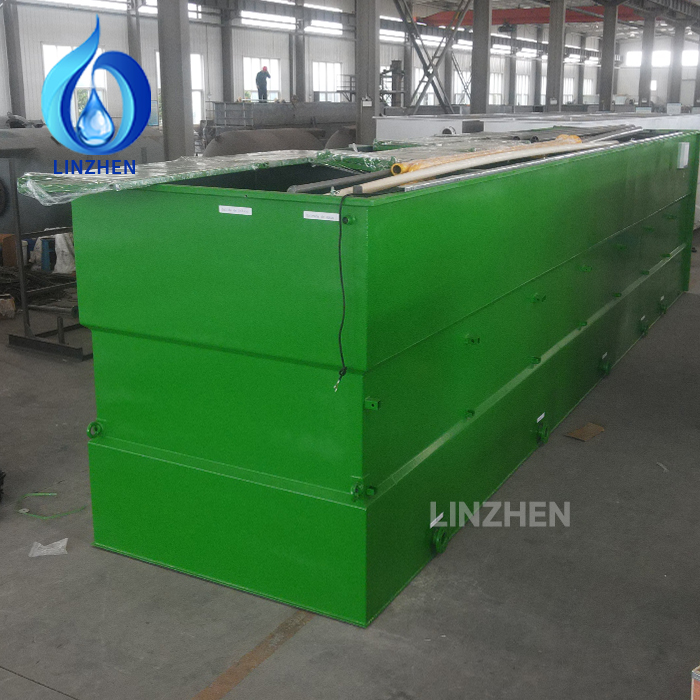
This detailed technical troubleshooting analysis explores critical operational failures inside the activated sludge process architecture. We examine fundamental root causes, practical optical warning signs, and targeted engineering remedies required to restore baseline stability within the biological reactor. Implementing continuous diagnostic protocols ensures your activated sludge process resists unexpected hydraulic surges, toxic shock loads, and severe organic loading shifts without compromising long-term regulatory compliance or operational efficiency.
Sludge Bulking Mechanics in the Activated Sludge Process
Identifying Filamentous Proliferation in the Activated Sludge Process
Sludge bulking represents one of the most destructive physical failures inside an activated sludge process aeration basin, marked by poor settling rates and high volume indexes inside secondary clarifiers. During severe bulking events, opportunistic filamentous microbes outcompete structural floc-forming organisms, creating a porous, low-density sludge matrix that resists rapid physical compaction. Consequently, the activated sludge process loses its core solid-separation capacity, carrying suspended solids directly into the discharge weir. Clarifier overflow monitoring, elevated sludge volume index readings, and persistent effluent turbidity signal that the activated sludge process suffers from active filamentous bulking stress under current operating parameters.
Root Causes and Remediation Tactics for the Activated Sludge Process
Depleted dissolved oxygen levels, aggressive organic overloading, and severe nitrogen deficits trigger filament dominance across any continuous activated sludge process. To suppress unwanted filamentous blooms, operators maintaining an activated sludge process must hold dissolved oxygen concentrations strictly between 2.0 and 4.0 milligrams per liter. Adjusting food-to-microorganism ratios stabilizes the activated sludge process biomass, while upgrading fine-bubble diffusers and calibrating air distribution valves minimizes low-oxygen dead zones inside the basin. Routine sludge volume index testing enables early operational intervention before bulking degrades overall activated sludge process stability and effluent compliance.
Severe Foaming and Foam Suppression Protocols in the Activated Sludge Process
Diagnosing Biological Surface Foam in the Activated Sludge Process
Trapped biological foam across aeration channels and secondary clarifiers presents another persistent operational bottleneck for the activated sludge process. Hydrophobic actinomycetes—predominantly Nocardia and Microthrix species—generate sticky organic surfactants that anchor gas bubbles onto the activated sludge process liquid surface. Unlike deep-sludge bulking, biological foam physically escapes basin boundaries, depleting active biomass reserves, fouling monitoring sensors, and lowering oxygen transfer efficiency. Treating persistent foam inside an activated sludge process demands swift physical removal and targeted operational intervention to prevent severe downstream environmental contamination.
Operational Actions for Foam Control in the Activated Sludge Process
Regulating solids retention time, controlling total sludge inventory, and maintaining balanced substrate utilization rates effectively prevent foam-forming populations within the activated sludge process. Chemical antifoaming agents offer short-term emergency relief, but reducing mean cell residence time effectively flushes target filaments out of the activated sludge process entirely. Maintaining mixed liquor temperatures below 20 degrees Celsius further slows actinomycete proliferation inside the reactor. Incorporating surface skimmers, spray nozzles, and optimized return sludge distribution keeps the activated sludge process clean, manageable, and biologically balanced year-round.
Nutrient Imbalances and Microbial Stress in the Activated Sludge Process
Nitrogen and Phosphorus Insufficiency in the Activated Sludge Process
Biological starvation occurs when incoming raw wastewater lacks minimal chemical nutrients necessary to sustain an active activated sludge process. When influent biochemical oxygen demand to nitrogen to phosphorus ratios diverge far from the ideal 100:5:1 balance, metabolic activity drops sharply across the activated sludge process biomass. Severe nitrogen shortages restrict cellular protein synthesis, while low phosphorus availability impairs cellular energy storage within the activated sludge process matrix. Industrial treatment facilities handling high-carbohydrate or chemical waste streams must dose supplemental urea or phosphoric acid to keep the activated sludge process operating at full biological capacity.
Managing High Carbon-to-Nutrient Influent in the Activated Sludge Process
Excessive organic carbon paired with low nutrient availability creates viscous, non-settling slime structures within the activated sludge process reactor. This metabolic imbalance forces significantly higher aeration blower power consumption while lowering organic pollutant breakdown rates throughout the biological phase. Facilities receiving variable industrial loads must dynamically adjust the activated sludge process solids retention time and return activated sludge pumping rates. Dosing essential micronutrients like iron, cobalt, and magnesium helps fortify the activated sludge process against seasonal shock loads and nutrient variations.
Frequently Asked Questions
What are the early warning signs of an activated sludge process failure?
Initial signs of operational stress in an activated sludge process include rising sludge volume index values, cloudy clarifier effluent, sudden pH shifts, rising blanket levels, and unstable dissolved oxygen readings. Regular microscopic examination reveals structural shifts in floc morphology and rising filament counts long before total physical overflow occurs in your activated sludge process system.
How often should operators monitor the activated sludge process?
Operators should perform daily monitoring of dissolved oxygen, mixed liquor suspended solids, and 30-minute sludge settling performance across the activated sludge process. Weekly protocols should incorporate microscopic biomass evaluations, return sludge rate verifications, and nutrient ratio assessments to optimize overall activated sludge process efficiency and long-term stability.
Can operational issues in an activated sludge process be fully prevented?
While complete elimination is challenging due to fluctuating influent characteristics, proactive monitoring, automated process controls, regular preventive maintenance, and skilled operator training dramatically reduce the frequency, duration, and severity of operational upsets within an activated sludge process installation.
 EN
EN