Choosing between turnkey and modular execution represents one of the most consequential decisions in facility engineering. Installing an industrial wastewater treatment system can be executed as a complete, integrated solution or rolled out incrementally over months or years. Each approach carries distinct financial, operational, and strategic implications that directly affect operational performance and capital allocation. Understanding the trade-offs between these models allows facility managers to choose a turnkey wastewater treatment setup or a phased wastewater treatment roadmap aligned with long-term business goals.
Selecting an optimal wastewater deployment strategy becomes complex when balancing production forecasts, site constraints, and regulatory deadlines. A fully functional industrial wastewater treatment system requires precise integration across multiple domains: machinery procurement, civil infrastructure, automation panels, and operator training. Both all-in-one and staged approaches offer viable pathways, but successful implementation depends on matching chosen turnkey wastewater treatment or phased wastewater treatment methods to corporate risk tolerance, available cash flow, and municipal discharge mandates.
Understanding Turnkey Industrial Wastewater Treatment System Deployment
Definition and Advantages of Turnkey Wastewater Treatment
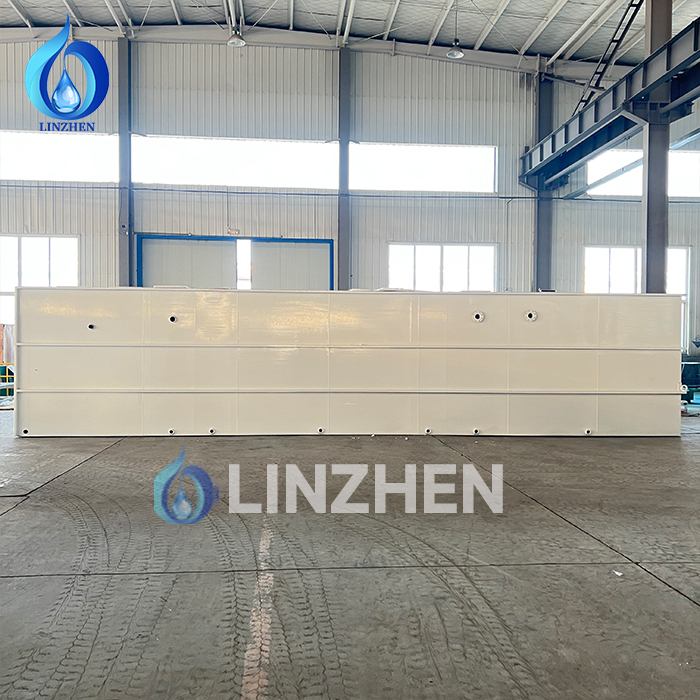
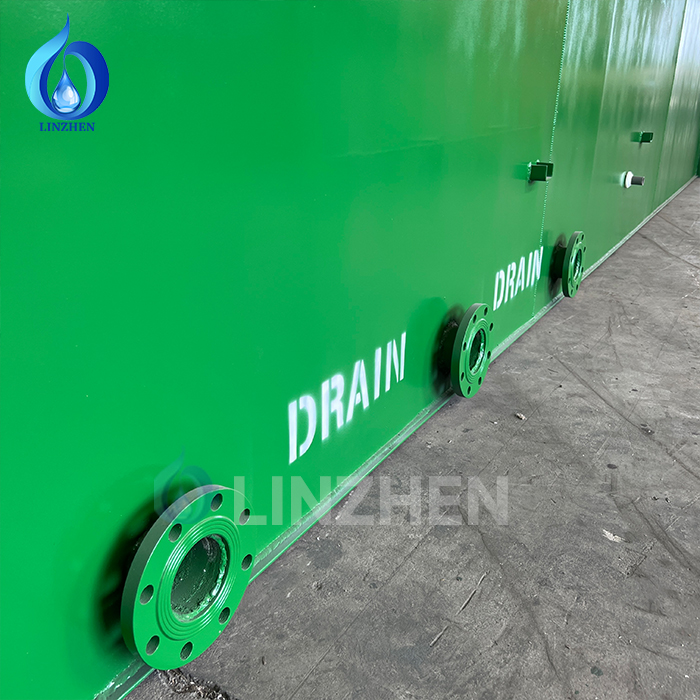
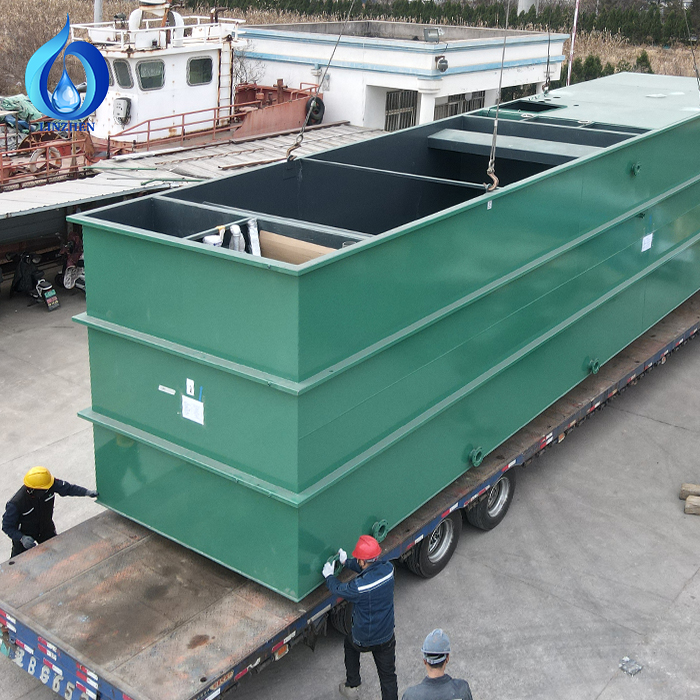
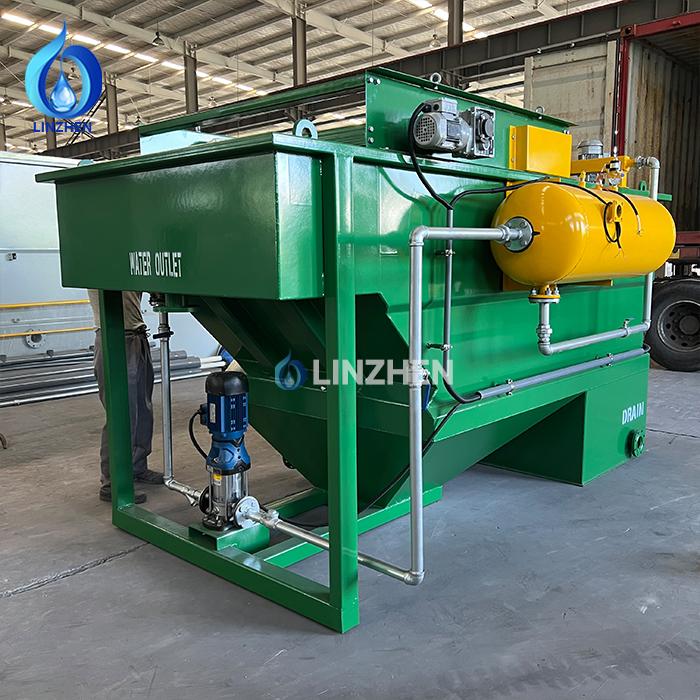
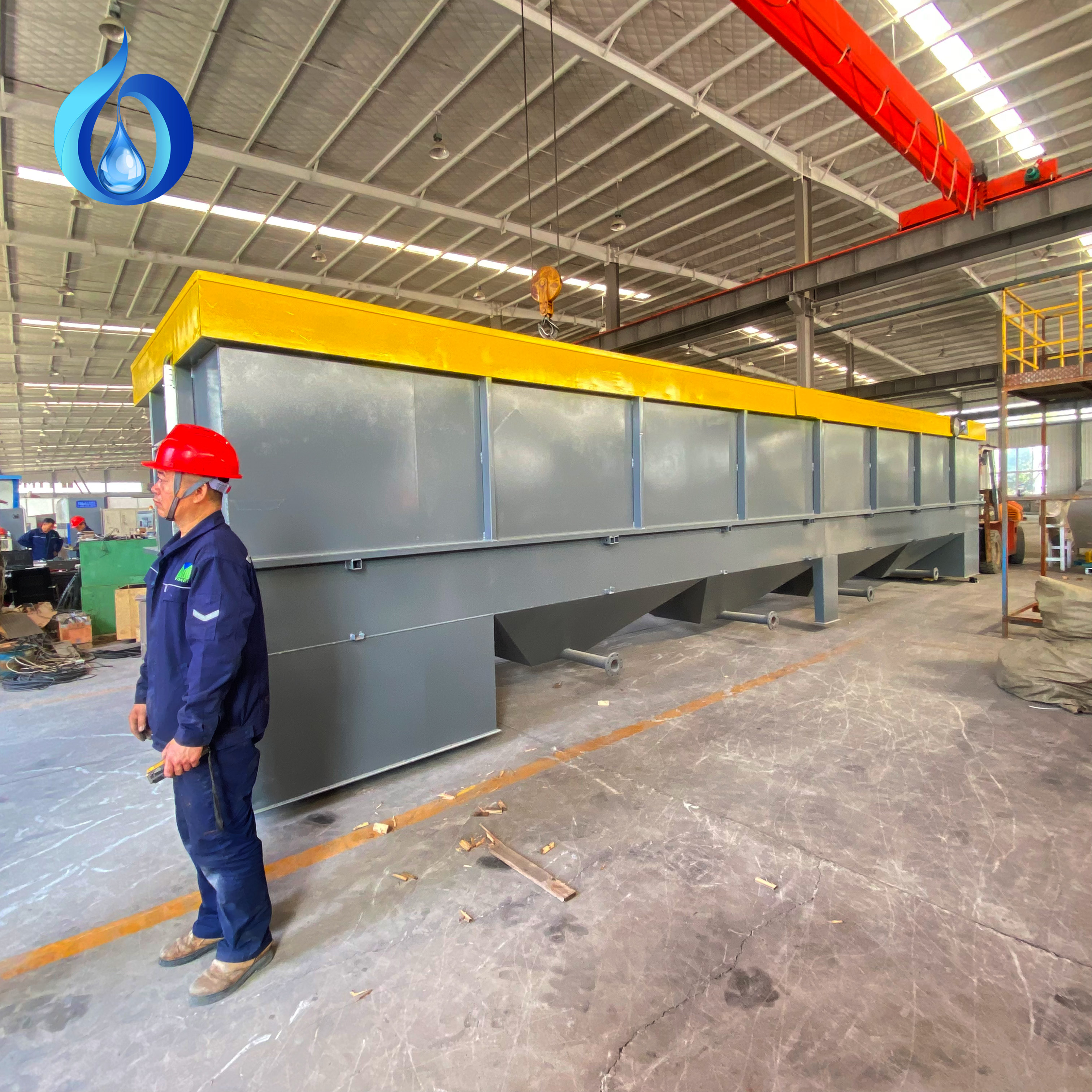
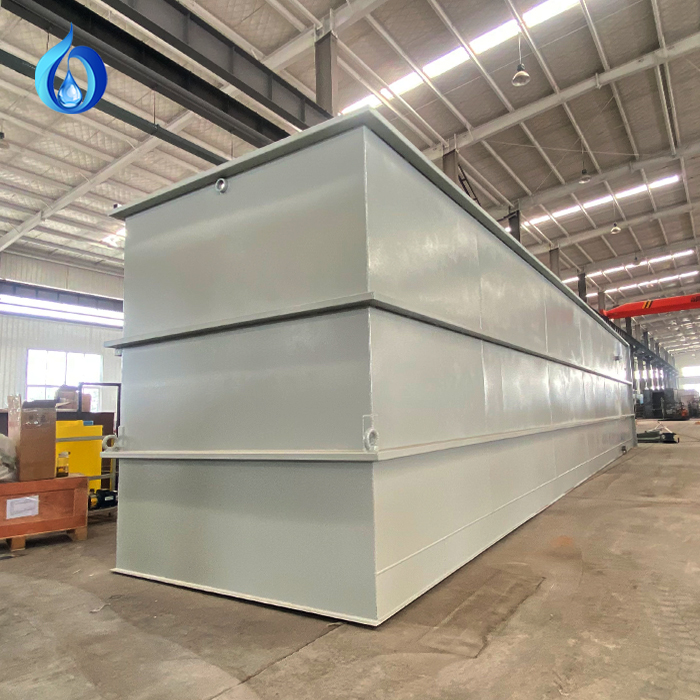
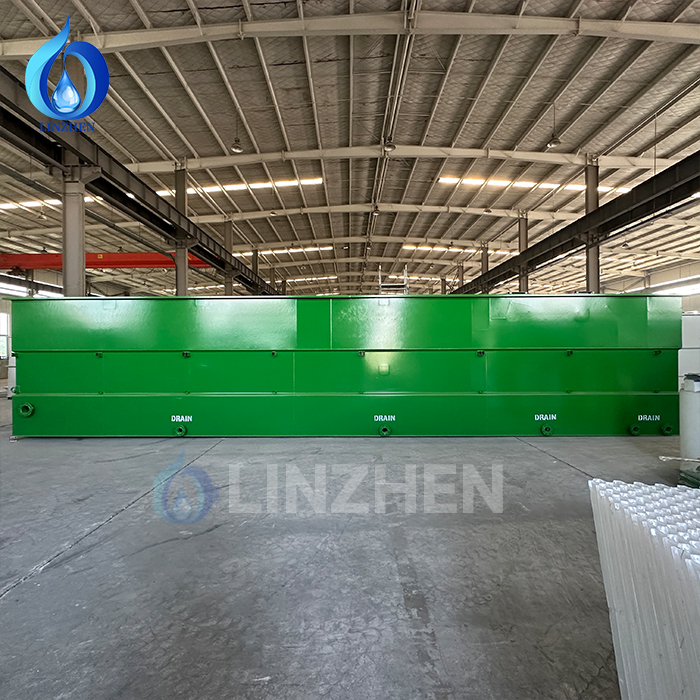
A turnkey industrial wastewater treatment system arrives at the job site as a fully engineered, ready-to-operate plant. The vendor designs, builds, tests, and commissions the entire assembly—including tanks, piping, pumps, and PLC software—under a single contract. Adopting a turnkey wastewater treatment route minimizes localized assembly delays, allowing treatment operations to start within weeks. This streamlined wastewater deployment strategy eliminates fragmented procurement cycles and reduces coordination risks between separate engineering contractors.
The primary benefit of a turnkey wastewater treatment package is rapid market entry and swift environmental compliance. Facilities facing strict enforcement deadlines gain from compressed delivery schedules. A single equipment supplier retains complete accountability for process guarantees when building an industrial wastewater treatment system. Upfront price transparency improves budget management, while standardized operator training from vendor specialists accelerates overall site proficiency and operational stability.
Exploring Phased Industrial Wastewater Treatment System Implementation
Strategic Benefits of Phased Wastewater Treatment Models
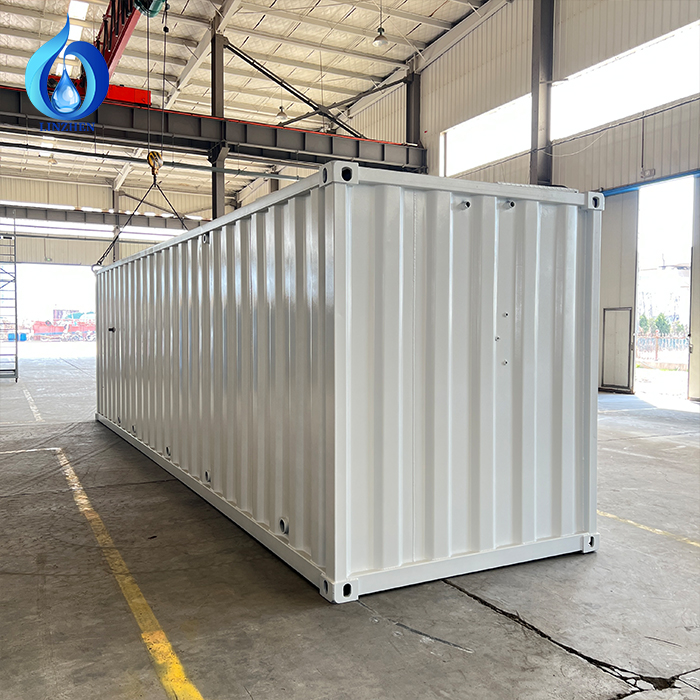
A phased wastewater treatment approach unfolds across multiple execution stages, typically spanning one to three years. Stage one focuses on primary physical clarification, stage two incorporates secondary biological units, and stage three introduces tertiary polishing modules. A modular industrial wastewater treatment system allows facility capacity to expand in step with factory growth. This flexible wastewater deployment strategy lets engineering teams test process efficacy, adjust chemical dosing, and refine operations before committing full capital reserves.
Executing a phased wastewater treatment plan spreads capital expenditure across multiple fiscal periods, easing strain on corporate balance sheets. Deploying an industrial wastewater treatment system incrementally enables operators to validate effluent quality and equipment reliability prior to scaling capacity. If market demand shifts, a phased wastewater treatment plan can be adjusted without abandoning completed infrastructure, providing an adaptive wastewater deployment strategy for growing facilities.
Trade-offs Between Turnkey and Phased Approaches
Capital Allocations and Financial Implications
Procuring a full turnkey wastewater treatment asset requires significant upfront capital commitments. For companies with strict annual budget limits, this large cash outlay can be challenging. Conversely, choosing phased wastewater treatment spreads costs over time, reducing initial cash impact. However, total lifecycle costs for a modular industrial wastewater treatment system often exceed fixed turnkey quotes due to repeated design engineering, multiple contractor visits, and inflation over extended construction periods.
Operational Risk and Compliance Timing
A single-source turnkey wastewater treatment contract provides unified performance warranties; the supplier assumes full liability if the installed industrial wastewater treatment system misses discharge standards. In contrast, phased wastewater treatment can fragment accountability between separate phase suppliers, complicating troubleshooting. Facilities facing imminent regulatory deadlines must deploy equipment quickly—making turnkey wastewater treatment the preferred wastewater deployment strategy to achieve rapid compliance.
Selecting the Right Model for Your Facility Context
Decision Framework for Your Wastewater Deployment Strategy
Selecting between turnkey wastewater treatment and modular additions requires evaluating production stability, budget availability, and legal compliance deadlines. Facilities with stable production rates favor a complete industrial wastewater treatment system, while operations anticipating rapid output changes benefit from phased wastewater treatment flexibility. Hybrid approaches—such as installing a turnkey core industrial wastewater treatment system with provisions for modular expansions—offer a balanced wastewater deployment strategy that aligns short-term needs with long-term flexibility.
FAQ
What is the typical cost difference between turnkey wastewater treatment and phased models?
A consolidated turnkey wastewater treatment contract typically offers 8% to 15% lower total lifecycle costs for an industrial wastewater treatment system compared to phased builds, due to single procurement cycles and unified engineering. However, a phased wastewater treatment roadmap significantly reduces upfront capital requirements during initial plant commissioning.
Can a phased industrial wastewater treatment system be integrated into a single-source setup later?
Converting a multi-stage phased wastewater treatment setup into an integrated plant can be complex. Ensuring compatible automation standards during early DAF system sizing and initial civil engineering simplifies future upgrades, allowing your industrial wastewater treatment system to scale efficiently under a unified wastewater deployment strategy.
Which model suits unpredictable manufacturing growth best?
A phased wastewater treatment model is ideally suited for uncertain growth projections. Deploying an industrial wastewater treatment system incrementally allows operators to validate operational metrics before expanding, serving as a risk-averse wastewater deployment strategy for modern manufacturing facilities.
 EN
EN