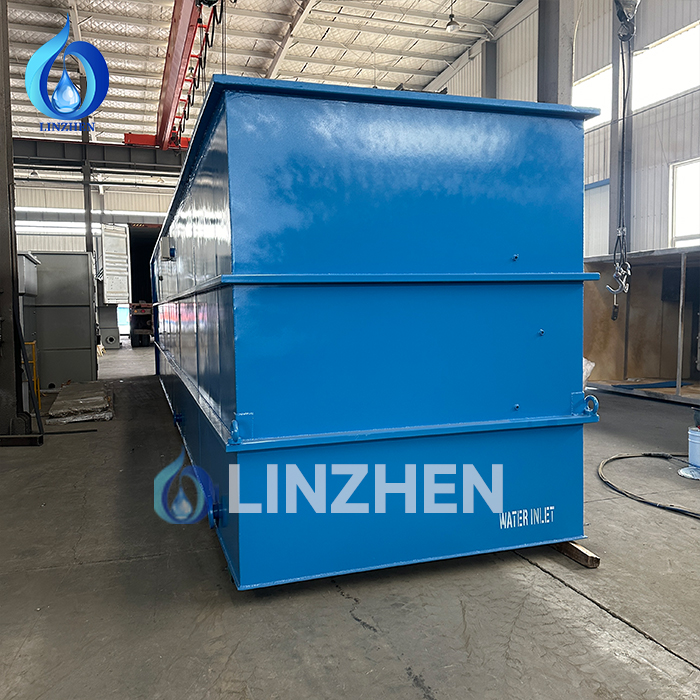
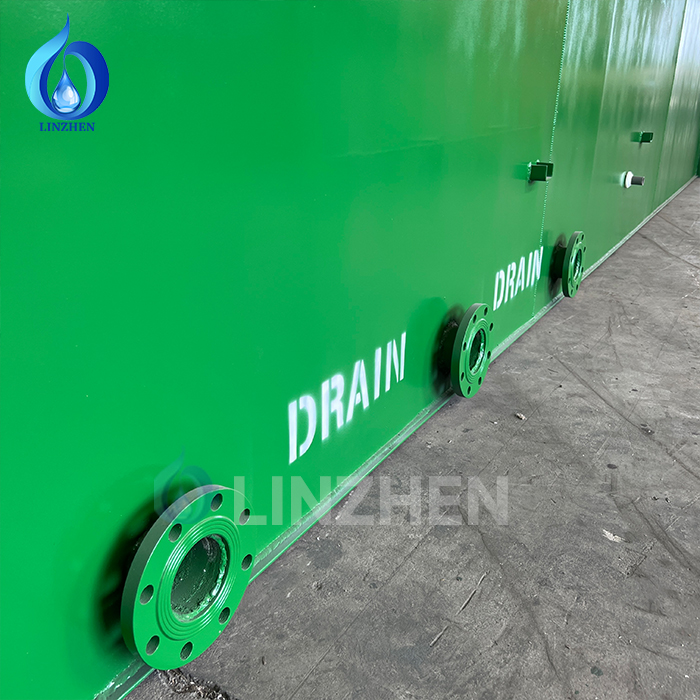
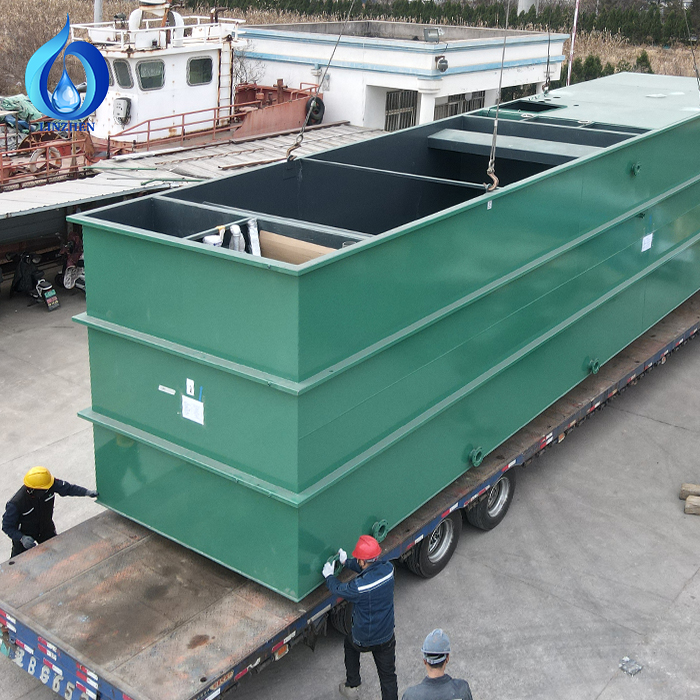
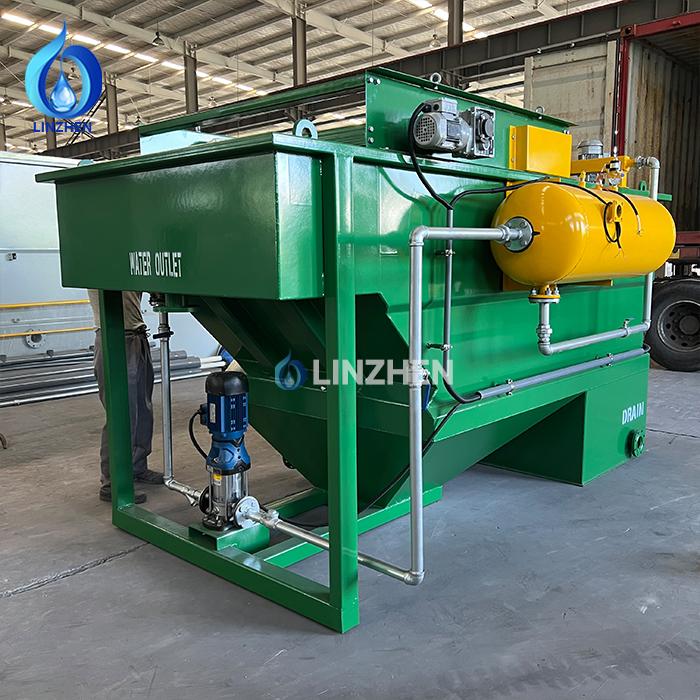
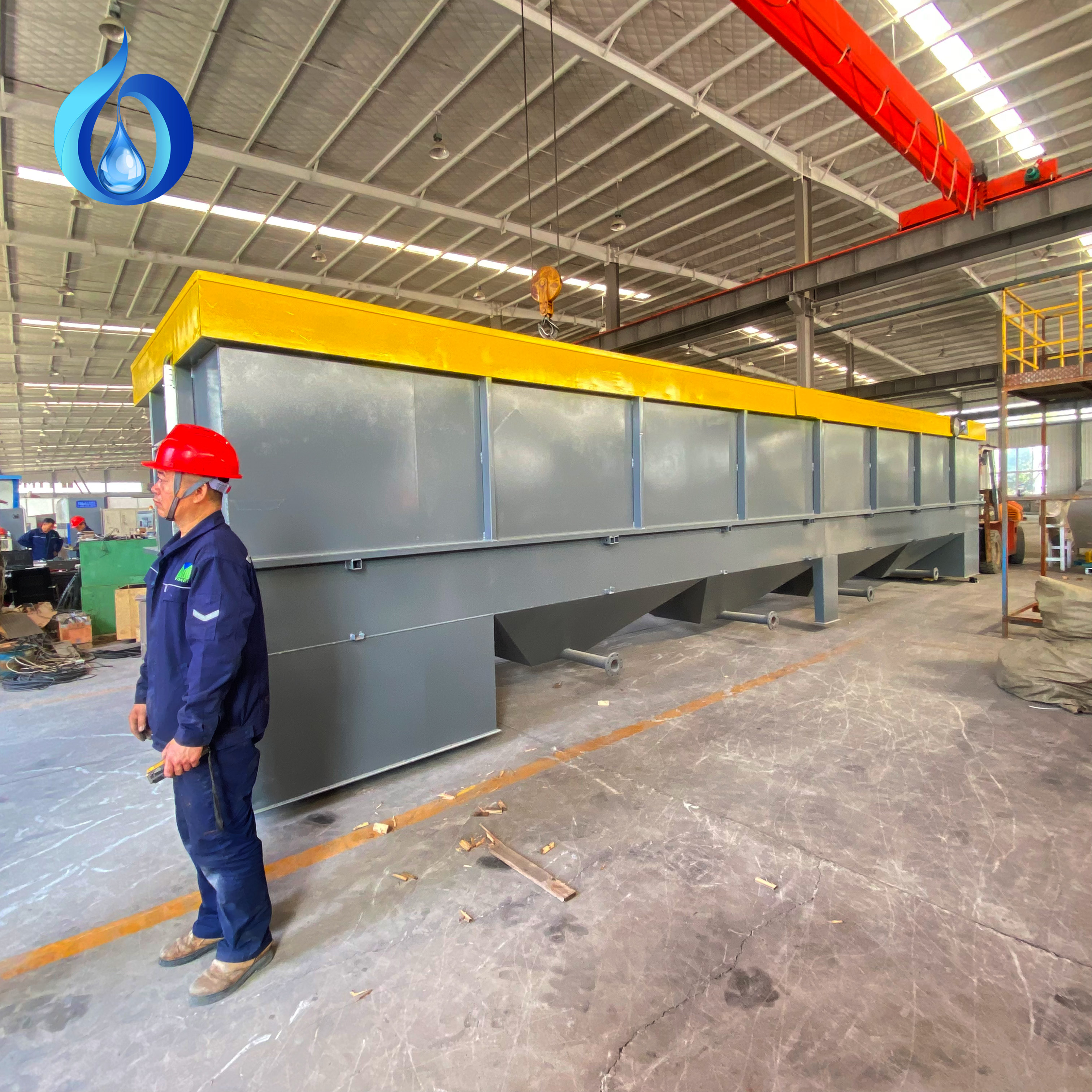
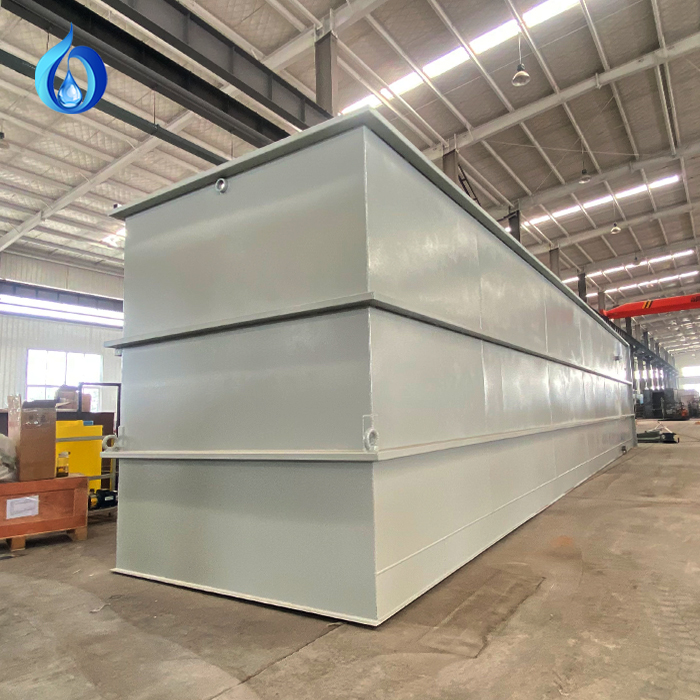
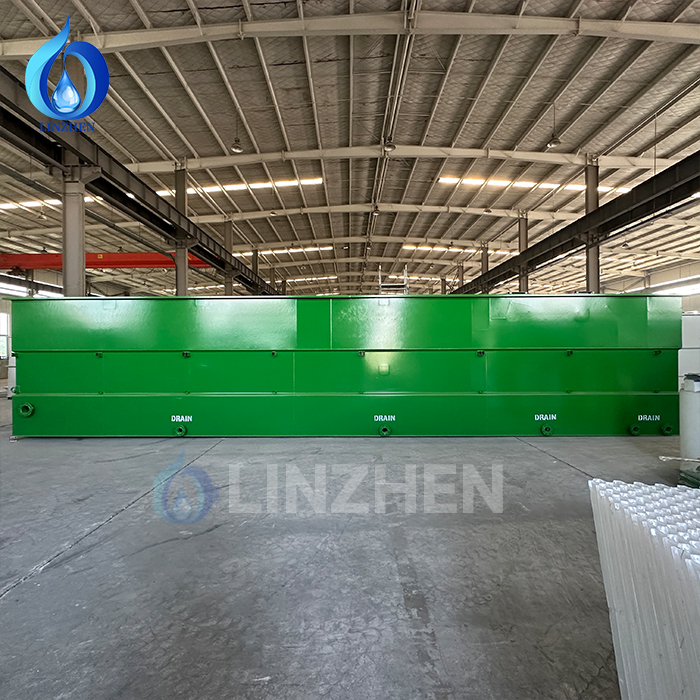
Space constraints represent one of the most pressing challenges in modern wastewater treatment facility design and operation. Many municipalities and industrial operators struggle to upgrade their treatment infrastructure without acquiring expensive new land or demolishing existing structures. The mbbr system has emerged as a transformative solution that delivers superior treatment performance while dramatically reducing the physical footprint required compared to conventional activated sludge processes. Understanding why an mbbr system has become the preferred choice for facilities with limited space is essential for operators evaluating treatment technology upgrades.
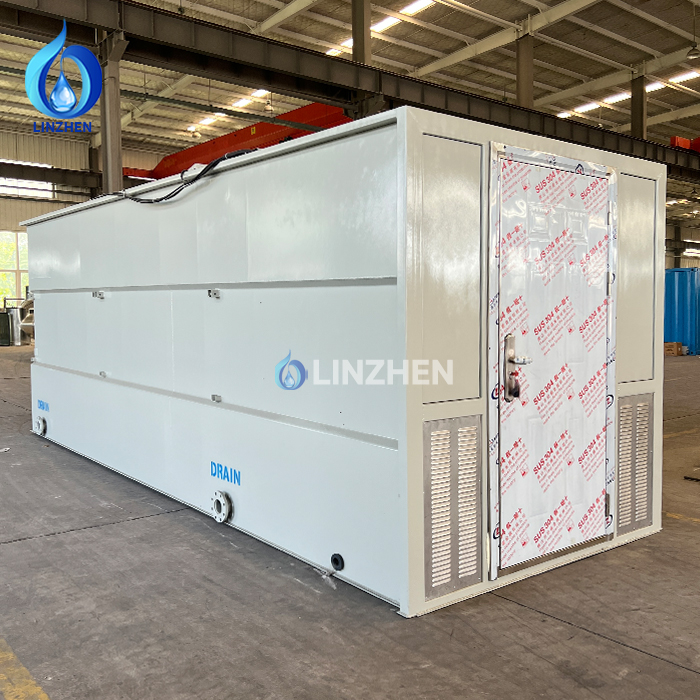
An mbbr system operates through a fundamentally different mechanism than traditional treatment approaches. Rather than maintaining suspended biomass in conventional tanks, the mbbr system employs specially designed plastic media carriers that provide attached surfaces for biofilm growth while remaining suspended and mobile within reactor vessels. This innovation allows an mbbr system to achieve much higher biomass concentrations in smaller reactor volumes, making it exceptionally suitable for facilities facing geographical or budget-related space limitations.
Compact Footprint and High Treatment Capacity
Reduced Tank Volume Requirements
The most immediately apparent advantage of an mbbr system is its dramatically reduced physical footprint compared to conventional activated sludge systems. A typical mbbr system treating the same influent load requires 40 to 60 percent less tank volume than conventional processes. This efficiency stems from the extremely high biomass concentration that an mbbr system can maintain, often reaching 8 to 12 grams of mixed liquor suspended solids per liter compared to 2 to 4 grams in conventional systems. For facility operators constrained by available land area, this cubic meter reduction translates directly into lower construction costs, faster project timelines, and the ability to retrofit treatment upgrades into existing facility footprints without major site expansion.
Vertical Integration and Modular Design
An mbbr system can be configured vertically or in compact rectangular arrangements that fit seamlessly into constrained spaces such as industrial compounds, urban treatment facilities, or existing wastewater plant areas. The modular nature of an mbbr system allows operators to install reactor vessels in configurations that match available land geometry rather than requiring the sprawling horizontal layouts typical of conventional treatment plants. Many municipalities have successfully retrofit an mbbr system into deteriorating conventional treatment facilities, upgrading capacity and treatment performance without acquiring additional real estate. The flexibility of an mbbr system design means that space limitations become design opportunities rather than project obstacles.
Superior Biomass Retention and Treatment Stability
Enhanced Biofilm Development and Nitrification Performance
The biofilm carriers used in an mbbr system provide extensive surface area for bacterial colonization, enabling the development of diverse microbial communities that perform multiple treatment functions simultaneously. An mbbr system achieves excellent nitrification efficiency even at lower solids retention times because the attached biomass in an mbbr system remains undisturbed on the plastic media, developing into mature, stable biofilm layers with specialized populations. This characteristic means an mbbr system requires shorter hydraulic residence times and smaller tank volumes to achieve target ammonia removal rates. The biofilm structure within an mbbr system also creates microenvironments where aerobic degradation, denitrification, and phosphorus removal can occur within the same treatment train, further consolidating treatment processes that conventional systems spread across multiple tanks.
Resistance to Shock Loads and Operational Fluctuations
Industrial wastewater streams and combined sewer systems experience sudden changes in flow rate, organic loading, and composition that can destabilize conventional treatment processes. The biofilm in an mbbr system offers natural buffering against these disturbances because the established microbial communities remain attached to the media carriers even during transient upset conditions. An mbbr system recovers more quickly from shock loads than conventional systems because the biofilm structure protects key microbial populations. For space-limited facilities that cannot afford the luxury of oversized equalization tanks or backup treatment capacity, the inherent stability of an mbbr system provides a critical operational advantage and ensures consistent treatment performance during peak demand periods.
Economic and Operational Efficiency Benefits
Lower Capital and Operating Costs
The compact nature of an mbbr system translates into significant capital savings beyond simple tank volume reduction. An mbbr system requires smaller clarifier vessels, reduced piping and instrumentation complexity, and lower excavation and concrete costs compared to conventional plants of equivalent capacity. Operating expenses for an mbbr system are also favorable because lower liquid volumes mean reduced aeration energy in many applications, lower chemical usage for pH adjustment, and decreased sludge production. The carrier media in an mbbr system has a lifespan exceeding fifteen years, spreading the initial media investment over many operational decades. Many operators report that an mbbr system achieves payback periods shorter than conventional upgrades despite higher per-unit capital costs, making it economically compelling for capital-constrained municipalities.
Ease of Retrofitting and Phased Expansion
Existing treatment facilities often face the dilemma of upgrading or replacing aging infrastructure without interrupting wastewater service to the community. An mbbr system can be installed in parallel with existing treatment units, allowing phased capacity increases and technology transitions. The straightforward operation of an mbbr system means staff training requirements are minimal compared to advanced biological processes, and process control can range from simple manual operation to sophisticated automated systems depending on facility complexity. For space-limited facilities planning long-term capacity growth, an mbbr system offers the flexibility to add additional reactor modules in future years without redesigning the entire treatment approach.
FAQ
How does an MBBR system achieve higher treatment efficiency in smaller spaces?
An mbbr system achieves superior efficiency through attached biomass growth on plastic media carriers, allowing extremely high mixed liquor suspended solids concentrations. This means an mbbr system can maintain robust treatment performance in smaller reactor volumes because more microorganisms per unit volume are actively breaking down pollutants compared to conventional suspended growth systems. The biofilm environment in an mbbr system also enables specialized microbial communities to develop, creating multiple treatment pathways simultaneously within compact reactor configurations.
What maintenance requirements does an MBBR system demand compared to conventional systems?
An mbbr system generally requires less routine maintenance than conventional activated sludge systems because the biofilm naturally manages itself through internal regeneration and the plastic media carriers remain durable for extended periods. Regular monitoring of dissolved oxygen, mixed liquor quality, and carrier media distribution is necessary, but an mbbr system does not require daily operator intervention like conventional systems. The main maintenance consideration for an mbbr system is ensuring adequate aeration and confirming that media carriers remain freely mobile within reactor vessels.
Can an MBBR system be used for treating industrial wastewater in space-limited facilities?
Yes, an mbbr system is highly effective for industrial wastewater treatment and represents an excellent choice for space-limited industrial facilities. An mbbr system handles variable flow rates, organic loading shocks, and complex wastewaters better than conventional systems due to its stable biofilm structure. Many food processing facilities, chemical manufacturers, and pharmaceutical plants have installed mbbr system technology to upgrade treatment capacity without acquiring additional land, making it particularly valuable for industries located in densely developed areas or operating within existing facility boundaries.
 EN
EN