Achieving zero liquid discharge at a wastewater treatment plant represents one of the most ambitious environmental and operational goals in the industrial water management sector. A wastewater treatment plant pursuing zero liquid discharge must meet strict technical, financial, and regulatory conditions that fundamentally reshape how the facility operates. The concept of zero liquid discharge, commonly known as ZLD, means that a wastewater treatment plant eliminates all liquid waste streams by treating, recovering, and recycling water while converting all dissolved solids into dry or solid forms suitable for disposal or beneficial reuse.
For a wastewater treatment plant to achieve this goal, multiple conditions must align perfectly, including advanced treatment technologies, adequate capital investment, sufficient water reuse opportunities, and supportive regulatory frameworks. Understanding these conditions helps facility managers assess feasibility, identify barriers, and develop strategic implementation pathways.
Core Technical and Operational Conditions
Treatment Technology Requirements for Zero Liquid Discharge
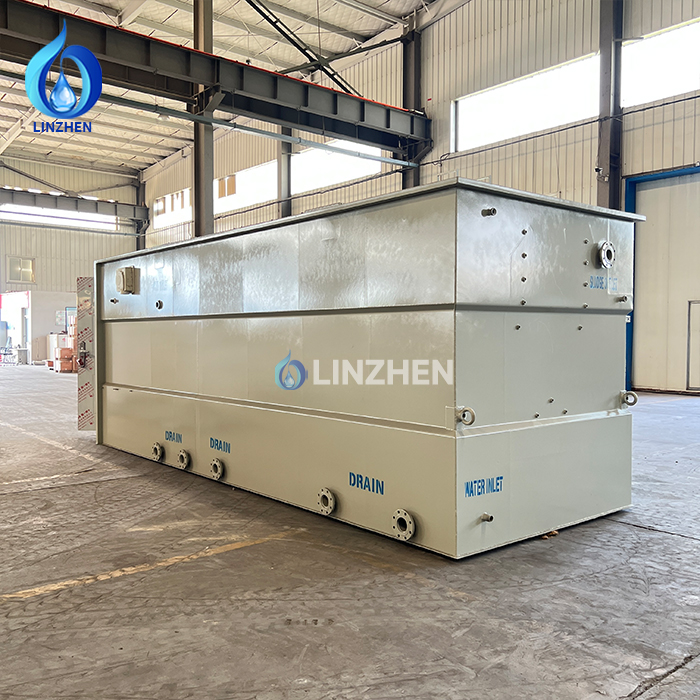
A wastewater treatment plant cannot reach zero liquid discharge without deploying a multi-barrier treatment approach. The wastewater treatment plant must first implement primary and secondary biological treatment stages to remove conventional pollutants such as organic matter, nitrogen, and phosphorus. Beyond these conventional steps, the wastewater treatment plant must install advanced treatment systems including ultrafiltration, reverse osmosis, and crystallization units. These technologies enable a wastewater treatment plant to recover purified water suitable for reuse while concentrating dissolved minerals and salts into manageable solid residues. Each stage of technology adds complexity and requires skilled operation within the wastewater treatment plant.
Solids Handling and Dewatering Infrastructure
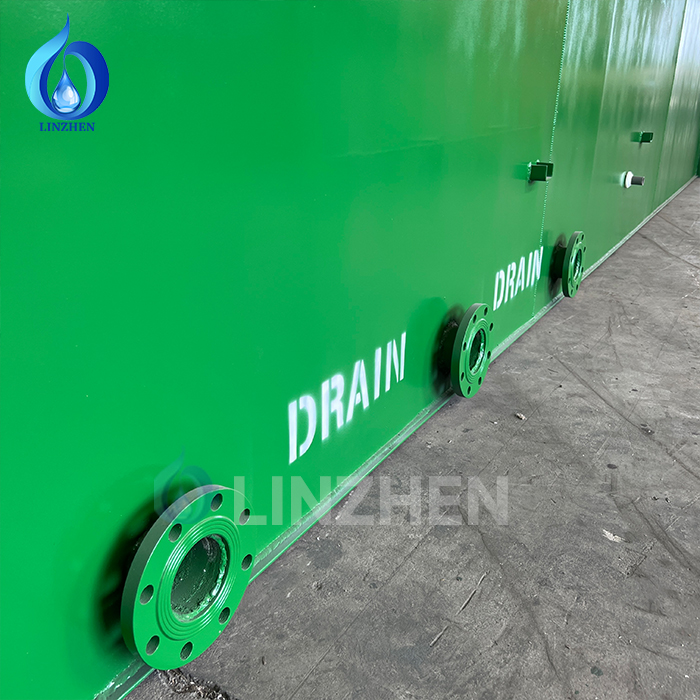
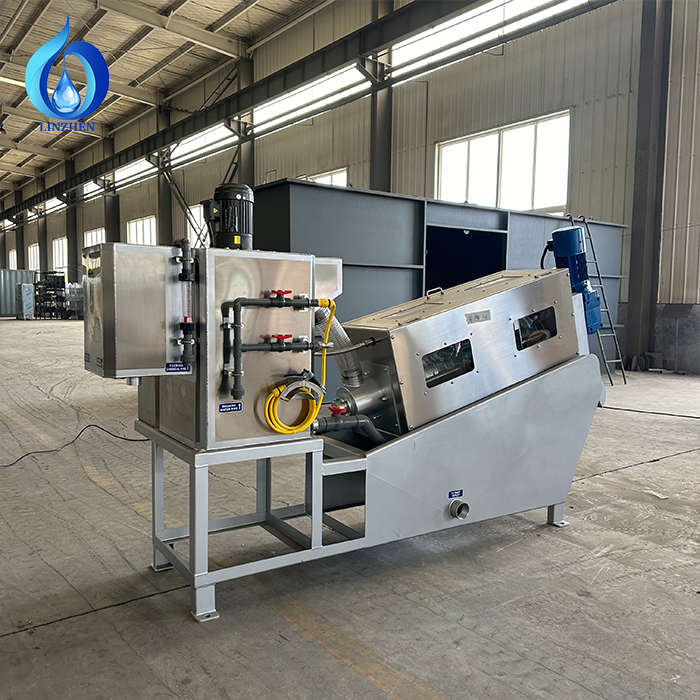
A critical condition determining whether a wastewater treatment plant achieves zero liquid discharge involves the capacity to dewater and manage all concentrated solids. The wastewater treatment plant must invest in high-efficiency dewatering equipment such as screw presses, centrifuges, or filter presses to convert liquid sludges and concentrate streams into dry cakes. This infrastructure represents a substantial portion of the total capital requirement for implementing zero liquid discharge at a wastewater treatment plant. Without reliable dewatering capability, the wastewater treatment plant cannot eliminate liquid discharge because concentrated brine streams and sludge waters would still require disposal as liquids.
Economic and Market Conditions Enabling ZLD Implementation
Capital Investment and Operating Cost Feasibility
A wastewater treatment plant requires significant financial capacity to achieve zero liquid discharge. The typical wastewater treatment plant pursuing ZLD must invest 50 to 100 percent more capital than conventional treatment facilities, depending on the influent characteristics and local discharge standards. Beyond construction costs, the wastewater treatment plant operating zero liquid discharge systems faces elevated electricity, chemical, and maintenance expenses compared to conventional wastewater treatment plant operations. This economic condition means that only facilities with strong financial backing, high-value water recovery opportunities, or regulatory mandates can justify ZLD implementation at a wastewater treatment plant.
Water Reuse and Market Value
For a wastewater treatment plant to achieve zero liquid discharge economically, substantial opportunities for water reuse must exist. The wastewater treatment plant located in water-stressed regions, or serving industries requiring large volumes of process water, gains competitive advantage in implementing zero liquid discharge. If the recovered water from the wastewater treatment plant can be sold or reused internally at premium value, the financial burden of zero liquid discharge technology diminishes significantly. Facilities in arid regions or industries such as chemicals, textiles, and power generation often find zero liquid discharge attractive at their wastewater treatment plant because recovered water displaces costly freshwater procurement.
Regulatory and Environmental Conditions Supporting ZLD Adoption
Strict Environmental Regulations and Discharge Limits
Regulatory pressure represents a primary driver motivating a wastewater treatment plant to pursue zero liquid discharge. When local environmental agencies impose extremely stringent discharge limits, increase disposal costs, or mandate groundwater protection in sensitive areas, a wastewater treatment plant may find zero liquid discharge more economically rational than paying escalating discharge fees and compliance penalties. Several regions and countries have established ZLD regulations for specific industries, effectively requiring a wastewater treatment plant in those sectors to eliminate all liquid discharge. This regulatory condition creates urgent demand for zero liquid discharge solutions at affected wastewater treatment plant facilities.
Proximity to Sensitive Water Bodies and Groundwater Protection Zones
A wastewater treatment plant located near critical aquifers, coastal regions, or ecologically sensitive freshwater systems faces mounting pressure to implement zero liquid discharge. When a wastewater treatment plant operates in groundwater protection zones designated by environmental authorities, zero liquid discharge becomes a practical necessity rather than an optional enhancement. These geographical and environmental conditions at a wastewater treatment plant site strongly correlate with regulatory stringency and public environmental concerns, together driving adoption of zero liquid discharge technology.
Industrial Application and Sector-Specific Conditions
Industry Suitability and Effluent Characteristics
Not all industries benefit equally from zero liquid discharge implementation at their wastewater treatment plant. The wastewater treatment plant serving textiles, pharmaceuticals, chemicals, power generation, and food processing industries typically achieves better financial returns from ZLD technology because these sectors generate high-volume, concentrated wastewaters with recoverable value. Conversely, a wastewater treatment plant treating dispersed municipal sewage from low-income areas may struggle to justify zero liquid discharge economically. The chemical composition of wastewater arriving at the treatment plant significantly influences whether zero liquid discharge technology remains cost-effective and technically reliable at that particular wastewater treatment plant.
Space Availability and Site Constraints
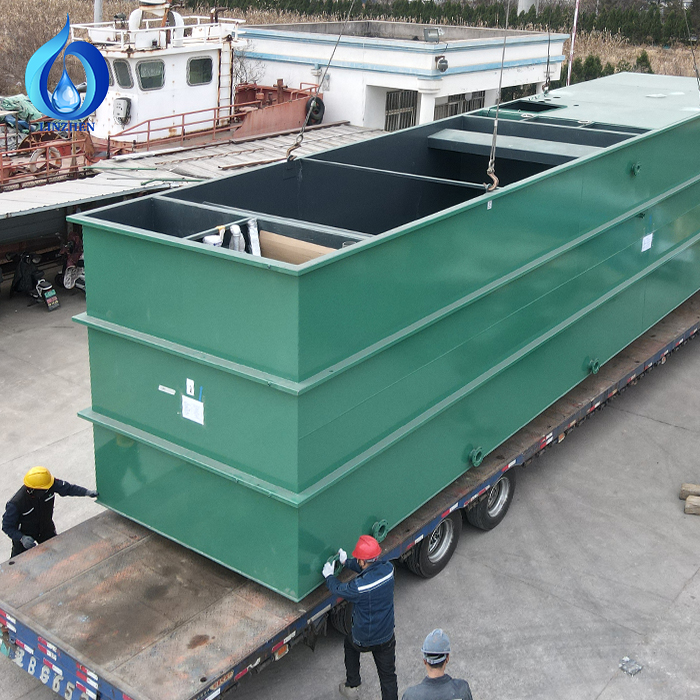
A wastewater treatment plant pursuing zero liquid discharge requires substantially larger treatment footprint compared to conventional facilities. The wastewater treatment plant must accommodate multiple treatment stages, crystallization reactors, dewatering equipment, and solid waste storage infrastructure. When a wastewater treatment plant operates on constrained or urban sites with limited expansion room, zero liquid discharge becomes technically difficult and costly to implement. Adequate land availability represents a fundamental condition enabling a wastewater treatment plant to physically accommodate the expanded treatment systems necessary for zero liquid discharge achievement.
FAQ
What is the typical timeline for a wastewater treatment plant to implement zero liquid discharge?
Most wastewater treatment plant facilities require 18 to 36 months to design, construct, and commission zero liquid discharge systems, depending on facility size and technology complexity. A wastewater treatment plant must conduct thorough pilot testing, secure permitting, and train operational staff before full zero liquid discharge operation begins. The exact timeline varies based on regulatory approval speed and whether the wastewater treatment plant retrofits existing infrastructure or builds new dedicated ZLD treatment trains.
Can any wastewater treatment plant achieve zero liquid discharge, or are certain facilities excluded?
Not all wastewater treatment plant facilities can practically achieve zero liquid discharge due to economic, geographic, or technical constraints. A wastewater treatment plant treating very dilute municipal wastewater may find zero liquid discharge prohibitively expensive, while industrial wastewater treatment plant facilities typically find ZLD economically attractive. The feasibility of zero liquid discharge at any specific wastewater treatment plant depends on its financial capacity, available land, regulatory requirements, and potential for water or product recovery.
What happens to the solid residues produced when a wastewater treatment plant achieves zero liquid discharge?
When a wastewater treatment plant achieves zero liquid discharge, all concentrated solids and mineral precipitates must be disposed of, recovered, or beneficially reused. The wastewater treatment plant may send dewatered sludge to landfills, incineration facilities, or utilize crystallized salts in industrial processes. Some wastewater treatment plant operations recover valuable minerals from concentrate streams for commercial sale, offsetting treatment costs and advancing circular economy principles.
 EN
EN