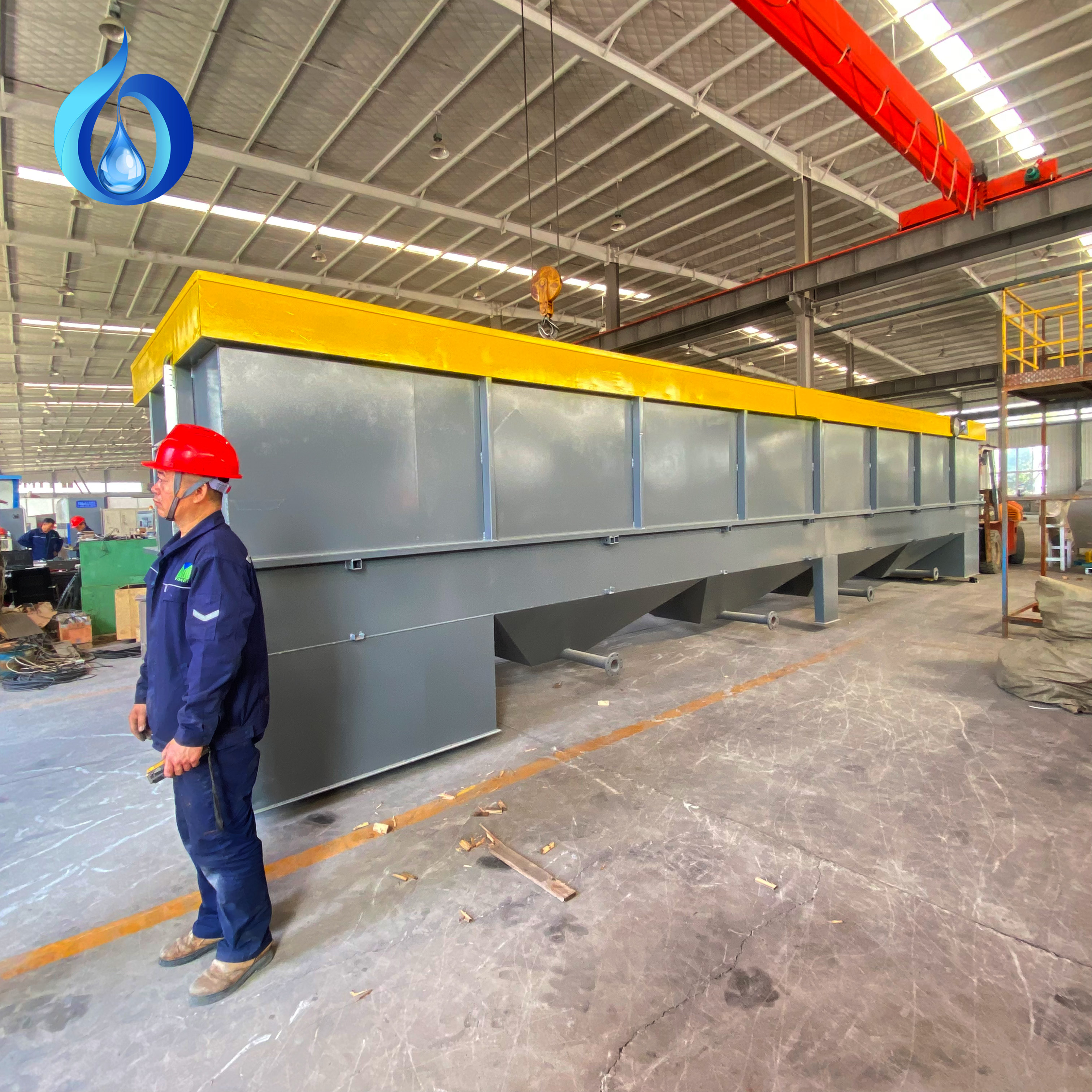
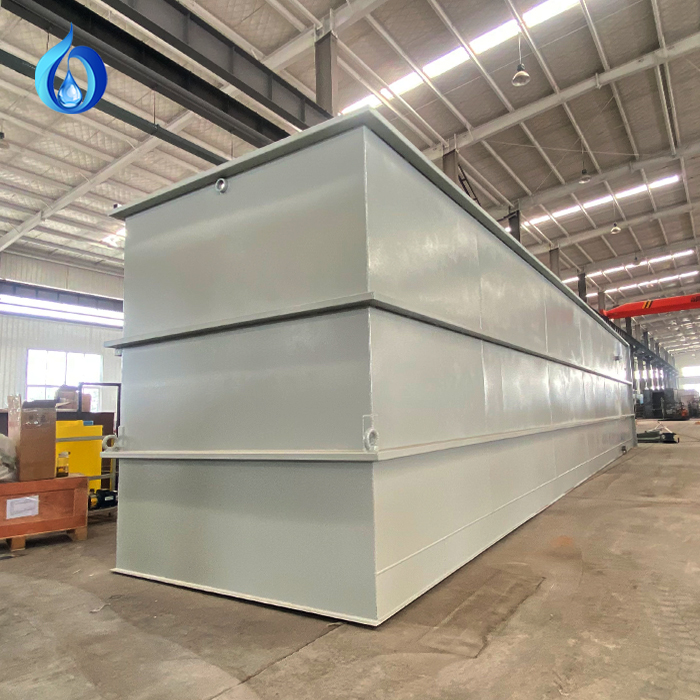
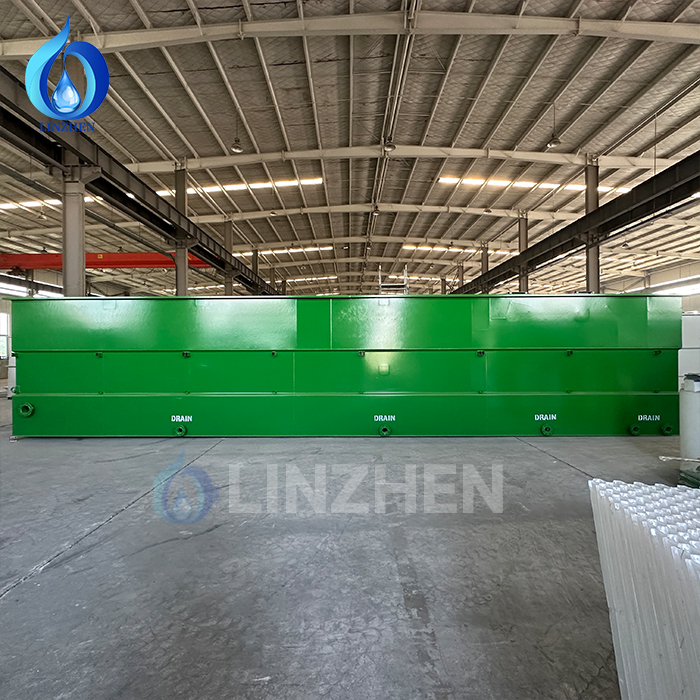
Town and municipal regulations increasingly require domestic wastewater treatment solutions for new construction projects located far from existing municipal sewer networks. These mandates reflect growing environmental awareness and the practical necessity of protecting groundwater and surface water resources. When developers plan new residential or commercial buildings in remote areas, local building codes typically demand that domestic wastewater treatment systems be installed on-site to handle all generated effluent. Understanding these requirements early in the planning phase helps avoid costly delays, ensures regulatory compliance, and protects surrounding ecosystems from contamination.
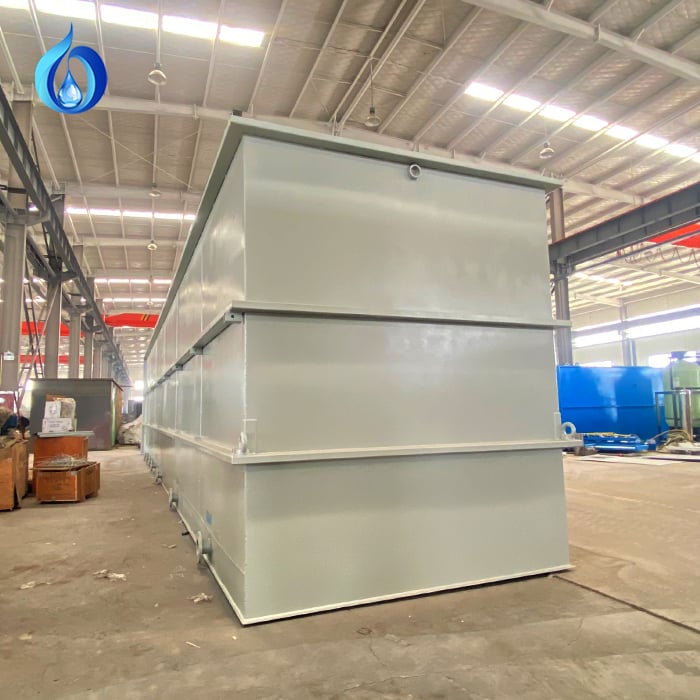
The push for domestic wastewater treatment on new builds far from municipal systems stems from regulatory bodies recognizing that centralized wastewater infrastructure cannot economically serve all dispersed developments. Building codes in most jurisdictions now mandate that properties without access to public sewer lines must implement approved domestic wastewater treatment technologies. This shift represents a significant change in construction standards, requiring developers and property owners to invest in compliant systems that treat effluent to specified standards before discharge or reuse. Compliance with these domestic wastewater treatment regulations is not optional; failing to meet local requirements can result in project delays, fines, and legal liability.
Regulatory Framework for Domestic Wastewater Treatment
Municipal Code Requirements and Environmental Protection
Most municipalities and townships have established explicit codes mandating domestic wastewater treatment for properties beyond service boundaries. These regulations typically define minimum treatment performance standards, required disposal methods, and system design criteria. Environmental agencies enforce domestic wastewater treatment standards to prevent groundwater contamination, protect surface water quality, and maintain public health. Local health departments review and approve domestic wastewater treatment system designs before construction begins, ensuring each installation meets specific soil conditions, groundwater levels, and site characteristics. The regulatory approach reflects decades of environmental data showing that untreated wastewater poses substantial contamination risks to residential wells and nearby water bodies.
Distance Thresholds and System Mandate Triggers
Building departments typically establish specific distance thresholds that trigger domestic wastewater treatment system requirements. Properties located beyond a defined distance from municipal sewer lines—commonly 300 to 500 feet—must implement approved domestic wastewater treatment solutions. When new development occurs in fringe areas or rural zones, town planners often use distance-based regulations to determine which domestic wastewater treatment approach is mandatory. These distance rules ensure that domestic wastewater treatment responsibility falls on property developers when municipal infrastructure extension is economically infeasible. Understanding your property's exact distance from sewer infrastructure is a critical first step in determining applicable domestic wastewater treatment obligations.
On-Site Domestic Wastewater Treatment Solutions
Conventional and Advanced Treatment Systems
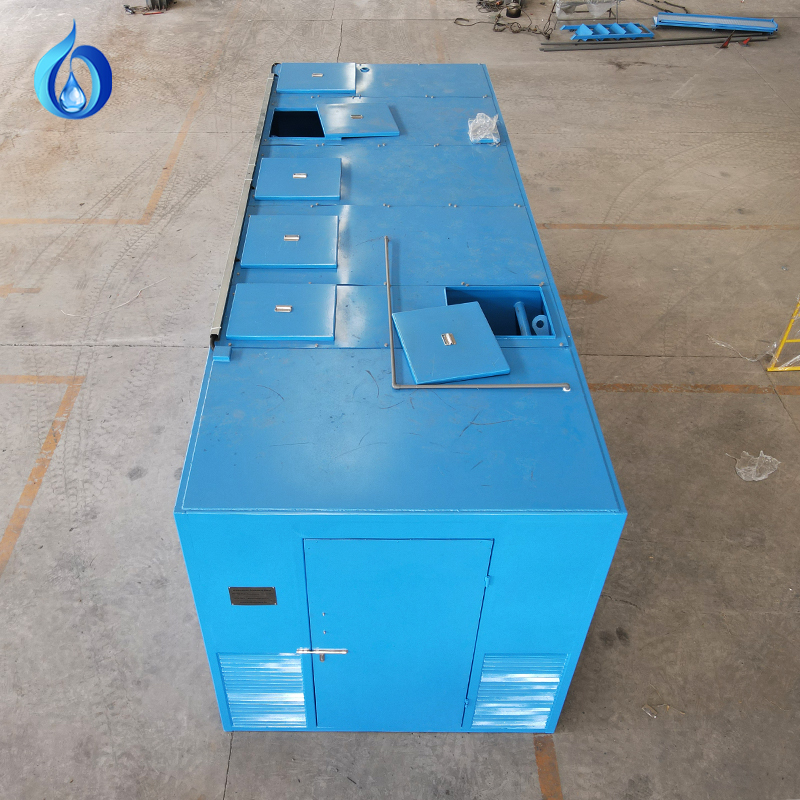
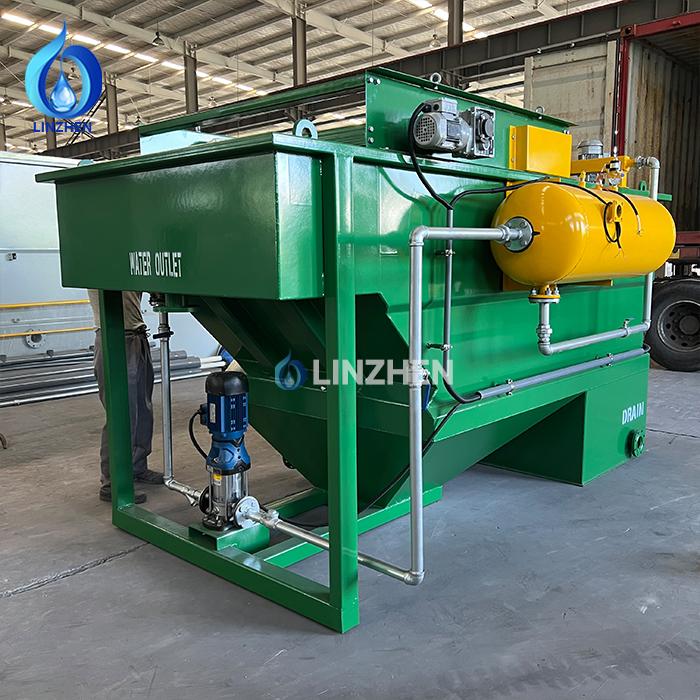
Conventional domestic wastewater treatment systems, such as septic tanks with drain fields, have served isolated properties for generations and remain common where soil and groundwater conditions are favorable. However, many jurisdictions now require advanced domestic wastewater treatment technologies that provide greater treatment reliability and environmental protection. Advanced domestic wastewater treatment systems use aeration, multi-stage filtration, or chemical treatment to reduce nutrient content and pathogen levels more effectively than conventional approaches. Aerobic domestic wastewater treatment units, treatment wetlands, and sand filtration systems represent modern alternatives that towns increasingly specify in updated building codes. Selecting the appropriate domestic wastewater treatment technology depends on site-specific factors including soil type, groundwater depth, lot size, and local regulatory preferences.
Treatment Performance Standards and Effluent Quality
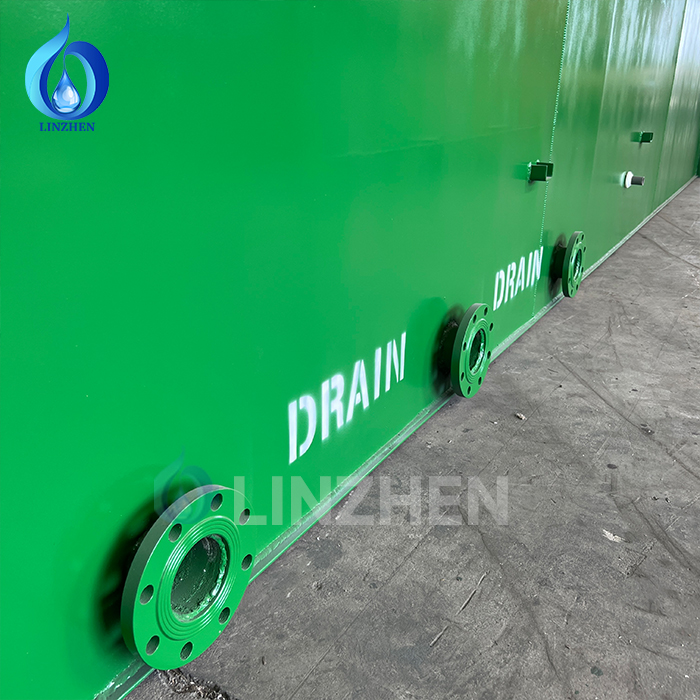
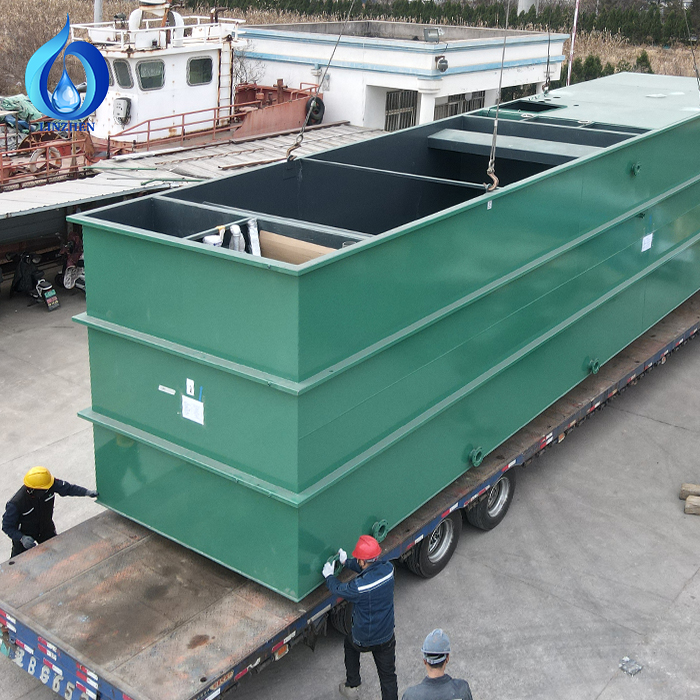
Town regulations governing domestic wastewater treatment typically specify minimum effluent quality targets for nitrogen, phosphorus, suspended solids, and pathogenic organisms. High-level domestic wastewater treatment may require removal of 85 to 95 percent of suspended solids and significant reduction of nutrient loads. These performance standards for domestic wastewater treatment directly influence which system technologies can satisfy local code requirements. A packaged domestic wastewater treatment system certified to meet regional standards provides a reliable pathway to compliance. Developers must verify that selected domestic wastewater treatment systems hold appropriate certifications and that their design aligns with local performance benchmarks before installation.
Implementation Considerations and Long-Term Planning
System Design, Installation, and Permitting
Implementing required domestic wastewater treatment involves coordination between engineers, contractors, health departments, and building officials to ensure regulatory compliance. Design of domestic wastewater treatment systems must account for site hydrology, soil absorption capacity, anticipated wastewater volumes, and seasonal variations in groundwater levels. Permitting for domestic wastewater treatment typically requires submission of detailed plans showing treatment technology specifications, soil test results, and proposed effluent discharge or reuse methods. Installation of domestic wastewater treatment systems must follow manufacturer protocols and local inspection procedures to verify proper construction and operational readiness. The timeline for domestic wastewater treatment system approval and installation can extend several months, making early regulatory engagement essential for project scheduling.
Maintenance, Monitoring, and Regulatory Compliance
Long-term compliance with town domestic wastewater treatment regulations requires consistent system maintenance and operational monitoring. Most codes mandate regular inspections and service of installed domestic wastewater treatment systems to verify continued performance and prevent environmental violations. Property owners must understand that domestic wastewater treatment system maintenance obligations extend throughout the building's operational life, not just after initial installation. Some jurisdictions require annual reporting or certification that domestic wastewater treatment systems continue meeting design standards. Budget planning for new builds far from municipal service should include ongoing domestic wastewater treatment operation and maintenance costs as part of long-term ownership expenses.
FAQ
Why do towns require domestic wastewater treatment on new construction far from municipal systems?
Towns mandate domestic wastewater treatment to protect groundwater aquifers, surface water resources, and public health in areas where centralized sewer infrastructure is unavailable. Untreated effluent can contaminate residential wells and nearby streams, creating significant environmental and health risks. By requiring compliant domestic wastewater treatment systems, municipalities ensure that wastewater receives appropriate processing regardless of location. This approach distributes responsibility for environmental protection across individual property developers rather than requiring municipalities to extend expensive sewer networks to remote areas.
What types of domestic wastewater treatment technologies satisfy modern town regulations?
Approved domestic wastewater treatment technologies range from conventional septic systems with drain fields to advanced aerobic treatment units, sand filters, and treatment wetlands. Specific town codes determine which domestic wastewater treatment systems qualify for approval based on local conditions and performance standards. Packaged domestic wastewater treatment systems offer standardized performance and reliability, making them increasingly popular for compliance with strict local requirements. Developers should verify with local health departments which domestic wastewater treatment technologies hold current approvals before committing to a system design.
How much does it cost to install and maintain a domestic wastewater treatment system?
Installation costs for domestic wastewater treatment systems vary widely depending on treatment technology selected, site conditions, and system capacity, typically ranging from several thousand to tens of thousands of dollars. Annual maintenance and operation of domestic wastewater treatment systems adds ongoing expenses that property owners must budget for throughout building ownership. Advanced domestic wastewater treatment systems generally cost more initially but often require less frequent maintenance than conventional approaches. Developers should obtain detailed cost estimates for applicable domestic wastewater treatment options early in project planning to accurately forecast total development expenses and timeline.
 EN
EN